



Ceramic Butter Dishes
Ceramic butter dishes are practical table vessels and lidded boxes designed to keep dairy fresh and dress the dining table.
Ceramic Butter Dishes
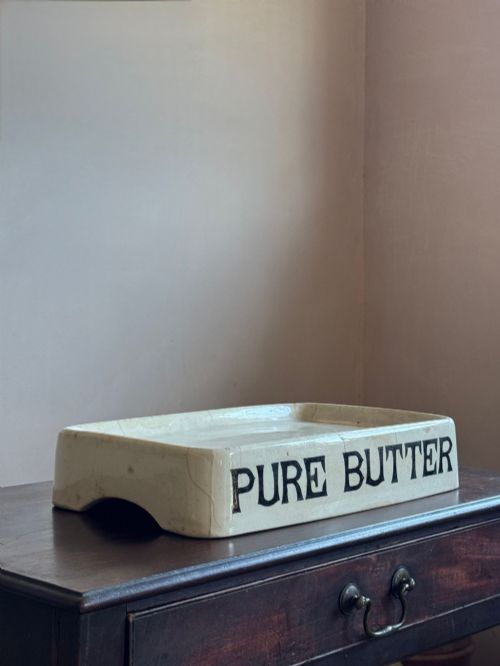
When you search for ceramic butter dishes, you encounter covered table vessels and lidded boxes intended for dairy presentation. The selection spans periods from the eighteenth century through the Victorian and Edwardian eras, encompassing diverse decorative serveware.
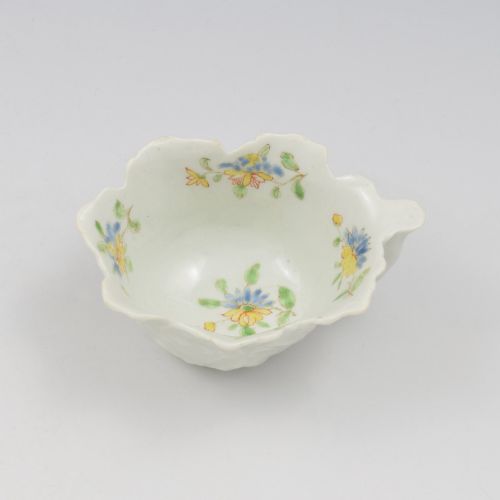
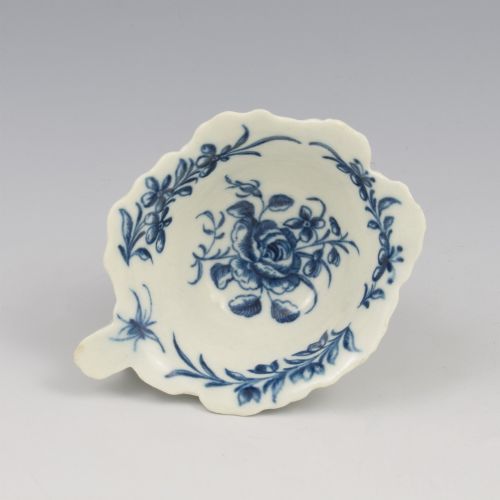
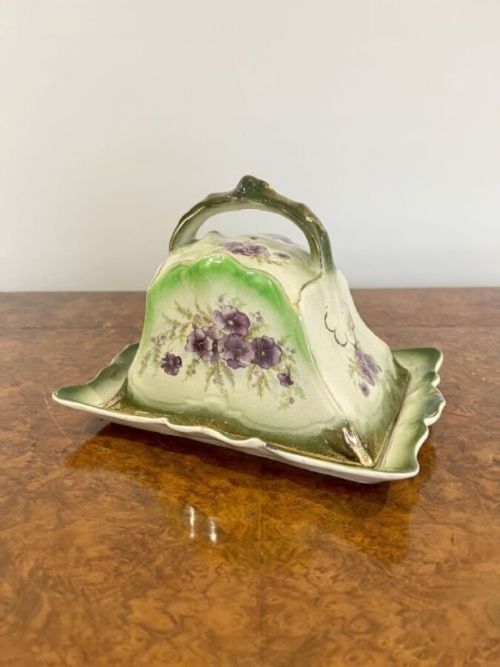
The assortment includes specialised forms like butter boats alongside related dairy collectables and cheese dishes. You also meet small pickle dishes and tart pans created in soft-paste porcelain and earthenware.
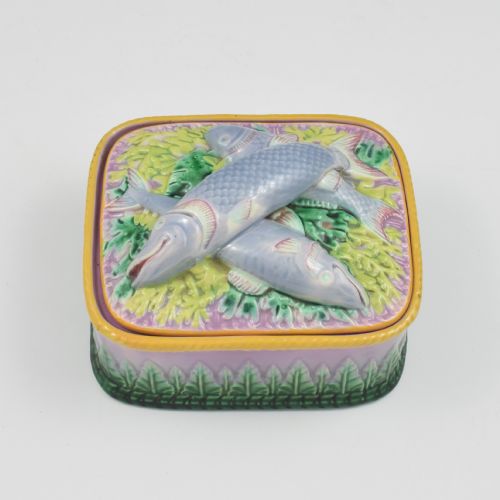
Victorian examples frequently showcase Majolica glazes with sculptural or moulded forms. Earlier pieces lean towards eighteenth-century porcelain traditions with hand-painted motifs.
Materials and construction
Potters utilised earthenware, ironstone, and soft-paste porcelain to shape these vessels. Ironstone provided a durable body for utilitarian kitchen and table wares, while porcelain allowed for finer, delicate walls.
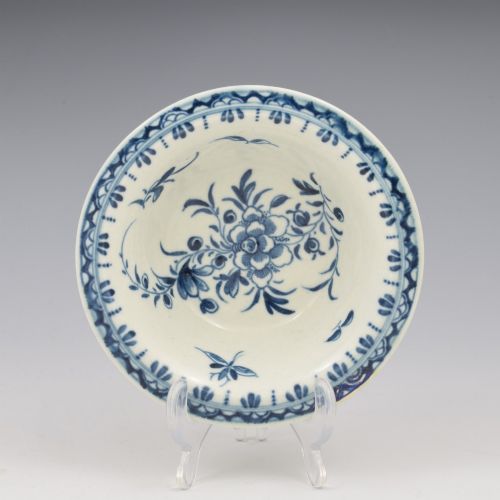
Glazes seal the ceramic bodies, often applied in clear or coloured formulations. Enamel colours and underglaze painting decorate the surfaces, seen in Chinoiserie patterns and floral motifs.
Ceramic Butter Dishes Retail Price Guide 2026
Typical asking prices for ceramic butter dishes among the pieces listed under this phrase on Sellingantiques today, from the lower quarter to the upper quarter. They describe what is for sale here now, not the wider market.
Listings feature items from the 18th century, Victorian era, and Edwardian period, utilising earthenware, ironstone, and porcelain.
Assessing quality and execution
Quality rests in the crispness of the moulding and the control of the glaze. Finer pieces display sharply defined relief details, particularly on majolica or ironstone surfaces where worn moulds soften the design.
Painting execution separates standard production from superior work. Hand-poured enamels and precise brushwork on porcelain indicate higher workshop standards.
Thomas Forester And Sons·Kuznetsov
The Ceramic Butter Dishes Glossary
- Soft-paste porcelain
- An artificial porcelain composition fired at lower temperatures than hard-paste porcelain. Eighteenth-century English factories frequently utilised this body.
- Ironstone
- A heavy, durable type of earthenware patented in the nineteenth century. It resists chipping and served as a robust material for domestic tableware.
- Chinoiserie
- A European artistic style reflecting Chinese decorative motifs. Painters applied these stylized landscapes and figures to porcelain tablewares.
Ceramic Butter Dishes: Frequently Asked Questions
What periods do these dishes come from?
The listings include pieces spanning from the mid eighteenth century through to the Edwardian period. You will find items attributed to the Georgian era alongside Victorian majolica.
Dates range from around seventeen-sixty up to nineteen-hundred, showing distinct stylistic shifts across these decades.
How were these dishes used originally?
They served primarily as functional tableware for presenting butter, cheese, or pickles at the dining table. Lidded versions helped protect perishable dairy from dust and insects.
Beyond dining rooms, certain forms functioned as specialised dairy collectables or decorative serving dishes in large households.
What materials are most common?
Earthenware, ironstone, and porcelain appear frequently across the available inventory. Potters applied various glazes and enamel colours to finish the surfaces.
Some pieces feature specialised majolica glazes while others utilise soft-paste porcelain bodies with hand-painted designs.
How do I care for antique ceramics?
Wash these pieces gently by hand using mild soap and warm water. Avoid soaking antique ceramics, particularly items with soft-paste bodies or delicate enamels.
Keep them away from direct sunlight and sudden temperature changes to protect the glaze and prevent crazing.