




Ceramic Bocage Ornament
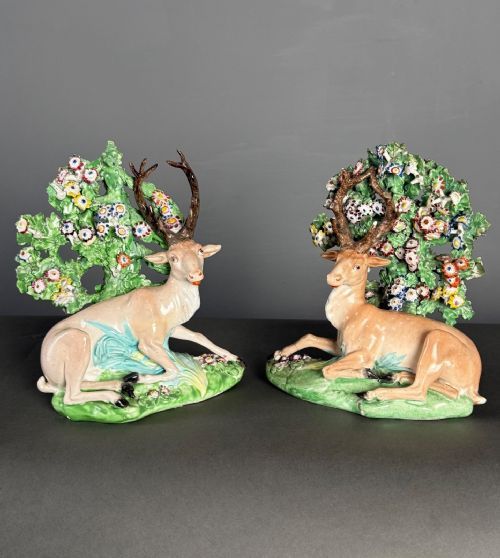
Ceramic bocage ornament works foliage and flowers around glazed figures to bring woodland scenes right onto the parlour mantelpiece.
Ceramic Bocage Ornament
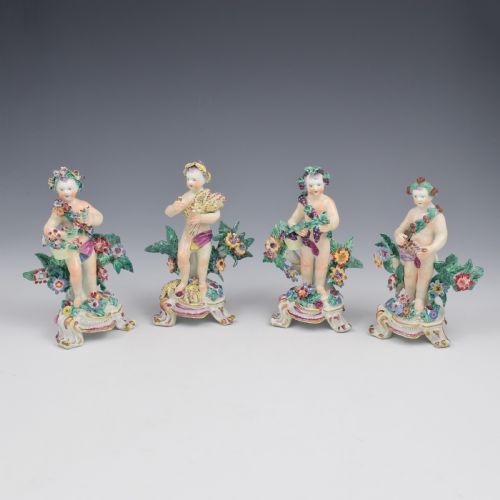
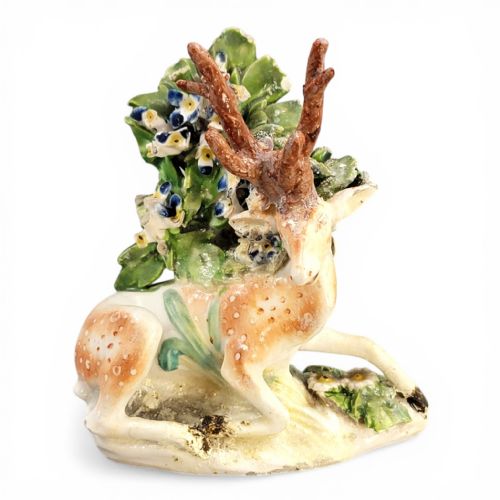
A ceramic bocage ornament presents figures and animals framed by dense, applied foliage, capturing pastoral and mythological subjects across the eighteenth and nineteenth centuries.
You will frequently meet eighteenth-century Derby stags and figures alongside nineteenth-century Staffordshire and Samson reproductions made in the Rococo revival taste.
Forms on this page range from spill vases and allegorical groups to individual porcelain figurines and earthenware sheep framed by glazed leaves.
Materials and construction
Potters built these pieces using soft-paste porcelain, hard-paste porcelain, and pearlware, shaping bodies before applying hand-formed clay leaves piece by piece.
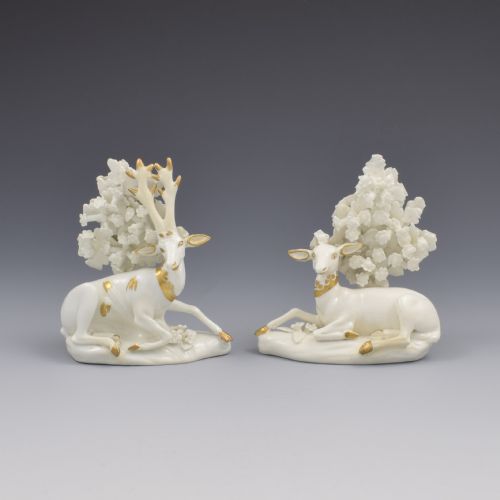
Surface decoration relies on enamel painting, glaze, gilding, and gold leaf to accent garments, animals, and the surrounding bocage foliage.
Ceramic Bocage Ornament Retail Price Guide 2026
Typical asking prices for ceramic bocage ornament among the pieces listed under this phrase on Sellingantiques today, from the lower quarter to the upper quarter. They describe what is for sale here now, not the wider market.
Listings span the 18th century, Georgian period, and Victorian era, utilising porcelain, pearlware, and earthenware.
Judging quality and execution
Quality rests on the crispness of the applied foliage and the delicacy with which the leaves and flowers retain their form through the kiln firing.
The finesse of the hand painting on the figures and the naturalism of the modelling separate ordinary production from superior works.
Bow Porcelain·Chelsea Anchor Mark·Derby Porcelain·Samson Paris·Walton Staffordshire
The Ceramic Bocage Ornament Glossary
- Bocage
- Foliate background made of applied clay leaves and flowers, framing the central figures. This sculptural element defines the entire group.
- Soft-paste porcelain
- Early ceramic composition fired at lower temperatures, producing a warm body and translucent glaze. It absorbs enamels with a distinct softness.
- Pearlware
- Refined earthenware developed by Staffordshire potters, featuring a pale bluish glaze pooling in crevices. It served as a popular base for figures and animals.
- Spill vase
- Hollow cylindrical vessel incorporated behind the figure to hold wooden spills for lighting fires. These practical elements blend into the background foliage.
- Patch mark
- Circular unglazed blemish left on the base of porcelain from kiln supports. It indicates specific factory practices during production.
Ceramic Bocage Ornament: Frequently Asked Questions
What is a ceramic bocage ornament?
A ceramic bocage ornament is a glazed figure or animal set against a background of handmade clay leaves and branches. These pieces originated in eighteenth-century European factories to recreate pastoral scenes indoors.
Makers continued producing them through the Victorian era, drawing on earlier Georgian and Rococo styles for inspiration.
How were bocage leaves made?
Potters shaped individual leaves and flowers by hand or pressed them into moulds before attaching them to the background branches around the main figure. This delicate work required immense skill to prevent the foliage from collapsing in the kiln.
Artisans then painted the leaves in various green enamel shades and added gilding to enhance the natural effect.
Where should I display my ornament?
These decorative figures suit stable mantelpieces, glass-fronted cabinets, and side tables away from heavy foot traffic. Because the applied foliage has numerous delicate edges, placement in secure spots prevents accidental knocks.
Keep them out of direct sunlight to protect the enamel colours and gold leaf over time.
How do I clean a bocage ornament?
Dust the piece gently using a soft, dry artist's brush to reach between the fragile leaves and branches. Avoid using water, wet cloths, or chemical cleaners, as moisture can damage old glazes and delicate enamels.
Regular, gentle dusting preserves the surface without putting stress on the applied foliage.