




Ceramic Basin Washstand
A ceramic basin washstand brings the functional elegance of the nineteenth and early twentieth centuries directly into a modern interior.
Ceramic Basin Washstand
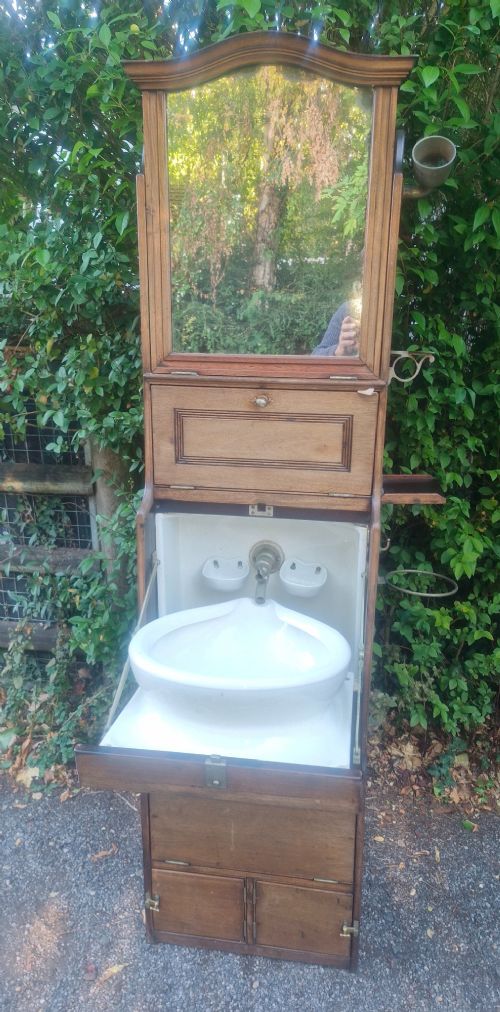
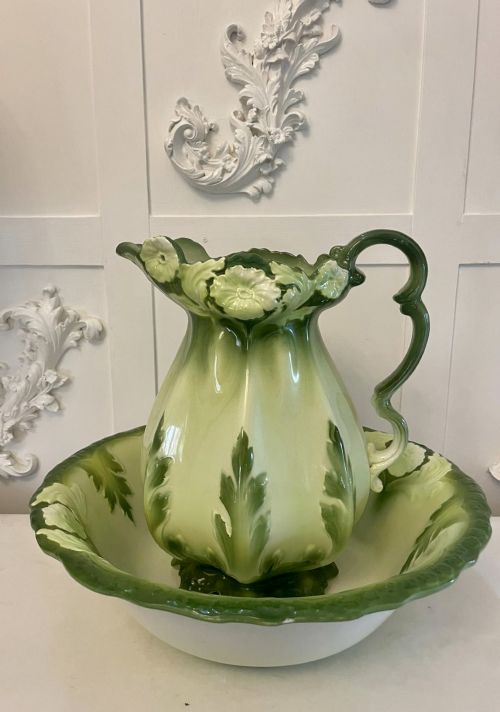
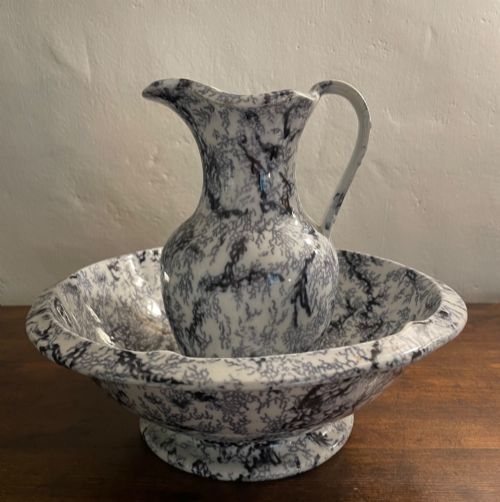
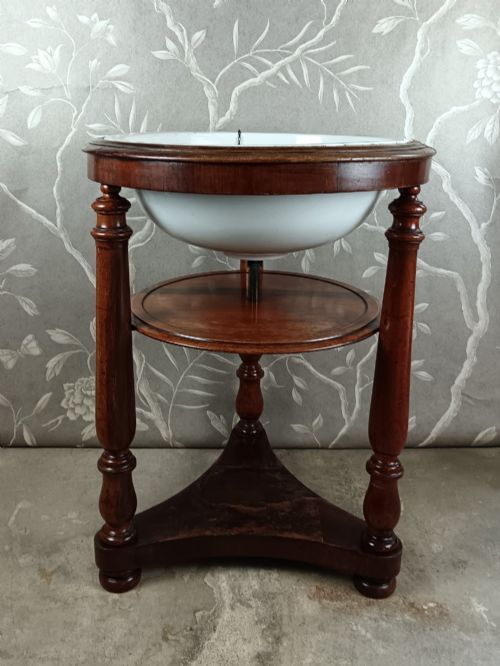
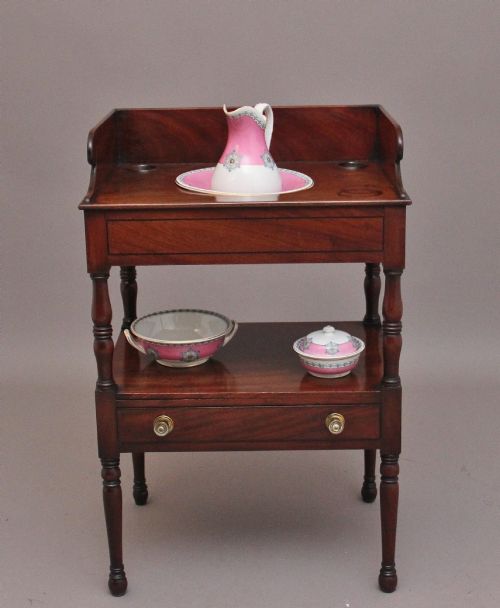
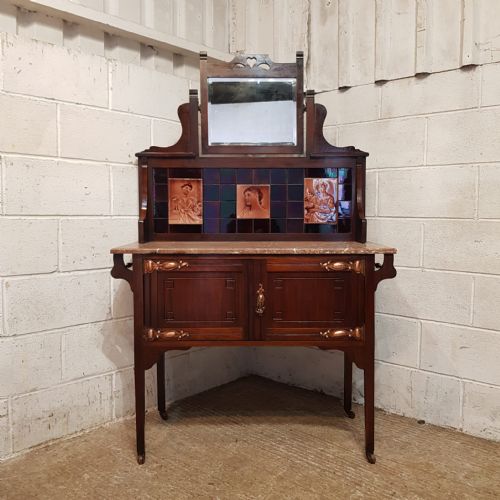
A ceramic basin washstand encompasses both the physical furniture supporting a water container and the ceramic sets themselves, ranging from early nineteenth century mahogany frames to Edwardian walnut and tiled bedroom furniture. The search phrase covers utilitarian campaign pieces as well as decorative bathroom sets featuring matching jugs and bowls.
Buyers most frequently encounter Edwardian and Victorian examples on this page, often constructed in mahogany or walnut alongside earthenware and ironstone vessels. These items bridge the gap between practical washroom accessories and decorative household furnishings from the 1800s through to the 1920s.
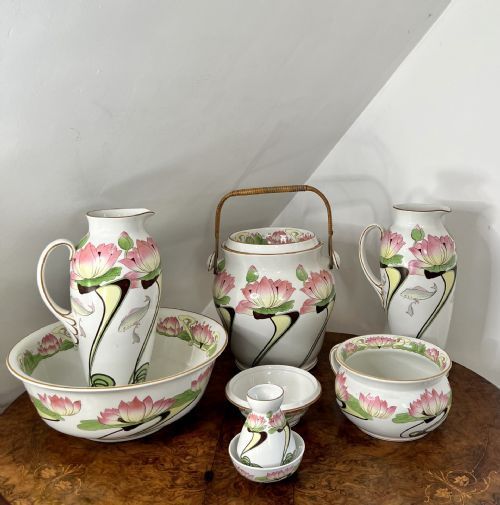
The objects span simpler wash jugs and basins to complete four-piece bathroom sets and specialised pieces like ships or shaving stands. Their origins are rooted in domestic hygiene routines before plumbed bathrooms became standard in every home.
Materials and Technique
Construction relies heavily on traditional cabinet timbers such as mahogany and walnut, frequently paired with fitted marble tops and brass or iron hardware. Washstand frames are joined with structural integrity to bear the weight of heavy water vessels.
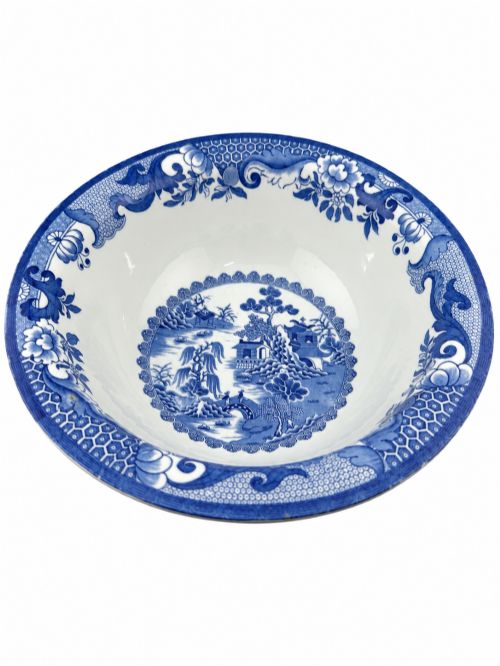
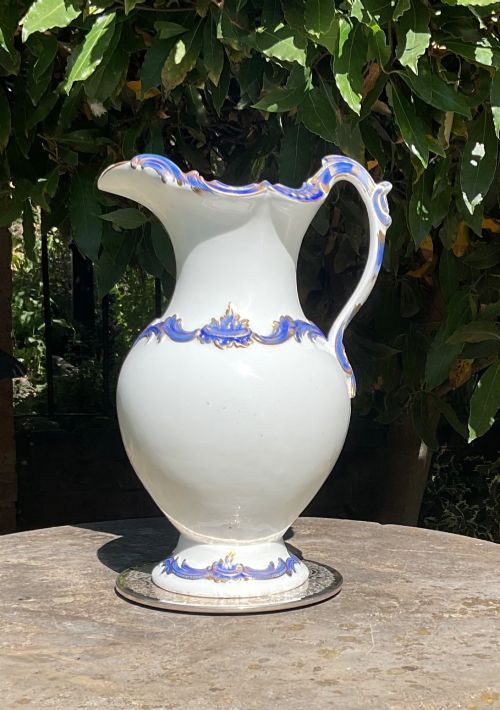
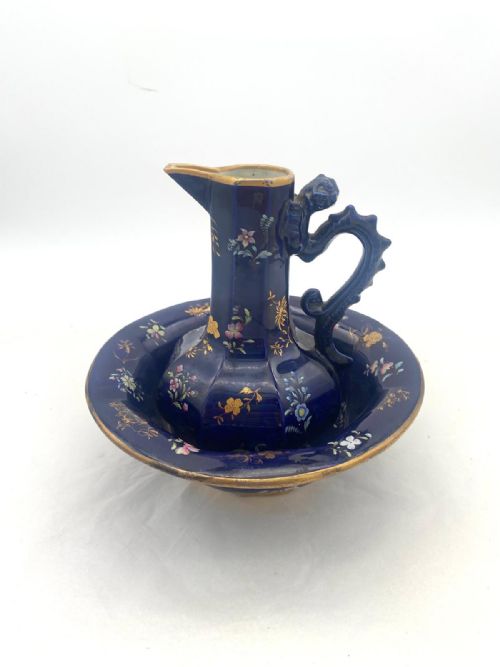
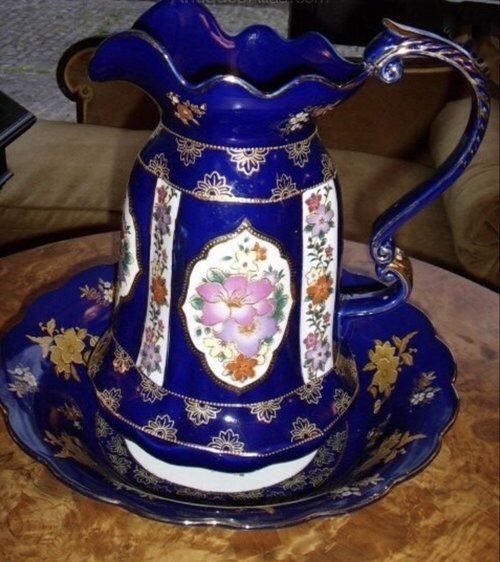
Ceramic components utilise earthenware, ironstone, and porcelain, shaped into basins, jugs, and entire wash sets. Artisans applied cobalt blue glazes, flow blue techniques, and gilt highlights to enrich the surfaces before firing.
Listings feature ceramics decorated with cobalt blue glazes and gilt accents alongside mahogany and walnut furniture from the Victorian and Edwardian eras.
Gradations of Quality
Quality reveals itself in the crispness of ceramic transfer printing, the depth of cobalt or flow blue glazes, and the preservation of delicate gilt detailing on the porcelain or ironstone surface. Finer sets maintain matching registry marks and unblemished glaze integrity across both jug and bowl.
On the furniture side, the choice of timber, the presence of original marble tops or tiled backs, and the stability of turned or triform stands distinguish standard utility pieces from exceptional cabinetmaker work.
Mason·Doulton Burslem·Minton·Shelley·Mark Jones and Sons
The Ceramic Basin Washstand Glossary
- Ironstone
- A patented ceramic material developed to imitate porcelain while offering superior durability for heavy daily use. It provides a robust body for nineteenth-century jugs and basins.
- Flow Blue
- A nineteenth-century ceramic printing technique where cobalt oxide blurred during firing to create a hazy, atmospheric effect. This style appears frequently on early Staffordshire and Masons wares.
- Campaign Stand
- Portable furniture designed for travel, typically featuring dismantling frames or folding elements. These pieces accommodated basins in military or maritime contexts.
- Gaudy Welsh
- A type of colourful pottery featuring cobalt blue, copper lustre, and iron red painted over a white tin glaze. It is often found on Victorian toilet basins and tableware.
Ceramic Basin Washstand: Frequently Asked Questions
How were washstands used originally?
These pieces served as the primary washing station in bedrooms before indoor plumbing became widespread, holding water pitchers and slop basins for morning routines.
Servants filled the jugs with fresh water daily, allowing occupants to wash their faces and hands without leaving the bedroom.
Are the jugs and basins always matching sets?
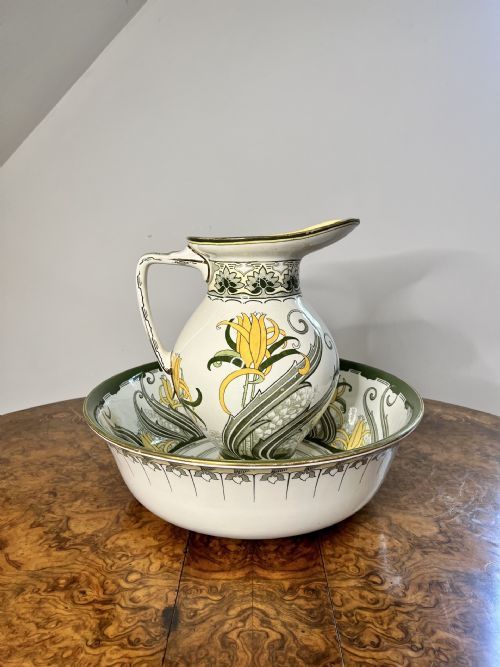
Most surviving examples were produced as coordinated bathroom suites, pairing a large water jug with a matching wash basin.
Some collections also incorporate slop buckets, soap dishes, and toothbrush holders designed in the same ceramic pattern.
How do I date a washstand?
Dating relies on a combination of timber characteristics, cabinet styles, and ceramic bottom marks corresponding to nineteenth and early twentieth-century periods.
Victorian and Edwardian examples often display distinct stylistic cues like Art Nouveau motifs or utilitarian campaign folding mechanisms.
Can I use these for modern plumbing?
Antique ceramic basins and wooden washstands are generally preserved as decorative or collector items rather than integrated into active modern plumbing.
Many buyers repurpose the stands as plant holders, hallway furniture, or decorative bathroom storage.