

Century Oak Chairs
Century oak chairs encompass centuries of seating, from joined wainscot armchairs to ladder-back sets, prized for heavy timber and enduring utility.
Century Oak Chairs
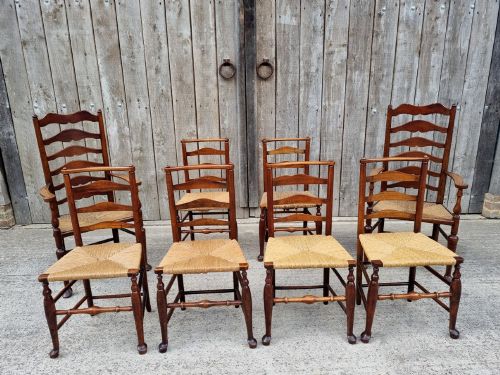
Century oak chairs bridge domestic utility and formal design across eras spanning the seventeenth century through the early twentieth century. Buyers seeking century oak chairs encounter diverse forms including sturdy dining chairs, grand armchairs, swivel desk chairs, and low fireside Windsors.
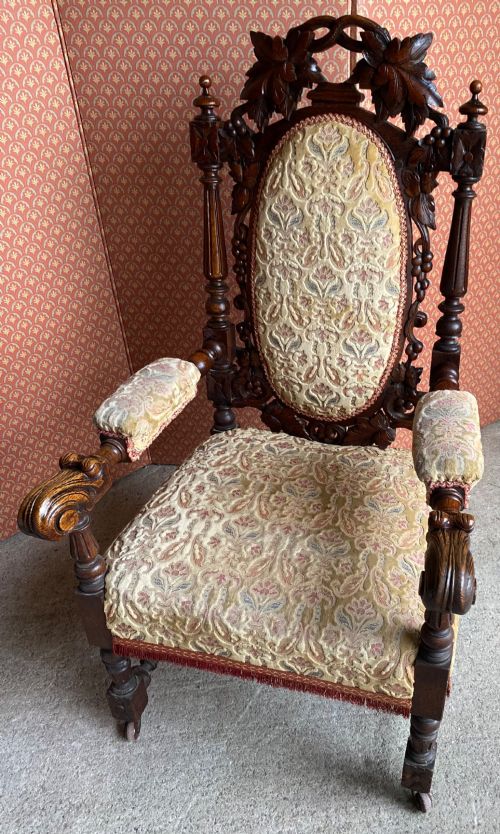
The selection ranges from vernacular country seating in elm and ash to formal Georgian dining sets and Victorian baronial armchairs. Regional traditions appear distinctly, from Welsh cottage sets to Thames Valley Oxford chairs and Scottish school leather fireside seats.
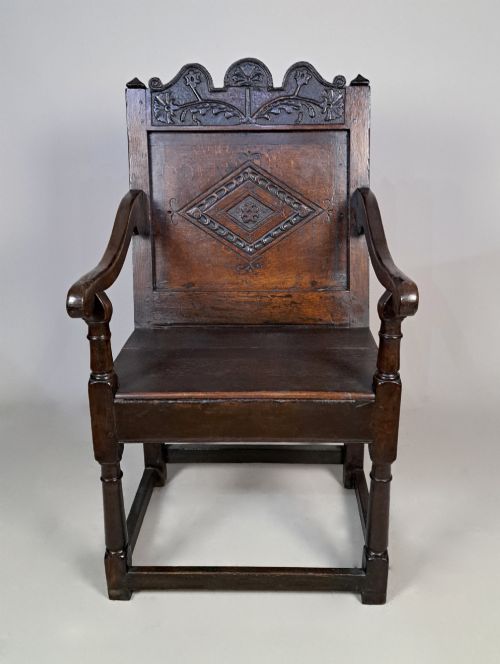
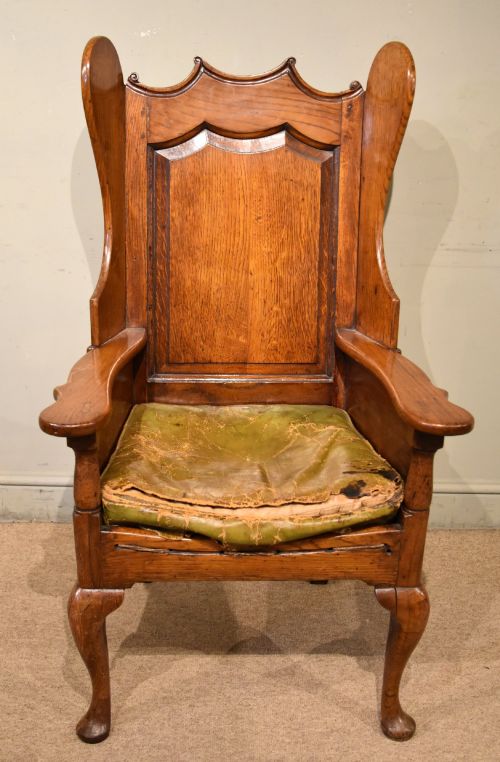
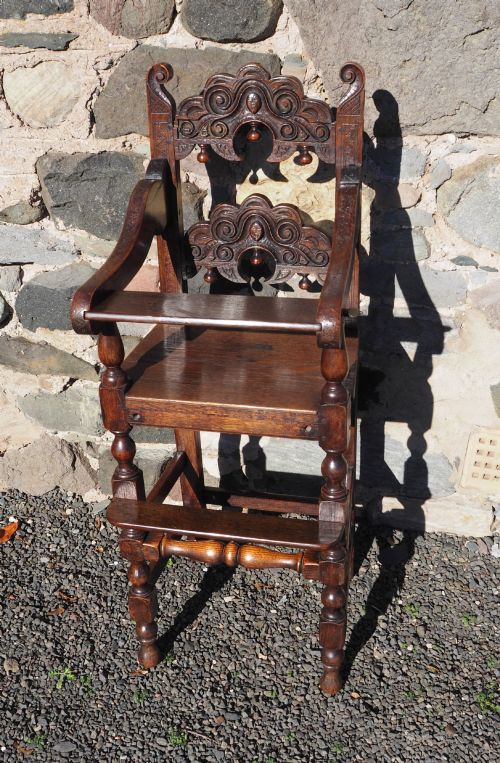
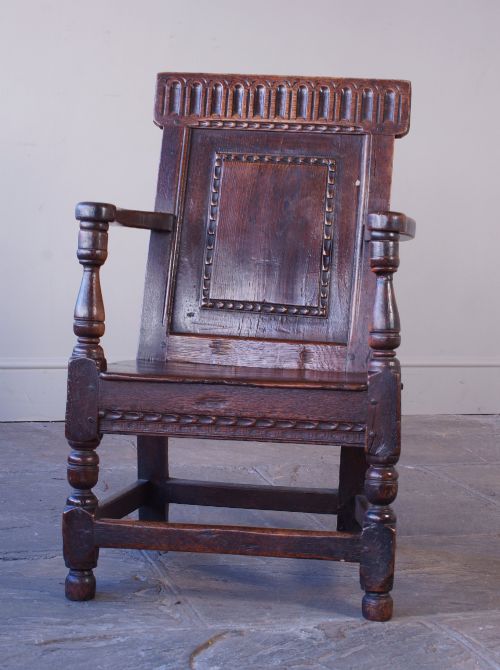
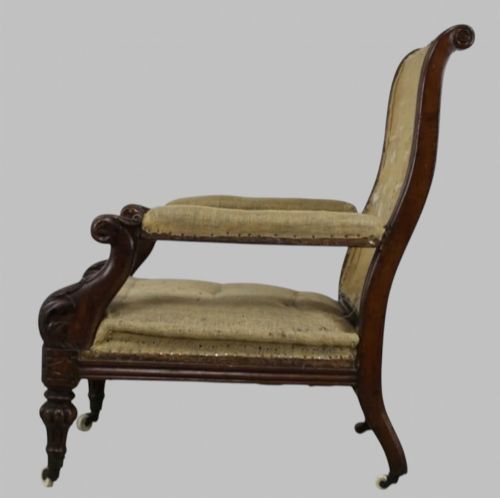
Early seventeenth-century joined wainscot examples represent the earliest survivors, while nineteenth-century revivals draw upon Jacobean, Carolean, and Gothic styles. Buyers also find specialised forms such as correction chairs, Turner's chairs, scabello hall chairs, and children's seating.
Materials and Construction Methods
Makers utilised solid oak as the primary structural timber, frequently supplemented with secondary woods like elm, ash, and beech for seats and spindles. Construction relies on traditional joinery techniques, including pegged mortise and tenon joints in early pieces and steam-bent components in Windsor forms.
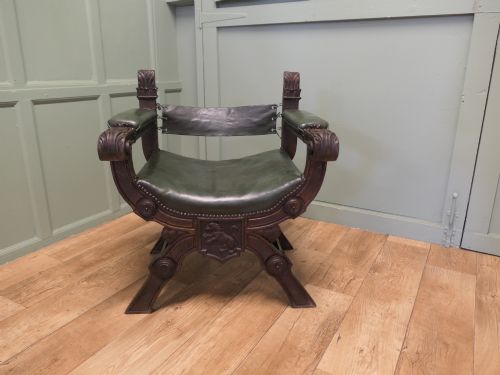
Surface finishes vary from raw natural timber and original wax patination to painted armorial backs and leather upholstery secured with brass studs. Metal elements appear functionally in brass swivel mechanisms on office chairs and structural corner braces on heavy library armchairs.
Century Oak Chairs Retail Price Guide 2026
Typical asking prices for century oak chairs among the pieces listed under this phrase on Sellingantiques today, from the lower quarter to the upper quarter. They describe what is for sale here now, not the wider market.
Correction chairs appear among seventeenth-century seating, built with deliberately narrow seats to encourage upright posture during long hours of needlework or study.
Assessing Quality and Authenticity
Quality rests in the integrity of the original timber and the retention of surface patination developed through generations of use. Master carvers distinguished formal armchairs with deep relief work, whereas vernacular pieces relied on well-balanced proportions and honest joinery.
Matching sets demand scrutiny to ensure uniformity across all chairs, particularly when assembled centuries later. The distinction between a heavily altered antique and an intact survivor governs the character of each piece.
M. D. Miller & Sons Nottingham
The Century Oak Chairs Glossary
- Wainscot chair
- A heavy wooden armchair from the sixteenth or seventeenth century constructed with panelled backs and solid seats. These early forms demonstrate sophisticated joinery before the widespread adoption of upholstered seating.
- Windsor chair
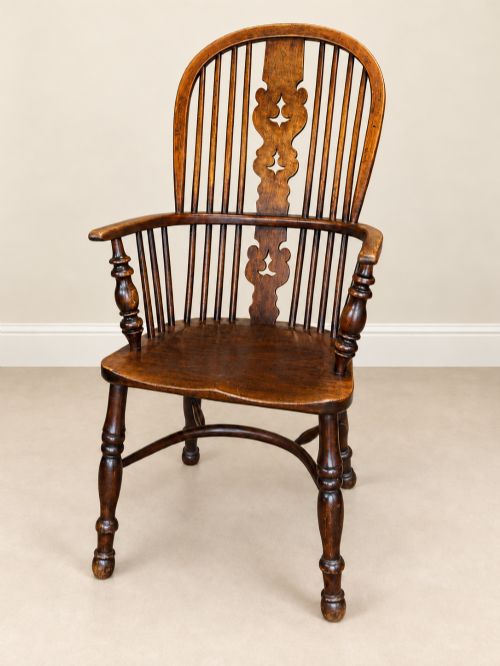
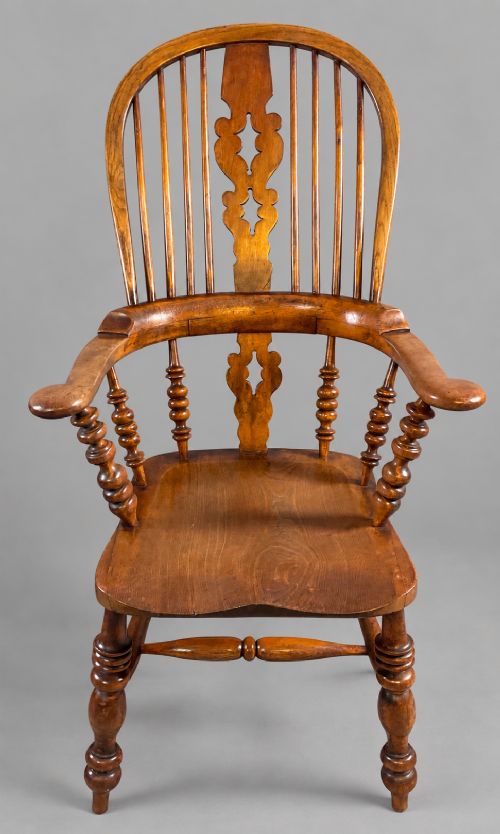
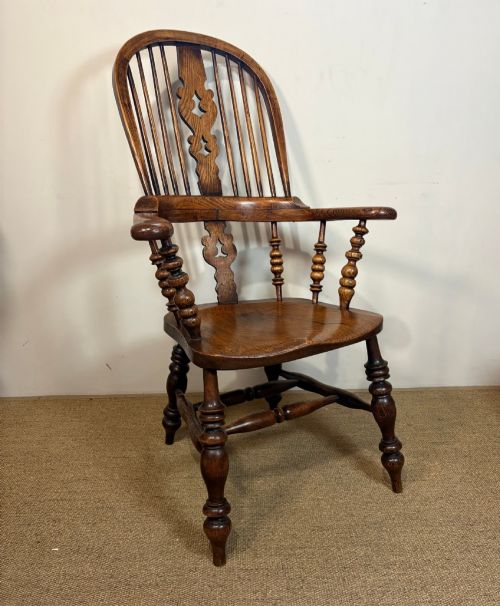
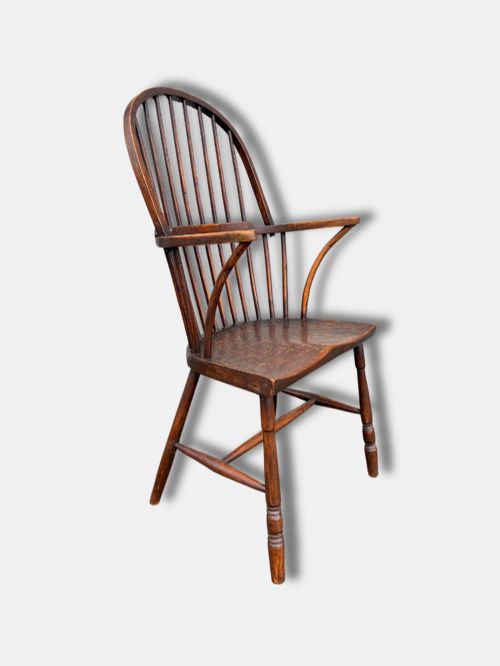
- A wooden chair featuring a solid saddle-shaped seat into which turned legs and back spindles are wedged directly. Regional variations include hoop backs, stick backs, and low-back library versions.
- Sgabello
- A Renaissance-style hall chair featuring solid vertical sides or trestle supports instead of four legs. These decorative seats often display carved or armorial painted backs intended for hallways.
- Ladder-back
- A chair style utilising horizontal wooden slats or rails between the upright posts of the back. Sets of these chairs remain popular for rustic and country dining interiors.
- Turner's chair
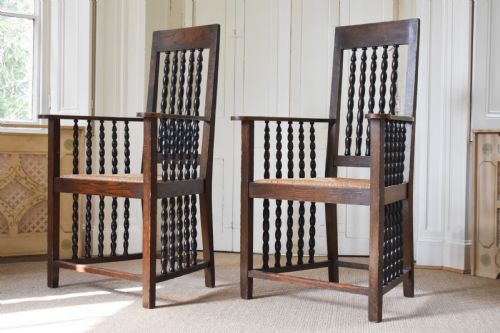
- A chair constructed entirely from turned wooden spindles and members assembled in geometric patterns. Also known as roundabout or cacqueteuse chairs in specific regional contexts.
Century Oak Chairs: Frequently Asked Questions
How do I date a century oak chair?
Dating relies upon examining the construction marks, joinery methods, and the tool marks left by the maker. Pegged joints and split pins usually point to earlier periods.
Stylistic cues such as turned bobbin legs, ladder backs, or Gothic revival motifs help narrow the decade of manufacture when combined with wood analysis.
Were oak chairs used for dining?
Oak dining chairs became common in grand households during the seventeenth century and returned in large sets during the Victorian era. Earlier examples were heavier and often placed against walls rather than around tables.
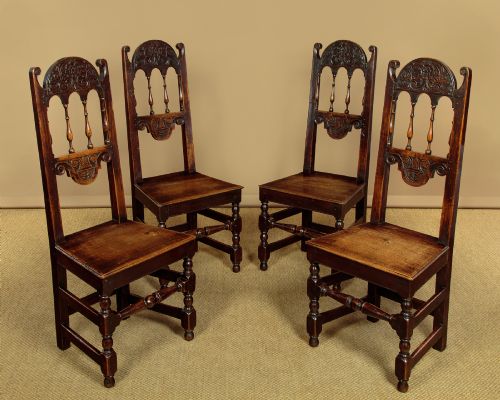
By the nineteenth century, matched sets of oak dining chairs were produced in quantities ranging from four to twelve pieces.
How do I care for antique oak furniture?
Maintain antique oak chairs by keeping them away from direct heat sources and sudden humidity changes to prevent the timber from splitting. Regular application of a quality beeswax preserves the natural patina without sealing the wood.
Avoid modern silicone polishes, which penetrate the grain and alter the historic surface finish permanently.
What is a Captain's chair?
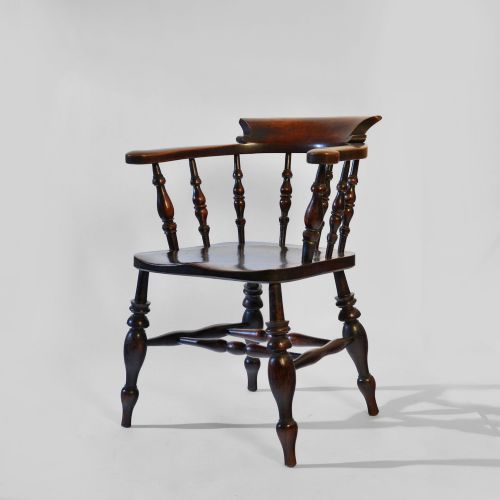
A Captain's chair is a sturdy wooden armchair with a low, curved back rail supported by vertical spindles above the seat. They originated as comfortable seating for offices, libraries, and ships.
Later Victorian versions incorporated revolving mechanisms and leather upholstery for extended daily use at a desk.