
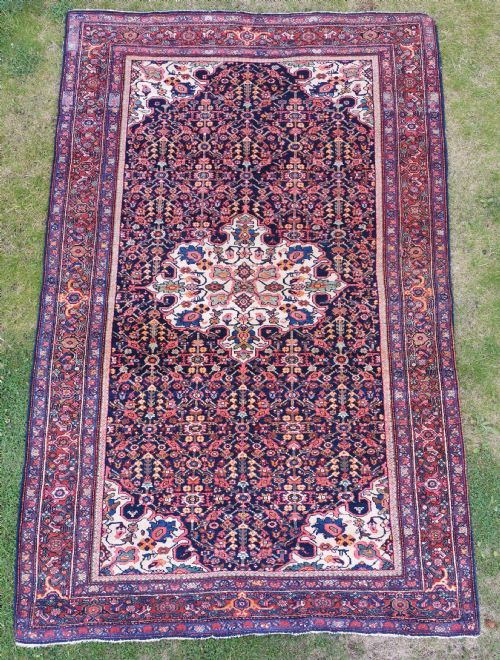
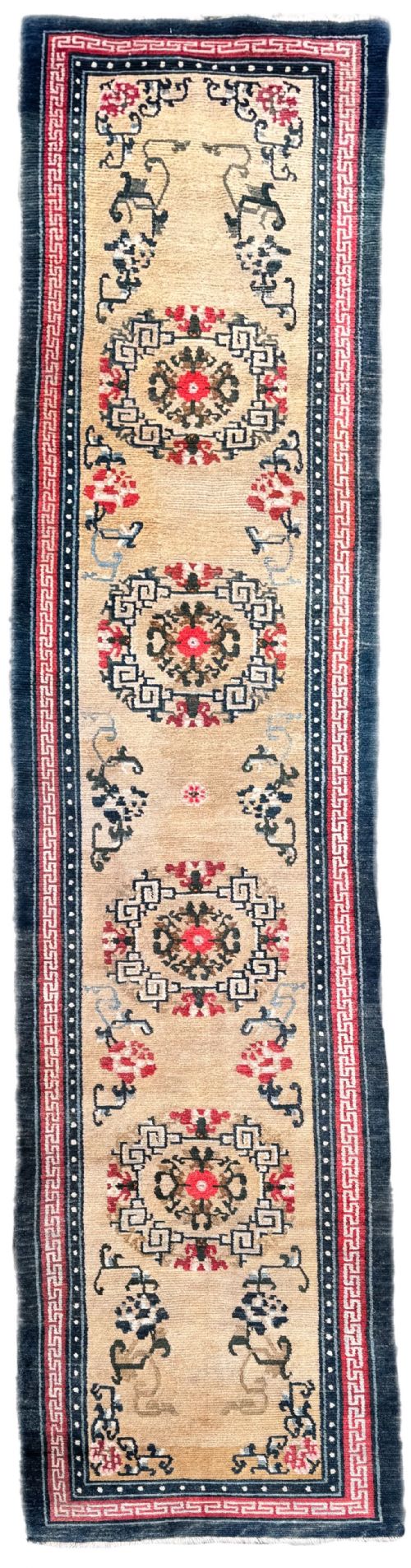
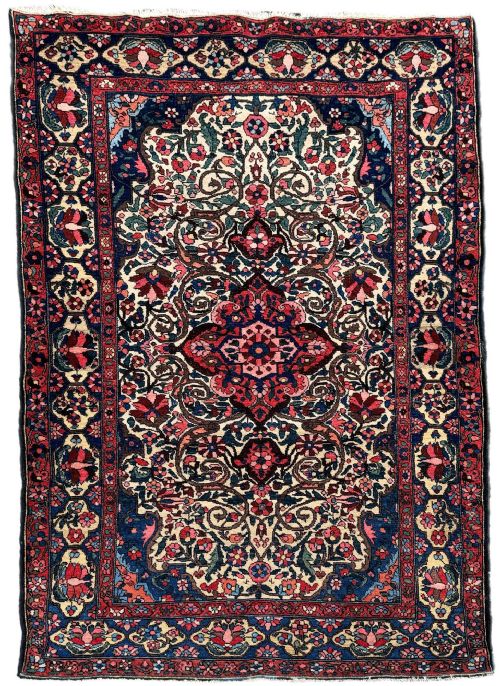
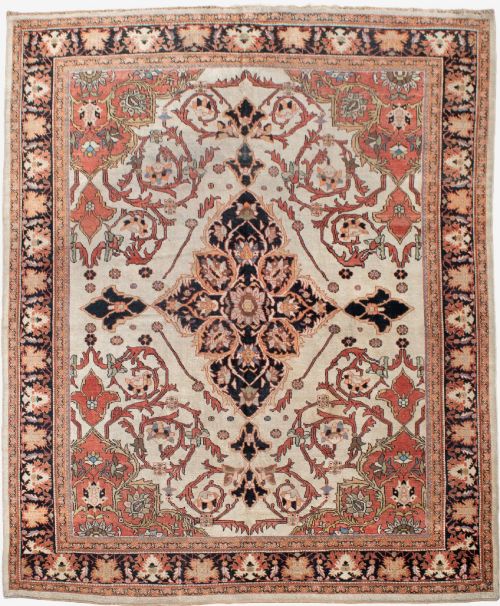
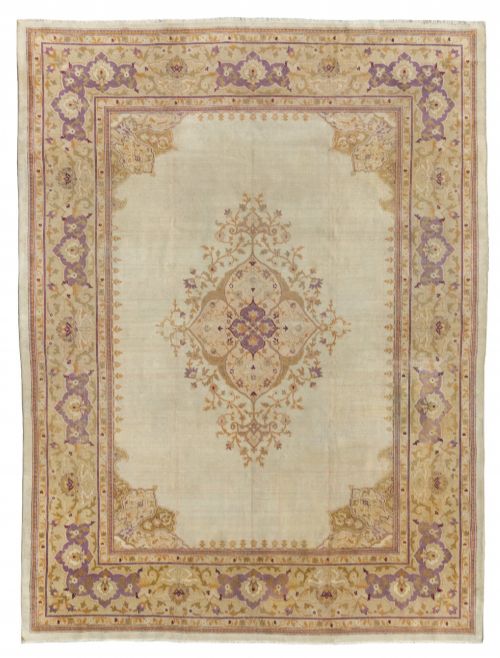
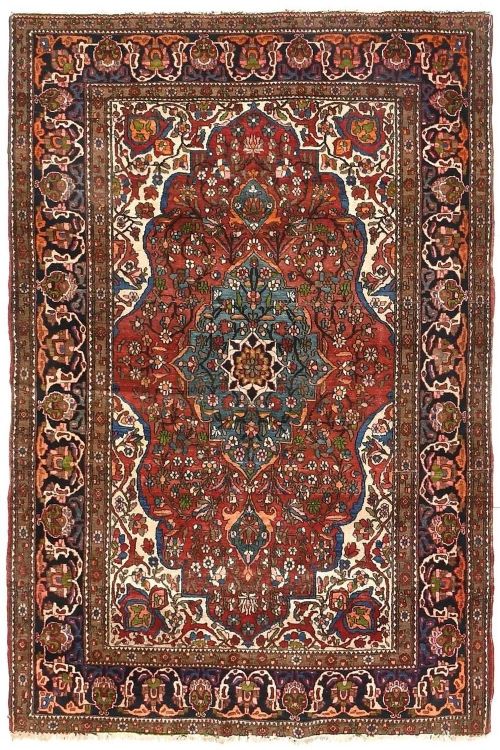
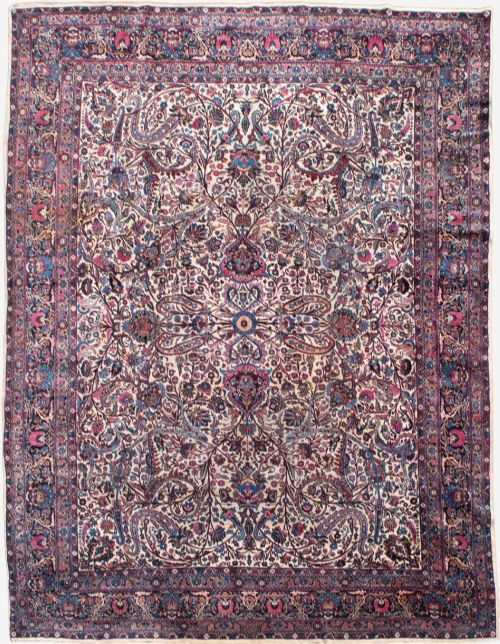
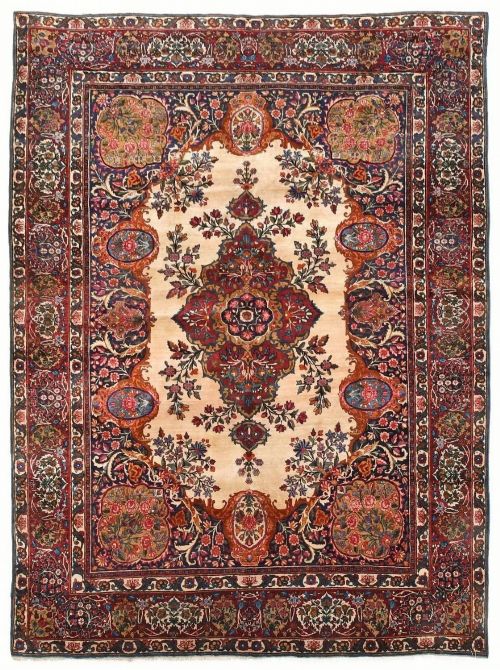
Central Medallion Carpet
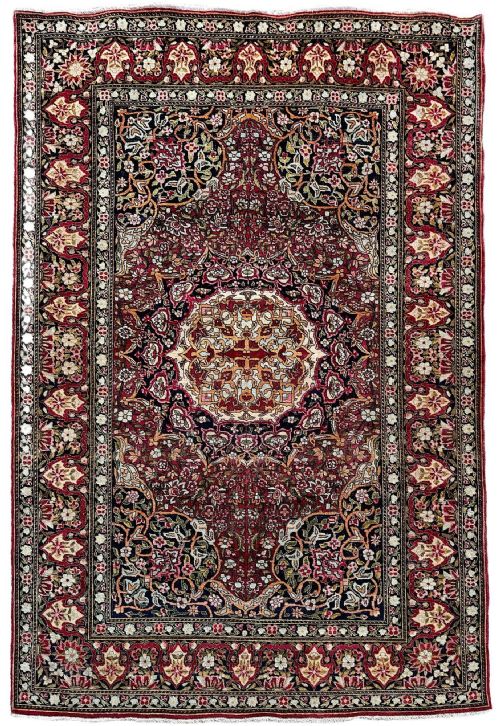
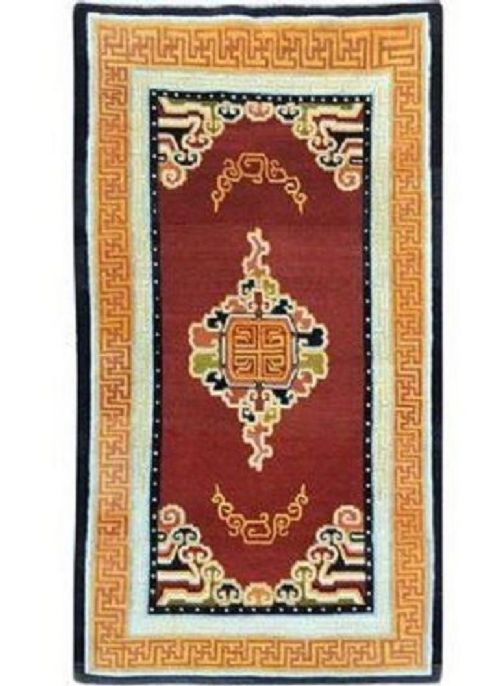
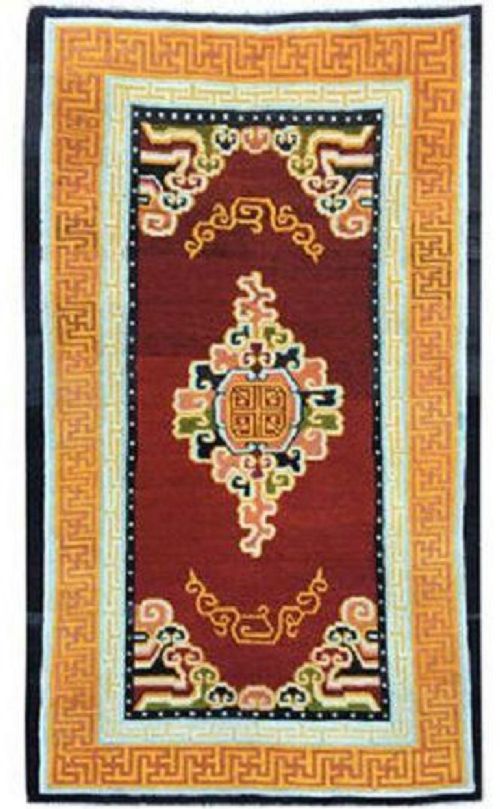
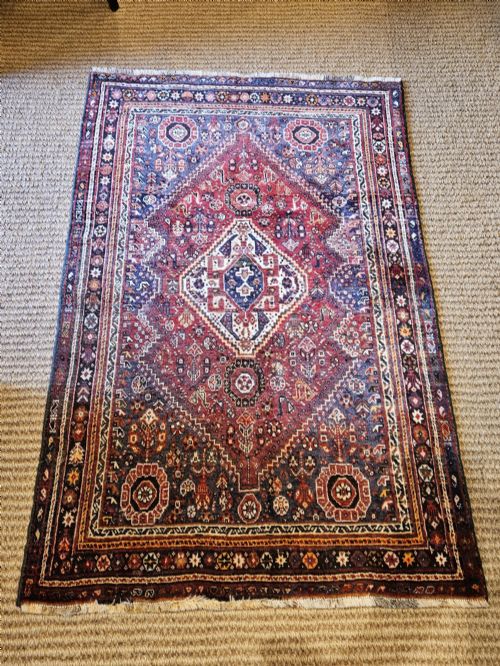
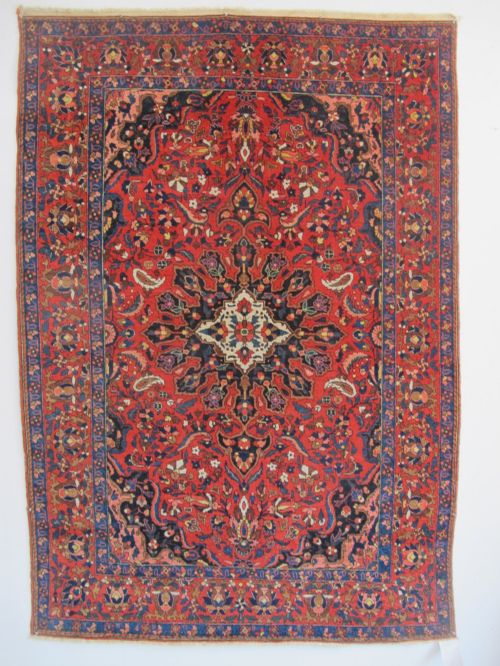
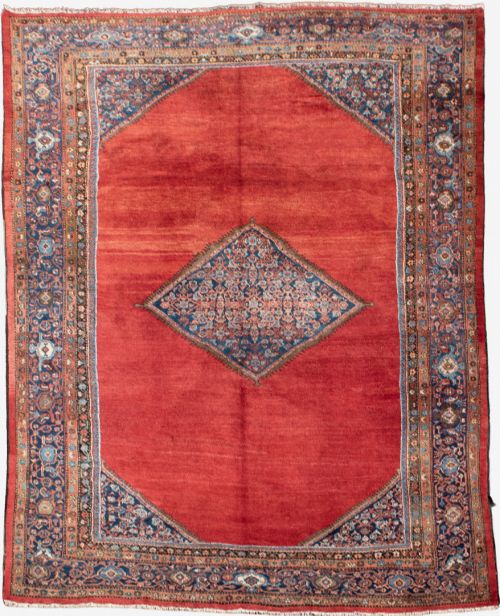
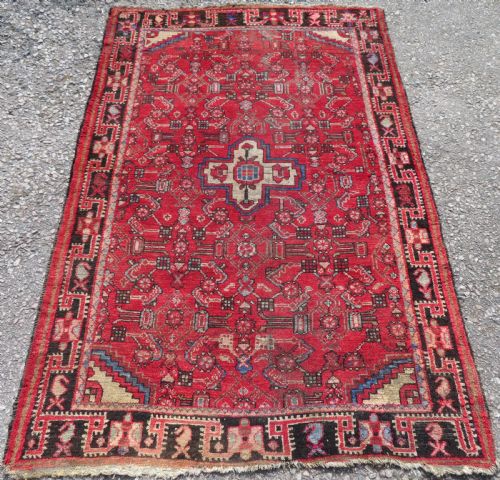
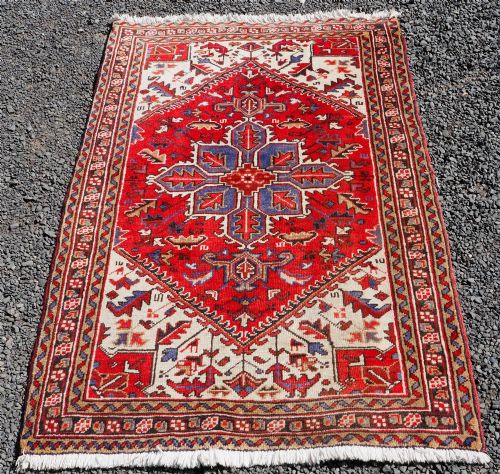
A central medallion carpet brings an unmistakable focal point to a room through its balanced geometric or floral arrangement.
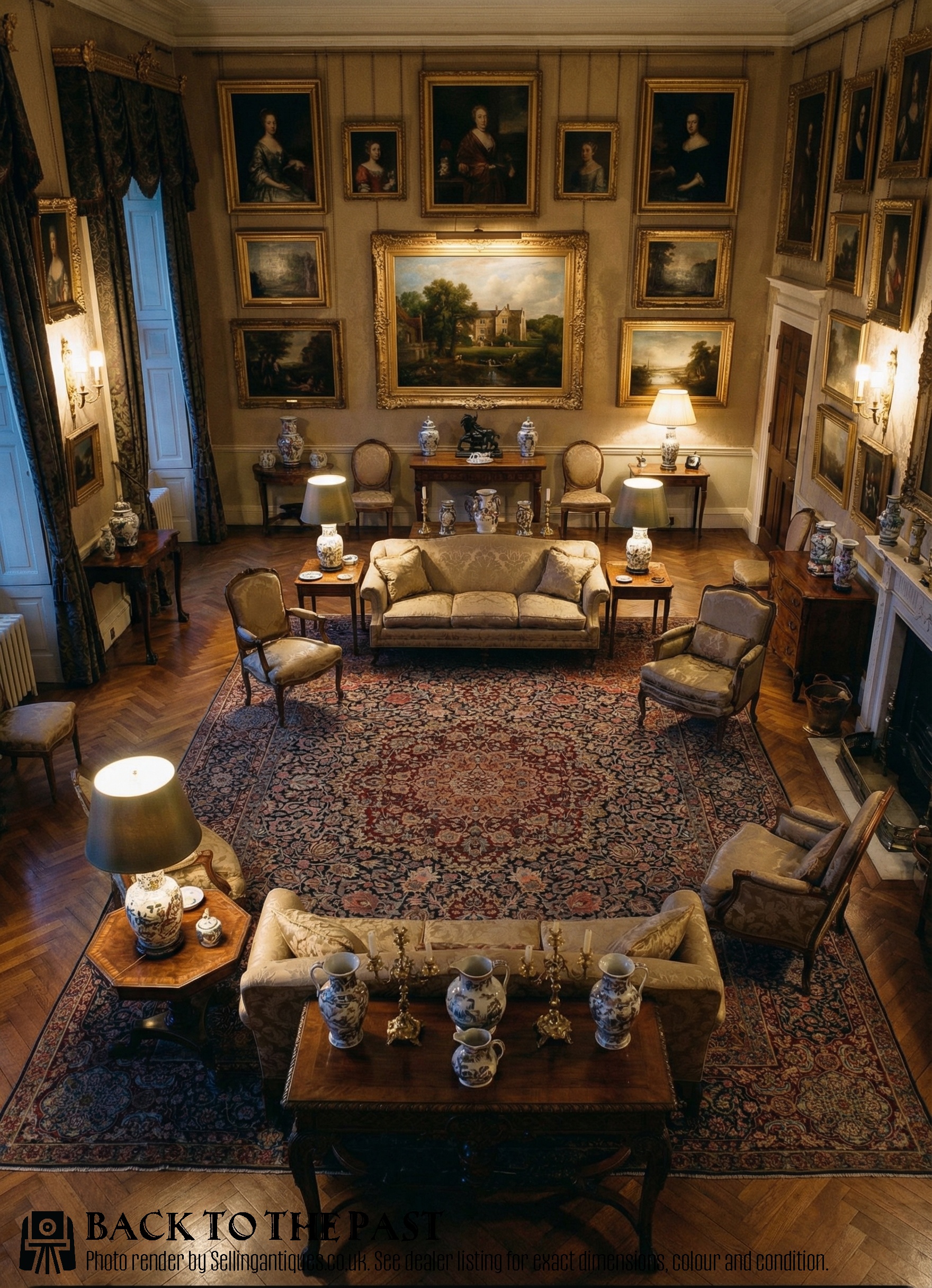
Central Medallion Carpet
The selection ranges from smaller scatter rugs and area rugs to substantial room size carpets and long runner rugs. Styles span traditional Persian, tribal designs, and Oushak or Ziegler interpretations, reflecting diverse regional weaving centres.
How They Were Made
These textiles are constructed primarily from wool, cotton, and occasional silk foundations, with some examples incorporating camel hair. Natural dyeing methods yield the characteristic palette found in these historical rugs and carpets.
Weavers knotted the pile by hand onto sturdy warps and wefts, creating dense structures designed to endure generations of daily use while maintaining intricate medallion details.
Central Medallion Carpet Retail Price Guide 2026
Typical asking prices for central medallion carpet among the pieces listed under this phrase on Sellingantiques today, from the lower quarter to the upper quarter. They describe what is for sale here now, not the wider market.
Several carpets have outlived multiple empires while keeping their central motifs remarkably cheerful.
What Varies in Quality
The fineness of the knot density and the precision of the curvilinear or geometric drawing dictate the refinement of the design. Superior examples display exceptional harmony in their natural colour palettes and skilful execution of the central motif against the background field.
The choice of materials, such as the inclusion of fine silk or high-grade wool, alongside the overall preservation of the pile, distinguishes standard production from exceptional pieces.
The Central Medallion Carpet Glossary
- Medallion
- The central ornamental design motif placed in the middle of the carpet field. It acts as the visual anchor for the entire composition.
- Pile
- The vertical tufts of wool, cotton, or silk that form the soft upper surface of the carpet. This is knotted onto the foundation threads during production.
- Warp
- The longitudinal threads stretched tightly on the loom before knotting begins. The fringe of a finished rug typically consists of these extended warp threads.
- Weft
- The horizontal threads passed alternately over and under the warp threads to secure the rows of knots. It provides structural stability to the carpet body.
Central Medallion Carpet: Frequently Asked Questions
How do I style a central medallion carpet?
Place the rug in a room where the middle of the floor remains unobstructed so the primary motif is fully visible. Arranging furniture around the perimeter allows the central design to function as the visual centrepiece of the space.
Keep surrounding decor complementary to the colours within the field and border to let the craftsmanship stand out without visual competition.
Are these carpets suitable for high traffic areas?
Traditional construction utilising dense wool pile provides natural durability suited for everyday use in living spaces and hallways. Regular rotation helps distribute wear evenly across the surface over time.
Placing a quality underlay beneath the rug prevents slipping and reduces friction between the foundation and the floorboards.
How do I clean an antique carpet?
Gentle surface cleaning and regular low-suction vacuuming without a rotating brush bar remove embedded dust effectively. Professional antique textile cleaning is recommended for deep maintenance to protect fragile natural fibres.
Avoid excessive moisture and harsh chemical treatments which can damage wool, cotton, and silk foundations.
What indicates regional origin?
Specific knotting techniques, colour palettes, and distinct floral or geometric motifs point directly to traditional manufacturing locations such as Isfahan, Tabriz, or Kirman. Stylistic nuances separate village productions from city workshop pieces.
Border arrangements and secondary motifs often confirm whether a piece belongs to Persian, Anatolian, or Tibetan weaving traditions.