



Celtic Knot Silver
These celtic knot silver pieces bring the intricate interlaced work of the Celtic Revival and Arts and Crafts movements straight to your collection.
Celtic Knot Silver
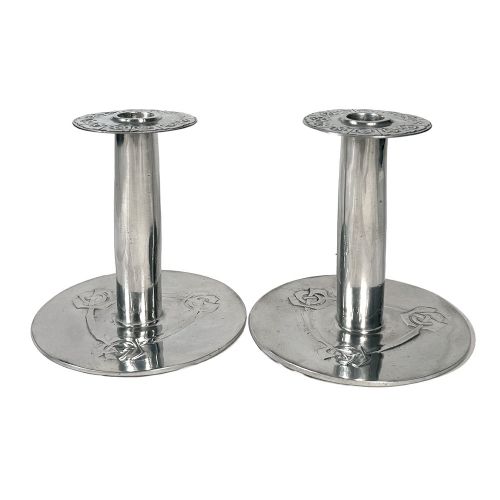
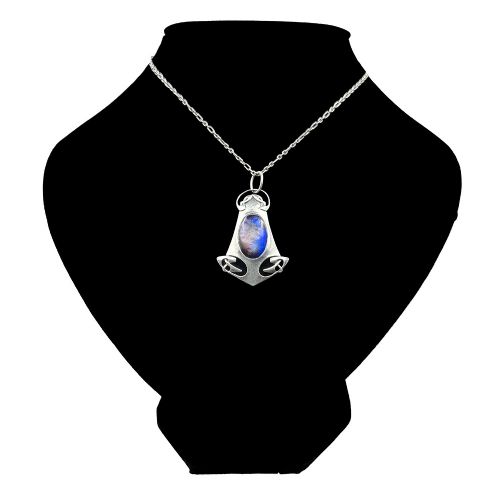
When you search for celtic knot silver, you encounter work deeply rooted in the Arts and Crafts and Celtic Revival styles, predominantly from the Edwardian era and the early decades of the twentieth century. These objects range from delicate pendants and necklaces to functional table items like quaiches, napkin rings, and serving utensils.
The pieces on this page lean heavily toward the output of Liberty & Co and their principal designers, alongside notable contemporaries working in sterling silver and pewter. You will most frequently meet small personal adornments and desk or dining accessories that showcase interlaced ribbon motifs.
Originating largely from British workshops of the nineteen hundreds and nineteen tens, these items reflect a concerted revival of early medieval ornamentation. The designs translate ancient stone carving and manuscript illumination into wearable jewellery and domestic metalwork.
How they were made
Makers shaped sterling silver and pewter using traditional hand-raising, casting, and repoussé techniques, hammering the metal to achieve the desired form before applying surface detail. The intricate knotwork patterns were often etched or pierced directly into the silver plate.
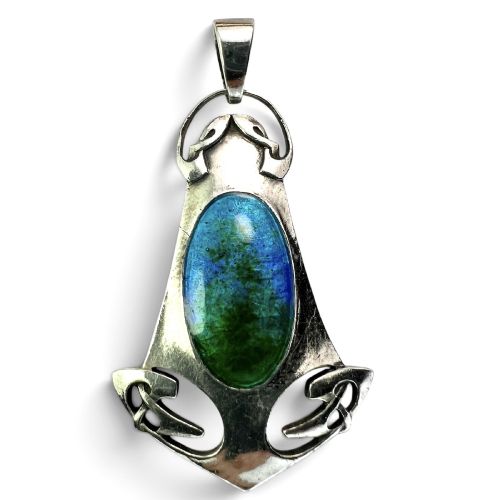
Vitreous enamel in shades of blue and peacock green was frequently fused into recessed cells within the silver or pewter framework to add vibrant colour. Selected items also incorporate organic inserts such as abalone shell, pearl, and gemstones to complement the polished metal.
Celtic Knot Silver Retail Price Guide 2026
Typical asking prices for celtic knot silver among the pieces listed under this phrase on Sellingantiques today, from the lower quarter to the upper quarter. They describe what is for sale here now, not the wider market.
A breakfast suite once served toast beside a silver-plated knot.
What varies in quality
The standard of execution in the chasing and piercing of the silver defines the upper tier of these pieces, where the interlaced lines remain crisp and symmetrical. Lesser examples show softer definition in the stamped or cast knotwork.
The application and preservation of the enamel provide another measure of distinction, with superior work showing even fusion without bubbling or loss. Pieces featuring integrated natural materials like abalone or turquoise matrix stones demand greater precision in setting.
Archibald Knox·Liberty & Co·Murrle Bennett·Oliver Barker·Charles Horner
The Celtic Knot Silver Glossary
- Cymric
- The trade name used by Liberty & Co for their range of silver and enamelled metalwork produced during the early twentieth century. It often featured distinctive Celtic knot motifs and turquoise or blue enamel.
- Tudric
- The trade name applied by Liberty & Co to their line of pewter ware, frequently designed by Archibald Knox. It describes items cast in a lead-tin alloy rather than precious metal.
- Quaiche
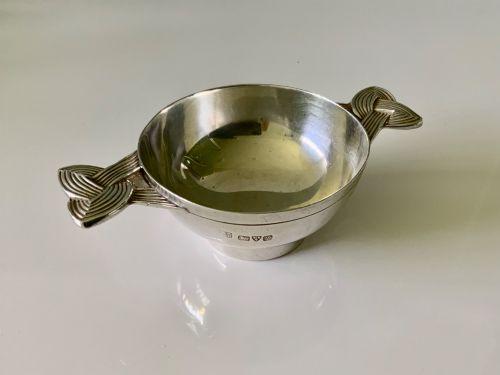
- A traditional two-handled Scottish drinking vessel, translated by Arts and Crafts makers into silver and pewter. These shallow bowls often incorporate Celtic knot handles.
- Repoussé
- A metalworking technique where the artisan hammers the design from the reverse side to form a raised relief on the front. It creates the dimensional texture seen on many of these pieces.
- Vitreous enamel
- Glass powder fused to a metal surface at high temperatures to create a durable, glossy coloured layer. It appears widely in the blues and greens of Arts and Crafts jewellery.
Celtic Knot Silver: Frequently Asked Questions
What is celtic knot silver?
This category encompasses jewellery and decorative metalwork featuring continuous interlaced ribbon patterns inspired by ancient Celtic art. Most examples date from the Arts and Crafts and Celtic Revival periods around the early twentieth century.
Makers utilised sterling silver and pewter, often combining the metalwork with coloured vitreous enamel or semi-precious stones. The resulting objects range from pendants and brooches to tableware.
Who designed these pieces?
A significant portion of these items was designed by Archibald Knox for the London retailer Liberty & Co during the Edwardian era. Other prominent contributors include makers like Murrle Bennett and Charles Horner.
Many pieces reflect the collective output of Arts and Crafts workshops that emphasised hand-craftsmanship and historical motifs. Maker marks stamped on the reverse of the metal usually help identify the origin.
How should I display them?
Pendants and necklaces look effective mounted on display forms or kept flat in shallow glass-topped collector trays where the enamel catches the light. Tableware items such as quaiches and napkin rings suit open wooden shelving or sideboards.
Keep pieces away from direct, strong sunlight to protect coloured enamels and organic shell inlays from potential fading over time. Stable indoor humidity also prevents tarnishing and protects vulnerable mounts.