





Celadon Stone Carving
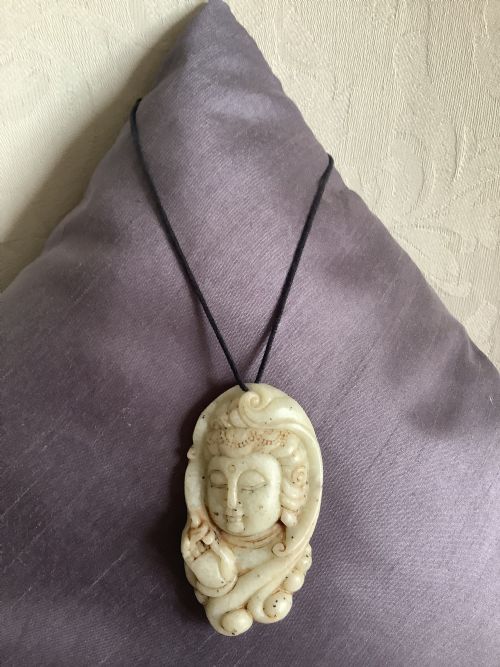
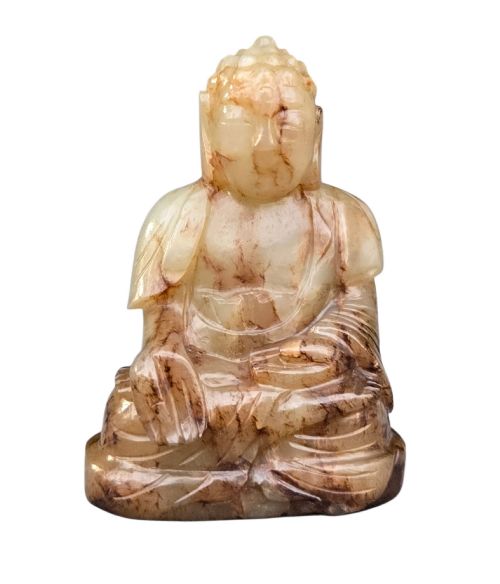
These celadon stone carving works are tactile Chinese jade, hardstone and serpentine sculptures shaped across centuries to display animal, human and landscape forms.
Celadon Stone Carving
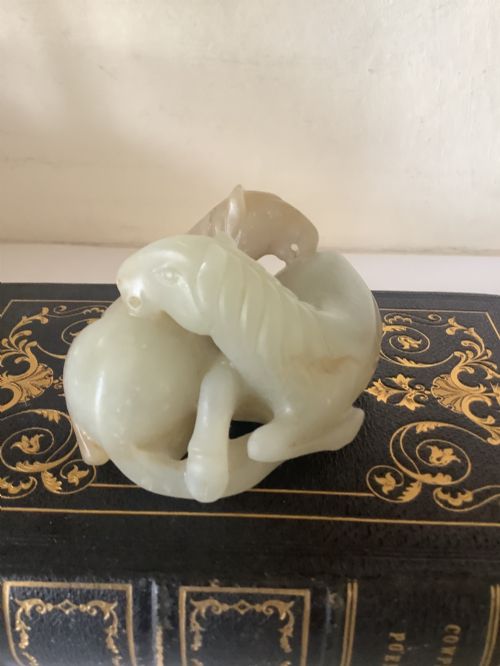
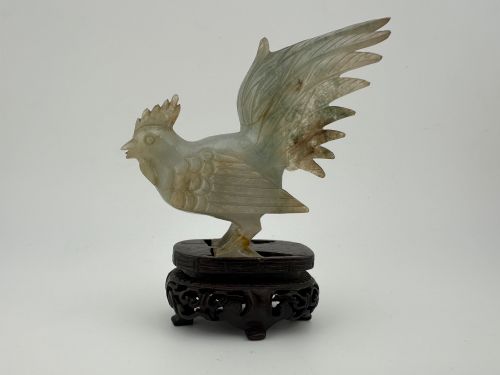
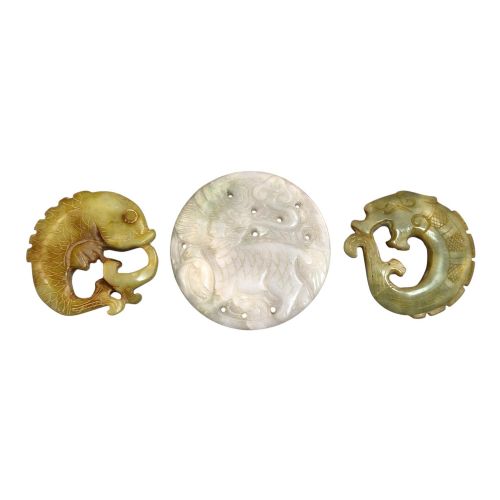
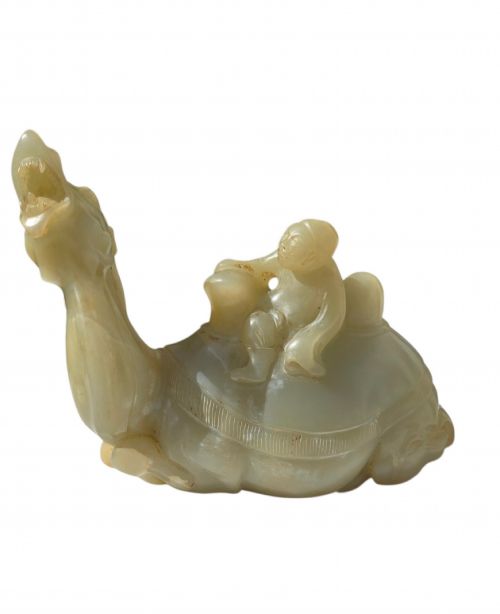
A celadon stone carving brings traditional Chinese subjects into domestic spaces through figures of horses, cockerels, camels, Buddha and deities alongside landscape sculptures and ritual discs. Buyers seeking this phrase encounter pale green jade and hardstone sculptures mounted on fitted hardwood stands for tabletop display.
The selection spans periods from pre sixteenth century Ming dynasties through Qing reigns and the Republic era up to twentieth century decorative objects. Smaller items include amulets, pendants, head rests and miniature fish or boy sculptures while larger works comprise monumental camel groups and jade mountain landscapes.
Evaluating Stone Carving Quality
Quality rests upon the natural translucency and tone of the jade or hardstone matched against the ambition of the composition. Master carvers exploit natural colour variations within a single stone block to define details like horse coats or lotus flowers.
Celadon Stone Carving Retail Price Guide 2026
Typical asking prices for celadon stone carving among the pieces listed under this phrase on Sellingantiques today, from the lower quarter to the upper quarter. They describe what is for sale here now, not the wider market.
One small boy carving holds a tiny bird nest containing an egg, proving that ancient sculptors loved a miniature domestic joke just as much as we do.
The Celadon Stone Carving Glossary
- Celadon
- A term describing pale green jade and hardstone mineral tones found across traditional Chinese carvings. It references the soft sea-green glaze traditions of ancient ceramics.
- Nephrite
- A dense amphibole mineral utilised alongside jadeite for many ancient and imperial Chinese carvings. It yields a tough, fibrous material well suited to intricate sculptural reduction.
- Bowenite
- A hard serpentinite rock variety displaying translucent apple-green or yellow-green qualities. Carvers employ it for substantial sculptural groups and animal figures.
- Bi Disc
- A flat circular jade or stone artefact featuring a circular hole in the centre. These ritual objects carry ancient cosmological significance in Chinese material culture.
- Chilong
- A hornless mythical dragon motif carved in low relief upon archaic and dynastic jade pieces. Artisans use this serpentine creature to frame plaques and ritual vessels.
Celadon Stone Carving: Frequently Asked Questions
How do I care for jade and hardstone?
Protect hardstone carvings by placing them on stable surfaces away from direct sunlight and sudden temperature shifts. Dust the intricate crevices gently with a dry, soft brush rather than using liquid cleaners.
Keep wooden display stands separate from damp environments to prevent wood movement and protect the mineral surface resting upon it.
How can I tell the period of a carving?
Dating relies upon stylistic markers such as the specific depiction of mythological beasts like the Qilin, the handling of drapery on figures, and the overall depth of the undercutting. Material selection and tool marks also offer clues to whether a piece belongs to the Ming, Qing or Republic periods.
Comparing the workmanship of the stone to documented court examples helps clarify the era of production when documentation is absent.
Why are hardwood stands used?
Hardwood stands provide a stable base for heavy mineral sculptures and elevate the artwork for display. Each stand is individually carved to match the irregular bottom contours of the specific stone piece.
This tradition enhances the visual balance of the sculpture while protecting both the furniture surface and the mineral base from direct friction.