






Celadon Glazed Ceramic
These celadon glazed ceramic pieces offer subtle green tones and tactile surfaces that bring ancient traditions into modern rooms.
Celadon Glazed Ceramic
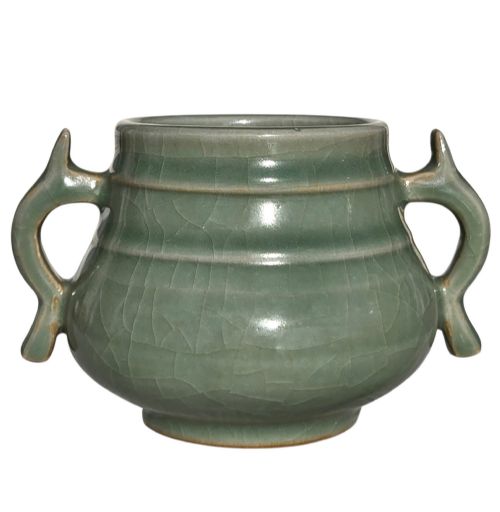
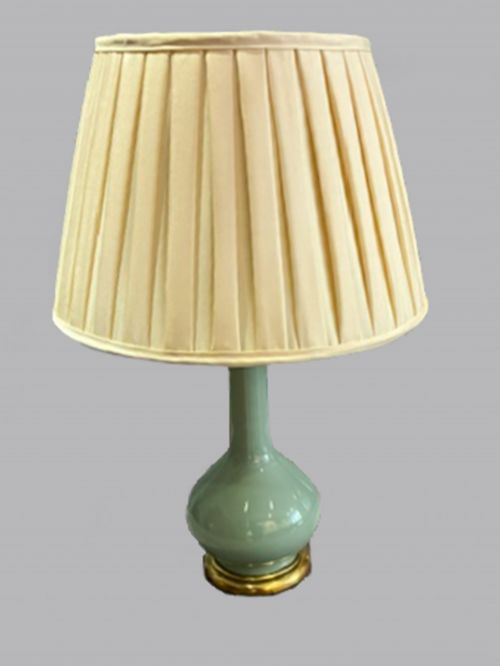
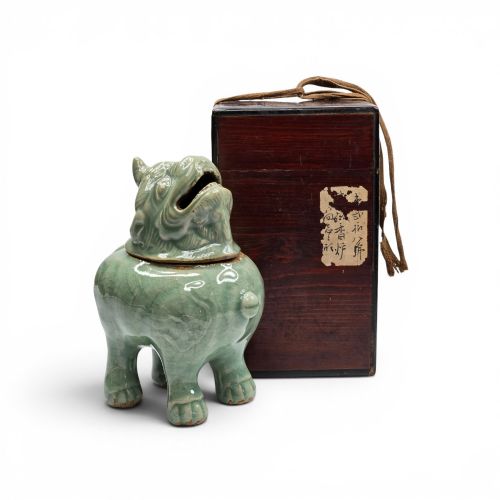
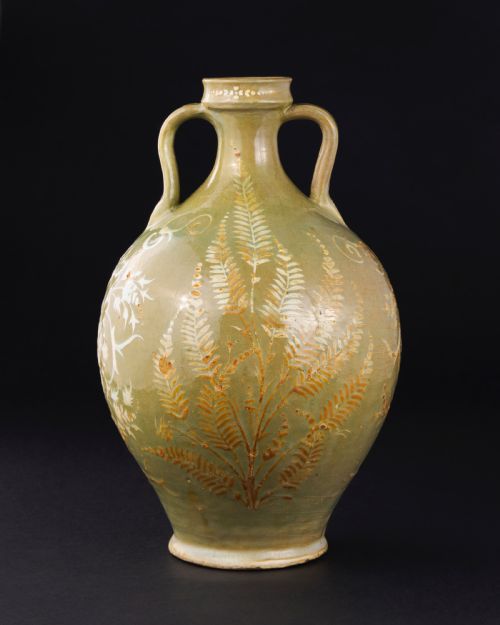
When buyers search for celadon glazed ceramic, they encounter objects spanning centuries of Asian, European, and Middle Eastern production. These items include utilitarian vessels, incense burners, decorative dishes, and table lamps adapted from earlier forms.
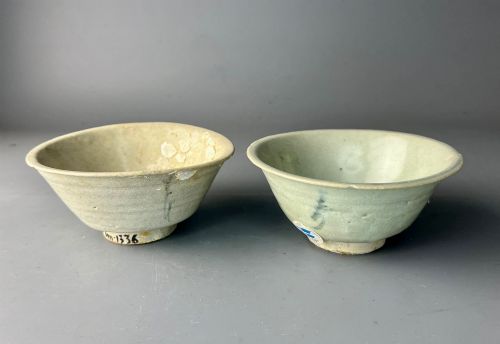
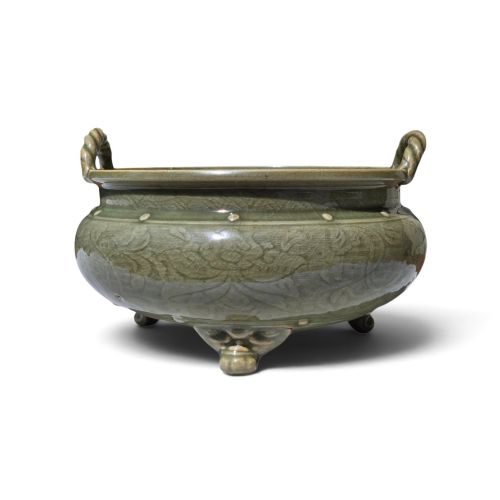
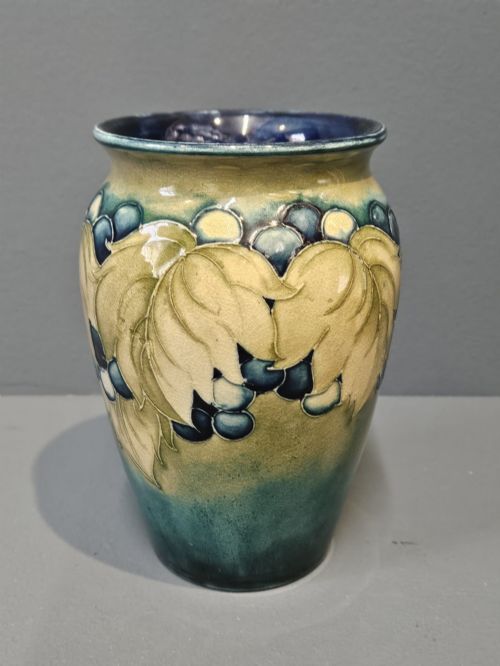
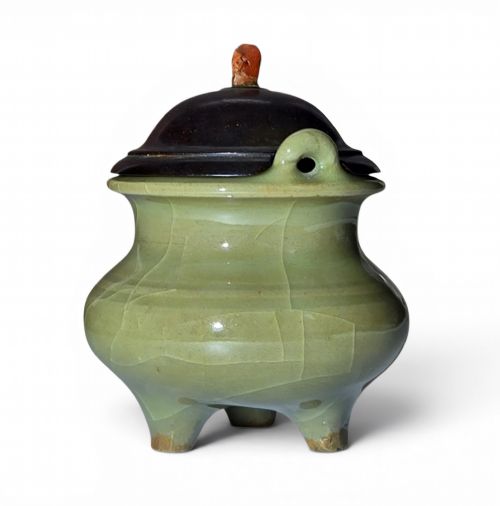
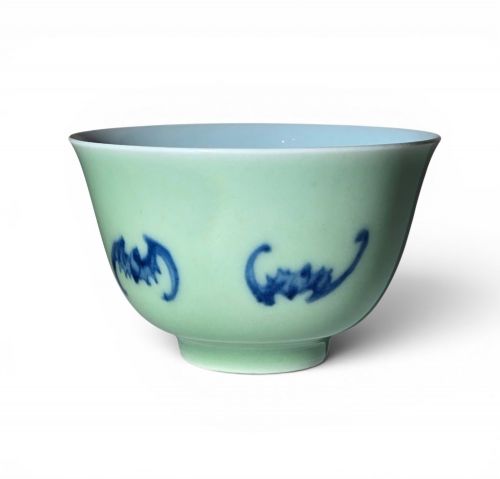
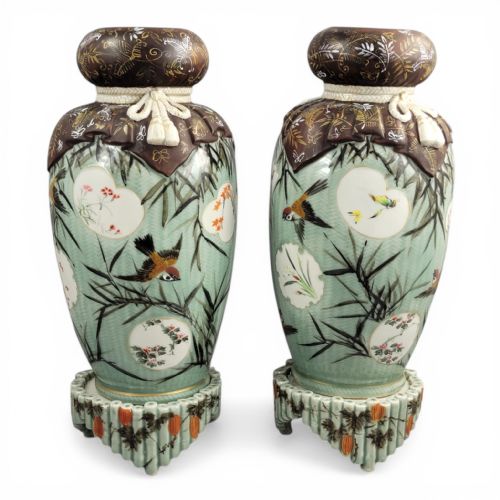
The pieces most commonly met on this page originate from Chinese dynasties such as the Song, Ming, and Qing, alongside Japanese kilns, Safavid Persia, and nineteenth-century European makers like Minton. Forms range from monumental tripod censers and bottle vases to foliate-rim bowls and twin fish dishes.
Collectors study these works for their connection to long-standing ceramic traditions, noting how specific glazes evolved across generations. The inventory moves between ancient ritual objects and later decorative items designed for export or domestic interiors.
Materials and technique
Potters created these works using porcelain, stoneware, or earthenware bodies covered in a distinctive iron-rich glaze. Firing in a reduction atmosphere caused the iron oxide to react with heat, producing characteristic green, grey-green, or pale blue-green hues.
Makers shaped pieces through wheel-throwing, moulding, or hand-building before applying carved or moulded decorative motifs beneath the glaze. Specialised kilns, such as those at Longquan, achieved depth and translucency through multiple layers of glaze applied to the clay body.
Celadon Glazed Ceramic Retail Price Guide 2026
Typical asking prices for celadon glazed ceramic among the pieces listed under this phrase on Sellingantiques today, from the lower quarter to the upper quarter. They describe what is for sale here now, not the wider market.
Listings feature materials including stoneware, porcelain, earthenware, and brass across periods from the Song Dynasty to the twentieth century.
Evaluating quality
Quality rests in the harmony between the glaze depth, the crispness of the moulded or carved decoration underneath, and the balance of the overall form. Superior examples display an even, lustrous surface tone with subtle variations that catch the light without appearing dull.
The refinement of the clay body and the precision of the potting further distinguish the work, separating standard production wares from pieces made for imperial courts or high-ranking patrons.
Makuzu Kozan·Kato Sanhei·Minton
The Celadon Glazed Ceramic Glossary
- Celadon glaze
- A transparent glaze containing iron oxide that fires to various shades of green, grey, and blue-green. It derives its colour from chemical reactions inside a reduction kiln.
- Longquan
- A major ceramic production centre in Zhejiang province, China, famous for producing thick, jade-like green glazed stonewares over many centuries.
- Tripod censer
- A three-legged ritual vessel used for burning incense, often modelled after ancient bronze shapes in Song and Ming dynasties.
- Crackle glaze
- A network of fine fissures deliberately produced in the ceramic surface during cooling, highly prized in Guan and Ge types.
- Foliate rim
- An edge shaped to resemble a flower petal or leaf, commonly found on bowls and dishes from various periods.
Celadon Glazed Ceramic: Frequently Asked Questions
What is celadon glazed ceramic?
It refers to pottery and porcelain covered in a jade-green glaze achieved through iron firing.
The tradition spans Chinese dynasties, Japanese kilns, and European factories over many centuries.
How were these pieces used?
Many served practical roles as bowls, dishes, and jars for food, storage, or display.
Others held ritual significance as incense burners in temples, scholars' desks, or domestic shrines.
How do I live with them?
Their neutral green tones complement both modern minimalist interiors and traditional room schemes.
Display them on shelves or tables where natural light can illuminate the subtle variations in the glaze.
How do I tell periods apart?
Dating relies on examining the clay body, the weight of the piece, and the specific tone of the green glaze.
Carved motifs, reign marks, and potting styles also provide clues to whether a piece belongs to the Song, Ming, Qing, or a later period.