

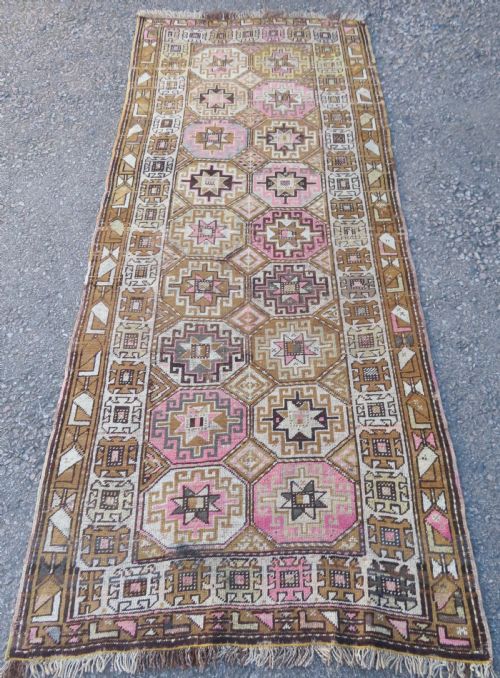
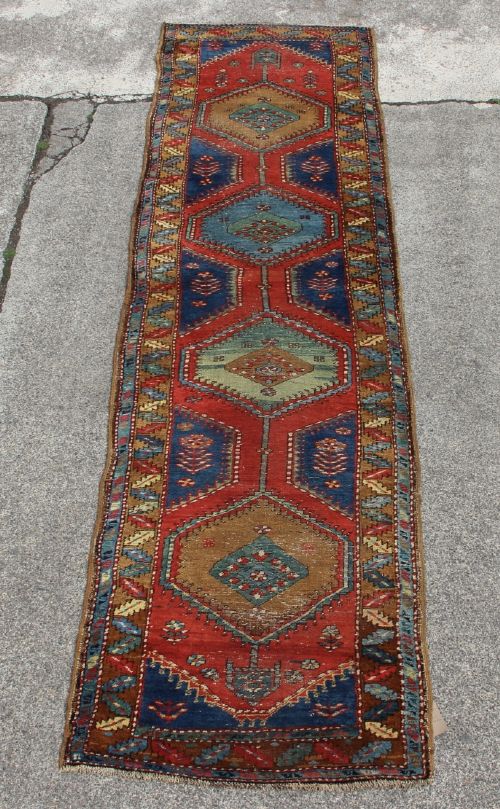
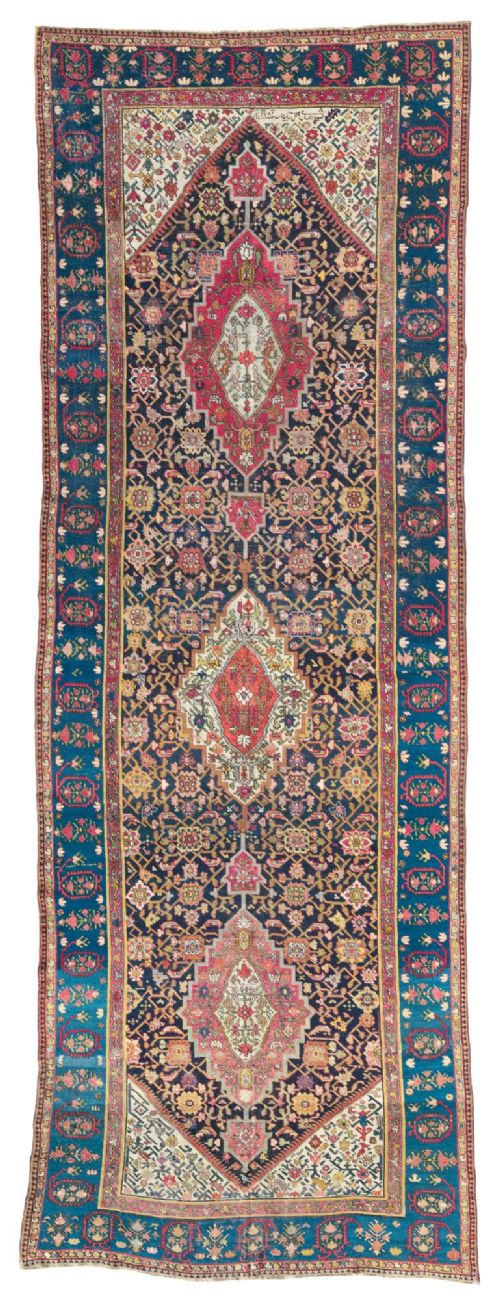
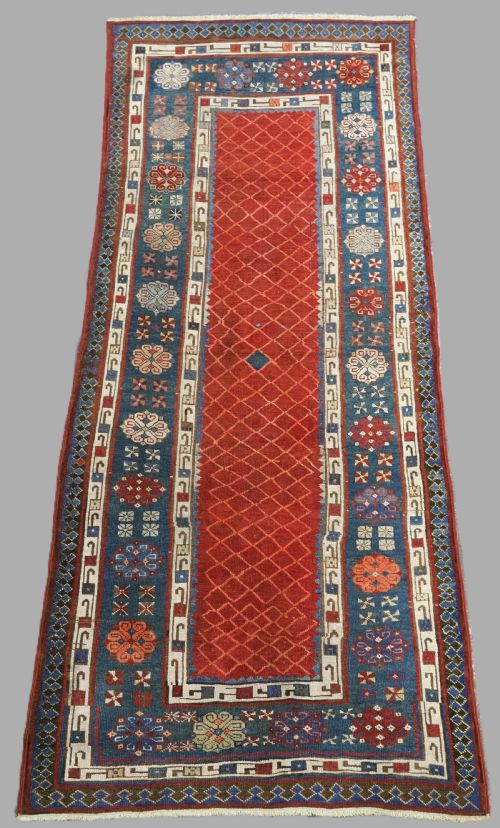

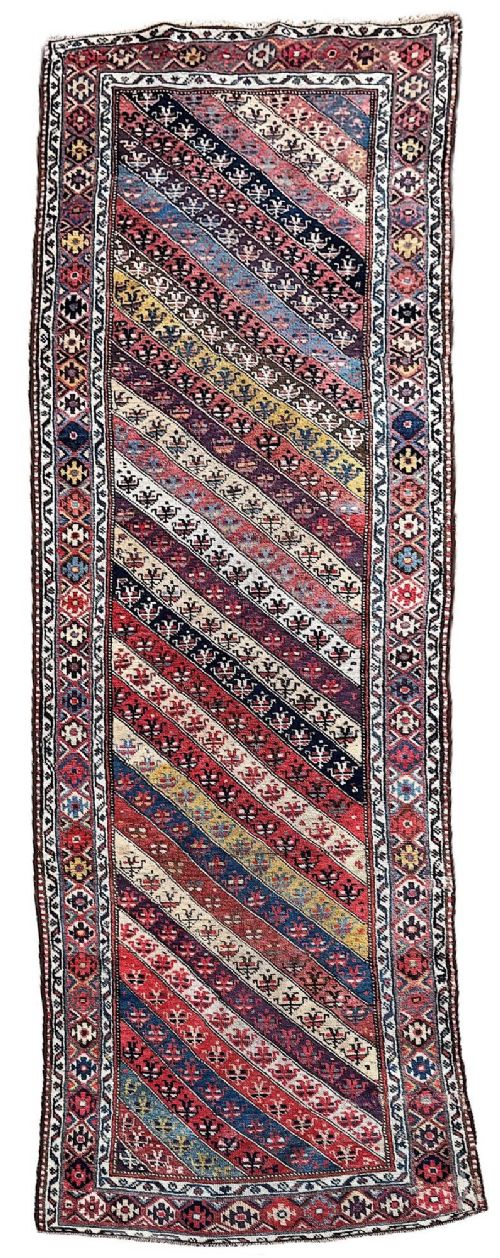
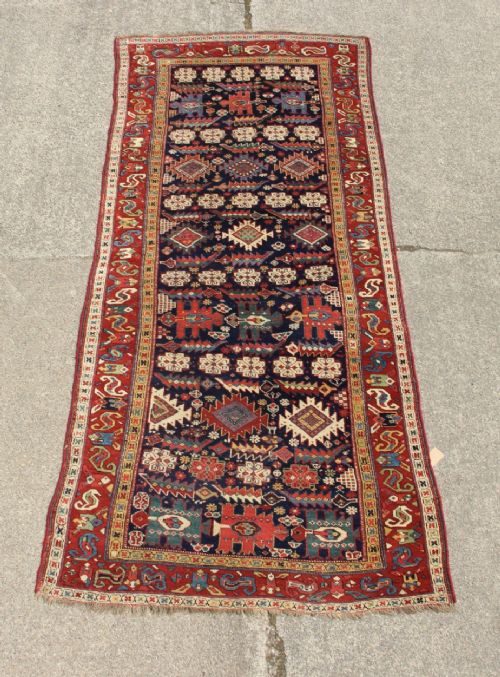

Caucasian Long Rug
A caucasian long rug brings centuries of tribal artistry into a hallway or narrow room with its striking geometric patterns and rich wool pile.
Caucasian Long Rug
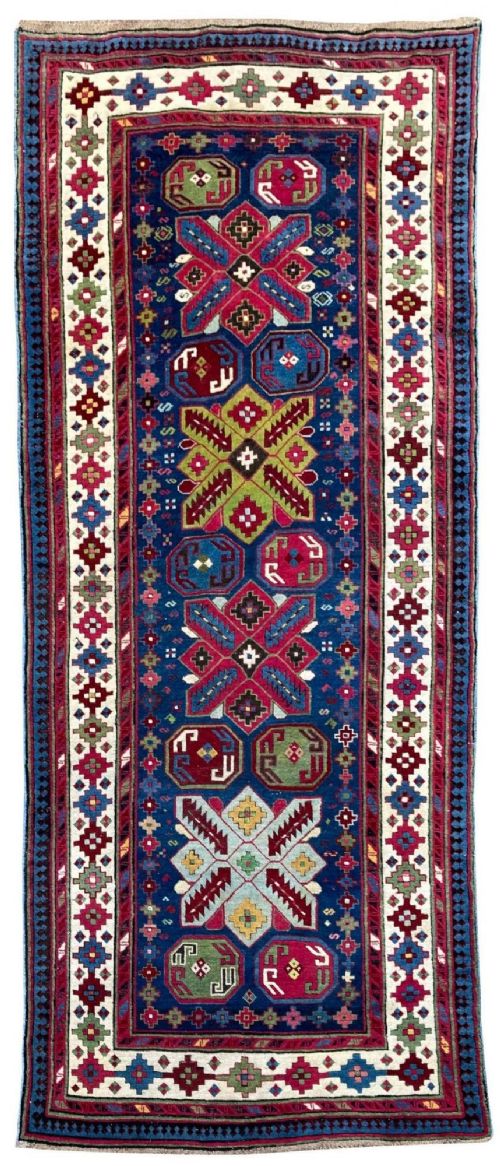
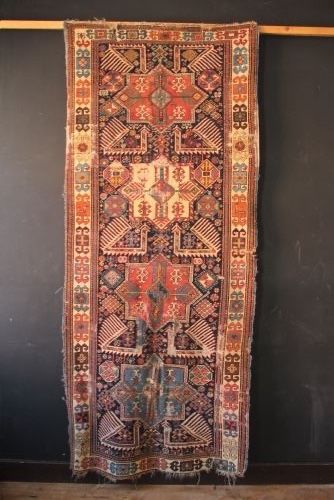
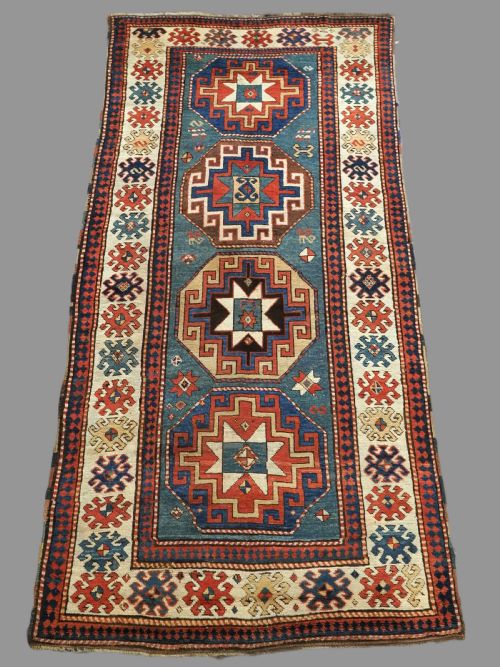
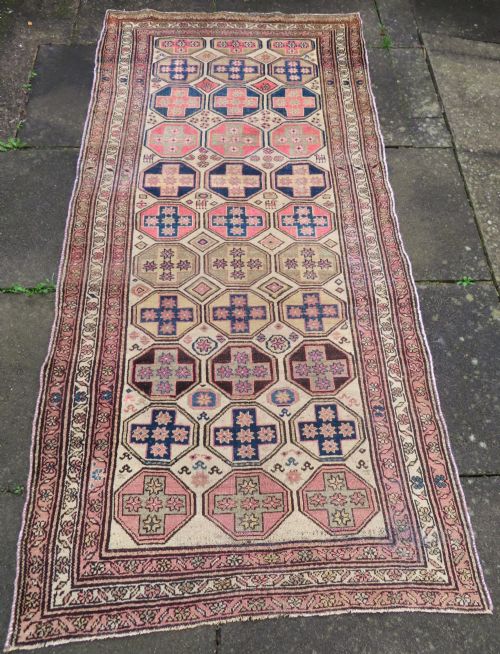
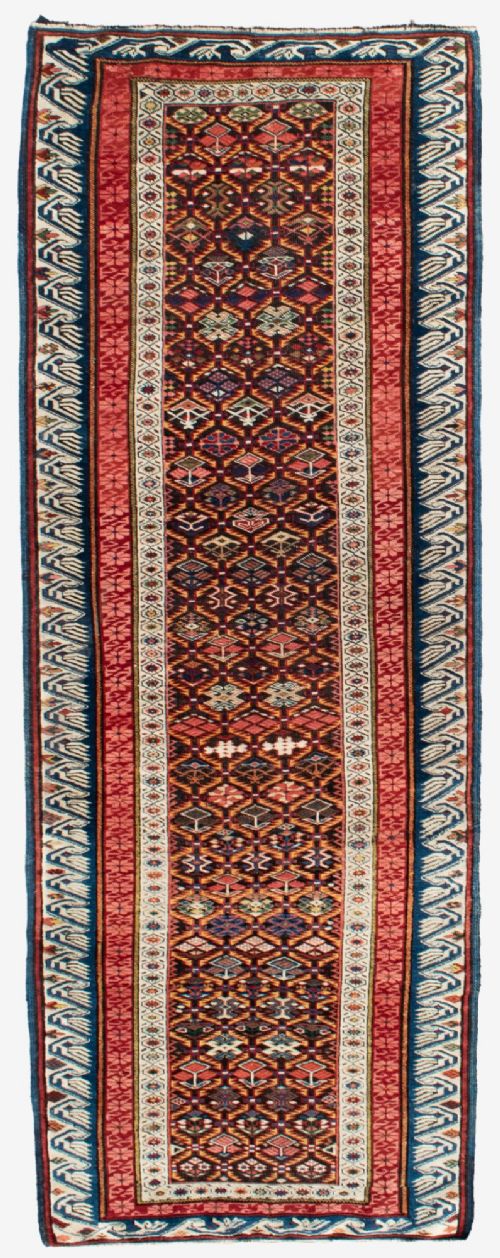
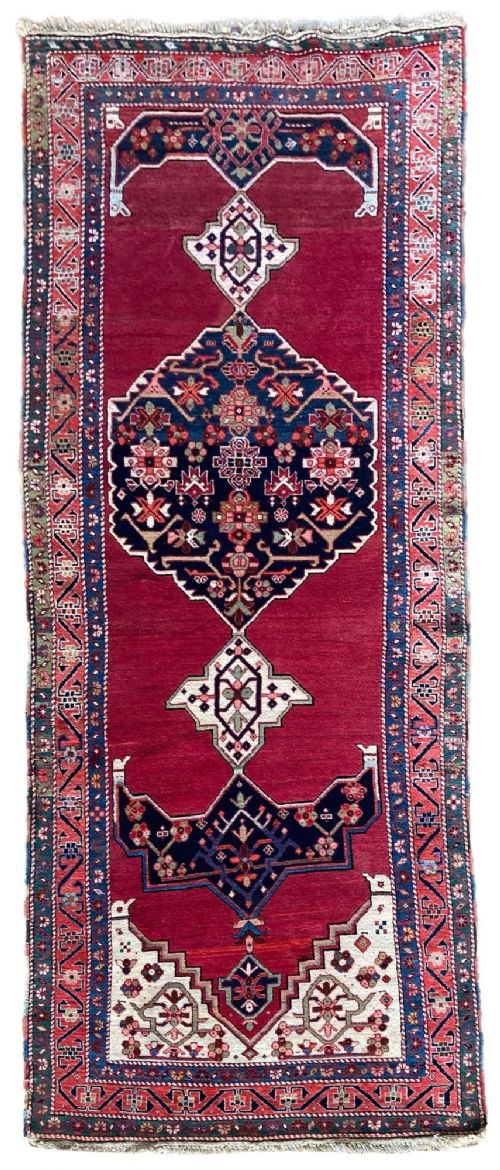
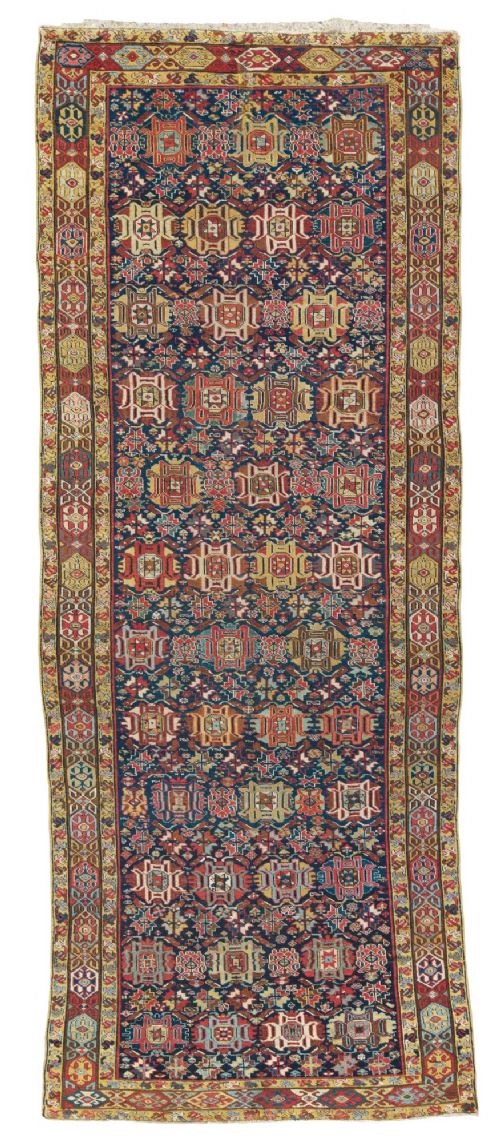
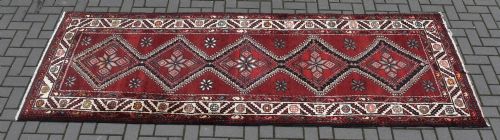
A caucasian long rug is a narrow floor covering woven by tribal and village makers in the Caucasus region during the nineteenth and early twentieth centuries. These pieces function as runners and long carpets, designed specifically for corridors, halls, and narrow spaces where standard square formats do not fit.
The format typically displays an elongated rectangular field flanked by intricate borders, featuring traditional motifs such as lattice designs, medallions, boteh, and star patterns. Examples range from structured Talish and Shirvan weaves to bolder Kazak and Karabagh productions.
Most pieces seen here date from the 1850s up to the 1920s, representing a period of traditional village craftsmanship before modern commercial production altered the trade. Buyers select them for their authentic tribal character and historical depth.
How they were made
Weavers constructed these textiles primarily using wool for the soft pile and foundation, occasionally incorporating cotton foundations in specific regional workshops. Natural dyes provided the characteristic deep blue grounds, reds, and contrasting tones that maintain their vibrancy over generations.
The technique relies on hand knotting the pile onto vertical looms, creating a dense and durable surface capable of withstanding heavy hallway traffic. Detail work such as geometric lattices and pictorial elements were rendered straight from memory by skilled tribal makers.
Caucasian Long Rug Retail Price Guide 2026
Typical asking prices for caucasian long rug among the pieces listed under this phrase on Sellingantiques today, from the lower quarter to the upper quarter. They describe what is for sale here now, not the wider market.
Listings feature pieces spanning from the mid-nineteenth century up to the 1920s, constructed from wool, cotton, and camel hair.
What varies in quality
Quality in a caucasian long rug rests on the tightness of the weave and the precision of the geometric layout. Finer examples exhibit a lower knot count per square inch paired with crisp, well-defined motifs that demonstrate exceptional control over the loom.
The condition of the wool pile and the clarity of the natural dyes heavily influence the desirability of a piece. Retaining a full, glossy pile alongside balanced colour variation elevates the visual impact of the runner significantly.
The Caucasian Long Rug Glossary
- Talish
- A specific regional style of caucasian long rug known for its narrow proportions and open coloured field, often featuring a blue ground.
- Boteh
- A traditional teardrop or paisley motif representing a floral sprout or cypress tree, frequently repeated across the field.
- Kelleh
- A large format carpet or long rug traditionally proportioned longer than a standard rug but wider than a narrow corridor runner.
- Abrash
- A natural variation in rug colour caused by subtle shifts in dye batches or handspun wool lots over the length of the weave.
- Kazak
- A robust style of tribal weaving originating from the Caucasus, recognised for bold geometric medallions and saturated primary colours.
Caucasian Long Rug: Frequently Asked Questions
Where should I place a long rug?
These narrow formats suit hallways, corridors, and galleys where floor space is restricted yet demands a strong visual anchor. They also work effectively alongside long furniture pieces in living rooms or bedrooms.
Ensure you measure the walkway carefully and leave a uniform border of exposed flooring around the edges to let the geometric design breathe.
How do I care for antique wool runners?
Regular gentle vacuuming without a rotating brush roll prevents dust accumulation within the dense wool pile. Professional cleaning by specialists in antique textiles ensures the natural dyes remain stable.
Keep the rug out of direct, harsh sunlight to protect the traditional colours from fading prematurely over the years.
How do I identify a Talish rug?
Talish pieces are distinguished by their notably narrow width relative to their length, creating a slender format ideal for corridors. Their fields often feature a clean open ground in blue or red, accented by simple star or lattice borders.
Check the structure for fine knotting and regional motifs that set them apart from broader Kazak or Karabagh weaves.
What is a Kelleh rug?
A Kelleh is a grand format that sits between a standard rug and a full carpet, offering an elongated rectangular shape. They were traditionally woven for specific domestic layouts in the Caucasus and Persia.
These substantial pieces provide a commanding presence in large rooms or wide gallery spaces compared to standard narrow runners.