


Cast Stone Sculpture
Cast stone sculpture brings classical form and weathered charm to garden and interior spaces through durable moulded aggregates.
Cast Stone Sculpture
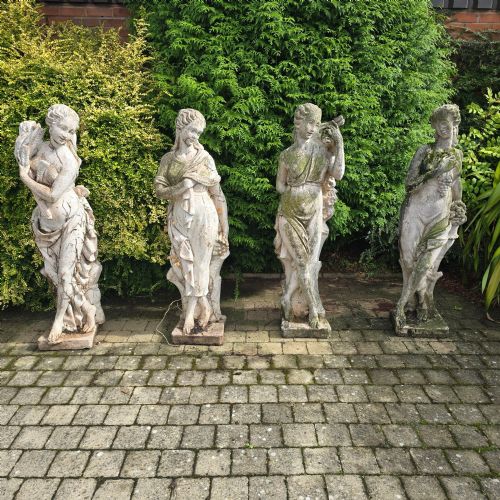
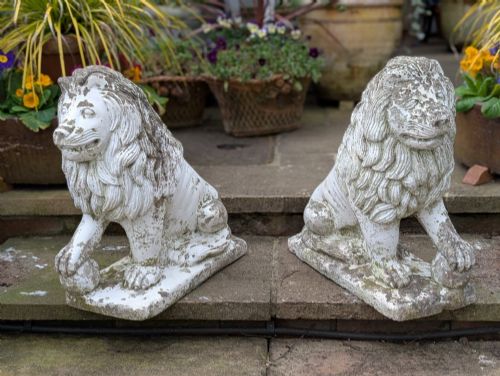
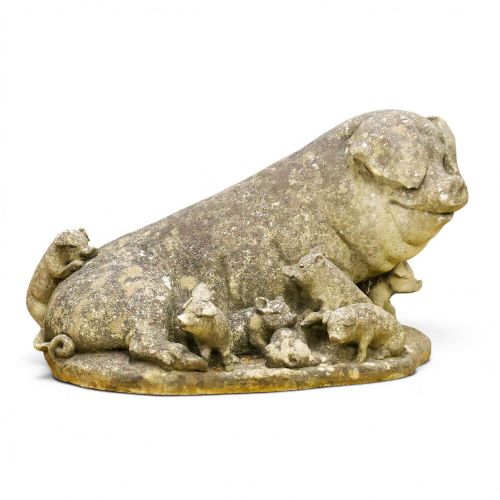
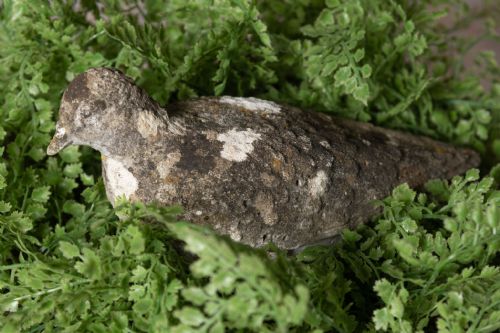
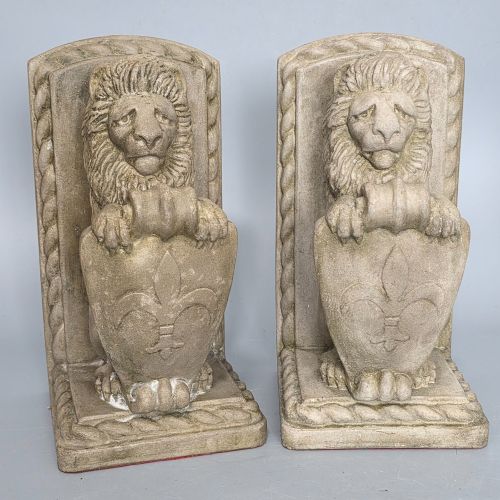
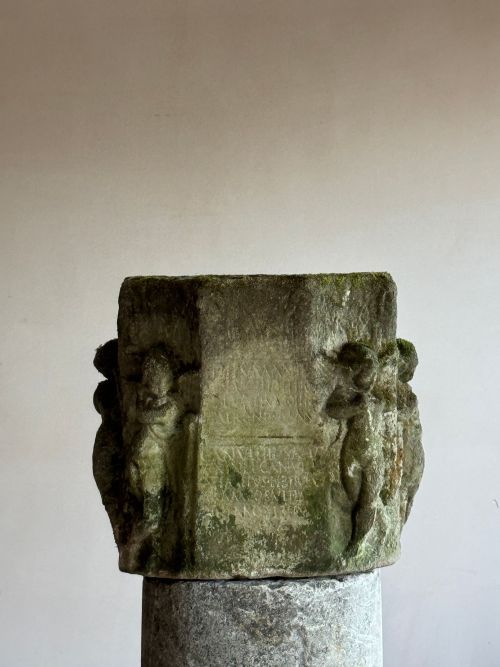
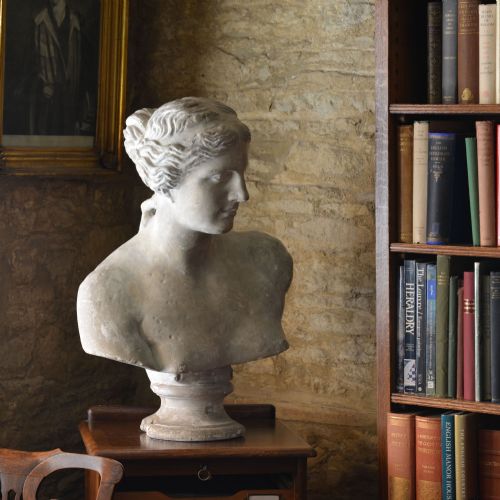
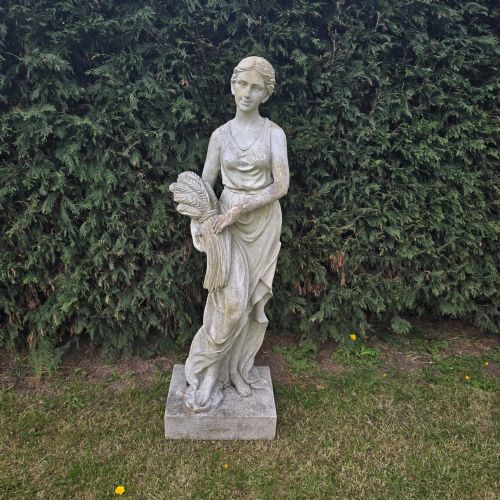
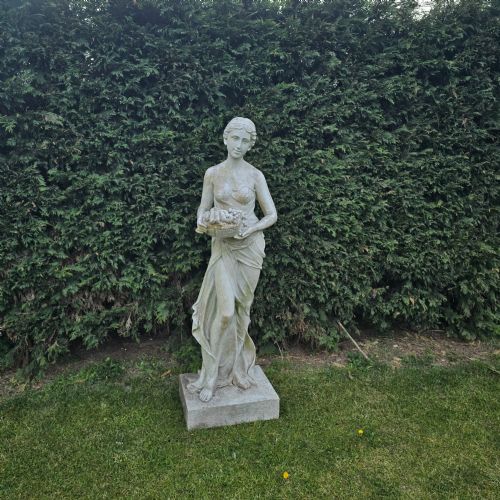
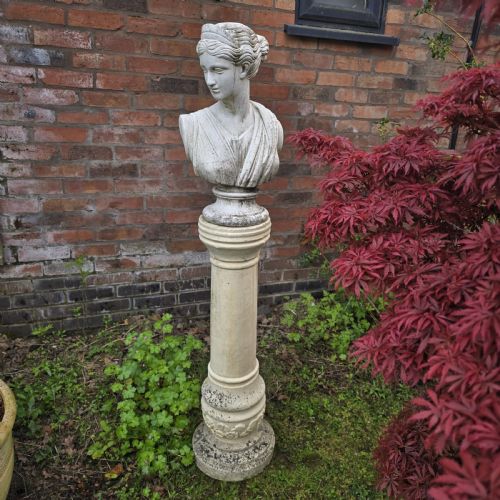
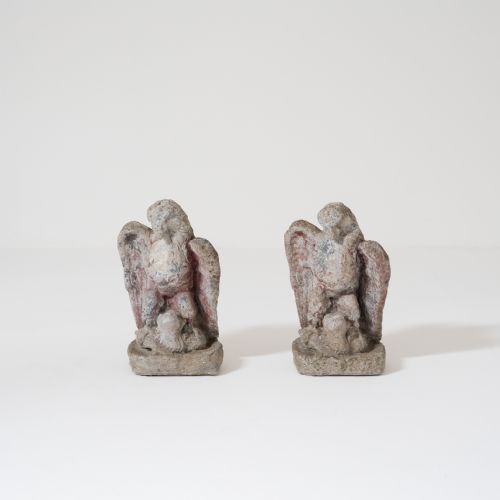
Pieces frequently reflect classical revival, neoclassical, and English country house aesthetics. You will regularly find life sized figures, busts on plinths, and animal figures such as pigs, eagles, and pigeons alongside smaller items like bookends and wall plaques.
Materials and construction
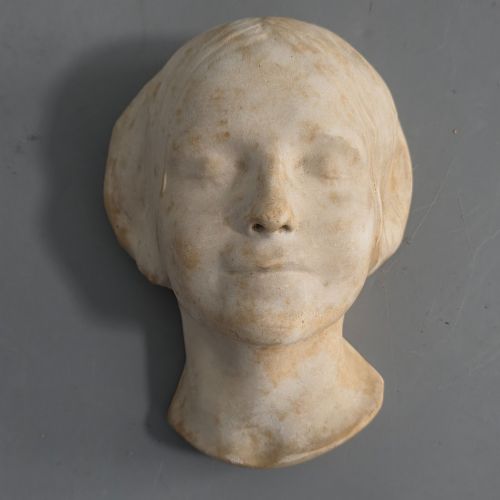
These works are formed using aggregate materials such as cast stone, reconstituted stone, composition stone, concrete, and stoneware, often shaped into moulds. Plaster, marble dust, paint, and alabaster also appear among the material options for indoor busts, masks, and reliefs.
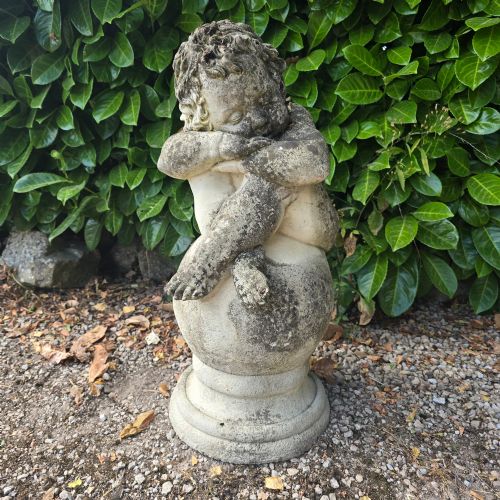
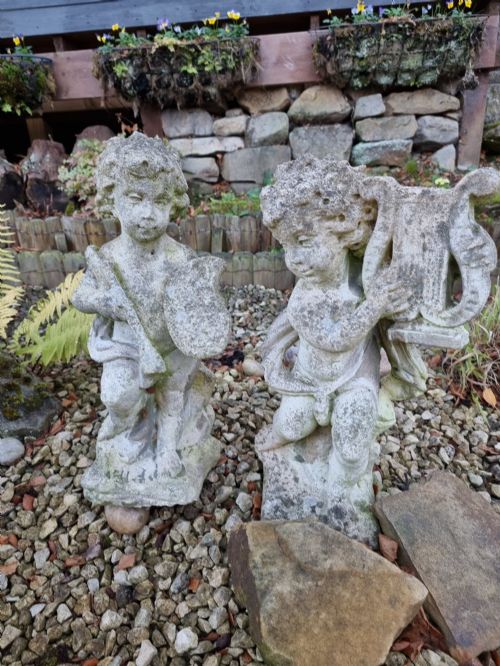
Moulding techniques allow artisans to capture intricate details from classical and Renaissance models, producing durable garden statuary that weathers naturally outdoors. Surface finishes range from original flaky paint to natural stone patination developed over decades.
Styles represented include neoclassical, English country house, and Renaissance revival, taking the form of garden animals, busts, and architectural plaques.
Assessing quality and character
The balance of proportions and the stability of the stance or plinth separate standard yard ornaments from superior artistic interpretations. Surface patination achieved through age adds depth to the material, distinguishing genuine weathering from artificial distressing.
The Cast Stone Sculpture Glossary
- Cast stone
- A refined building product manufactured from Portland cement, graded aggregates, and colourants to simulate natural cut stone. It provides a durable medium for garden statuary and architectural ornaments.
- Reconstituted stone
- A manufactured material composed of crushed natural stone bound together with a matrix, often utilised for garden statues and architectural details. It mimics the appearance and weight of quarried stone.
- Neoclassical
- A style inspired by the classical art and architecture of ancient Greece and Rome, prominent in nineteenth and twentieth century garden figures. It emphasises symmetry, dignity, and classical drapery.
- Plinth
- A heavy base or pedestal supporting a statue, bust, or urn. It elevates the sculpture and provides structural stability.
- Composition stone
- A composite material moulded to replicate carved stone forms, frequently used for large garden ornaments and eagles. It combines strength with detailed surface rendering.
Cast Stone Sculpture: Frequently Asked Questions
Are cast stone sculptures frost resistant?
Most pieces made from cast stone, reconstituted stone, and concrete withstand outdoor weathering well. However, severe frost can affect pieces with retained moisture or those made from softer materials like plaster.
Protecting vulnerable or delicate items during extreme winter conditions preserves the surface integrity and prevents cracking.
How should I clean weathered garden statuary?
Gentle washing with water and a soft brush removes dirt and organic growth without damaging the aged surface patination. Avoid harsh chemical cleaners or pressure washers that strip away historic paint or erode the aggregate.
Allowing natural weathering to continue often enhances the visual appeal of garden ornaments and stone figures.
Can these sculptures remain outdoors year round?
Stoneware, cast stone, and composition stone figures suit permanent outdoor placement in gardens and courtyards. Placing them on stable plinths prevents ground moisture from rising directly into the base of the sculpture.
Indoor pieces, particularly those made from plaster or alabaster, require sheltered interior environments away from dampness.
How do I identify the period of a piece?
Stylistic cues such as neoclassical proportions, Edwardian forms, or mid twentieth century casting methods help narrow down the date of creation. Surface treatments like original flaky paint and deep weathering provide additional clues regarding age.
Comparing the manufacturing medium, such as early twentieth century stoneware versus later cast aggregates, offers further historical context.