





Cast Plaster Bust
These cast plaster bust pieces bring classical presence and sculptural depth to a room, offering the timeless dignity of historical figures and classical forms.
Cast Plaster Bust
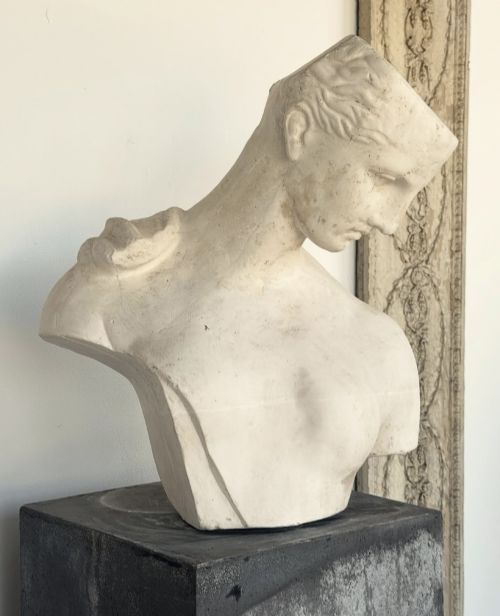
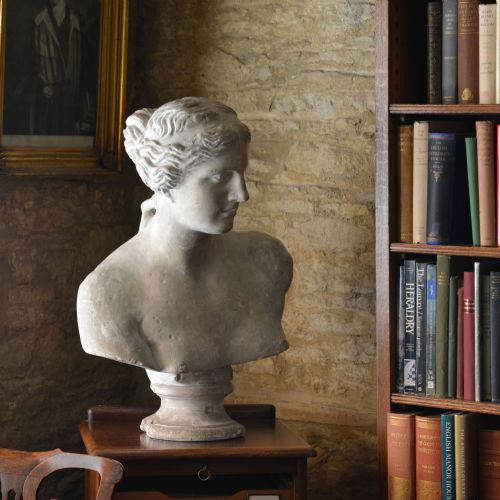
A cast plaster bust represents classical figures, historical personalities, and literary icons rendered in solid form. When you search for a cast plaster bust, you encounter works spanning from the nineteenth century into the twentieth century, capturing subjects like Beethoven, Napoleon, Venus de Milo, and Homer.
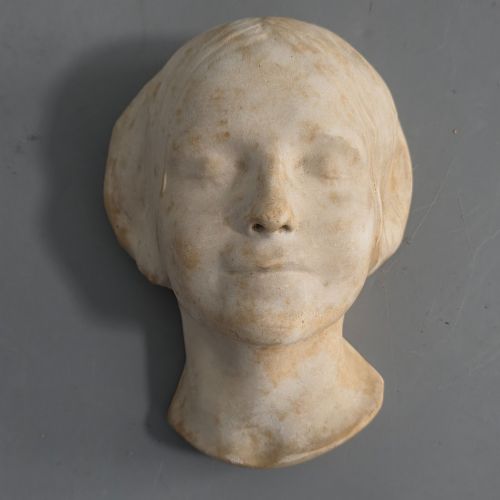
The pieces on this page lean heavily towards nineteenth-century interpretations and early twentieth-century examples, including Neoclassical, Classical Revival, and Art Deco Era pieces. Forms range from library busts and herm studies to death masks and specific anatomical details such as Michelangelo's eye of David.
Origin points across the selection include French, Austrian, and classical-style British or European workshops. Collectors find both life-size library pieces and smaller decorative studies, each translating monumental sculpture into an interior scale.
Materials and methods
Surfaces receive careful finish work, utilising applied paint or patination to emulate bronze, terracotta, or aged stone. Early pieces often show patinated plaster or painted surfaces that develop a characteristic matte texture over time.
Cast Plaster Bust Retail Price Guide 2026
Typical asking prices for cast plaster bust among the pieces listed under this phrase on Sellingantiques today, from the lower quarter to the upper quarter. They describe what is for sale here now, not the wider market.
The listings show materials spanning plain plaster, gypsum, alabaster stone, terracotta, and patinated or painted surfaces.
Assessing quality
The handling of the surface finish dictates visual depth, where skilled patination or original paint application creates subtle tonal variations rather than a flat, uniform coat.
The Cast Plaster Bust Glossary
- Plaster
- A building and casting material made from gypsum, valued for its ability to capture intricate mould details. It sets hard and provides a smooth surface for painting or patination.
- Patinated plaster
- Plaster treated with surface coatings to simulate aged materials such as bronze or terracotta. This technique adds depth and historical character to the sculpture.
- Herm
- A classical bust supported on a square pillar that tapers towards the base. This format originates from ancient boundary markers and remains popular in library studies.
- Death mask
- A cast taken from the face of a deceased person, often used by artists as a basis for portraiture. Famous examples, such as the L'inconnue de la Seine, are frequently reproduced in plaster.
Cast Plaster Bust: Frequently Asked Questions
How do I clean a plaster bust?
Dusting gently with a soft, dry brush is the best method for maintaining plaster surfaces. Avoid water or liquid cleaners, which can dissolve the plaster or damage painted and patinated finishes.
Keep pieces away from damp areas and direct sunlight to preserve the integrity of the material over time.
Are these pieces heavy?
Most substantial library busts have significant weight due to solid plaster or gypsum construction. Larger examples require sturdy shelving or dedicated pedestals for safe display.
Smaller studies and mask casts are lighter but still benefit from secure placement away from table edges.
How do I date a plaster bust?
Dating relies on examining the surface patina, the type of paint used, and the style of the mounting or base. Nineteenth-century pieces often display specific wear patterns and historical subject matter.
Comparing the casting sharpness to known period examples helps determine whether a piece originates from the nineteenth or early twentieth century.