



Cast Metal Stop
A cast metal stop holds your heavy doors open with authority, bringing robust weight and character to any room.
Cast Metal Stop
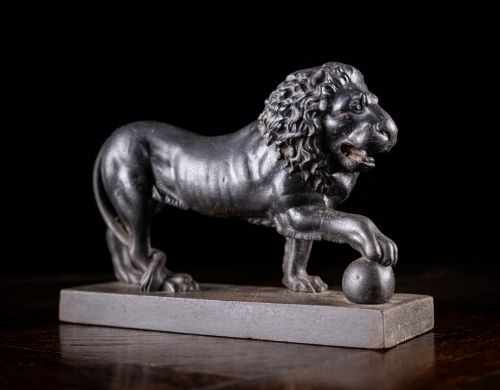
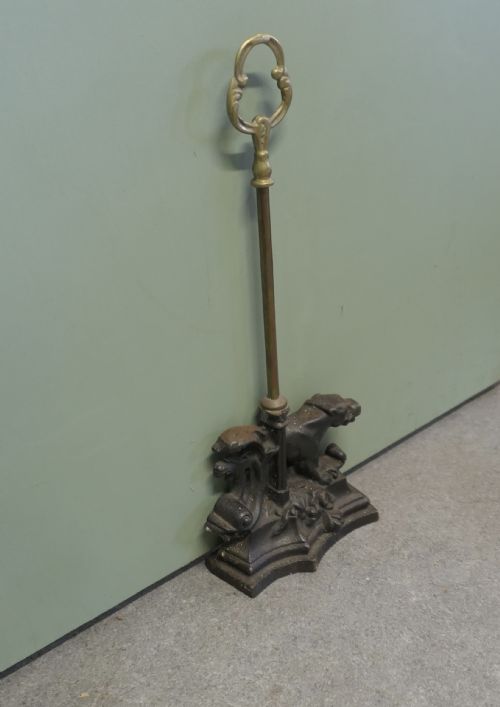
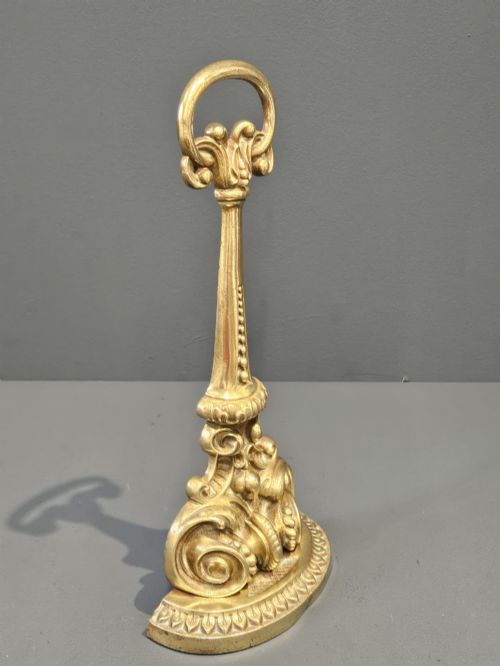
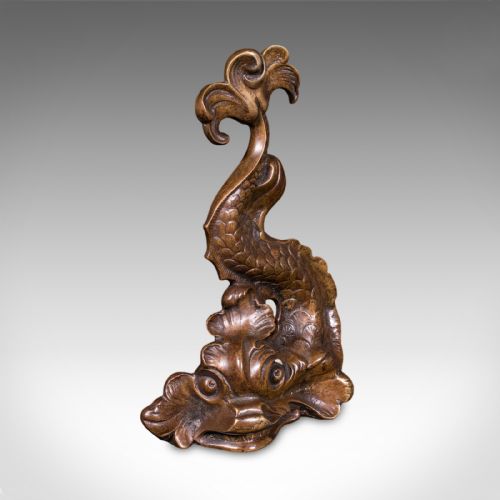
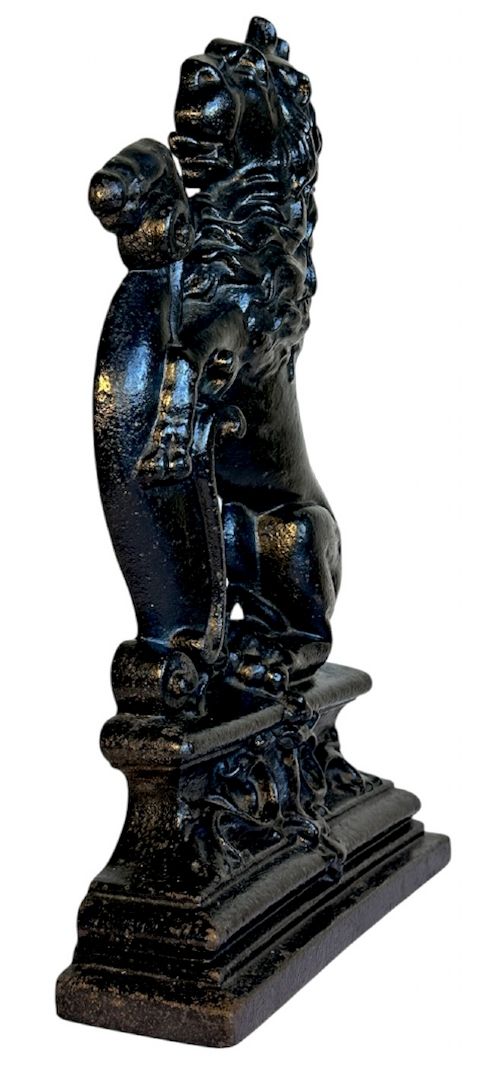
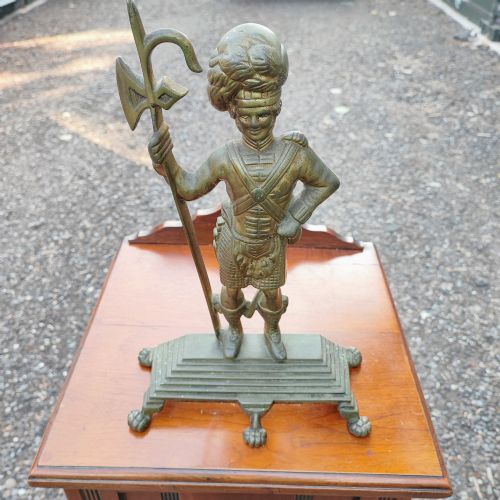
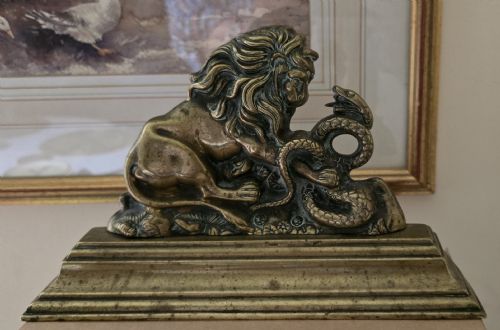
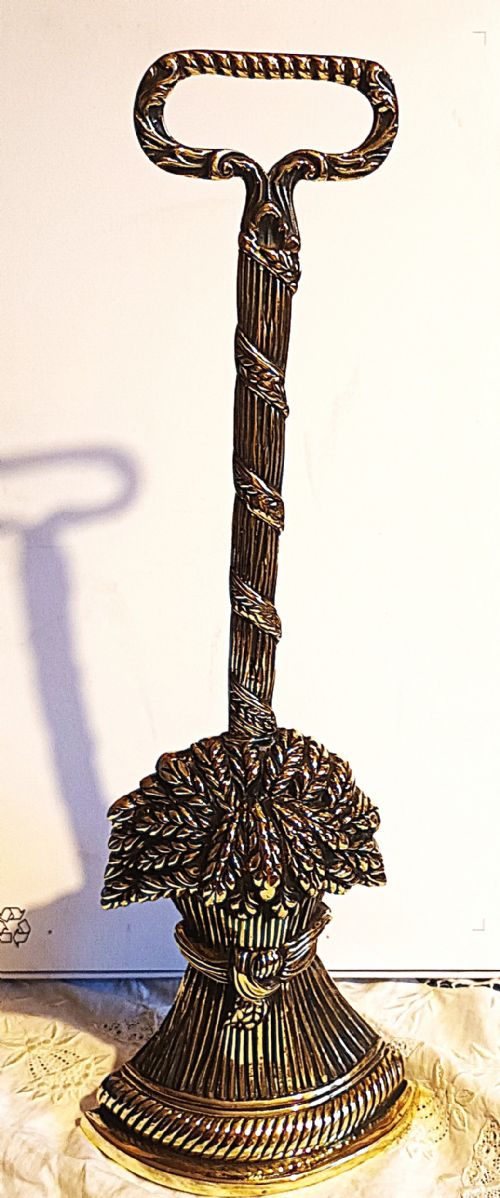
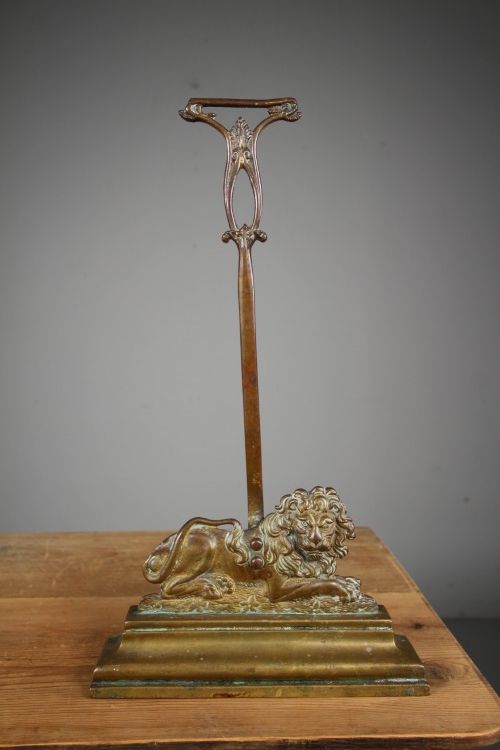
A cast metal stop serves primarily as a door porter or doorstop, designed to hold heavy interior doors firmly in place. These utilitarian objects double as sculptural ornaments, taking the form of lions, soldiers, horses, and satirical figures like Mr Punch.
The pieces you encounter on this page span several key periods, including Georgian, Regency, Victorian, and Edwardian eras. Cast iron and brass predominate, often styled as English country house accessories or spirited folk art.
How they were made
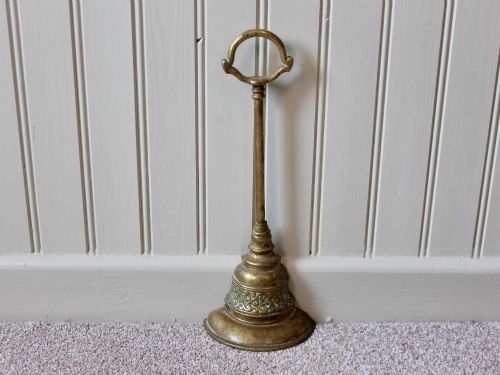
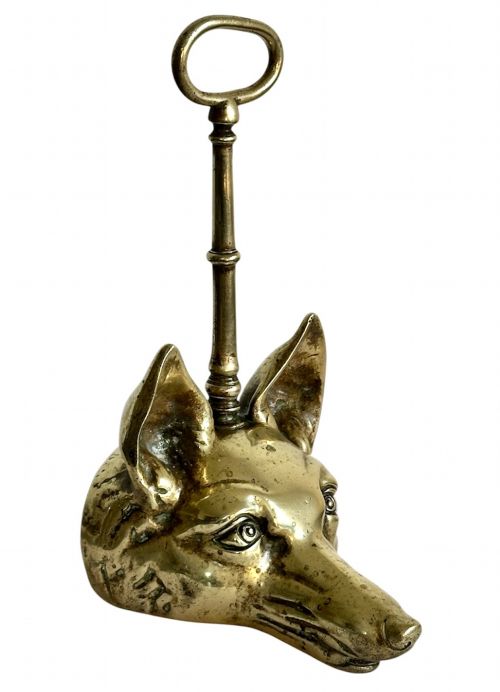
Makers often integrated sturdy carrying handles into the upper portions of door porters, ensuring the heavy metal bodies could be easily moved between rooms. The resulting objects possess a solid density achieved through traditional foundry work.
Cast Metal Stop Retail Price Guide 2026
Typical asking prices for cast metal stop among the pieces listed under this phrase on Sellingantiques today, from the lower quarter to the upper quarter. They describe what is for sale here now, not the wider market.
Listings feature cast iron, brass, bronze, and steel, spanning Georgian to Edwardian periods.
What varies in quality
Original surface treatments, such as early paint layers or patinated bronze, elevate an example above stripped or heavily repainted items. The heft and balance of the metal further determine the piece's success as both a functional weight and a decorative sculpture.
Tonks
The Cast Metal Stop Glossary
- Door porter
- A heavy portable doorstop equipped with an integrated handle for lifting. These are designed to keep interior doors open against drafts.
- Cold painted bronze
- Bronze sculpture finished with paint applied without heat firing. This technique produces vibrant surface details on figures and animals.
- Fire dogs
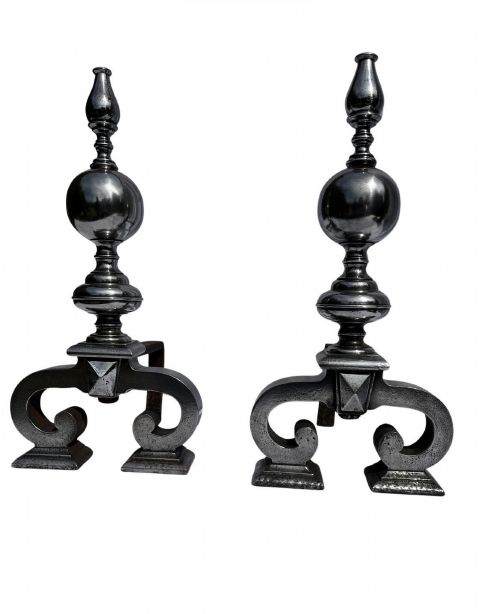
- Metal supports used in pairs to hold logs within a hearth. They share construction methods and decorative motifs with heavy doorstops.
- Cast iron
- An iron-carbon alloy poured into moulds to create rigid, heavy objects. It forms the foundation for many nineteenth-century utilitarian items.
Cast Metal Stop: Frequently Asked Questions
How heavy is a typical door stop?
These pieces possess substantial weight, often several kilograms of solid cast iron or brass, to prevent heavy timber doors from swinging shut.
The density comes from the solid metal casting process used in nineteenth-century foundries.
Where should I place a door porter?
A door porter sits on the floor directly in the path of an interior door to hold it open at your chosen angle.
They function effectively in hallways and reception rooms where airflow tends to move heavy doors.
How do I care for cast iron?
Keep the metal dry and dust it gently with a soft cloth to preserve the original surface and any remaining paint.
Avoid using harsh chemical polishes on painted or patinated cast iron surfaces.
Are these pieces original antiques?
The inventory comprises nineteenth-century and early twentieth-century examples originating from Georgian, Victorian, and Edwardian periods.
Foundry marks and stylistic details help anchor their place in these historical eras.