


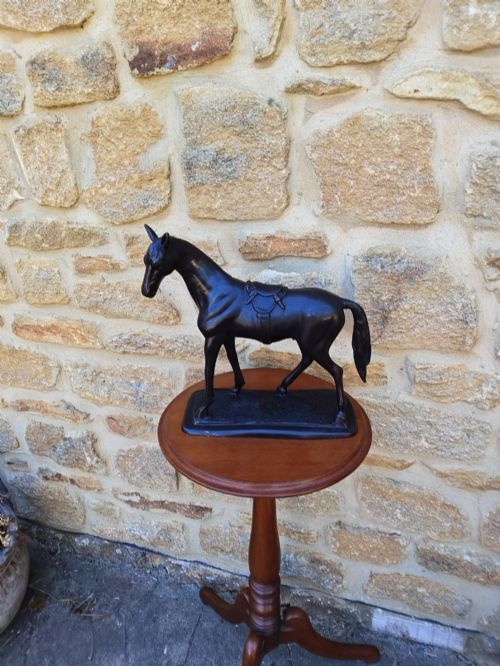
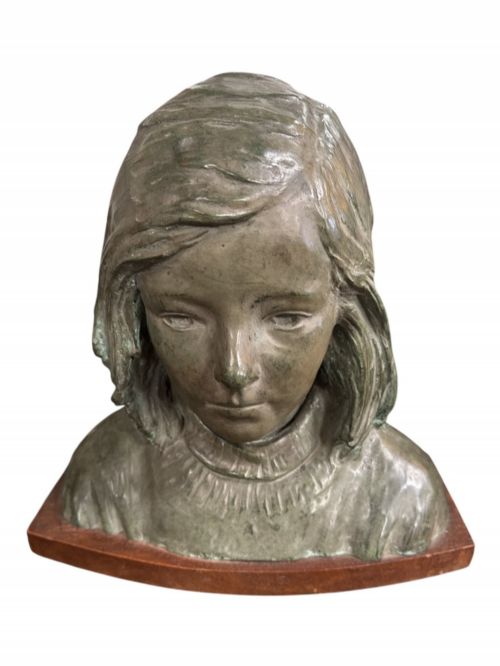
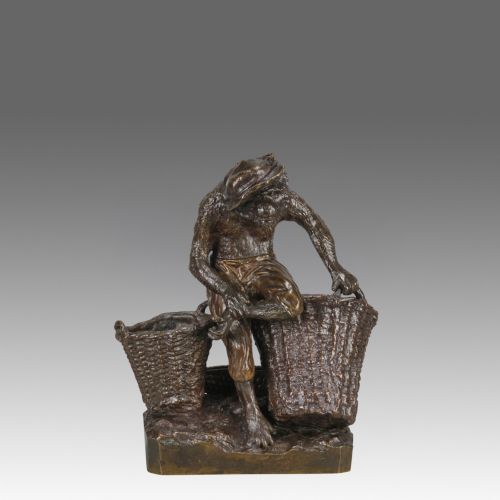
Cast Metal Statue
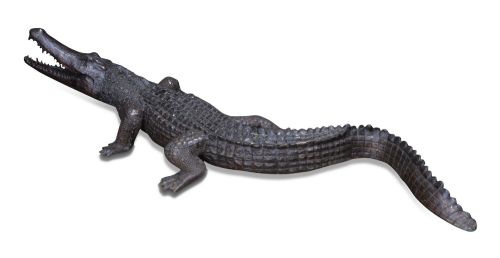
A cast metal statue brings weight and presence to a room, offering enduring forms ranging from classical figures to animalier studies.
Cast Metal Statue
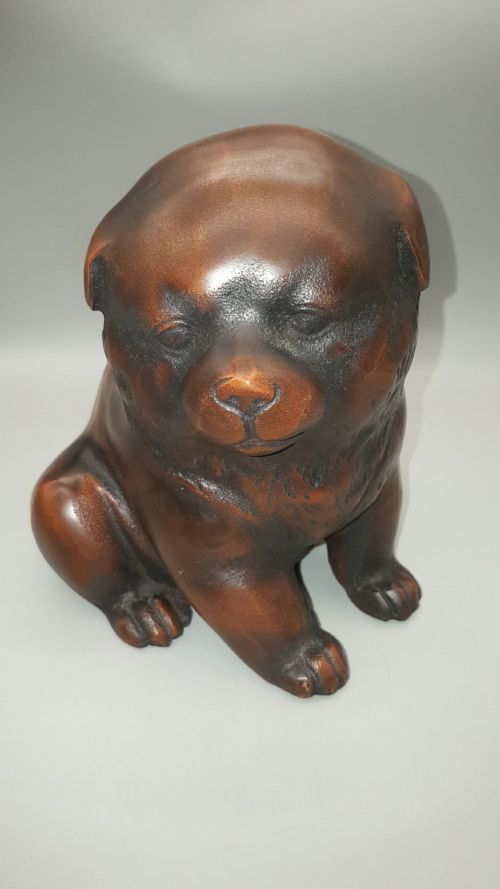
A cast metal statue encompasses a diverse array of sculptures and decorative objects shaped through pouring molten materials into moulds, spanning centuries of production. When examining these pieces, a buyer encounters subjects as varied as mythological figures, human portraits, and detailed depictions of animals.
The selections on this page draw heavily from the nineteenth and early twentieth centuries, featuring distinct artistic movements such as Art Nouveau, Art Deco, and the Meiji period. Forms range from miniature desk ornaments and cabinet bronzes to life-size garden statuary cast in iron or lead.
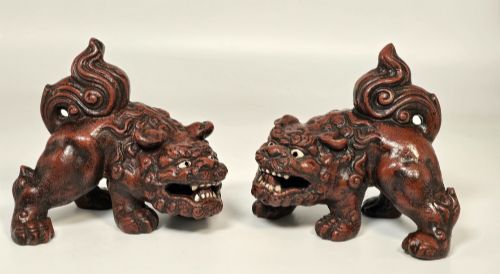
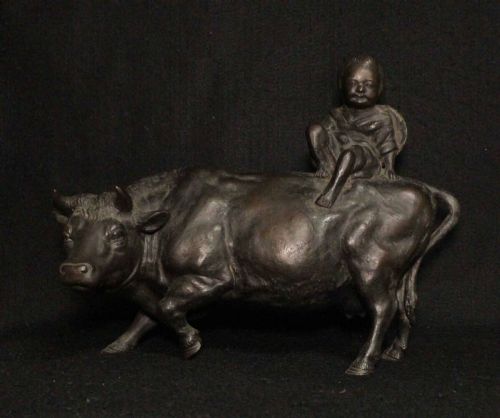
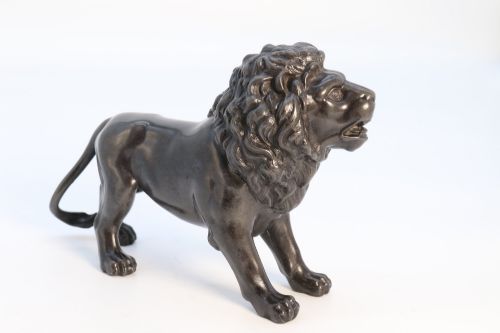
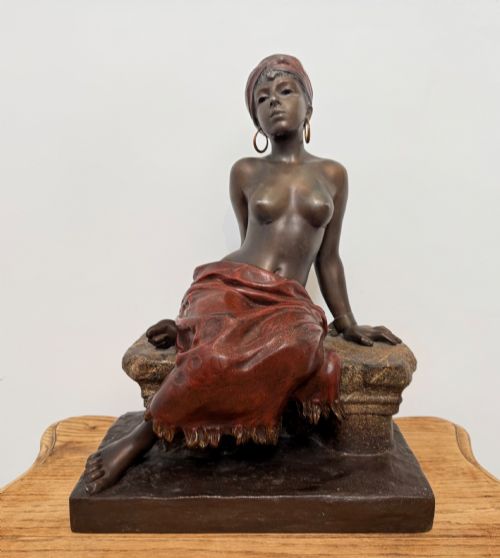
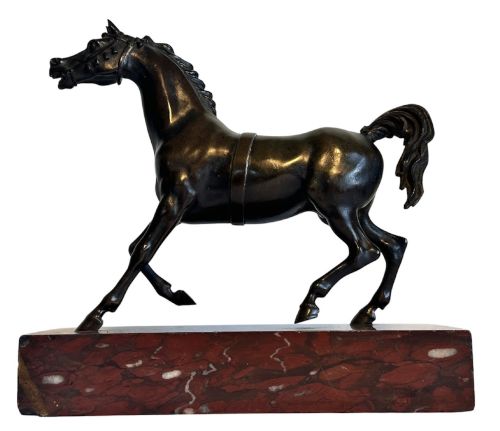
Origin points are similarly broad, including English foundry works, French salon pieces, Austrian cold-painted items, and Japanese okimono. Buyers frequently meet pairs of architectural guards, such as lions or foo dogs, alongside single figurative studies mounted on marble bases.
Materials and casting methods
Foundries utilised several distinct metals for these sculptures, with bronze being the most prevalent for detailed figurative work. Cast iron and lead served well for heavier architectural ornaments and garden pieces, while brass and pewter appeared frequently in smaller domestic items and doorstops.
Techniques such as lost-wax casting allowed artisans to capture fine anatomical details in animalier bronzes and human figures. Many pieces received supplementary surface treatments, including cold-painted polychrome decoration or chemical patination to simulate aged bronze finishes on iron or brass.
Cast Metal Statue Retail Price Guide 2026
Typical asking prices for cast metal statue among the pieces listed under this phrase on Sellingantiques today, from the lower quarter to the upper quarter. They describe what is for sale here now, not the wider market.
A metal rhinoceros beetle stands ready to defend the desk.
Judging execution and finish
The integrity of the surface patina or applied paint layer significantly influences the character of the piece. Hand-finished patination, deliberate cold-painted polychromy, and the quality of secondary mounts like marble bases distinguish workshop standards.
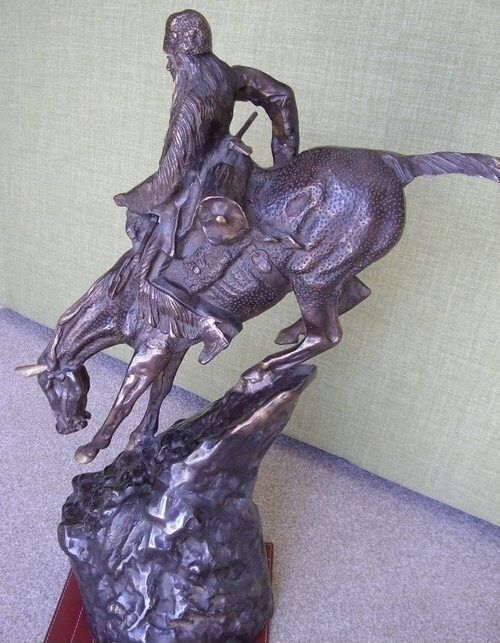
E Villanis·Frederic Remington·Christophe Fratin·Val d Osne foundry·Justo de Gandarias·Tsunemitsu
The Cast Metal Statue Glossary
- Animalier
- A nineteenth-century artistic genre and style focused on the realistic depiction of animals, particularly predators in motion or repose. Works in this field often highlight muscular tension and naturalistic behaviour.
- Cold-painted bronze
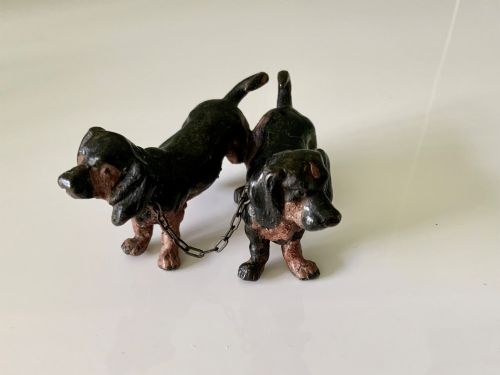
- A technique where bronze sculptures are painted with polychrome oil or enamel paints without undergoing a high-temperature firing process. This method was widely utilised by Austrian workshops to produce brightly coloured figures and animals.
- Okimono
- A traditional Japanese decorative object or carving designed for display on a household altar or within a tokonoma alcove. These pieces frequently represent animals, historical figures, or mythical beings executed in bronze.
- Patina
- The surface coloration, sheen, or chemical film developed on metal through age and environmental exposure, or applied artificially by an artist. A stable patina protects the underlying metal and contributes to the visual depth of the sculpture.
Cast Metal Statue: Frequently Asked Questions
How do I clean a bronze sculpture?
Dust the surface regularly with a soft, dry brush to prevent particulate accumulation. Avoid using harsh chemical cleaners or water, which can strip the original patina.
Apply a very thin coat of microcrystalline wax periodically if the metal requires protection from atmospheric moisture. Buff gently with a clean cloth to restore a soft, protective sheen.
Are cast iron statues suitable for outdoors?
Cast iron garden statues withstand exterior placement provided they receive adequate protective coatings. Iron reacts readily to moisture, making rust prevention an ongoing maintenance requirement for pieces left exposed to the elements.
Positioning statues on stone bases or gravel rather than directly on damp soil helps minimise moisture absorption. Regular inspection allows early treatment of any oxidation spots before structural integrity is affected.
What is the difference between hot cast and cold cast bronze?
Hot cast bronze involves pouring molten bronze metal into a traditional mould at high temperatures. This traditional method yields a heavy, durable sculpture with authentic metallic resonance and deep patination potential.
Cold cast bronze uses bronze powder mixed with a resin binder, which is then poured into a mould. While visually similar upon completion, cold cast pieces lack the weight and thermal conductivity of true metal castings.
How can I date an antique metal statue?
Examine the construction methods, finishing marks, and any foundry stamps or signatures present on the base or body. Stylistic indicators, such as Art Nouveau curves or Meiji period motifs, often align with specific manufacturing eras.
Consider the material composition and the nature of the surface wear or patination. Natural wear patterns accumulated over decades provide reliable clues regarding the age of the piece.