



Cast Metal Light Shade
These cast metal light shades deliver heavy structural presence and industrial weight, offering robust illumination for period rooms.
Cast Metal Light Shade
A cast metal light shade provides a durable and substantial housing for domestic and commercial illumination. When searching for a cast metal light shade, buyers encounter various configurations spanning ceiling lights, desk lamps, and wall sconces.
The selections on this page range from early industrial forms to decorative Art Deco and Art Nouveau designs. Materials extend beyond pure metal to include combinations with glass, marble, and fabric elements.
Pieces originate from periods including the nineteenth century, Edwardian era, and the 1930s. The most frequent encounters on this page include desk lamps, ceiling lights, and pendant fixtures.
Materials and construction methods
Items in this category utilise solid brass, cast iron, spelter, and patinated white metal formed through traditional casting techniques. These metals provide the structural rigidity necessary for heavy shades, lanterns, and articulated desk lamps.
Many shades incorporate complementary components such as frosted glass panels, enamel finishes, and marble bases. Artisans applied patination, nickel plating, or ormolu to the metal surfaces to achieve specific decorative effects.
Cast Metal Light Shade Retail Price Guide 2026
Typical asking prices for cast metal light shade among the pieces listed under this phrase on Sellingantiques today, from the lower quarter to the upper quarter. They describe what is for sale here now, not the wider market.
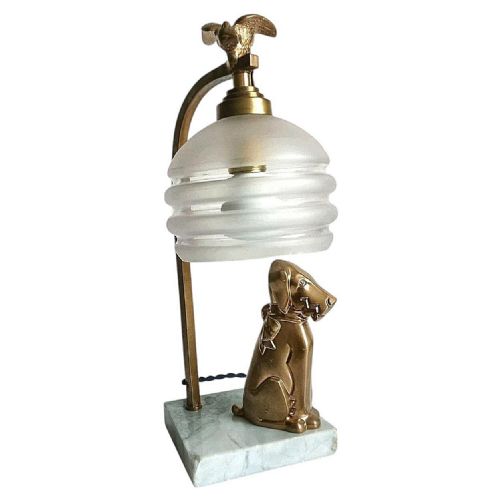
Among the heavy industrial brass and iron sits a French novelty lamp shaped as a dog and parrot.
Assessing quality and craftsmanship
Quality in these pieces depends upon the crispness of the casting detail and the integrity of the original metal finish. Heavier gauge metals and clean, sharp moulding distinguish finer examples from standard commercial production.
The sophistication of stylistic execution, such as the sculptural refinement on figural bases and the quality of associated glass shades, determines the standing of an individual piece.
Muller Bros·The Charles Parker Company·Hawkins
The Cast Metal Light Shade Glossary
- Spelter
- A zinc alloy commonly utilised as a less expensive substitute for bronze in decorative figures and lamp bases during the nineteenth and early twentieth centuries. It accepts various metallic finishes and patinas.
- Ormolu
- Gilded bronze achieved by applying a finely ground high-carat goldmercury amalgam to a cast bronze object. This finish produces a rich, warm lustre seen on fine period mountings.
- Holophane
- A brand of scientific glass prisms engineered to direct and diffuse light efficiently while reducing glare. These shades are frequently mounted within industrial and commercial metal fittings.
- Patination
- The surface alteration or coloration developed through age, wear, or chemical treatment on metal objects. A stable patina indicates long-term preservation of the original material.
- Slip shade
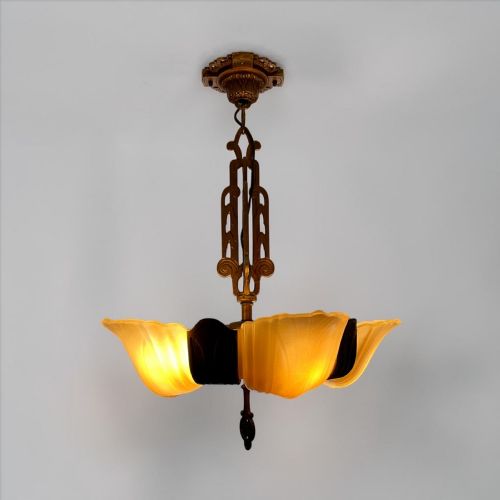
- A type of glass shade designed to slide or drop into a metal frame or basket, widely utilised in Art Deco ceiling and wall lighting fixtures.
Cast Metal Light Shade: Frequently Asked Questions
How do I clean a cast metal light shade?
Dust the surface regularly with a soft, dry cloth to prevent grime accumulation.
Avoid abrasive cleaners or chemical polishes that can strip original patination or protective coatings from the metal.
Are these lights suitable for modern electrical wiring?
Most antique and vintage fixtures require rewiring by a qualified professional to meet current safety standards.
Components can generally be adapted for contemporary bulbs while preserving the exterior housing.
What is the difference between spelter and bronze?
Spelter is a softer zinc alloy that is lighter in weight and less durable than copper-based bronze.
Items cast in spelter often feature more pronounced casting seams and rely on applied surface finishes for their appearance.
How do I identify Art Deco lighting?
Art Deco pieces display geometric symmetry, stylised motifs, and streamlined industrial forms.
Materials frequently include nickel-plated metals paired with moulded glass or slip shades.