

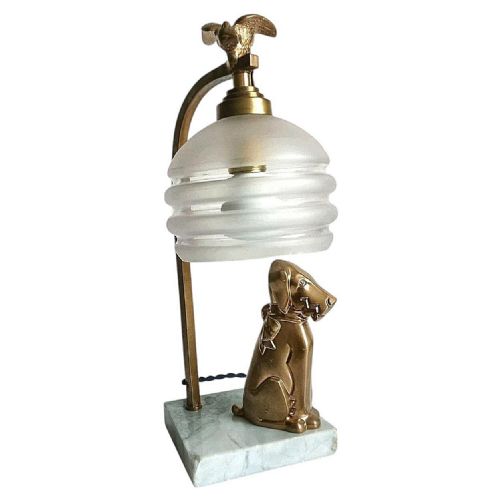
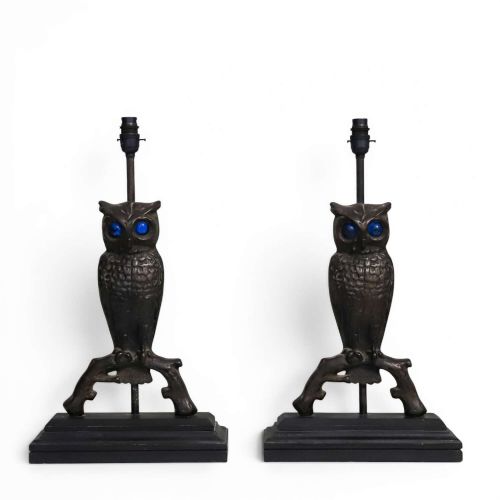
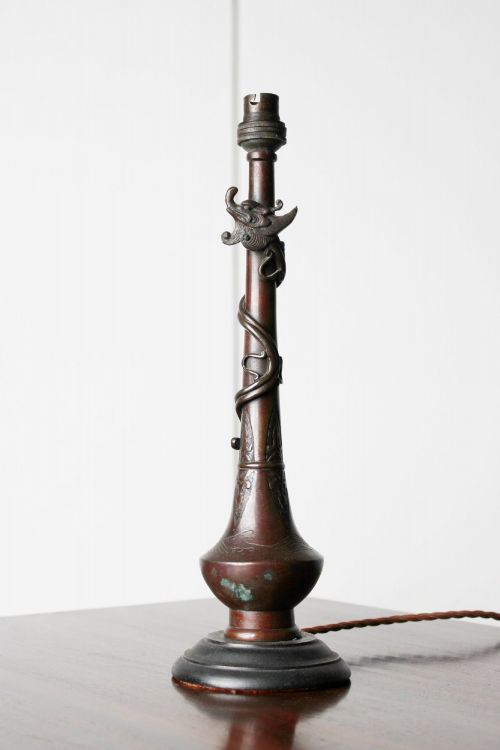


Cast Metal Lamp
A cast metal lamp brings heavy character to a room, cast in bronze, brass, iron, or spelter across Victorian, Edwardian, and Art Deco periods.
Cast Metal Lamp
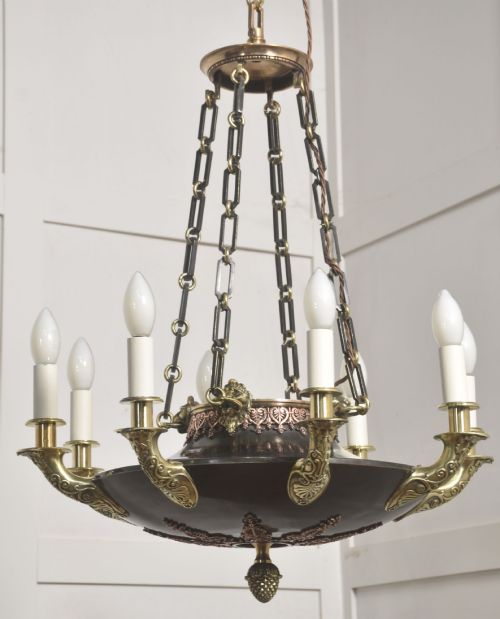
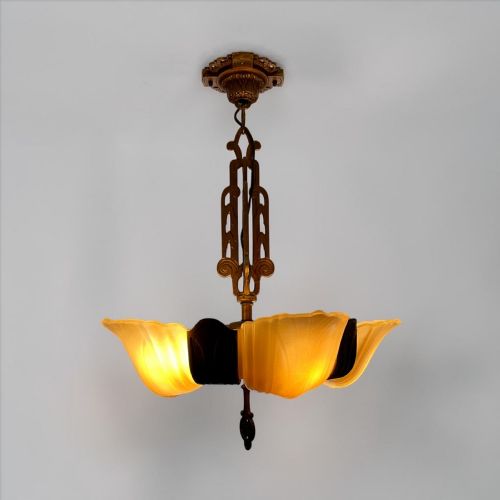
When you search for a cast metal lamp, you encounter everything from utilitarian industrial desk lights and railway lanterns to ornate figural sculptures, oil lamps, and heavy chandeliers. The selection spans the nineteenth century through the Art Deco era, drawing on Gothic, Rococo, Empire, and Chinoiserie revivals alongside clean modernist lines.
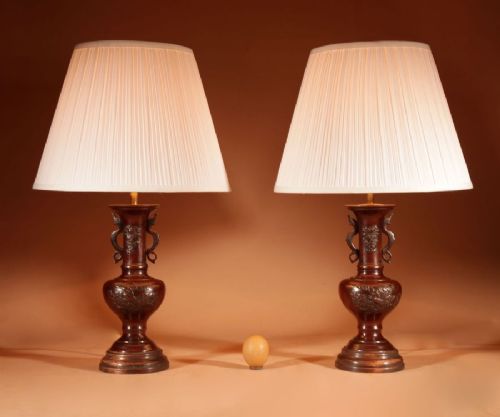
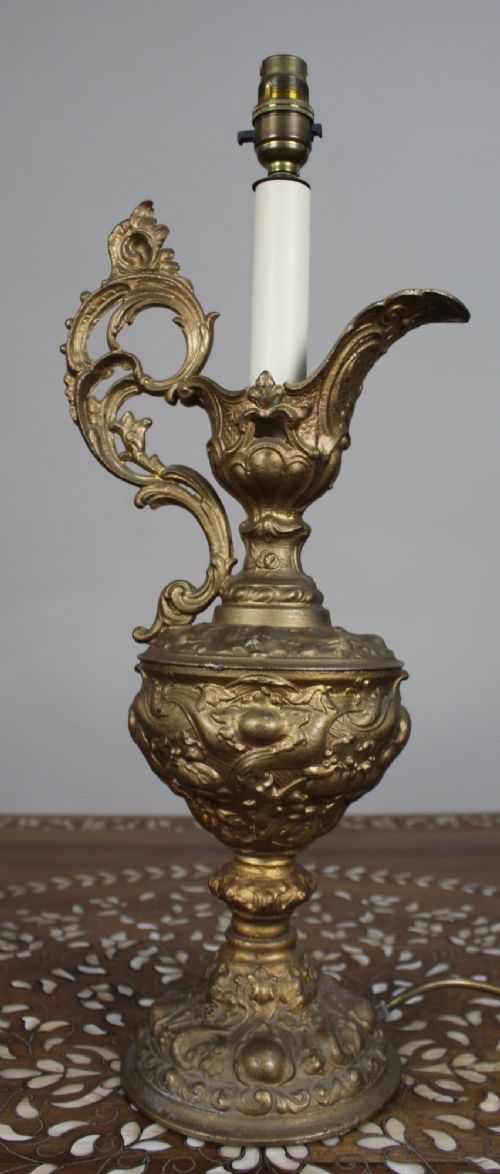
You are most likely to meet table lamps and wall sconces cast in bronze, brass, or spelter, often paired with glass shades or fabric elements. Many items began life as something else entirely, such as andirons, ewers, vases, or incense burners, before being converted into lighting.
The origins stretch across English, French, American, and Asian workshops, mixing domestic utility with decorative sculpture. Whether an industrial factory light or a gilt ormolu centrepiece, each object relies on heavy casting for its structural presence.
How they were made
Foundry work relied on pouring molten bronze, brass, cast iron, or white metal into moulds, followed by chasing, filing, and finishing the raw metal by hand. Spelter served as a cheaper zinc-based alternative to bronze, taking fine detail well before receiving patination or gilding.
Makers integrated mixed media directly into the metal armature, mounting heavy bases onto marble plinths and adding glass shades, enamel, or fabric fittings. Surface finishes varied from patinated dark bronze and polished brass to parcel gilding and nickel plating.
Materials in this category range widely, dominated by cast bronze, brass, and iron alongside softer spelter and white metal.
What varies in quality
Materials dictate the underlying calibre of the piece, with solid bronze and heavy cast brass holding their finish and structural integrity better than softer spelter or painted white metals. The integration of high-grade components, such as period slip shades or marble bases, elevates the overall standing of the object.
L & F Moreau·The Charles Parker Company·Muller Bros·Adrien Gaudez·P.Sega
The Cast Metal Lamp Glossary
- Spelter
- A zinc alloy commonly used in the manufacture of decorative figures and lamps as a less costly substitute for bronze. It accepts patination well but is softer and more brittle than true bronze.
- Ormolu
- Gilt bronze produced by applying a finely ground high-carat gold-mercury amalgam to a bronze object before heating. The process creates a rich, durable golden surface.
- Chasing
- The manual technique of refining a metal casting from the outside using hammers and punches. Skilled chasing restores sharp detail lost during the sand-casting or lost-wax process.
- Patina
- The surface sheen and colour acquired by metal through age, handling, and oxidation. A well-preserved original patina adds depth and historical character to the piece.
- Lucerna
- A traditional type of multi-flame oil lamp, often Italian in origin and cast in brass or bronze. These forms borrow from classical antique designs with hanging wick-snuffers and picks.
Cast Metal Lamp: Frequently Asked Questions
What is a cast metal lamp?
A cast metal lamp is a lighting fixture formed by pouring molten metal into a mould, encompassing everything from heavy bronze table sculptures to iron industrial task lights.
These pieces draw on manufacturing methods from the nineteenth and early twentieth centuries, using materials like brass, spelter, and iron to form durable bases and frames.
How do I date a cast metal lamp?
Dating relies on stylistic clues, manufacturing techniques, and material choices that align with periods like the Victorian era, Art Nouveau, or Art Deco.
Heavier casting methods, specific switch types, and signature design motifs help narrow down whether a piece originates from the 1880s or the 1930s.
Were these always lamps?
Many cast metal objects were originally created for entirely different purposes before being converted into lamps later in their working lives.
It is common to find nineteenth-century vases, andirons, incense burners, and architectural fittings that have been carefully adapted to hold electrical wiring or oil burners.
How do I care for a bronze or brass lamp?
Maintenance requires gentle dusting with a soft, dry cloth to protect the underlying metal surface and any historic patination.
Avoid using harsh chemical polishes or abrasive cleaners, as these can strip away original gilding, patinas, and centuries of accumulated character.