



Cast Metal Door Weight
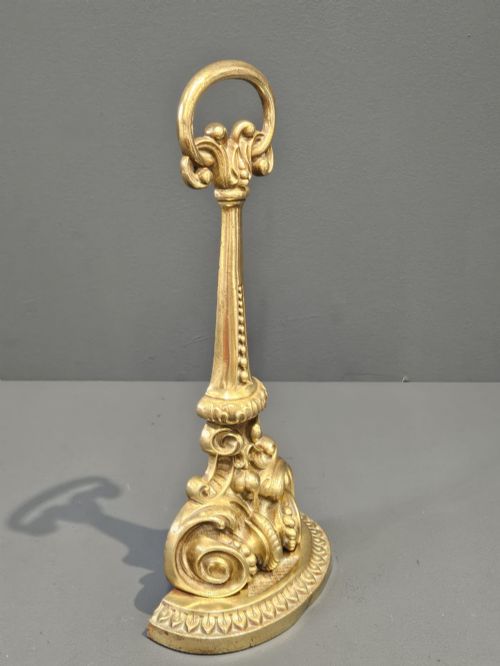
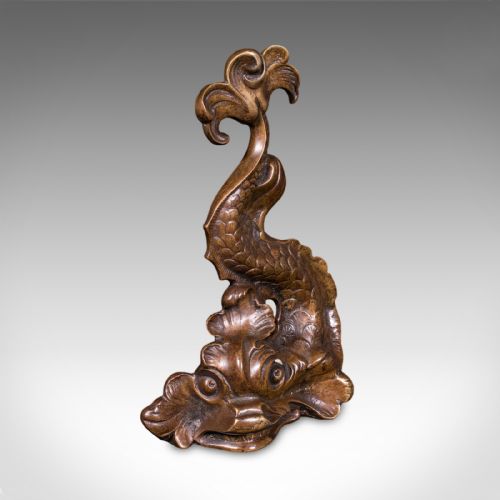
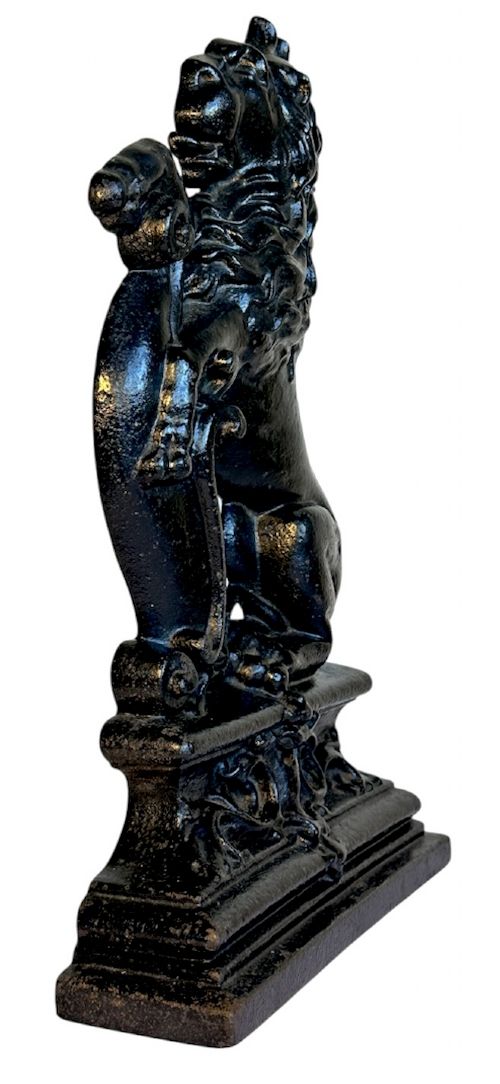
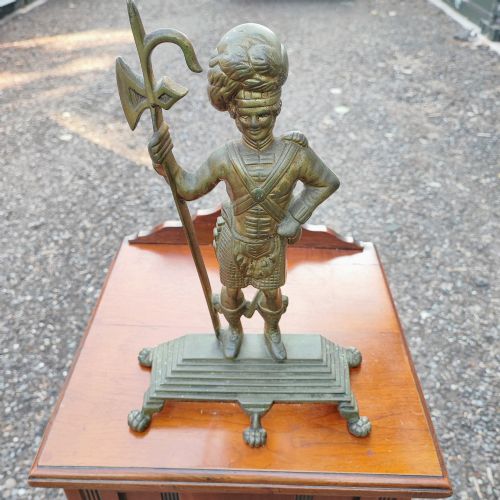
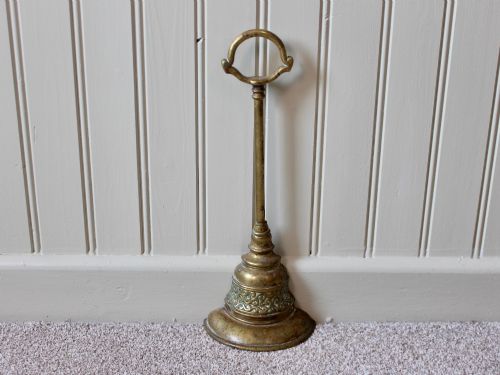
These cast metal door weight pieces hold open heavy interior doors with substantial weight and decorative presence, appearing frequently in Victorian and Regency forms.
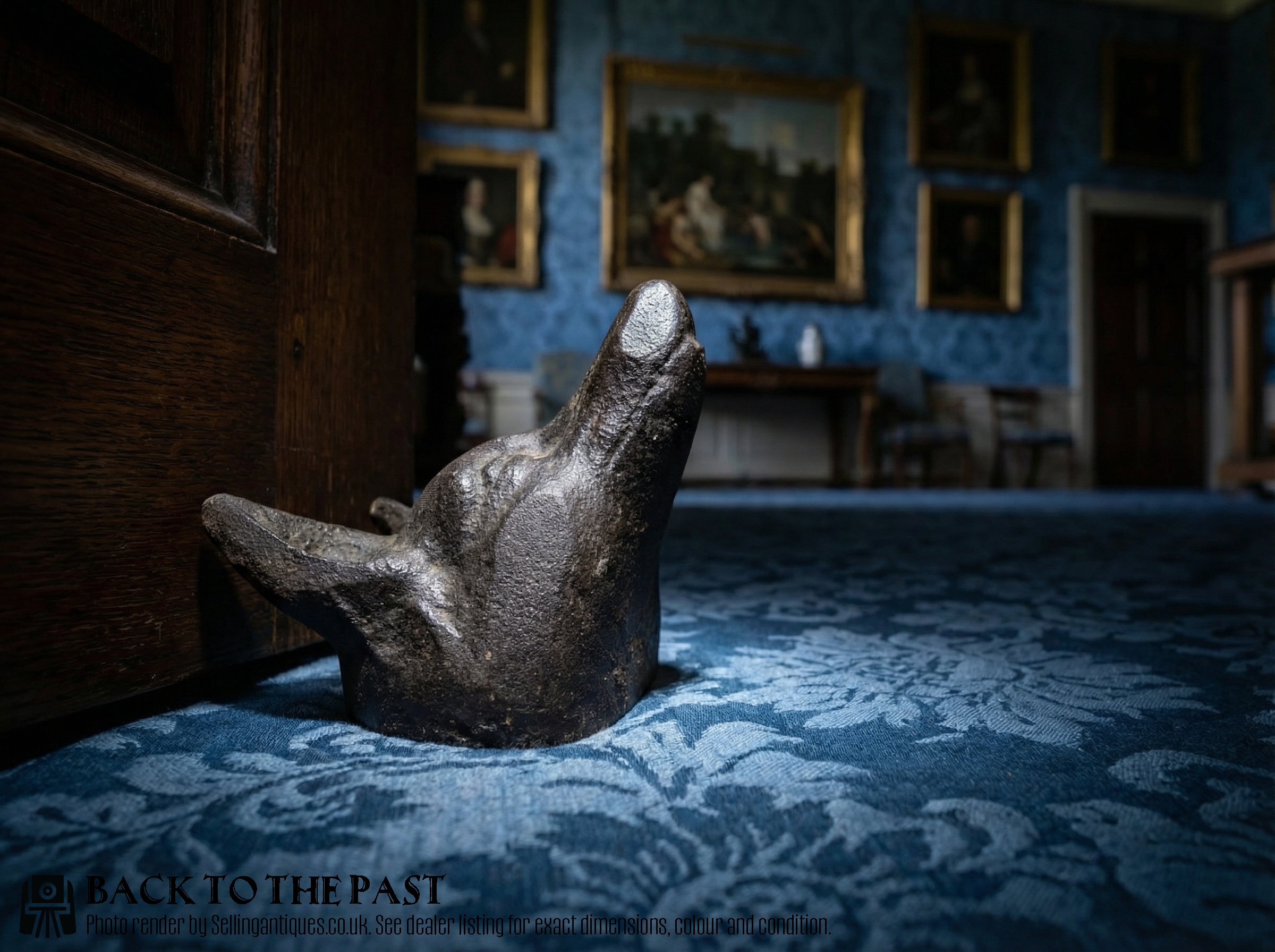
Cast Metal Door Weight
When you search for a cast metal door weight, you encounter functional objects designed to hold doors open in hallways and rooms. These pieces appear under various designations such as doorstops, door stops, and door porters.
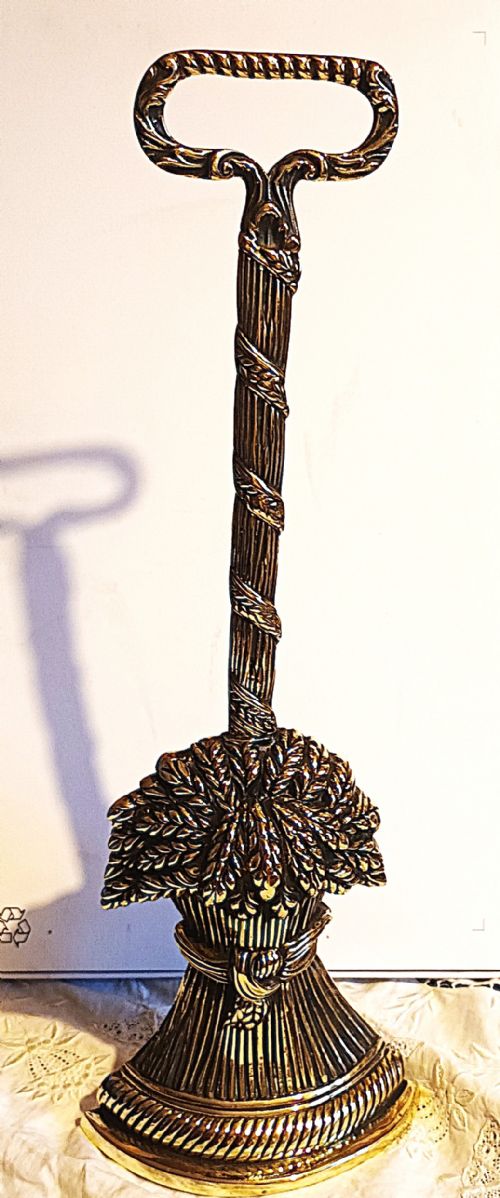
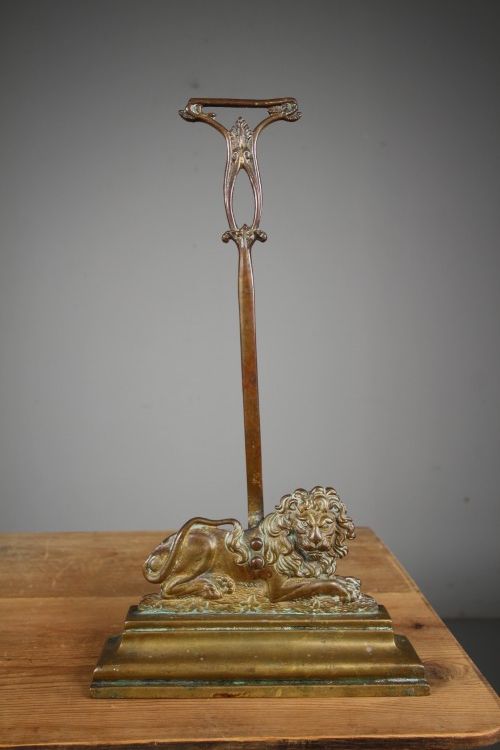
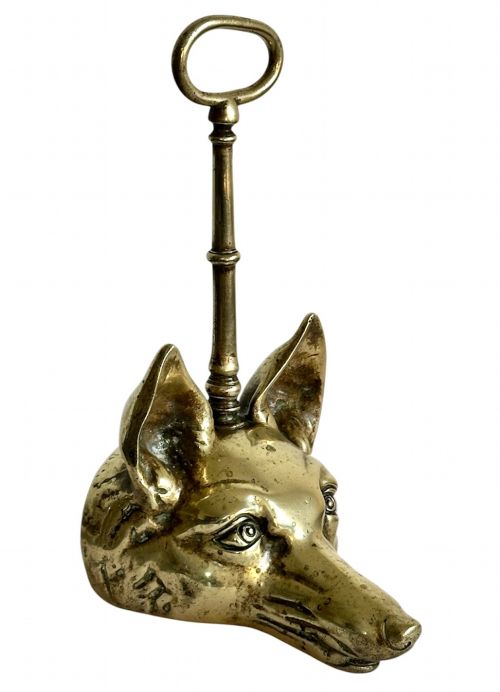
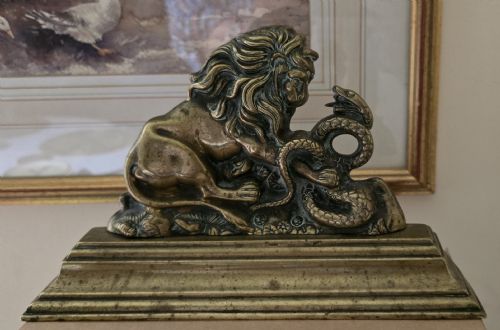
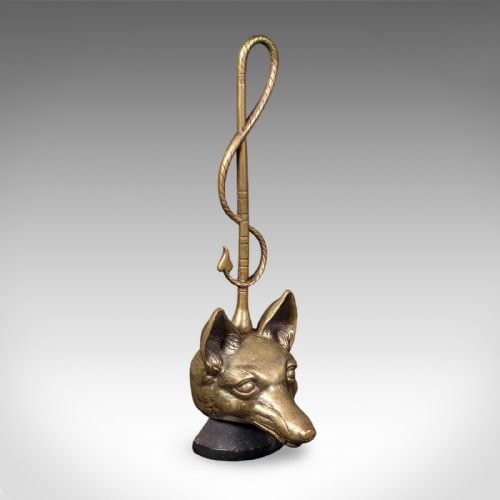
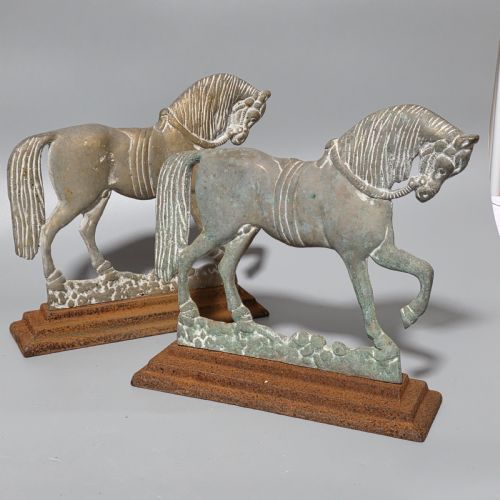
The versions you are most likely to meet on this page hail primarily from the Victorian and 19th Century periods, alongside Georgian and Regency examples. They take the form of animals like lions, horses, dogs, and foxes, alongside figurative subjects including Mr Punch, soldiers, and cherubs.
English country house interiors commonly utilised these sturdy items to manage heavy timber doors against drafts. Makers shaped them with solid bases and carrying handles, combining utility with ornamental appeal.
How they were made
Foundries utilised casting techniques in iron, brass, and bronze to produce these robust items. Molten metal poured into sand moulds yielded crisp surface details on figurative subjects, followed by hand-finishing.
What varies in quality
The weight and gauge of the metal dictate the practical utility of each piece. Heavier castings in solid brass, bronze, and iron provide greater resistance when holding open substantial doors.
Tonks·William Tonks·William Tonks & Sons
The Cast Metal Door Weight Glossary
- Door porter
- A heavy vertical doorstop, often featuring an integrated handle at the top for lifting. These items traditionally stood against interior doors in larger residences.
- Cast iron
- An iron-carbon alloy poured into moulds in a molten state. This dense material supplied the necessary mass for heavy-duty door control.
- Gilt bronze
- Bronze treated with a gold or gilded surface layer. This finish added a decorative sheen to formal interior items.
- Regency
- A British design period spanning the early 19th century. Pieces from this era often display classical motifs such as dolphins and heraldic beasts.
- Victorian Gothic Revival
- A 19th-century style drawing inspiration from medieval architecture and design. Items in this aesthetic utilise knights, heraldry, and gothic ornamentation.
Cast Metal Door Weight: Frequently Asked Questions
How did people use cast metal door weights?
Households placed these heavy items against interior doors to prevent them from slamming shut in drafts. The upright handle allowed servants to move the pieces easily from room to room.
In larger country houses, weighty door porters managed substantial timber doors in high-traffic hallways and reception rooms.
How do I identify a Victorian doorstop?
Victorian examples often feature popular cultural figures like Mr Punch, military personnel, or domestic animals such as spaniels and horses. The casting methods of the period produce heavier, more detailed figures than later reproductions.
These pieces frequently combine cast iron and brass components, reflecting the industrial manufacturing capabilities of the 19th century.
Are these items made of solid brass?
Many listings comprise solid cast brass, while others utilise cast iron or bronze. Some pieces combine brass and cast iron elements within a single object.
The choice of metal directly affected the weight and visual appearance of each door keeper in period interiors.
Where were these pieces originally made?
The majority of these items originate from English workshops and foundries active during the Georgian, Regency, and Victorian eras. Makers produced them to serve domestic interior needs across the British Isles.
Certain examples reflect international exhibitions or specific regional foundry traditions of the 19th century.