



Cast Metal Door Stop
These heavy cast metal door stop pieces hold heavy doors open with utilitarian charm, offering enduring utility and sculptural presence.
Cast Metal Door Stop
A cast metal door stop serves to keep doors ajar, combining domestic function with ornamental design. The selection here spans the nineteenth century, including Victorian, Georgian, Regency, and Edwardian periods.
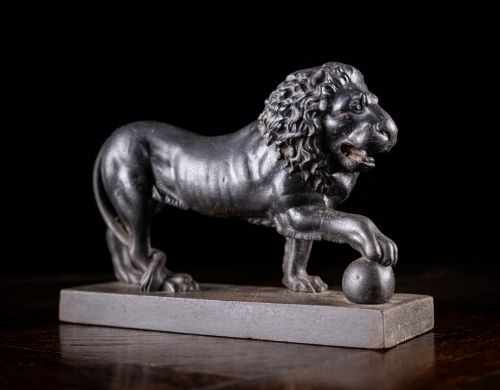
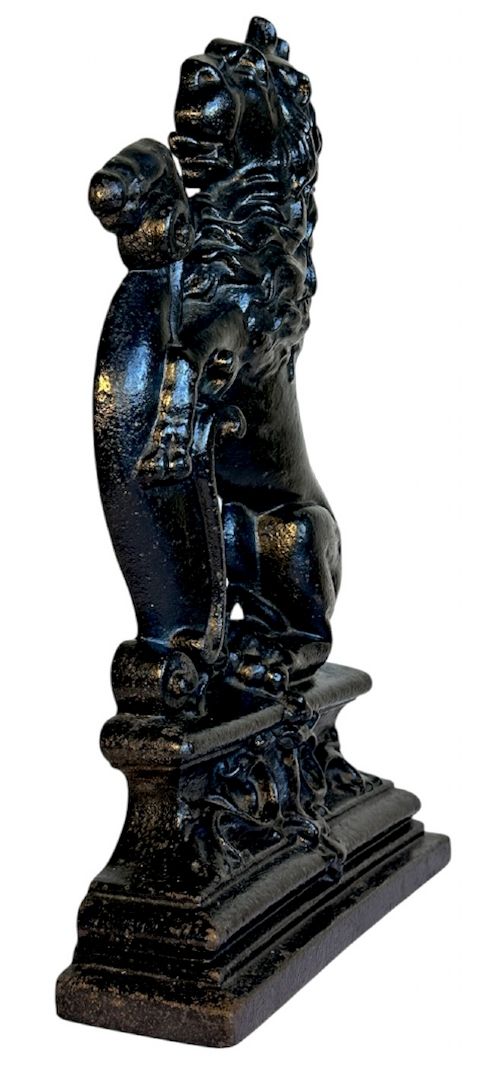
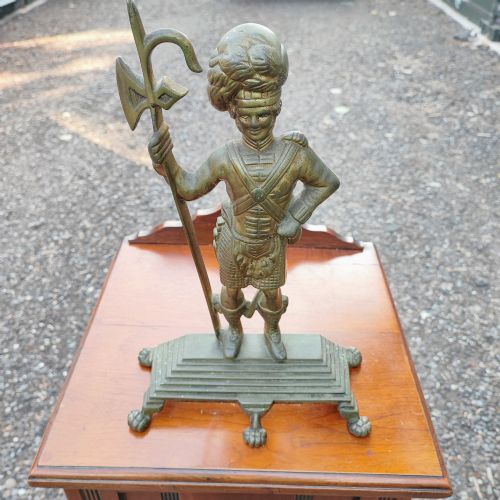
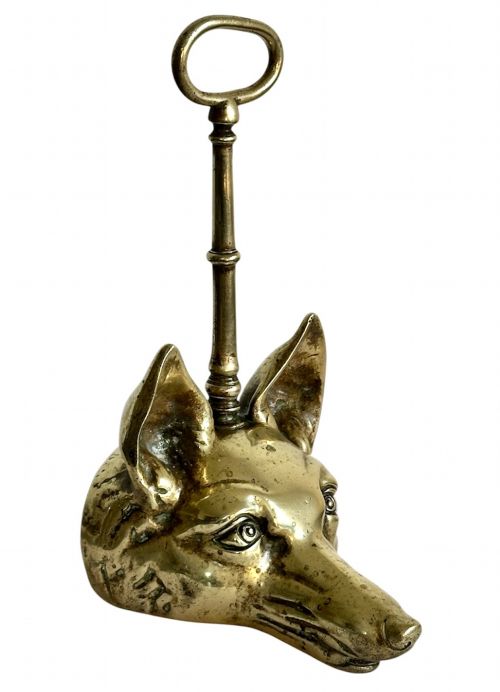
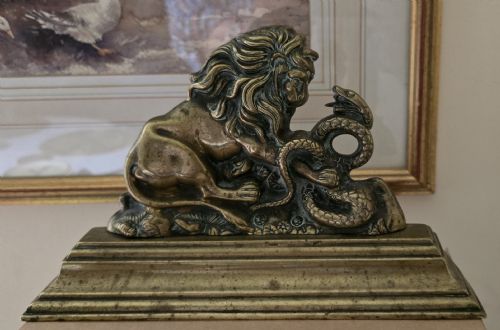
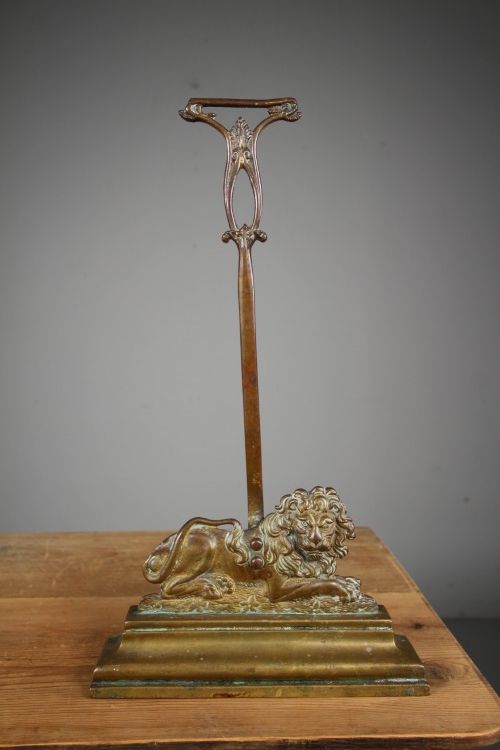
Most examples take familiar figurative shapes, such as lions, dogs, horses, and characters like Mr Punch or Lord Nelson. These pieces originate primarily from English workshops, often associated with country house interiors.
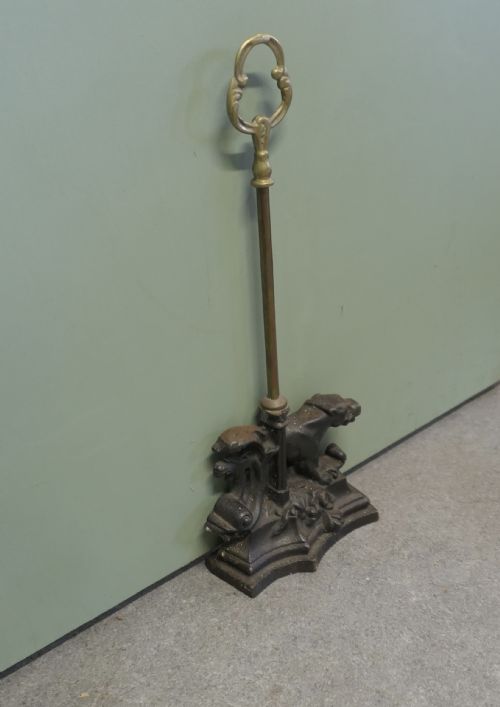
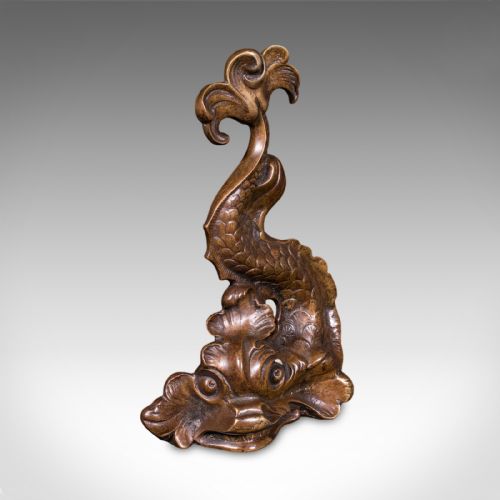
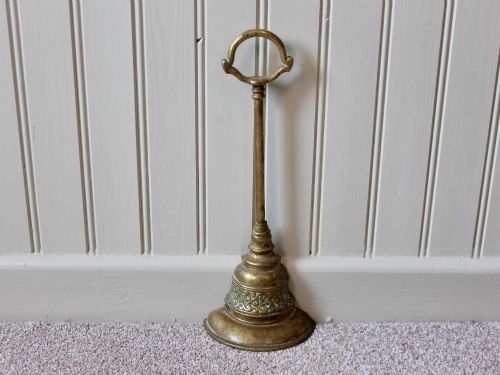
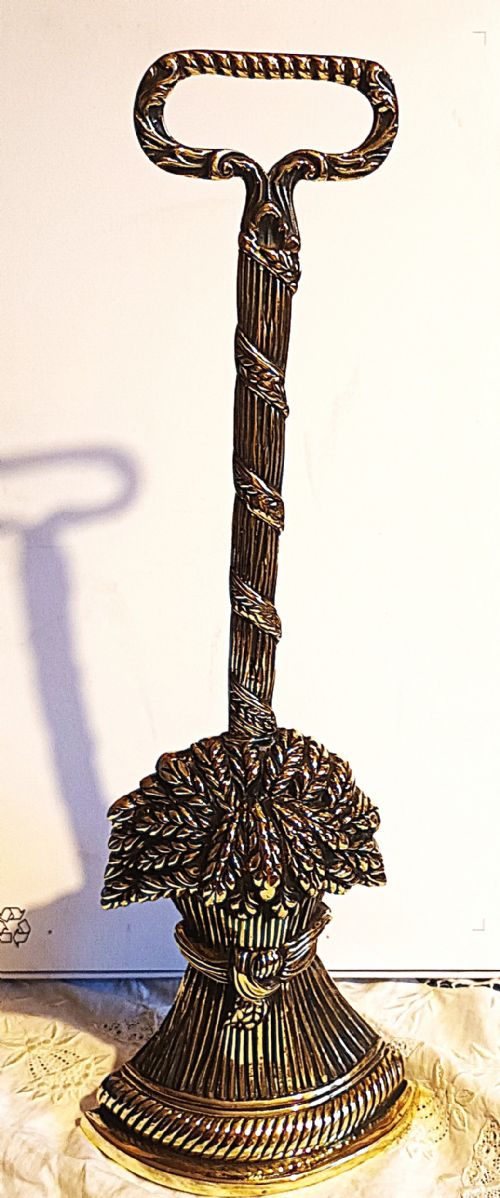
Alternative forms include mythical dolphins and heraldic motifs, sometimes designated as door porters. Buyers frequently encounter brass and cast iron versions across these diverse historical eras.
Materials and casting methods
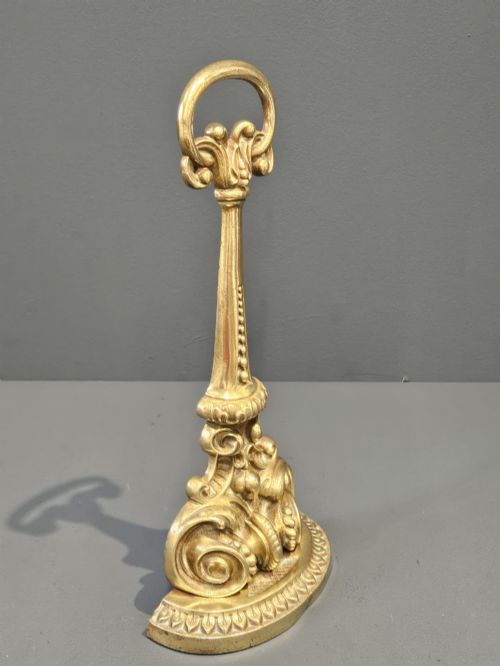
Foundries utilised traditional casting techniques to shape molten metals into robust decorative sculptures. Cast iron and brass provide the primary weight needed to hold heavy interior doors in place.
Selected pieces incorporate bronze or lead elements, while surviving surfaces often display traces of original paint. Makers poured metal into moulds, finishing the resulting castings with hand-chiselling or applied colour where appropriate.
Cast Metal Door Stop Retail Price Guide 2026
Typical asking prices for cast metal door stop among the pieces listed under this phrase on Sellingantiques today, from the lower quarter to the upper quarter. They describe what is for sale here now, not the wider market.
Among the menagerie of iron and brass beasts, a goose meets its end in the famous dramatic title The Goose is Dead.
Distinctions in craftsmanship and wear
Quality rests in the crispness of the cast and the proportional balance of the figure. Finer examples show sharp facial details in animal and human representations, whereas worn casts lose definition over repeated use.
The integrity of the metal and the preservation of original painted or patinated surfaces distinguish superior specimens. Heavy weight and solid construction denote better utility and original workshop intent.
Tonks
The Cast Metal Door Stop Glossary
- Door porter
- A traditional alternative term for a heavy door stop designed to be carried or placed by a threshold. These tall pieces often feature an integrated handle at the top.
- Patina
- The surface sheen and colour developed through age, handling, and oxidation. This natural wear distinguishes antique metals from modern reproductions.
- Cast iron
- An alloy of iron and carbon poured into moulds to create rigid, heavy objects. It provides the substantial weight required for utilitarian door control.
- Figurative
- Representing a human, animal, or mythical form rather than an abstract pattern. Many nineteenth-century examples depict lions, dogs, and recognizable characters.
- Regency
- An English design period spanning the early nineteenth century. Pieces from this era often display classical motifs such as dolphins or heraldic animals.
Cast Metal Door Stop: Frequently Asked Questions
How do I use a cast metal door stop?
Place the heavy base directly against the interior door to hold it securely open against draughts.
The substantial weight of iron or brass keeps the door in position without fixing it to the floor.
Are these pieces made of iron or brass?
The inventory includes items cast in both iron and brass, alongside occasional bronze and lead examples.
Iron pieces are typically heavier and sometimes painted, while brass versions often display a polished or patinated metallic surface.
How do I date a Victorian door stop?
Examine the style of the casting, the nature of the metal, and any surface paint or wear.
Nineteenth-century pieces often display characteristic period figures such as Mr Punch, lions, or military uniform details.
What is a door porter?
A door porter is a taller variety of door stop, frequently fitted with an upright handle for repositioning.
These pieces served the same threshold function as smaller stops in grand English houses.