





Cast Iron Hat Rack
These cast iron hat rack pieces combine robust metalwork with practical hallway storage, offering genuine period utility for country houses and town halls alike.
Cast Iron Hat Rack
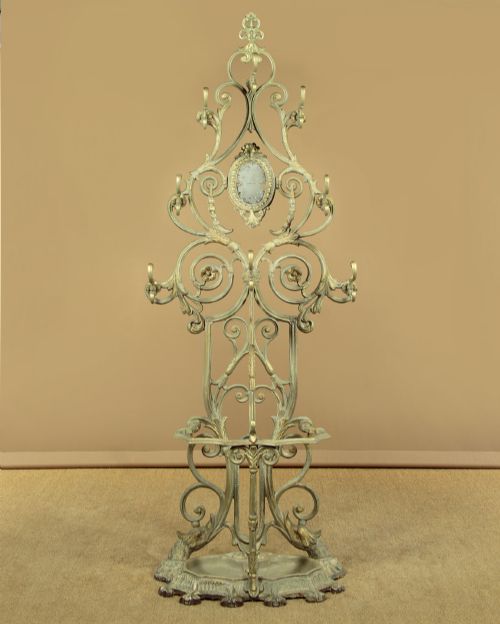
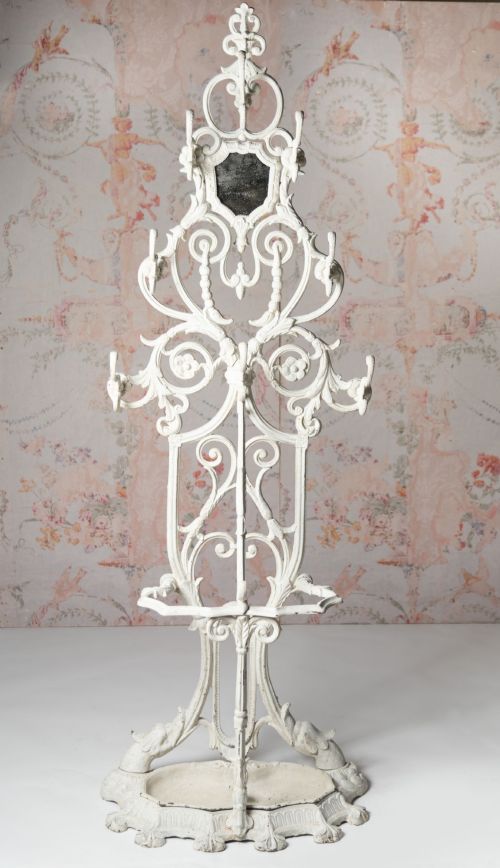
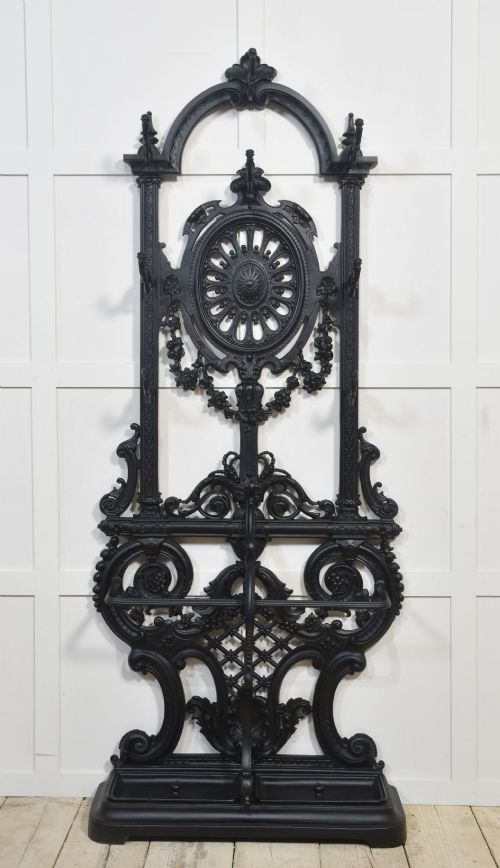
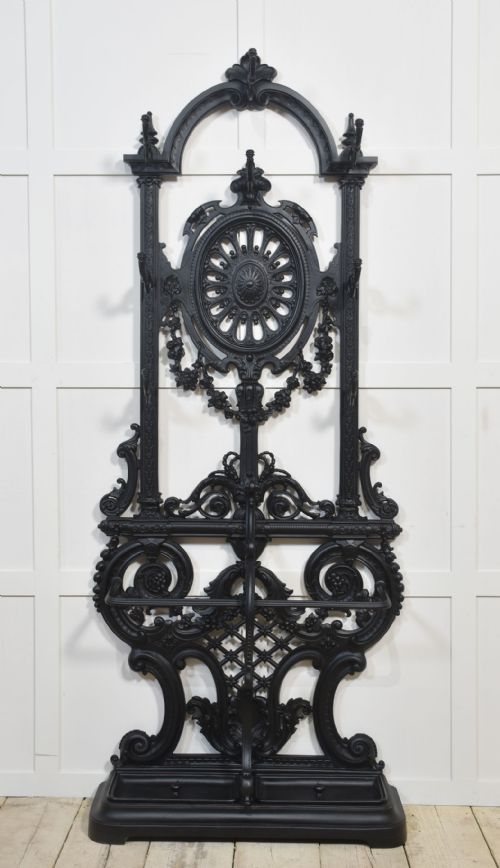
A cast iron hat rack typically appears as a substantial hall stand, coat stand, or wall-mounted rack designed for the entryway. Most examples encountered here date from the Victorian period, including pieces from the nineteenth century and the Edwardian era.
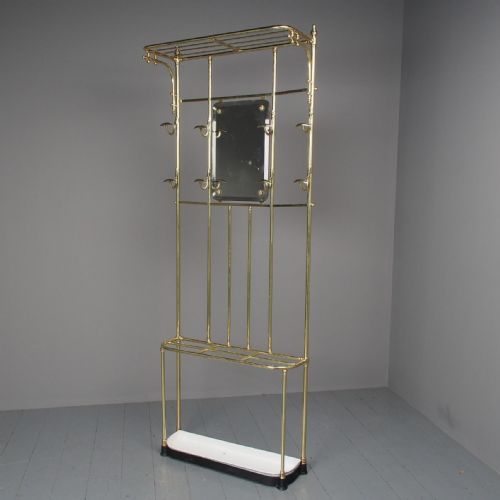
The forms range from wall-mounted cloakroom hooks to tall portico stands and combined coat and umbrella stands. Many incorporate integrated drip trays, mirrors, and brass elements to handle wet weather and visitors.
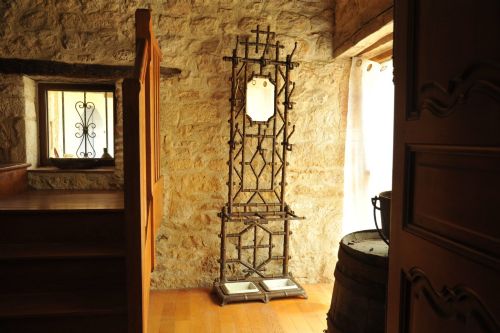
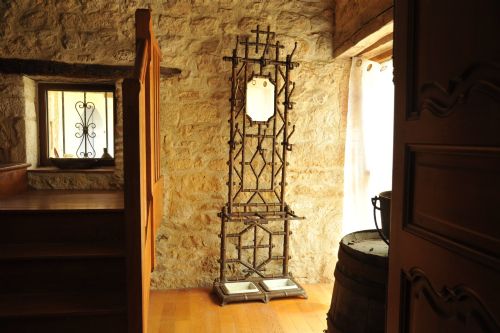
Makers drew upon various aesthetic movements, producing designs in Victorian Gothic, Rococo Revival, French Chateau, and Art Deco styles. These range from simple faux bamboo structures to ornate country house hallstands.
Materials and construction
Foundries utilised cast iron poured into moulds to create intricate openwork frames, rigid coat hooks, and sturdy structural supports. This metal framework frequently combines with secondary materials such as brass fittings, mirrored glass, and marble bases.
Finishes include original or later paint applications that protect the metal and define the decorative details. Wood components like mahogany and faux bamboo shaping appear on specific French and English variants to soften the industrial ironwork.
Current listings span the Victorian and Edwardian periods, featuring materials such as cast iron, brass, marble, and mahogany.
Judging quality and craftsmanship
Quality rests upon the crispness of the casting and the complexity of the ironwork pattern. Finer pieces display sharply defined ornamentation without the blurring seen in secondary casts.
Structural integrity matters significantly given the heavy weight of cast iron combined with hanging garments and umbrellas. Superior examples retain original drip pans, undamaged mirrors, and secure mounting points or stable bases.
Coalbrookdale·Falkirk Foundry
The Cast Iron Hat Rack Glossary
- Cast iron
- Iron melted and poured into a mould to shape complex structures and decorative panels. This process allowed Victorian foundries to mass-produce intricate hall furniture.
- Hall stand
- A piece of entryway furniture combining coat hooks, a hat rack, a mirror, and an umbrella stand. These items welcomed visitors and managed outer garments in domestic halls.
- Faux bamboo
- A decorative treatment carved or moulded to imitate natural bamboo stalks. This style gained popularity in nineteenth-century French metalwork and furniture.
- Portico stand
- A tall, architectural coat stand featuring columns or pillars supporting a top canopy. These substantial pieces dominated grand reception hallways.
Cast Iron Hat Rack: Frequently Asked Questions
What is a cast iron hat rack?
A cast iron hat rack is a durable entryway furnishing designed to hold headwear, coats, and umbrellas in domestic or public spaces.
These pieces use heavy metal framing to support multiple hooks and structural elements while withstanding daily use.
How were they used historically?
Victorian households positioned these stands in reception halls and cloakrooms to receive outdoor garments from family members and visitors.
The integrated trays caught melting snow and rain from umbrellas, protecting interior wooden floors.
Where should I place one?
These pieces suit spacious hallways, boot rooms, and reception areas where their weight and height can anchor the room.
Wall-mounted versions require secure fixing into solid masonry or studs to support heavy winter coats.
How do I identify Victorian examples?
Victorian examples typically feature heavy cast iron frames with Gothic, Rococo, or naturalistic ornamentation.
They often incorporate original bevelled mirror plates, brass hooks, and cast metal drip pans beneath the umbrella sections.