



Cast Iron Basket
A cast iron basket provides a sturdy and traditional hearth centrepiece, combining utility with robust historic design for open fires.
Cast Iron Basket
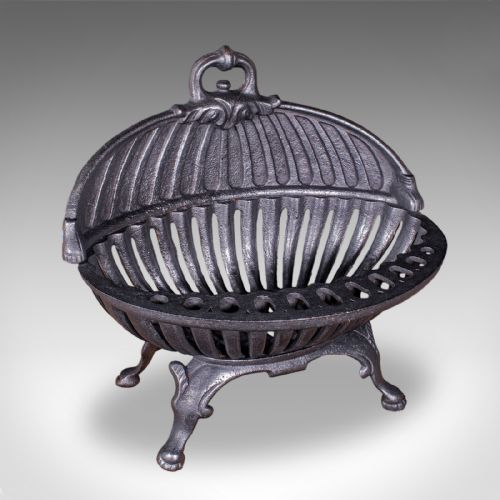
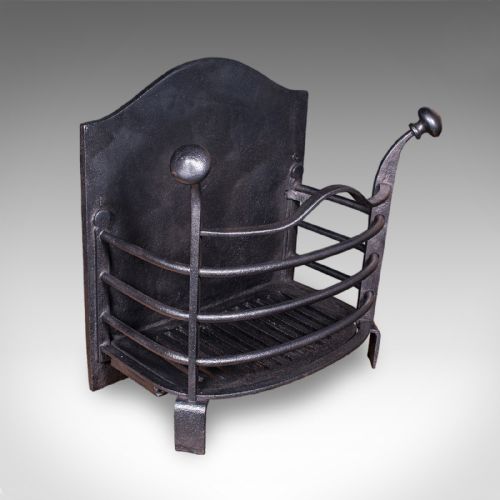
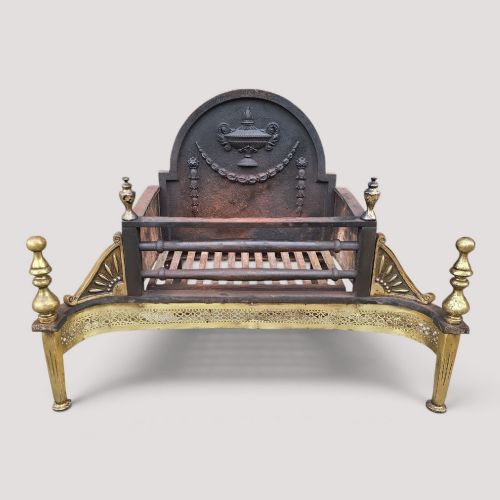
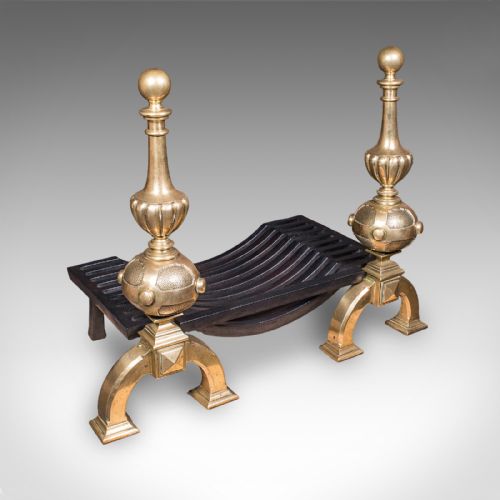
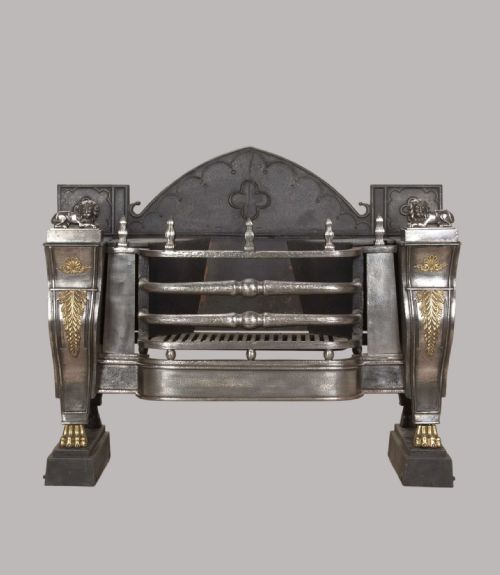
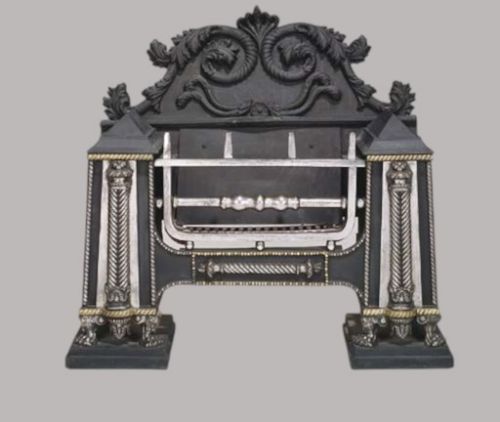
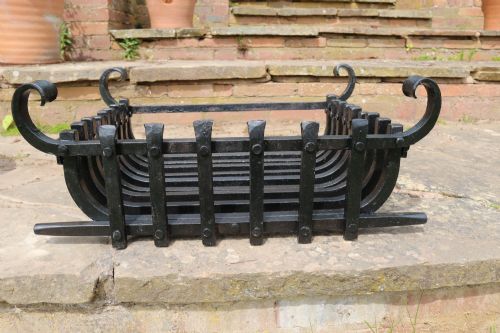
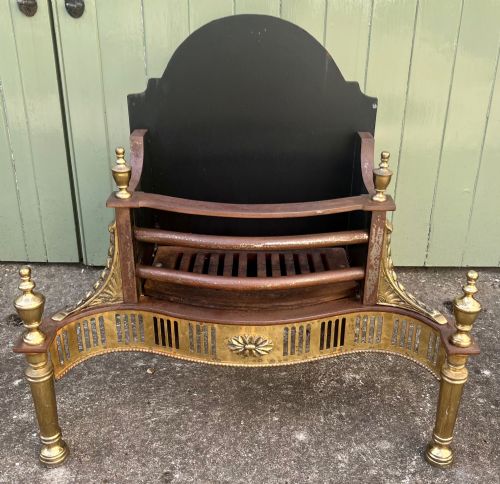
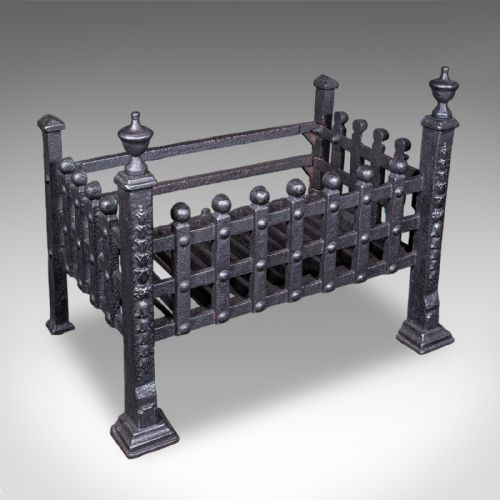
A cast iron basket serves primarily as a functional fire grate or log holder within an open hearth, designed to contain fuel safely while radiating heat into a room. These pieces appear in forms such as free-standing fire baskets, register grates, and inglenook fire grates.
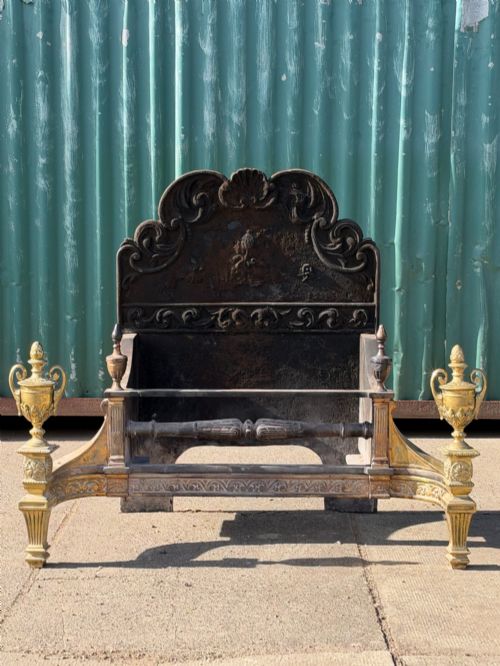
The selections span multiple historic periods, with Victorian examples appearing alongside Georgian, Regency, and early twentieth-century revivals like Arts and Crafts and Neo-Gothic styles. Buyers will frequently encounter versions paired with andirons, fire backs, or brass detailing.
How they were made
Makers utilised molten metal poured into sand moulds to create the heavy, rigid fire backs and basket frames characteristic of these pieces. Wrought iron elements were often hand-forged and integrated to provide structural strength for parts subjected to intense heat.
Brass components, firebrick linings, and enamel or painted finishes were frequently added for decorative contrast against the dark metal surfaces. These mixed materials reflect traditional foundry techniques spanning the eighteenth to the twentieth centuries.
Cast Iron Basket Retail Price Guide 2026
Typical asking prices for cast iron basket among the pieces listed under this phrase on Sellingantiques today, from the lower quarter to the upper quarter. They describe what is for sale here now, not the wider market.
What varies in quality
The distinction between standard utility items and superior examples rests on the crispness of the casting and the refinement of the decorative detailing. Pieces featuring classical motifs, balanced proportions, or combined brass and iron elements indicate higher craftsmanship.
Weight and structural substance also differentiate the range, with heavier, thicker metal configurations offering greater durability and more substantial presence in a hearth setting.
The Cast Iron Basket Glossary
- Cast iron
- Iron alloy poured into a mould in a molten state to create rigid, complex shapes. It forms the primary structural body of these hearth baskets.
- Andirons
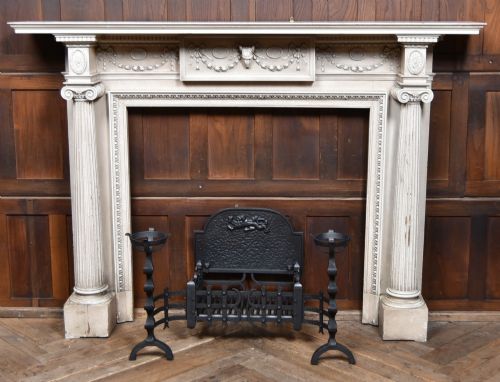
- Supporting metal fire dogs placed on either side of the hearth to hold logs or support a fire basket. They frequently accompany larger grates.
- Hob grate
- A type of fireplace featuring raised side platforms for heating kettles or pans adjacent to the central fire basket. These often incorporate classical design elements.
- Register grate
- A fireplace grate fitted with a moveable plate or flap to control the draught and regulate smoke escaping up the chimney. This form became common in nineteenth-century domestic interiors.
- Fire back
- A heavy iron plate placed at the back of an open fireplace to protect the masonry wall and reflect heat forward into the room.
Cast Iron Basket: Frequently Asked Questions
How do I choose the right size fire basket?
Measure the width, depth, and height of your fireplace opening carefully to ensure adequate clearance around the basket for air circulation and safety.
Consider the scale of the hearth and the surrounding mantelpiece so the physical bulk of the ironwork matches the proportions of the room.
Can these baskets be used for burning real wood?
Most of these pieces were historically designed for solid fuel such as wood or coal within an active hearth.
Check the internal condition and metal thickness to ensure the structure can handle regular thermal expansion from an open fire.
How do I date a cast iron fire basket?
Examine the stylistic details, such as Neoclassical urns, Gothic Revival tracery, or Arts and Crafts simplicity, which point to specific manufacturing eras.
The casting methods, surface textures, and accompanying hardware like brass finials also help indicate whether a piece originates from the Georgian period or later revivals.
How should I clean and maintain cast iron?
Remove ash and soot regularly using a soft brush to prevent moisture retention and subsequent surface corrosion on the metal.
Apply a suitable grate polish or specialised iron paste periodically to maintain the dark finish and protect the material from rust.