




Cast Bronze Dragon
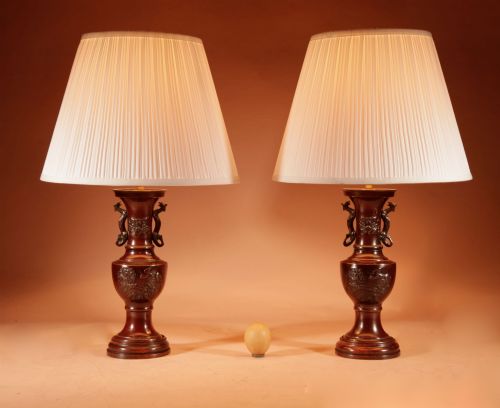
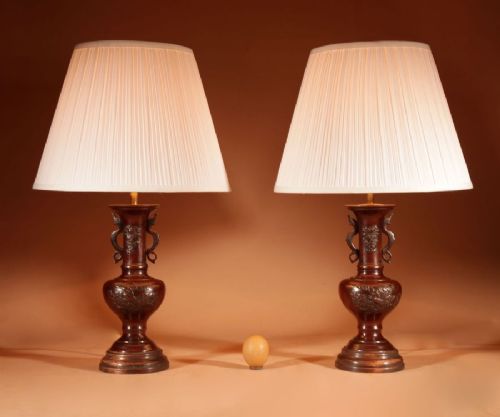
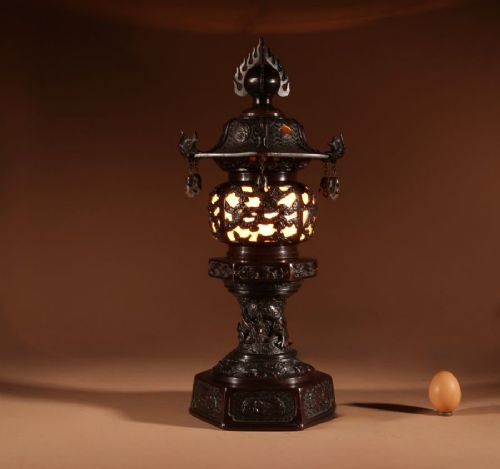
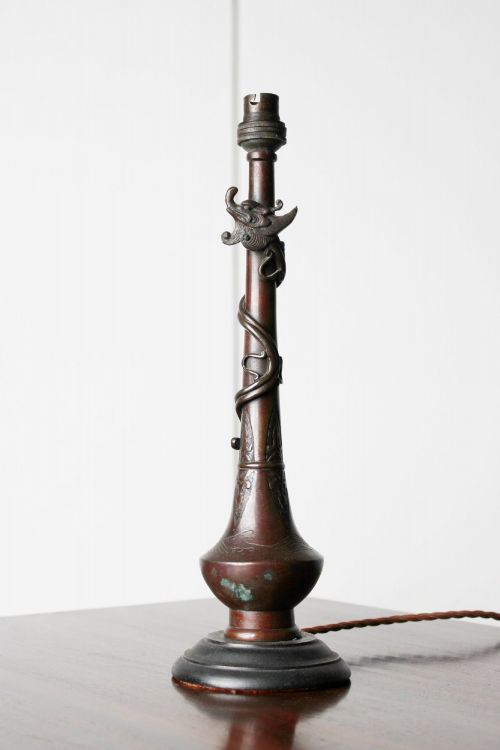
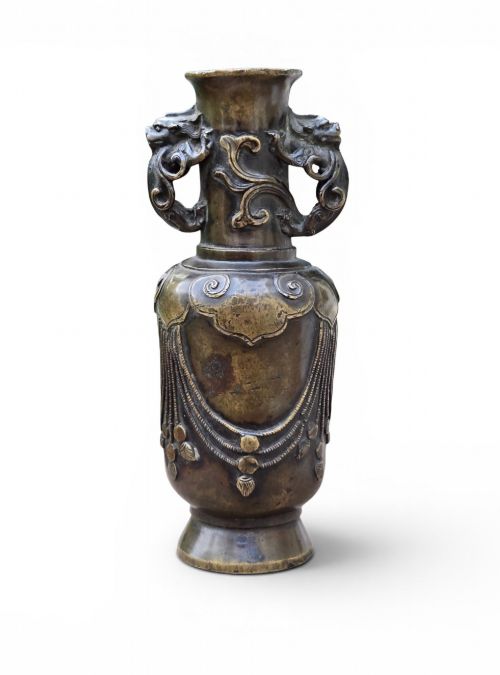
A cast bronze dragon brings centuries of mythical presence into a room, taking the form of finely detailed table lamps, garden okimono, and vases.
Cast Bronze Dragon
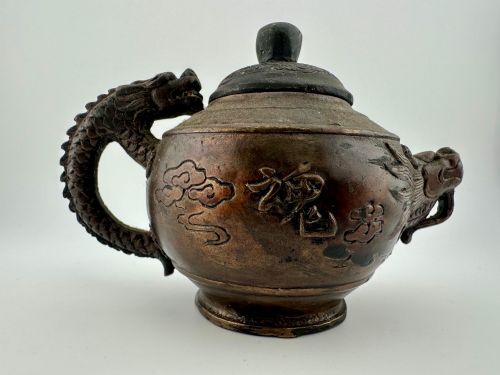
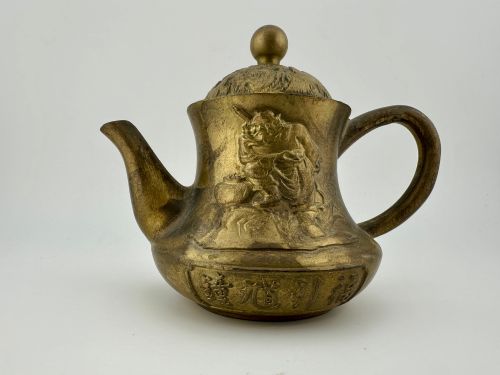
When you search for a cast bronze dragon, you encounter objects originating predominantly from Japanese Meiji period workshops and Chinese Qing Dynasty furnaces. These items span functional vessels such as teapots, censers, and altar vases, alongside monumental garden urns and sculptural table lamps.
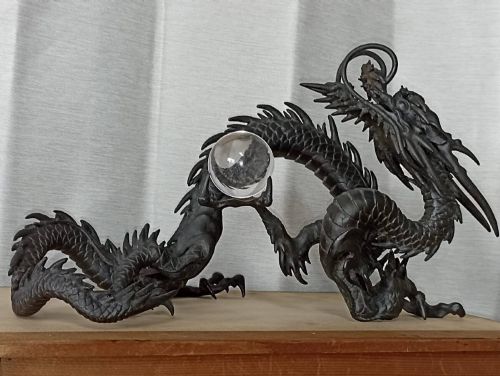
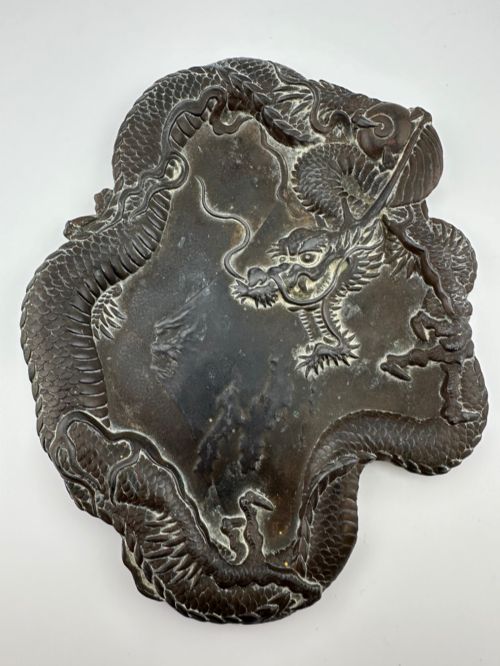
The pieces on this page heavily feature Japanese Meiji period examples alongside Chinese late Qing items. Collectors find mythical beasts coiled around glass balls, supporting table lamps, or cast directly onto the surfaces of vases and trays.
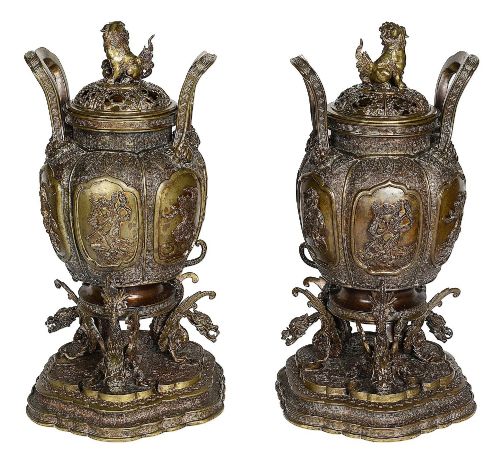
Forms range from compact incense burners to large garden temple vessels and architectural sea serpents. The dragon motif dominates these Asian metalwork pieces, appearing both as structural handles and as intricate surface relief.
Materials and casting methods
Artisans utilised traditional lost-wax casting techniques to shape molten metal into complex, scaly forms. The primary material is bronze, often complemented by patinated finishes, brass, and gilt bronze highlights.
Many items incorporate decorative embellishments such as champlevé enamel or glass balls held within the claws of the creature. Patination methods create deep brown and green surface tones that accentuate the detailed musculature and scales of the beast.
Listings feature items from the 17th century through the Victorian and Edwardian eras, with a strong concentration of Japanese Meiji period and Chinese Qing dynasty metalwork.
Distinctions in execution and finish
The distinction between ordinary and exceptional items lies in the crispness of the chasing and the depth of the casting. Superior examples exhibit sharply defined scales, expressive claws, and integrated parts that display no visible flaws in the metal.
Weight and balance also indicate standard, as heavier vessels demonstrate substantial metal thickness. The finesse of the patination and the integration of secondary materials like enamel or glass further elevate the standing of a piece.
The Cast Bronze Dragon Glossary
- Meiji Period
- The era in Japanese history spanning from 1868 to 1912, known for exceptional metalwork and bronze casting. Pieces from this time often feature highly naturalistic dragon motifs.
- Qing Dynasty
- The last imperial dynasty of China, lasting until 1912, associated with bronze ritual vessels, teapots, and vases decorated with dragons and phoenixes.
- Okimono
- A Japanese decorative freestanding sculpture designed for display on a shelf or in a tokonoma. These figures frequently depict dragons and large mythical animals.
- Champlevé
- An enamelling technique where troughs or cells are sunk into the bronze surface and filled with vitreous enamel before firing. This method adds colourful geometric or floral patterns around the main motif.
Cast Bronze Dragon: Frequently Asked Questions
How do I identify a Meiji period dragon bronze?
Meiji period pieces usually display high levels of naturalistic detail in the musculature and scales of the dragon. Look for dynamic poses where the creature wraps around a vase, lamp stem, or glass sphere.
Makers from this era often utilised advanced patination techniques to achieve deep, rich brown tones on the metal surface. These items frequently date between 1868 and 1912.
What is the difference between Chinese and Japanese bronzes?
Chinese bronze pieces, particularly from the Qing dynasty, often draw upon archaistic forms like Hu vases and ritual shapes with symbolic motifs. Japanese bronzes from the Meiji era tend toward dynamic, sculptural realism and intricate surface casting.
Both traditions utilise bronze as a primary medium, but the stylistic execution of the dragon reflects the distinct aesthetic priorities of each culture.
Were these dragon bronzes always used as lamps?
Many items started as vases, censers, or garden okimono before being converted into table lamps during later periods. Original lamp fittings are uncommon on 19th-century pieces.
Buyers should examine the wiring holes and mountings to understand how and when the conversion took place without diminishing the integrity of the original casting.
How should I clean an antique bronze dragon?
Antique bronzes require minimal intervention to preserve their historic patination. Dust the piece gently with a dry, soft brush and avoid commercial metal polishes.
Applying harsh cleaning agents strips the surface patina and destroys the aged appearance that collectors value. Professional conservation is only necessary if active corrosion appears.