

Meiji Period Art
When you explore meiji period art, you meet masterworks in bronze, ceramic, and enamel created during a transformative era of Japanese craftsmanship.
Meiji Period Art
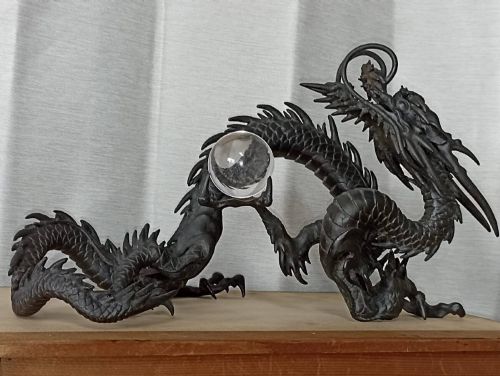
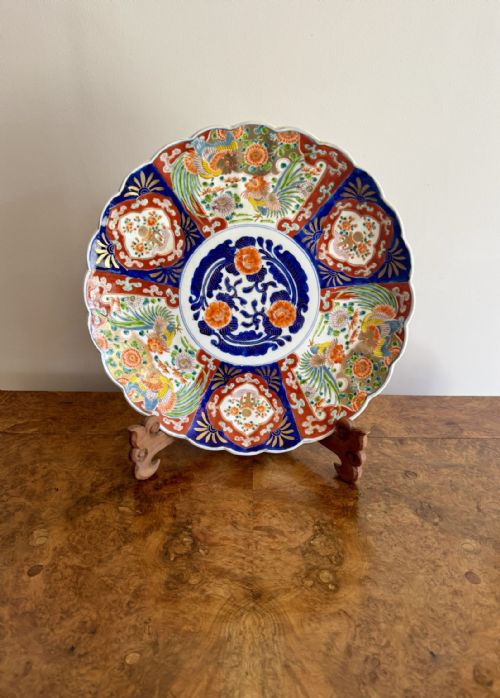
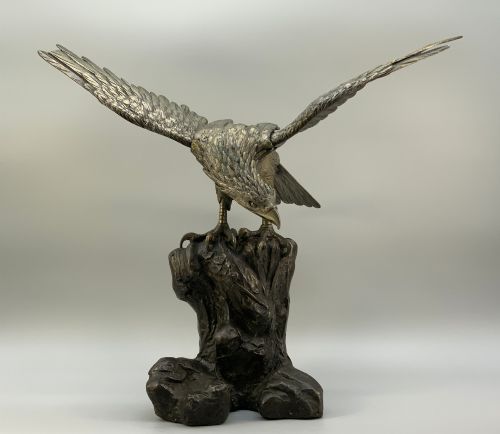
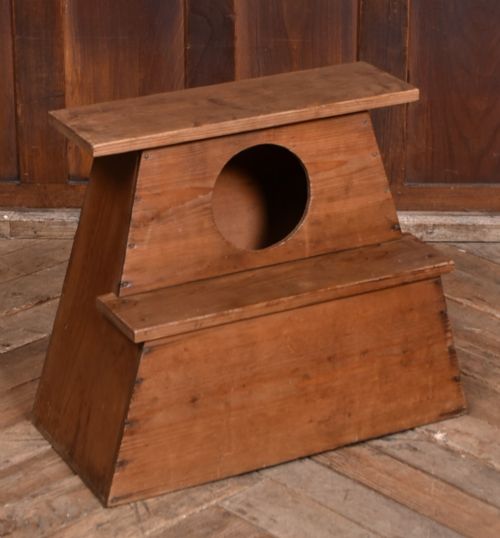
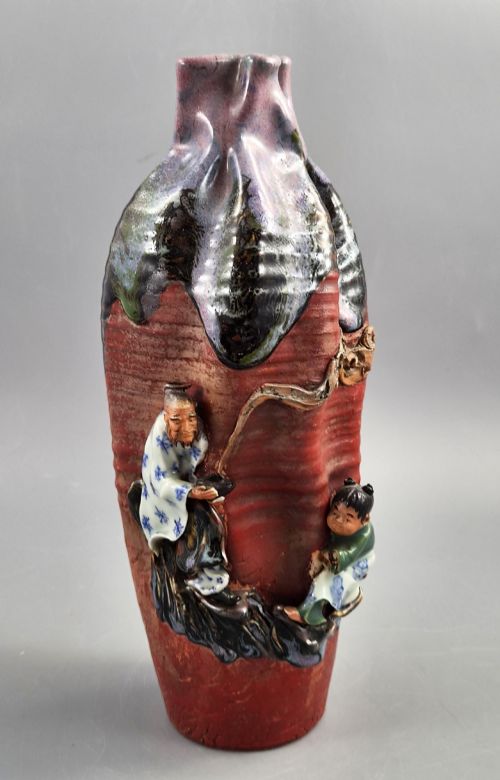
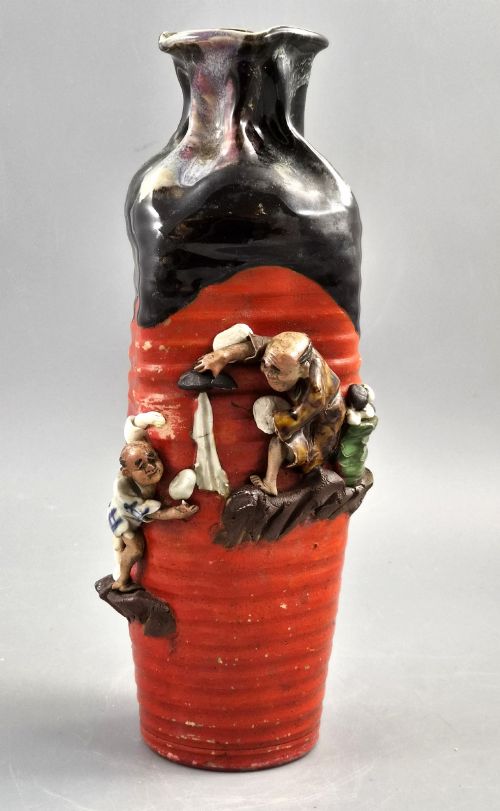
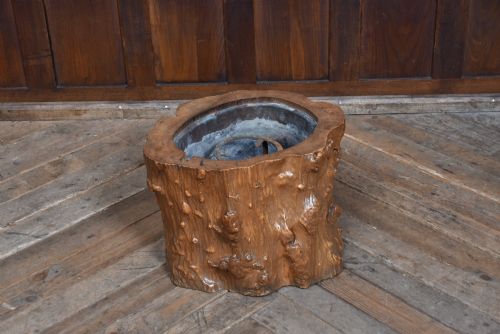
You will frequently encounter vessels such as tall Sumida Gawa vases, Imari plates, and bronze animal figures alongside everyday items like wooden hibachi and vendor stools. The selection highlights both decorative display pieces and functional craft forms originating from distinct Japanese regional traditions.
The objects reflect a period of immense artistic output where traditional Japanese motifs met new technical possibilities. Buyers searching this category typically look for signature pieces that demonstrate the detailed metalwork, ceramics, and lacquer typical of the era.
How they were made
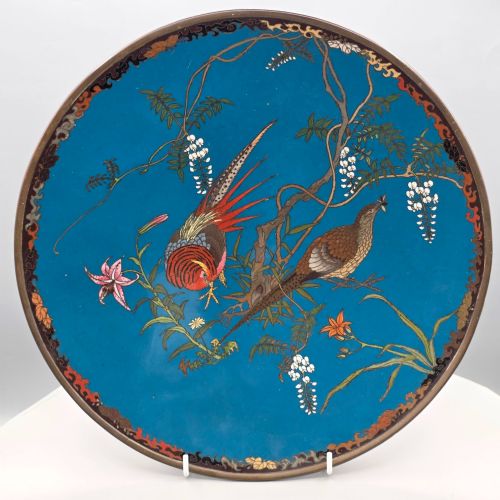
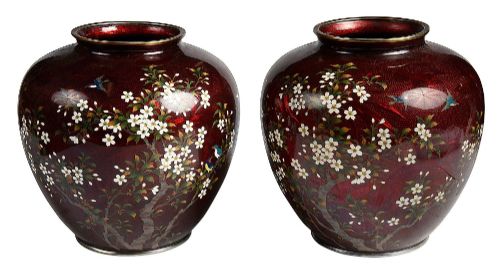
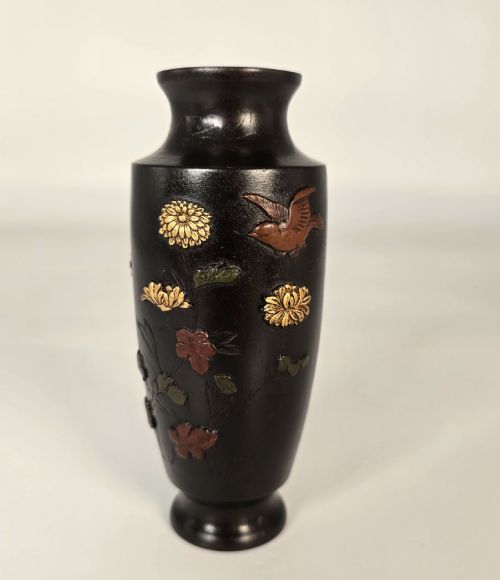
Artisans employed complex techniques across metal, clay, and enamel, utilising bronze, copper, porcelain, and earthenware as primary foundations. Bronze and mixed-metal pieces often involved intricate casting and patination, while cloisonne utilised fine wirework filled with vibrant enamel pastes.
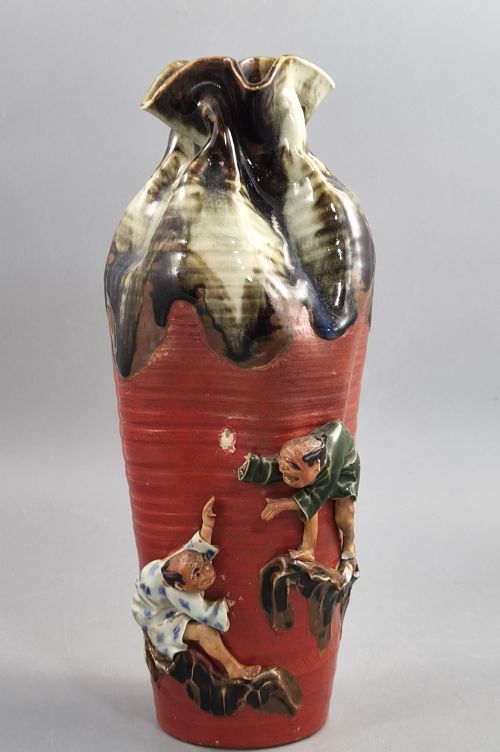
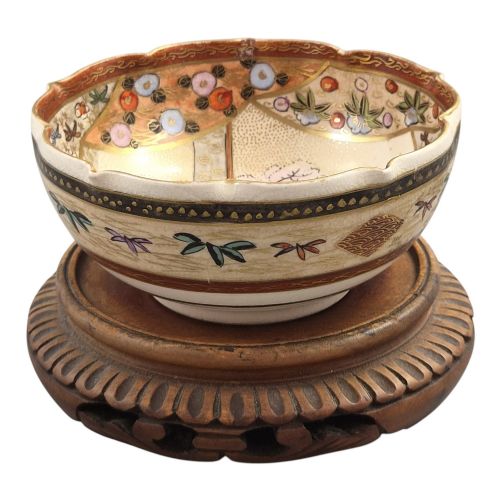
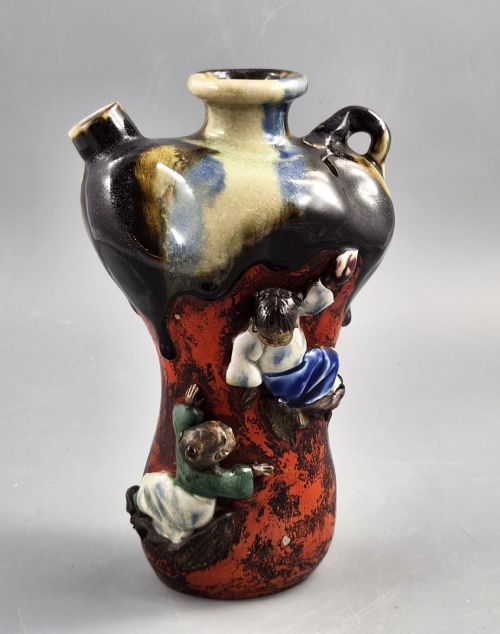
Ceramics such as Satsuma and Kutani required precise throwing and moulding followed by detailed hand-painted overglaze decoration, frequently incorporating gold leaf. Specialised regional pottery styles, including the distinctive flambe glazes and pinched forms of Sumida Gawa, showcase individual studio practices.
Current listings feature diverse objects in bronze, porcelain, enamel, and earthenware, documenting traditional Japanese crafts from the nineteenth and early twentieth centuries.
What varies in quality
Quality rests upon the precision of the execution, the clarity of the maker or studio signature, and the ambition of the design. Masterworks by renowned workshops display superior control in fine metal wires, enamel translucency, or sculptural articulation.
The distinction between standard commercial output and exceptional artistry is visible in the delicacy of painted details, the balance of form, and the overall preservation of fragile surfaces like gilding and patination.
Inoue Ryosai·Makuzu Kozan·Hotoda·Ban-ni·Haruyama Shunzan·Kinkozan·Ando Jubei
The Meiji Period Art Glossary
- Okimono
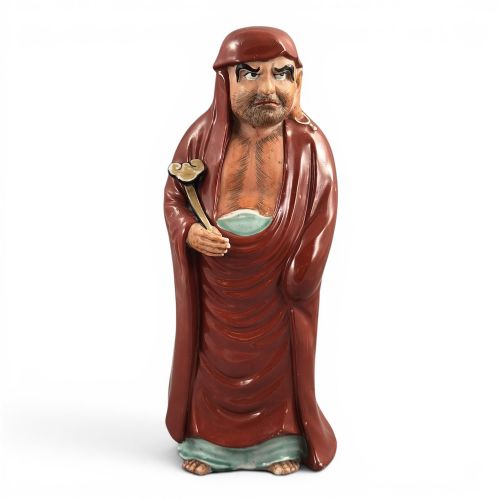
- A standalone Japanese decorative figurine or sculpture intended for display in a tokonoma alcove. These carvings and castings often depict animals, deities, or historical figures.
- Cloisonne
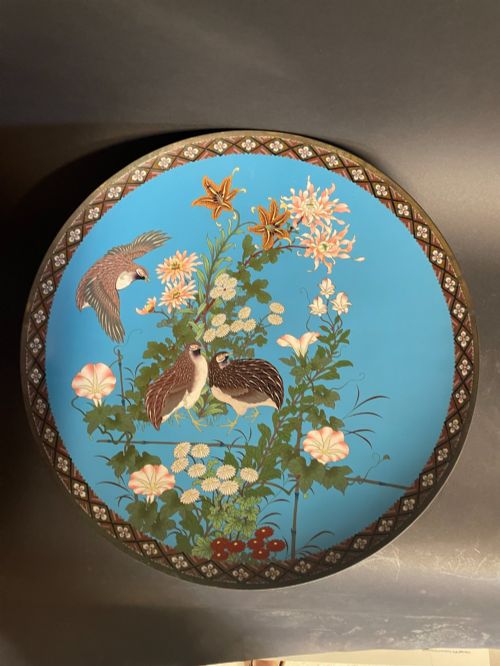
- A metalwork technique where compartments are created on a metal base by soldering flat wires, then filled with enamel paste and fired. This method allows for intricate pictorial designs.
- Satsuma
- A type of Japanese earthenware featuring a pale, ivory-crackled glaze decorated with polychrome enamels and gilt. Much of this ware was produced specifically for export.
- Imari
- A traditional style of Japanese porcelain featuring underglaze blue and overglaze red, green, and gold designs. These durable wares were widely exported and prized for their bold palettes.
- Sumida Gawa
- A distinctive type of Japanese pottery originating near Tokyo, known for its heavy flambe glazes and applied sculptural figures climbing the vessel walls.
Meiji Period Art: Frequently Asked Questions
What is an okimono?
An okimono is a decorative Japanese sculpture or figurine designed for interior display rather than religious ritual. These pieces range from bronze animals to ivory or ceramic figures.
Craftsmen created them to showcase exceptional sculptural skill and observational detail, often depicting natural subjects or traditional folklore.
How do I identify Satsuma ware?
Satsuma ware is characterised by its distinctive cream-coloured earthenware body covered in a fine, web-like network of crackled glaze. The surfaces are typically decorated with elaborate hand-painted designs using rich enamels and gold leaf.
Many pieces bear artist signatures or workshop seals on the underside, pointing to specific kilns in Kyoto or other production centres.
What is ginbari enamel?
Ginbari enamel is a specialised Japanese cloisonne technique where a textured or patterned metal foil is applied to the base before translucent enamel is added. This creates a shimmering, dimensional depth beneath the coloured surface.
It requires immense technical precision and is commonly associated with high-grade Meiji period decorative vessels.
How should I care for bronze pieces?
Bronze objects require minimal maintenance beyond occasional dusting with a soft, dry cloth to prevent the accumulation of abrasive particles. Avoid using liquid cleaners, polishes, or harsh chemicals that can strip the original patination.
Keeping them out of direct sunlight and high humidity helps preserve the stability of the metal surface over time.