



Cast Brass Figurine
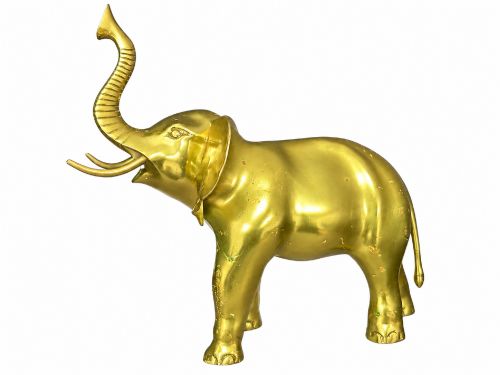
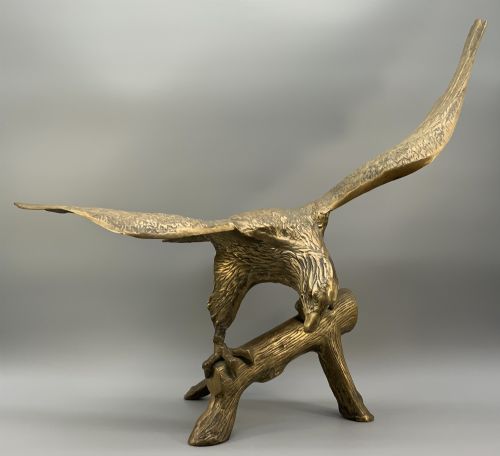
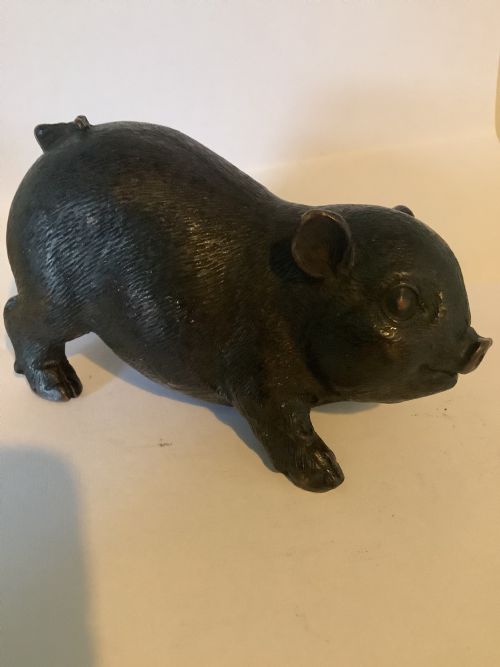
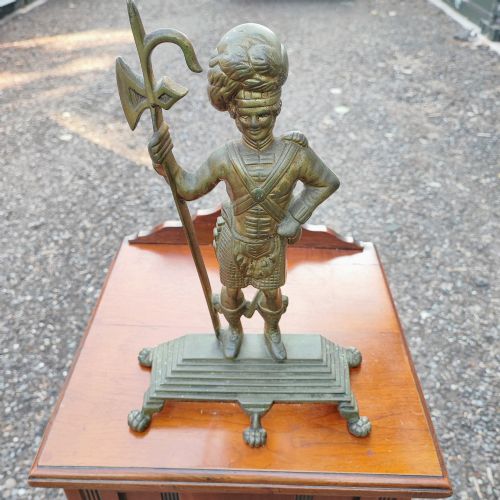
These cast brass figurine examples span animal studies and human figures, offering solid weight and historical character for any mantelpiece or desk.
Cast Brass Figurine
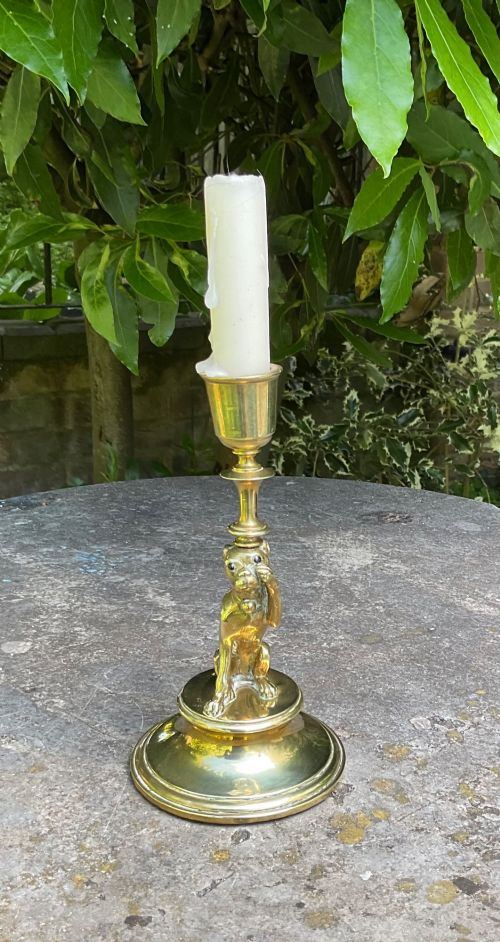
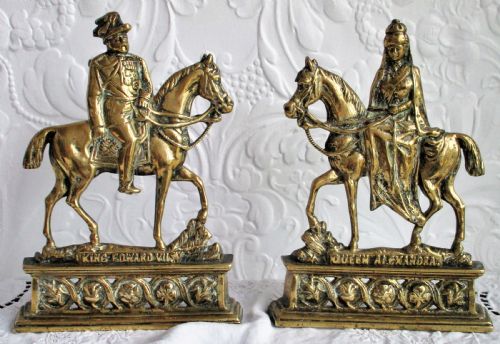
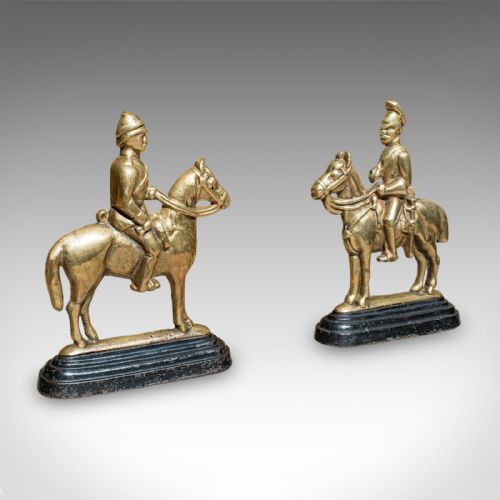
When you search for a cast brass figurine, you encounter a diverse array of sculptural objects ranging from animal studies to human figures. These pieces fulfil various decorative and practical roles, including doorstops, candlesticks, bookends, and chimney ornaments.
The selection on this page draws from multiple periods and styles, including Victorian, Edwardian, Regency, and mid-century modern examples. You will also find international origins such as Indian, Chinese, and West African Yoruba pieces alongside traditional English designs.
Forms vary significantly, encompassing birds of prey, domestic animals, historical figures, and religious iconography. Each object brings a distinct tactile presence through its cast metal construction.
Materials and construction methods
The objects rely primarily on brass and bronze, often shaped through casting techniques to achieve solid form and intricate detail. Some examples incorporate supplementary materials such as wood and paint to accent the primary metal.
Cast Brass Figurine Retail Price Guide 2026
Typical asking prices for cast brass figurine among the pieces listed under this phrase on Sellingantiques today, from the lower quarter to the upper quarter. They describe what is for sale here now, not the wider market.
Belinda Gentle once kept a gilt eagle.
Quality factors in cast brass
The weight and balance of the piece also indicate standard, particularly in items intended to function as doorstops or bookends. Furthermore, age-appropriate patina and surface finish contribute to the overall integrity of the object.
The Cast Brass Figurine Glossary
- Cast brass
- Molten alloy poured into a mould to create solid sculptural forms. This method allows for repeated production of detailed decorative objects.
- Patina
- The surface sheen and colour acquired through age and handling. It develops naturally over decades of exposure to the environment.
- Chimney ornament
- A decorative item placed on the mantelpiece above a fireplace. These figures were designed to be viewed from the front in domestic settings.
- Doorstop
- A heavy utilitarian object shaped to hold doors open. Many antique examples take the form of animals or human characters.
- Chasing
- The manual finishing of a metal casting using small punches and hammers. This technique sharpens details and removes imperfections from the raw metal.
Cast Brass Figurine: Frequently Asked Questions
How do I clean antique brass?
Dust the surface gently with a soft dry cloth to remove everyday particles. Avoid abrasive polishes that might strip away the historic patina.
Leaving the natural ageing intact preserves the character of the metal. Professional guidance is recommended for valuable pieces requiring deeper restoration.
Are these figures solid brass?
Many items consist of solid cast metal, giving them substantial weight suitable for functional roles like doorstops. Some sculptures utilise bronze or mixed metal alloys.
Checking the heft and examining the underside often reveals the solid nature of the casting. Weight varies depending on the intended purpose of the object.
How do I identify Victorian pieces?
Victorian examples often exhibit distinct stylistic cues such as heavy casting, naturalistic animal forms, or specific human characters like soldiers and historical figures. Maker marks or registration numbers occasionally appear on the reverse.
Comparing the casting quality and subject matter with known period types helps confirm the era. Wear patterns should align with nineteenth-century production methods.
Can I use these as doorstops?
Heavier items like the equine figures and character doorstops were specifically designed for practical use holding doors. Their substantial mass prevents movement in everyday settings.
Lighter figurines are better suited for display on shelves or desks rather than floor duty. Assessing the weight ensures the object matches its intended function.