
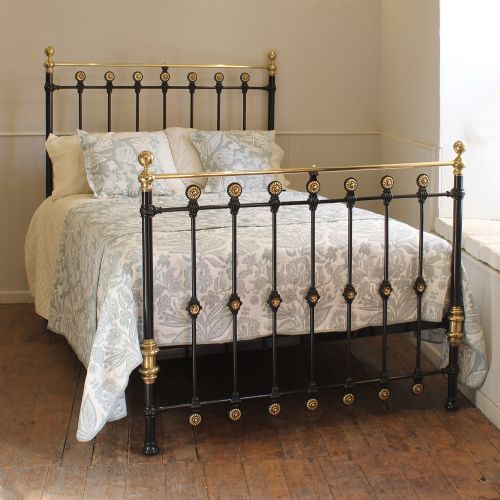
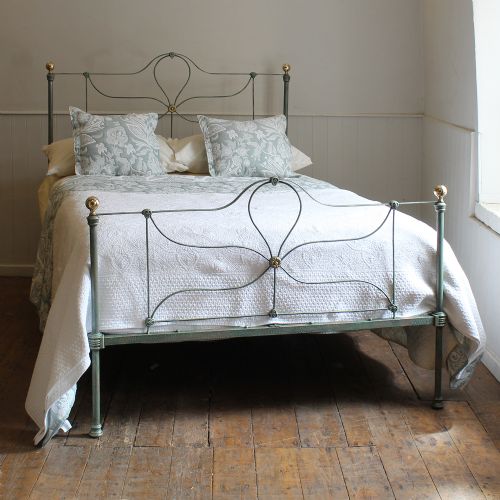
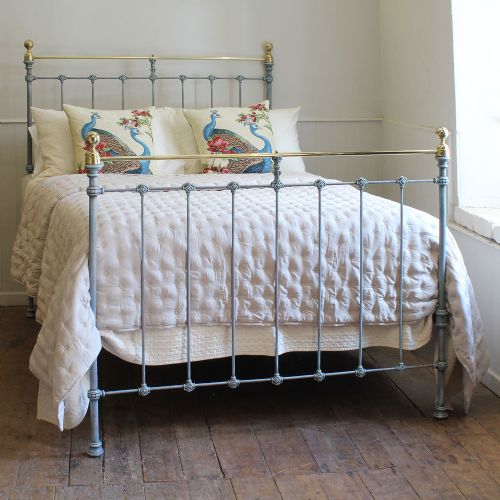
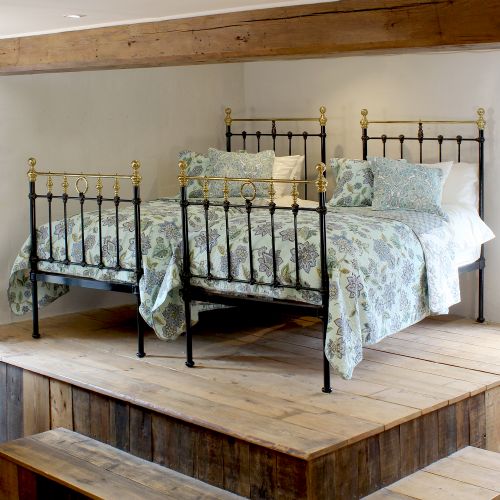

Cast Brass Bedstead Frame
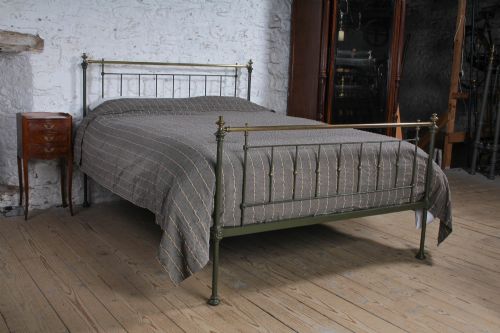
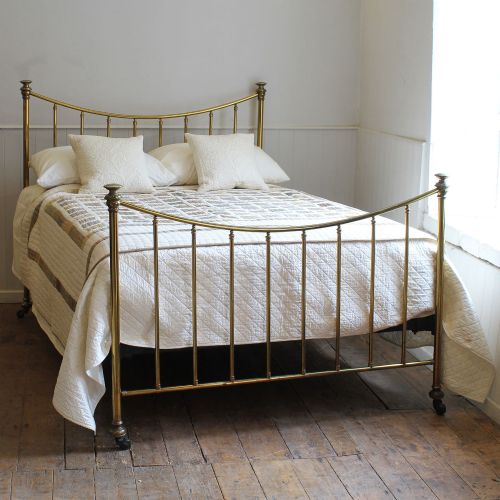
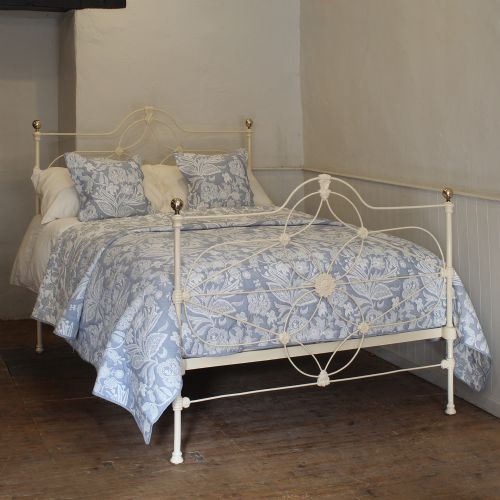
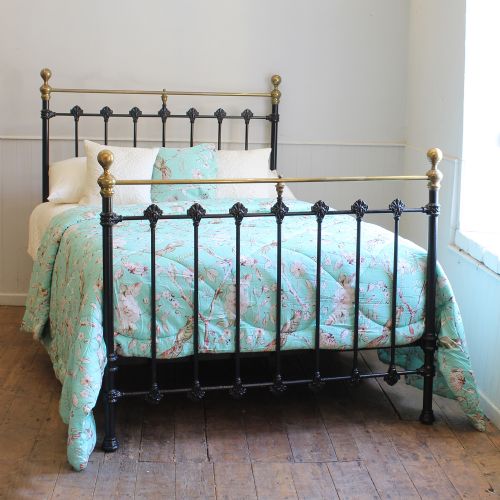
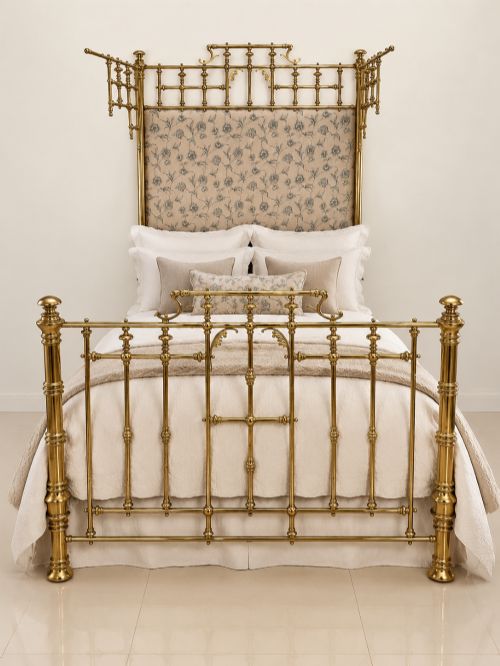
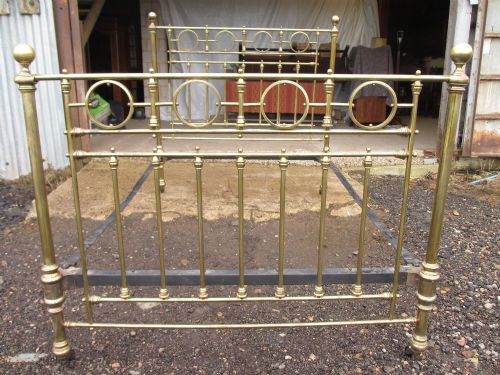
A cast brass bedstead frame brings substantial period weight and shining metalwork to a bedroom, combining heavy iron structure with decorative brass components.
Cast Brass Bedstead Frame
A cast brass bedstead frame is a robust sleeping structure built primarily during the Victorian and Edwardian eras. Buyers search for these pieces to anchor a traditional bedroom with architectural presence and genuine antique metalwork.
The pieces on this page span the mid-nineteenth century through to the early twentieth century, encompassing styles from classic Victorian to Edwardian and Aesthetic Movement designs. You will encounter various sizes ranging from single and small double beds up to king and super king proportions.
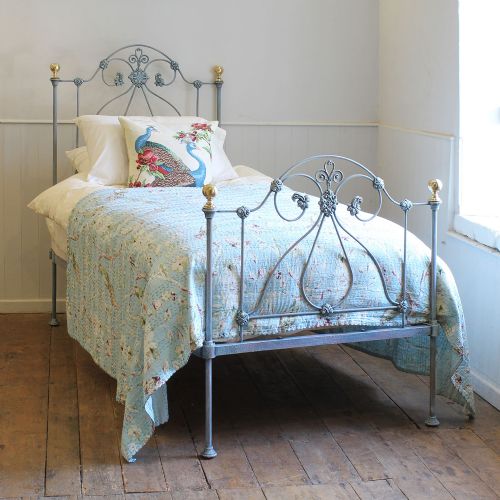
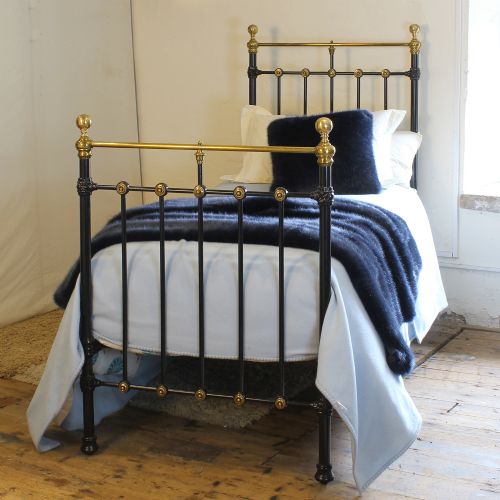
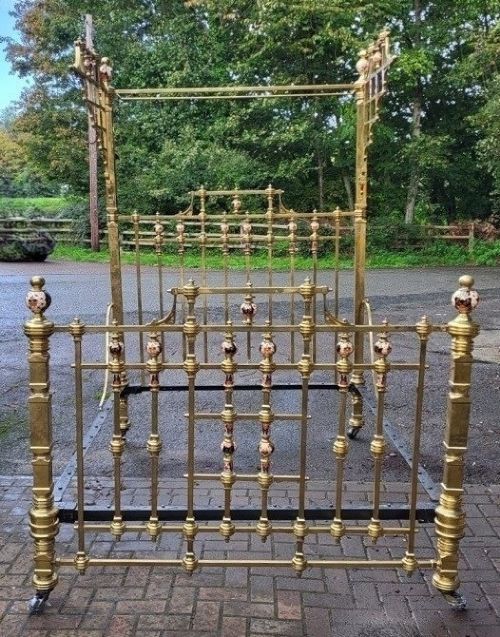
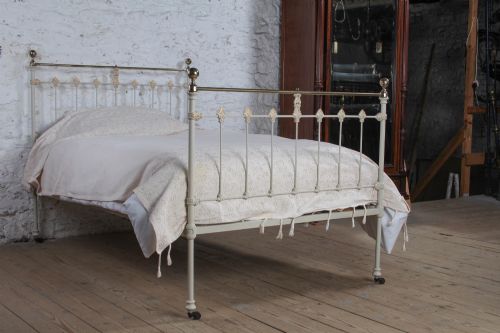
Many examples combine cast brass with iron side rails and frames, often incorporating decorative metal castings, painted surfaces, or ceramic details. Forms include half tester designs, dip rails, and no-end configurations suited to different spatial layouts.
What varies in quality
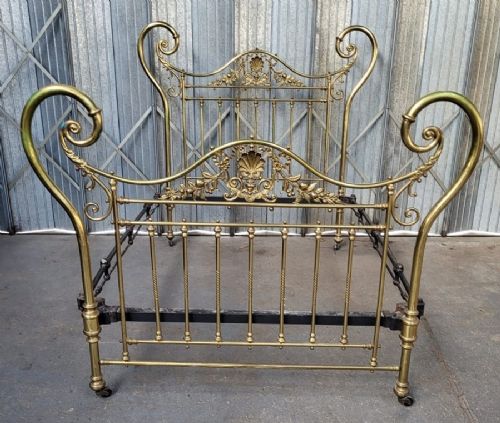
The distinction between standard production and exhibition quality lies in the depth of ornamentation and the crispness of the metal castings. Finer examples display heavier gauge brass, more elaborate detailing on the corner mounts, and sophisticated proportions.
Structural completeness also defines quality, particularly whether the frame retains its original iron slot-in rails and functional castors. The integration of specialty materials like mother of pearl or ceramic accents elevates the refinement of specific pieces.
Some Victorian iron frames surprise admirers by concealing iridescent mother of pearl insets directly within the robust metalwork.
Winfield·R W Winfield·RW Winfield
The Cast Brass Bedstead Frame Glossary
- Half tester
- A bedstead featuring a partial canopy extending over the head of the bed rather than covering the full length. This style creates a focal point similar to a full tester canopy without dominating the entire room.
- Dip rail
- A headboard or footboard top rail that dips downward in the centre. This curved profile softens the linear geometry of metal bed frames.
- Castor
- A small wheel attached to the base of the legs to allow smooth movement across the floor. Original castors indicate that the bed retains its intended height and mobility.
- Aesthetic Movement
- A nineteenth-century design style emphasising visual beauty and artistic detail over strict historical revivalism. Pieces from this movement often display refined proportions and thoughtful decorative motifs.
Cast Brass Bedstead Frame: Frequently Asked Questions
Are these beds standard modern mattress sizes?
Period metal beds were built to nineteenth and early twentieth-century dimensions, which often differ slightly from contemporary standard mattress sizes. Buyers frequently check the internal length and width measurements before acquiring a frame.
Custom or specialist mattresses may be required to fit older single, double, or king size proportions correctly. Checking the rail dimensions ensures modern slats or bases sit securely within the antique iron frame.
How do I assemble an antique metal bed?
Most antique metal bed frames use a slot-in wedge and socket system where the side rails lock directly into the headboard and footboard posts. This wedge mechanism tightens naturally under the weight of a mattress and base.
Assembly typically requires two people to align the heavy iron side rails evenly without forcing the cast metal joints. Ensuring the bed sits square on its castors prevents strain on the corner brackets during daily use.
Can these beds be dismantled for moving?
The traditional construction allows the headboard, footboard, and two side rails to separate completely into individual components. This knockdown design was originally intended for ease of transport between rooms or properties.
Care must be taken with threaded brass finials and decorated castings when taking the frame apart. Keeping original wedges and bolts together preserves the structural integrity for future assembly.
How do I clean antique brass and iron?
Dusting with a dry microfiber cloth removes surface particles without disturbing the protective patina on the metal. Avoid harsh chemical cleaners that strip the aged finish from Victorian brass components.
Iron elements benefit from light maintenance to prevent oxidation, while painted or ceramic details require gentle wiping. Preserving the natural ageing on the metal maintains the character expected from nineteenth-century furniture.