

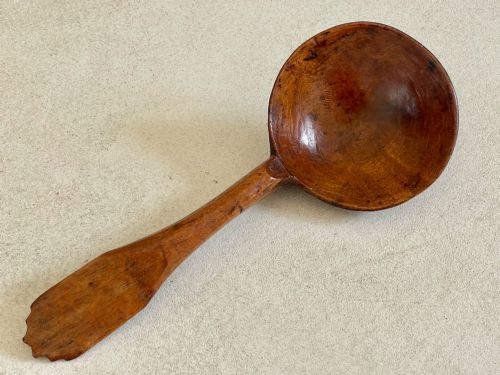
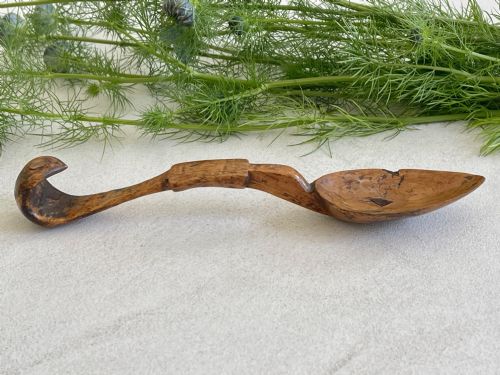


Carved Wooden Scoop
These carved wooden scoop examples are tactile pieces of domestic treen, offering both functional history and warm decorative charm for the modern home.
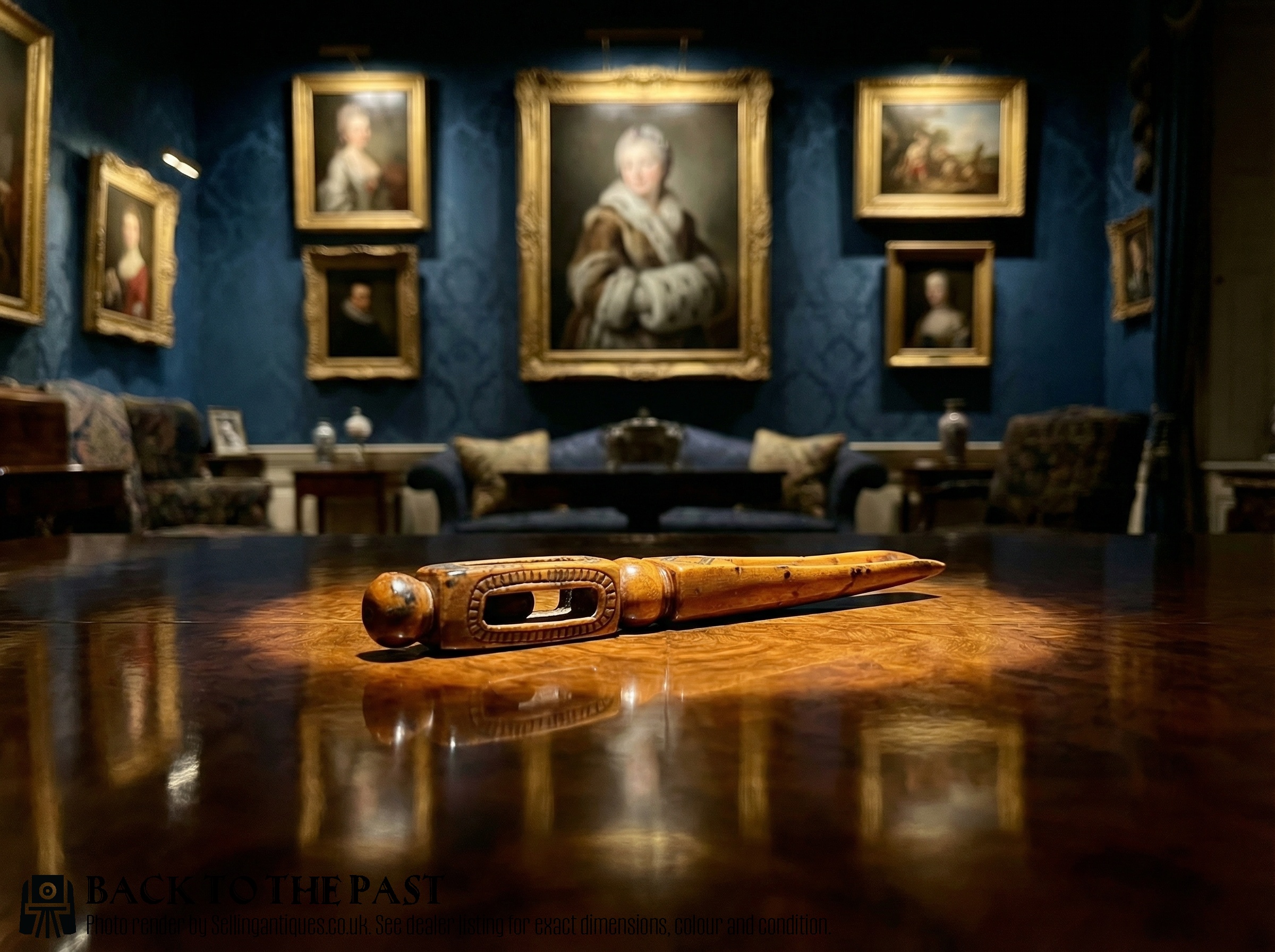
Carved Wooden Scoop
A carved wooden scoop represents domestic treen and kitchenalia, taking forms such as flour and grain scoops, egg bowl ladles, and caddy spoons. These utilitarian objects span periods including the Georgian era, the nineteenth century, and the Edwardian period, reflecting centuries of practical use.
The most common versions met here originate from Welsh folk art and country traditions, alongside broader rustic country styles and occasional East Asian pieces. They range from small snuff spoons to larger flour and grain vessels.
Makers shaped these items for daily toil in the kitchen or pantry, utilising local resources to produce sturdy implements. Their survival demonstrates the enduring appeal of honest, handmade wooden wares.
How they were made
Craftsmen shaped these objects using dense hardwoods like sycamore, beech, cherrywood, and fruitwood, selecting timber for its grain and resilience. Some examples also incorporate brass, pewter, and tin elements to reinforce or accent the design.
Simple hand tools carved the timber directly from the green or seasoned log, leaving behind tool marks that record the maker's hand. Surfaces often display a well-patinated finish achieved through decades of handling and use.
Carved Wooden Scoop Retail Price Guide 2026
Typical asking prices for carved wooden scoop among the pieces listed under this phrase on Sellingantiques today, from the lower quarter to the upper quarter. They describe what is for sale here now, not the wider market.
What varies in quality
Quality rests in the fluidity of the carving and the depth of the surface patina, where years of use impart a rich, warm sheen to the timber. Finer examples show a confident command of the material, with balanced proportions and harmonious tool marks.
The choice of wood influences the character of the piece, with tightly grained sycamore and figured fruitwoods offering a finer canvas than utilitarian utility timbers. Integrity of form and minimal structural loss elevate certain pieces above standard kitchenalia.
The Carved Wooden Scoop Glossary
- Treen
- Small handmade wooden domestic objects. This term encompasses everything from spoons and bowls to small boxes and scoops.
- Kitchenalia
- Domestic utensils and equipment collected for their historical and aesthetic interest. These items record the daily routines of past domestic life.
- Patina
- The surface sheen and colour developed by wood over years of handling and exposure. A good patina adds visual depth and indicates age.
- Folk art
- Utilitarian or decorative objects made by self-taught or rural artisans within a traditional style. Welsh folk art provides several examples in this category.
Carved Wooden Scoop: Frequently Asked Questions
What were carved wooden scoops used for?
These utensils served practical roles in domestic spaces, primarily for measuring and transferring dry goods like flour, grain, and tea. Larger scoops managed pantry stores, while smaller caddy or snuff spoons handled precise quantities.
Over time, these functional objects transitioned from daily kitchen tools into collectible items valued for their craftsmanship and rustic aesthetic.
How do I date a wooden scoop?
Dating relies on identifying the timber species, tool marks, and stylistic traits associated with specific periods like the Georgian era or the nineteenth century. Welsh country pieces often display regional turning or carving habits that help place them in time.
Patina and wear patterns also offer clues, as older pieces exhibit distinct handling marks accrued through generations of domestic use.
How should I display my scoop?
These pieces suit placement on open kitchen shelving, mounted on walls via integrated hooks, or arranged in shallow wooden bowls. Their organic forms and warm timber tones complement both traditional country houses and modern interiors.
Keeping them away from direct heat sources and sudden humidity changes will protect the historical wood and maintain the surface patina.