
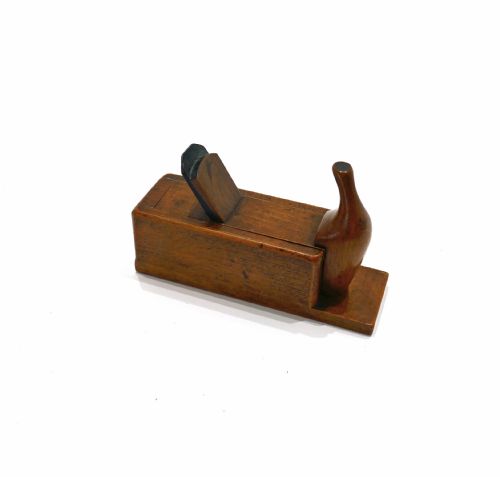


Antique Treen Fruitwood
Antique treen fruitwood encompasses turned and carved domestic objects shaped from dense timbers during the seventeenth, eighteenth, and nineteenth centuries.
Antique Treen Fruitwood
The material itself defines much of the character of these pieces, showing dense grain structures and patinas developed through generations of handling. Most examples originate from British and European workshops dating across the Georgian and Victorian eras, reflecting everyday domestic life before mass production.
How They Were Made
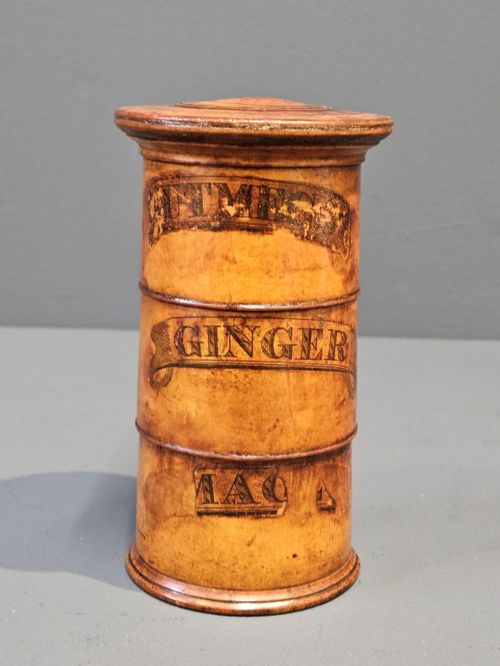
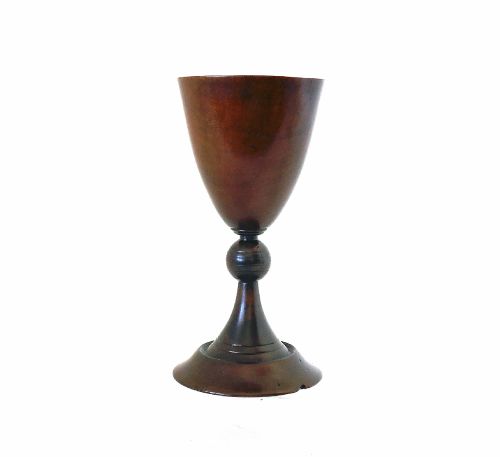
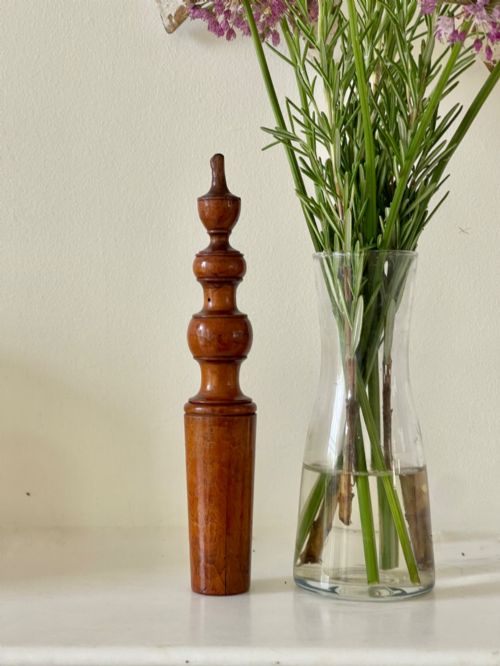
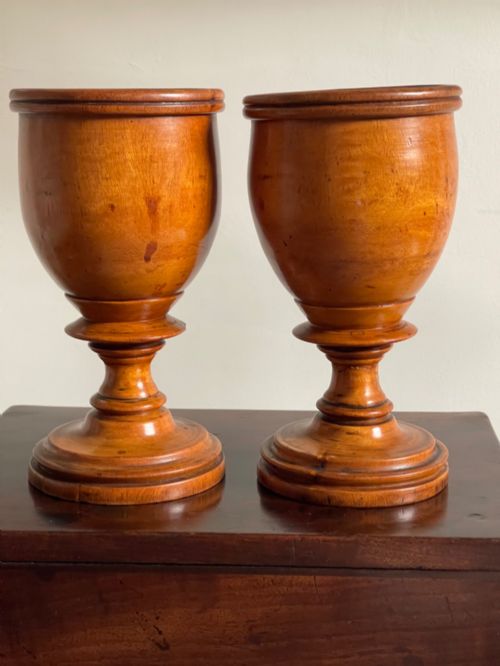
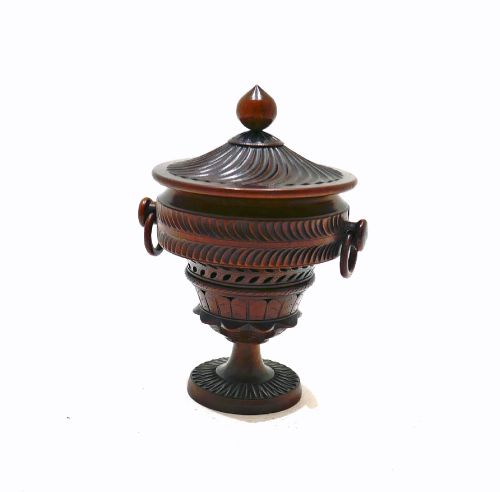
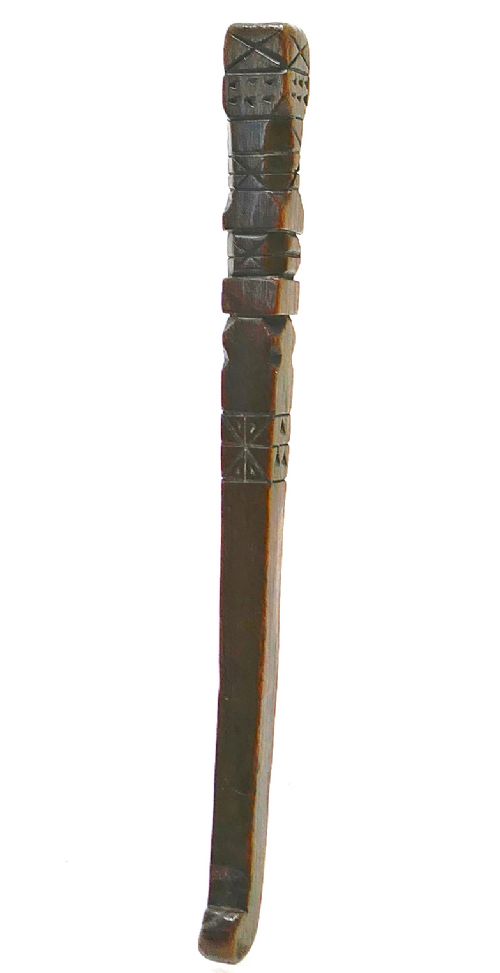
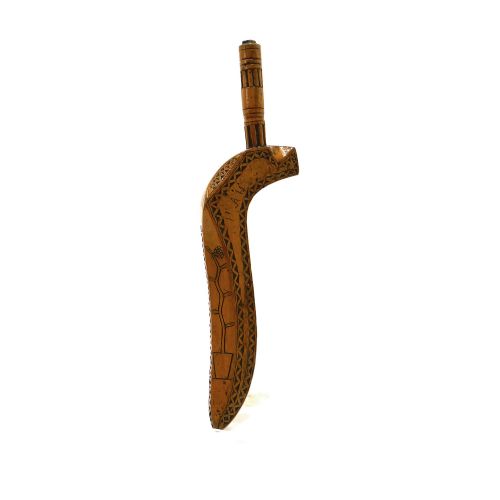
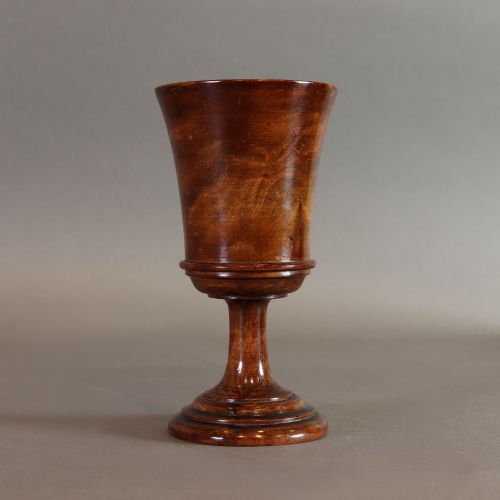
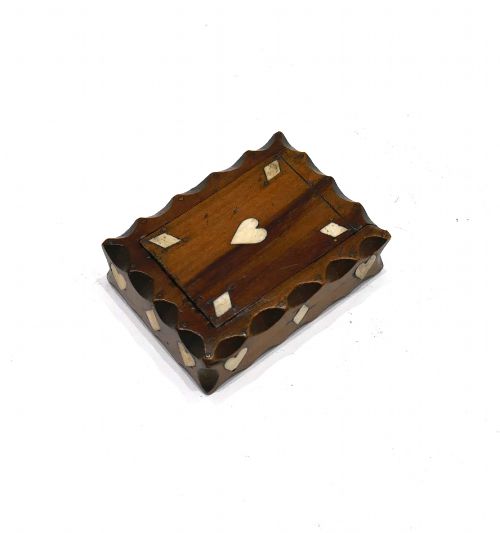
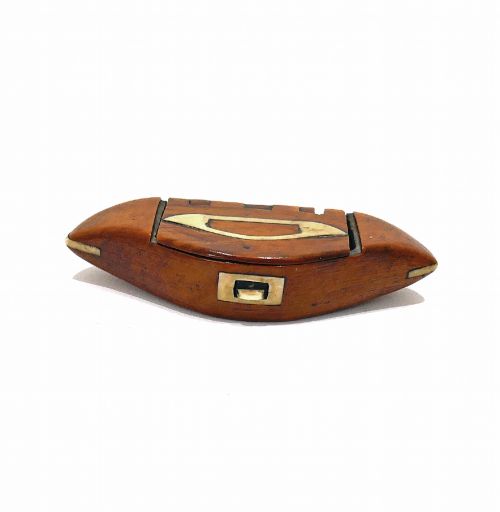
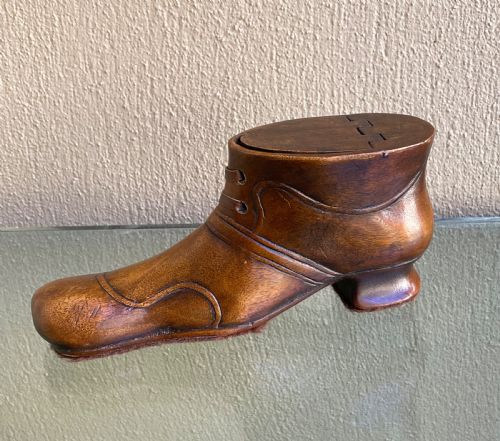
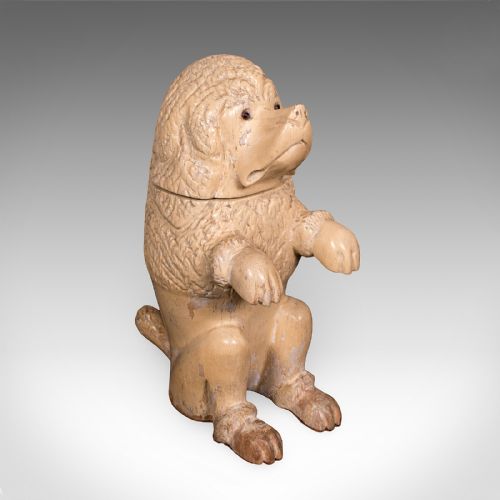
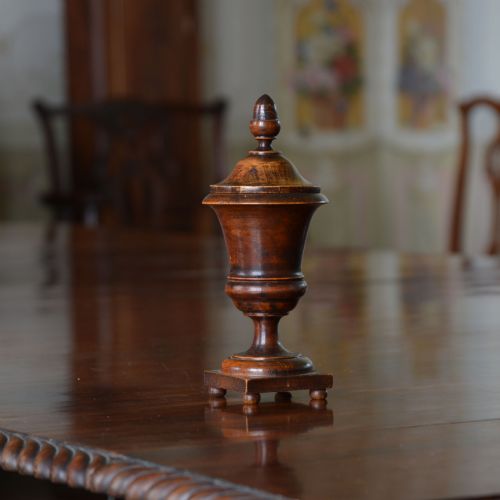
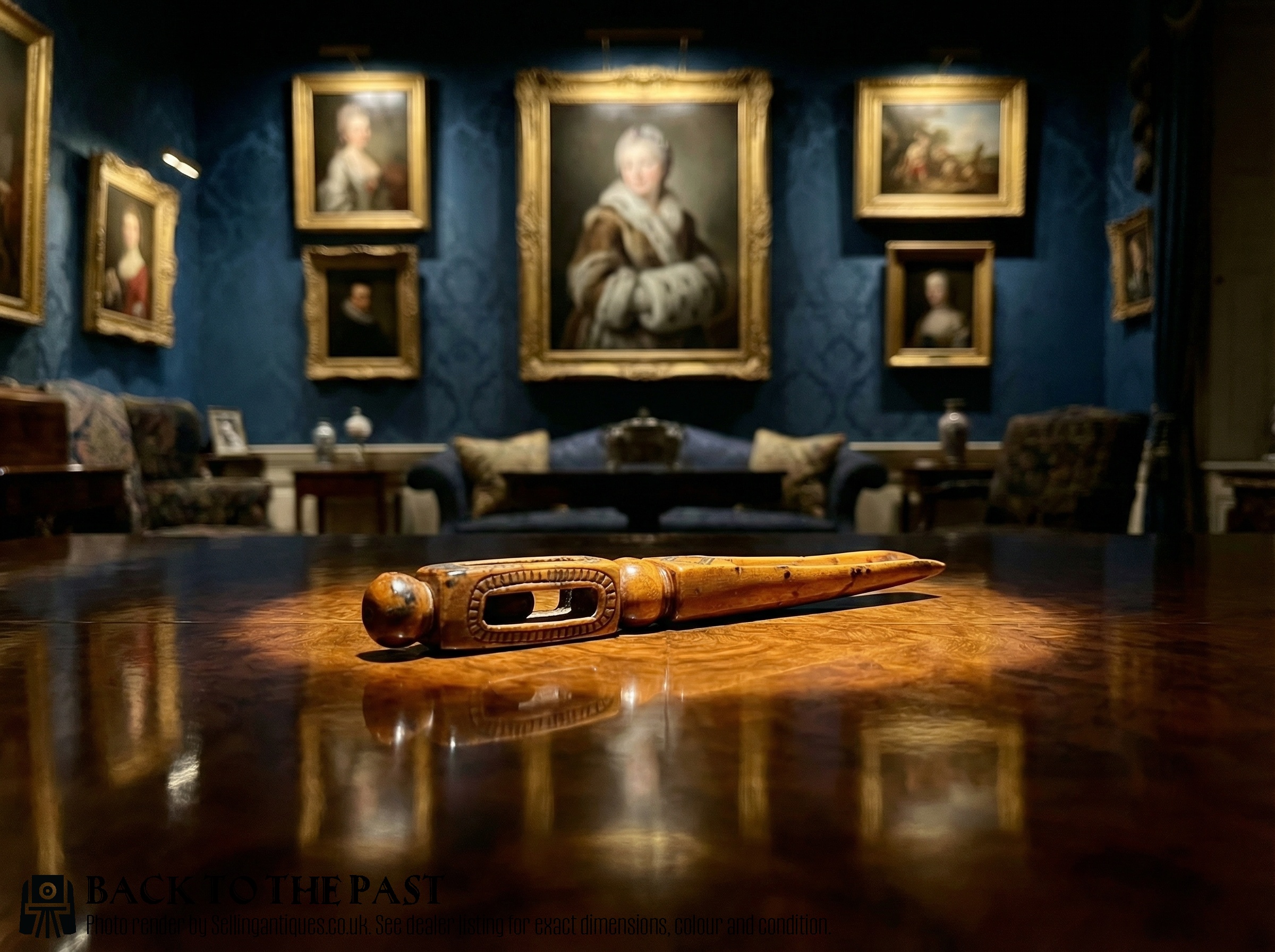
Artisans turned fruitwood on lathes to produce symmetrical hollowware such as goblets, taper vases, and spice towers, exploiting the dense and stable grain of the timber. Other pieces relied on hand carving and chip carving, utilising gouges and knives to decorate lovespoons, knitting sheaths, and figural snuff boxes.
Many items incorporate contrasting materials such as bone inlays, brass piquet work, and metal pins to accent the warm tones of the fruitwood. Simple turning marks and tool signatures often remain visible beneath the polished surfaces accumulated through decades of domestic service.
Listings feature fruitwood items from the seventeenth, eighteenth, and nineteenth centuries, including Georgian and Victorian examples.
What Varies in Quality
The finesse of the turning and the crispness of the hand-carved decoration set superior items apart from plain utilitarian pieces. Objects featuring integrated decorative elements like bone hearts, brass inlay, or complex folk art motifs represent higher tiers of craftsmanship.
Condition and originality dictate much of the standing within this field, particularly where surfaces retain unpolished historic patinas rather than modern interventions. The sophistication of the form, whether a standard turned bowl or an elaborate figural snuff box, marks the distinction.
The Antique Treen Fruitwood Glossary
- Treen
- Small handmade wooden domestic objects. These items include everyday utensils, boxes, and treen fruitwood tableware used in historical homes.
- Fruitwood
- Dense timber harvested from fruit-bearing trees such as apple, pear, and plum. This wood is prized by turners for its fine, even grain and rich patina.
- Snuff box
- A small lidded container designed to hold powdered tobacco. Examples often take imaginative shapes or feature bone and brass inlay.
- Lovespoon
- An ornate wooden spoon carved as a token of affection. Welsh makers frequently decorated these with intricate openwork, chains, and hearts.
- Pestle and mortar
- A heavy bowl and club set used for grinding spices or medicinal ingredients. Early examples turned from solid hardwood remain durable domestic survivals.
Antique Treen Fruitwood: Frequently Asked Questions
What is antique treen fruitwood?
Antique treen fruitwood refers to small, functional wooden objects shaped from dense orchard timbers like apple, pear, or plum. These items include domestic utensils, containers, and decorative pieces made primarily during the eighteenth and nineteenth centuries.
The term covers a diverse category of surviving domestic wares shaped by hand or on a lathe. Collectors value them for their tactile qualities and the rich patinas developed over centuries of use.
How were fruitwood items used historically?
These wooden objects served practical roles in kitchens, parlours, and personal use before the advent of plastic and mass manufacturing. Items ranged from spice grinders and dairy bowls to pocket snuff boxes and knitting sheaths.
Many pieces held specific domestic duties, such as measuring spices, storing tobacco, or aiding in textile production. Their sturdy construction ensured they survived generations of daily handling.
How do I care for antique treen?
Preserving these wooden objects requires keeping them away from direct heat sources and sudden humidity changes. Extreme dryness causes timber to split, while moisture can damage historic patinas.
A light application of appropriate wax helps maintain the surface finish without softening the historic timber. Gentle dusting with a dry cloth keeps the surface clean.
How can I tell the age of these pieces?
Dating relies on observing tool marks, wood species, construction methods, and stylistic cues characteristic of specific periods. Georgian and Victorian items often show distinct turning profiles and wear patterns.
Comparing the construction to dated examples or documented regional styles provides further clues to origin and age. Original patinas and tool methods remain primary indicators of period manufacture.