

Carved Wooden Press
A carved wooden press provides substantial storage and display, bringing historic craftsmanship and timber character directly into a room.
Carved Wooden Press
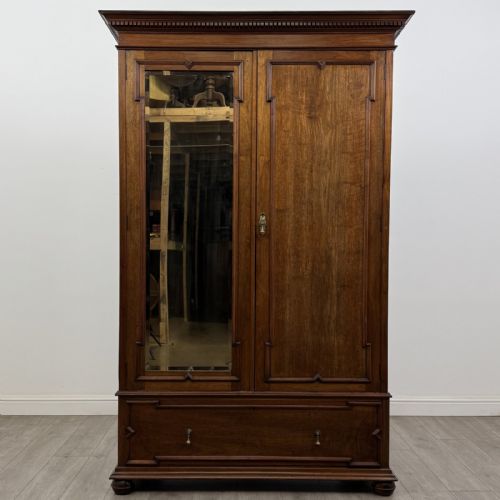
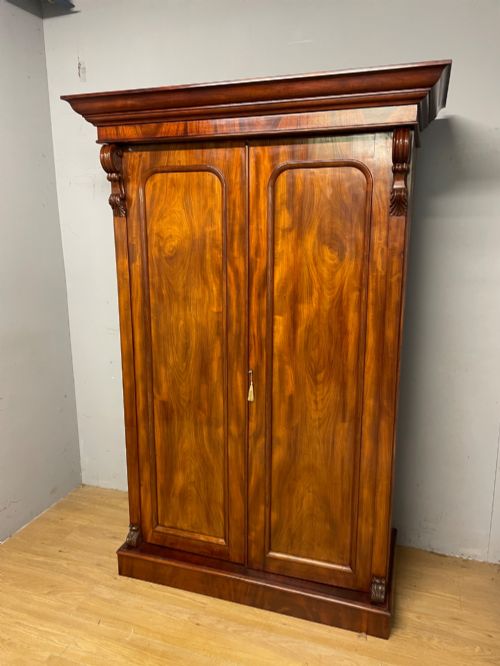
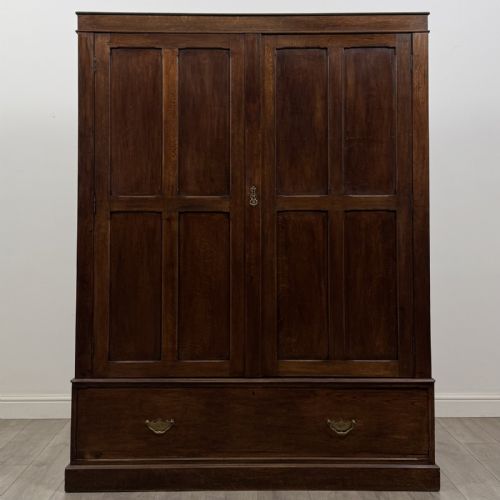
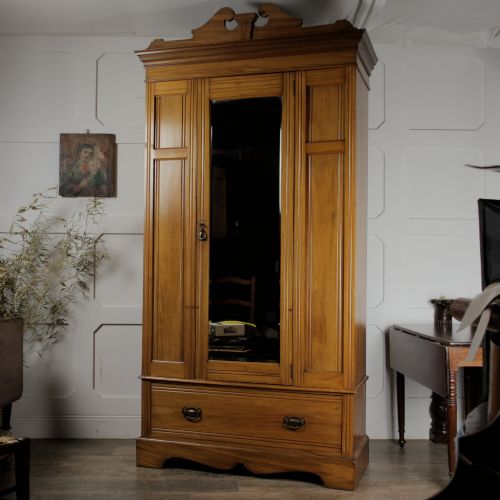
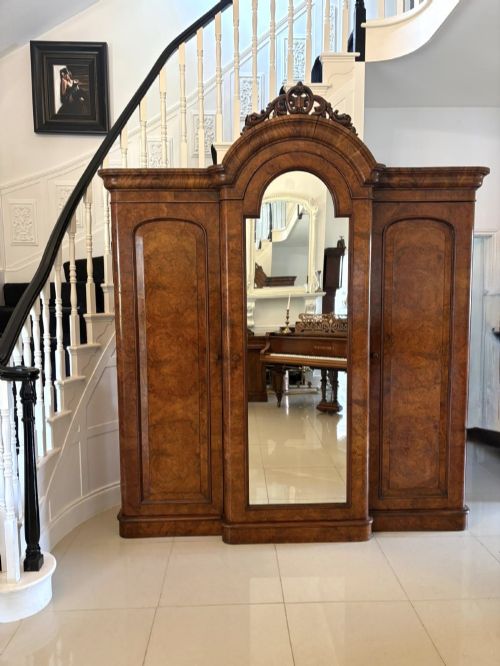
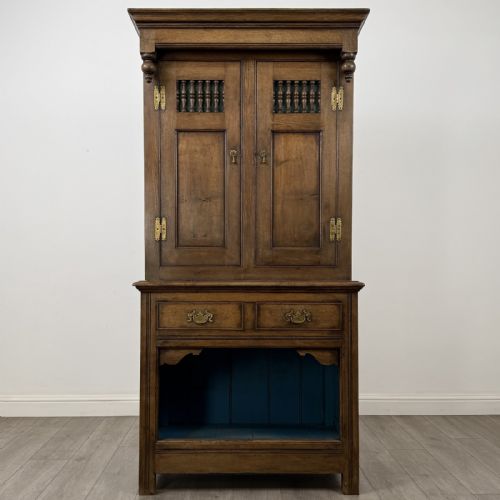
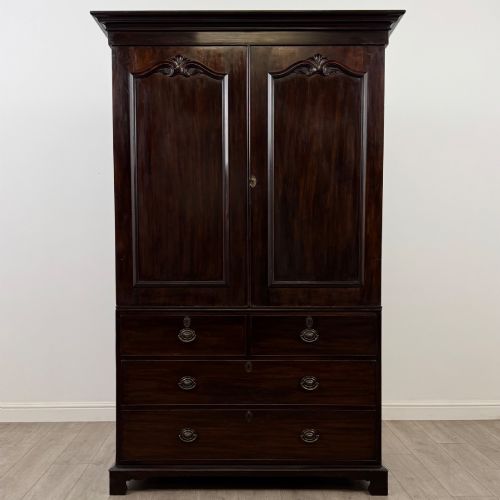
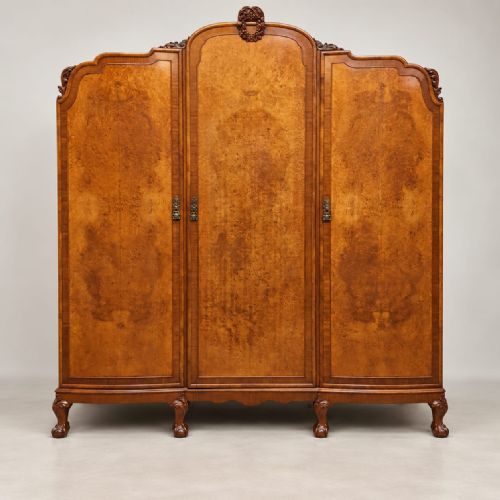
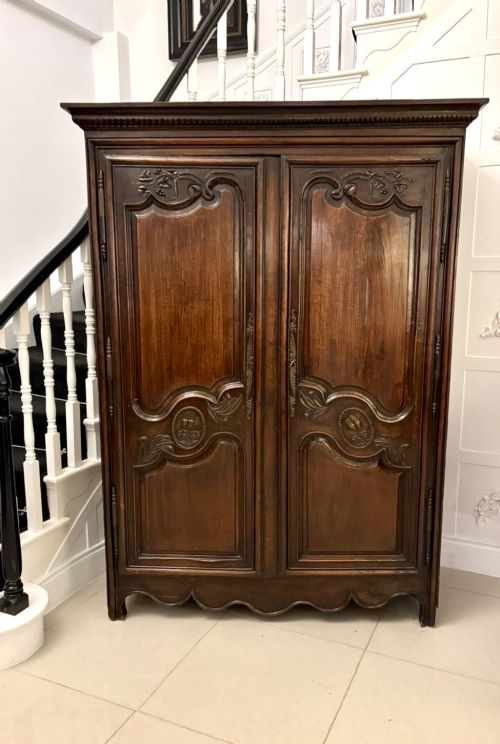
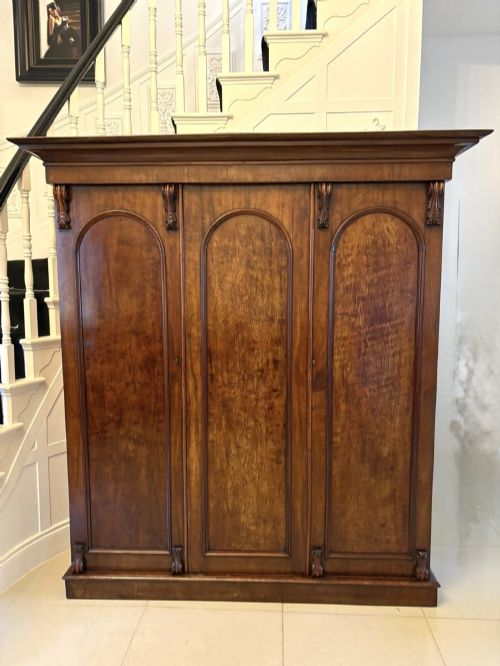
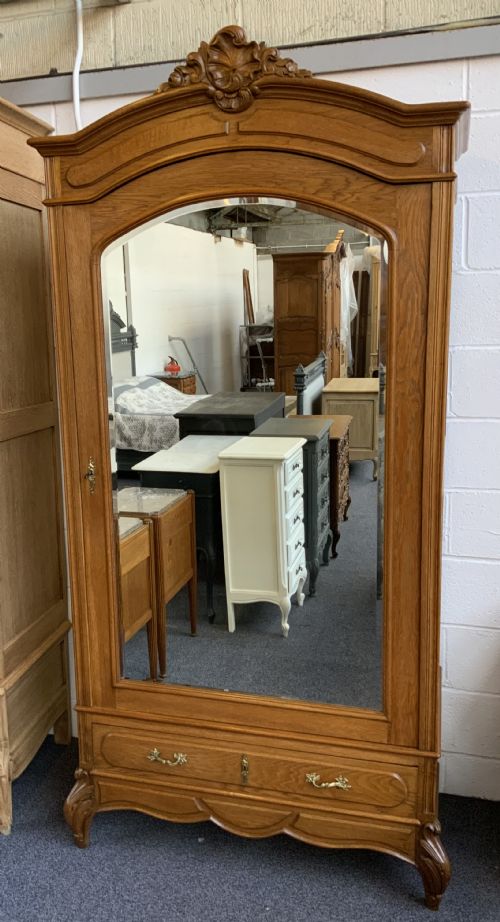
A carved wooden press is a large storage furniture piece designed to hold linen, clothing, or household goods, appearing here primarily in forms such as linen presses, wardrobes, armoires, and cupboards. These items originate across multiple periods spanning from the seventeenth century through the Edwardian era, reflecting diverse European and British cabinet-making traditions.
The pieces on this page emerge in styles ranging from Georgian, Victorian, and Edwardian to French Provincial, Jacobean, and Art Nouveau. Buyers encounter sturdy timber constructions adorned with decorative carving, fielded panels, and occasionally painted surfaces or inlaid details.
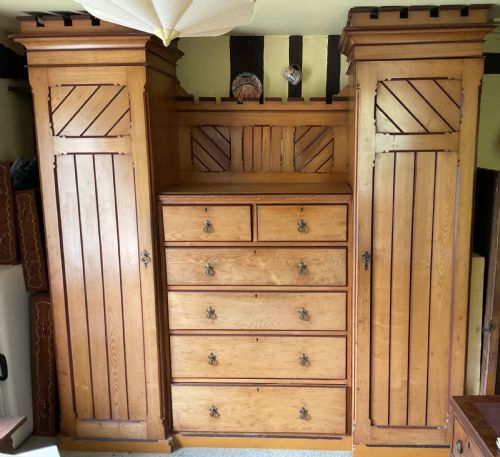
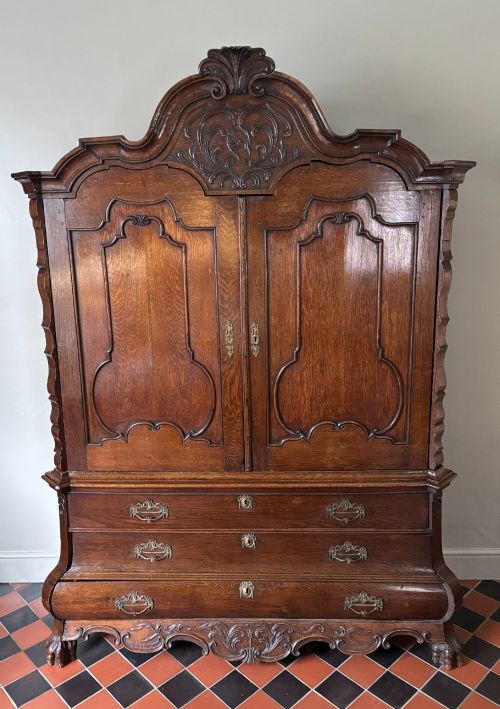
Forms vary from tall multi-door wardrobes and compactum units to Dutch linen presses and court cupboards. Oak, walnut, and mahogany dominate the structural woods, frequently accompanied by secondary timbers like pine and ash.
How they were made
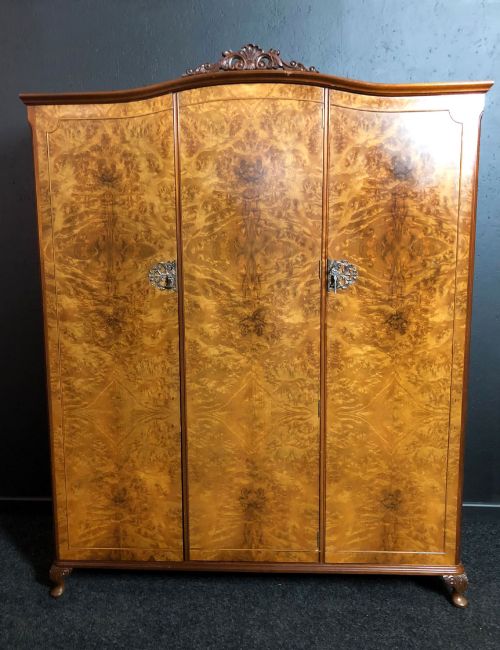
Cabinet-makers constructed these presses using solid timbers such as oak, walnut, mahogany, and pine, often applying figured veneers like burr walnut or flame mahogany to principal display surfaces. Joints were traditionally pegged, dovetailed, or tenoned by hand to ensure structural stability across large panels.
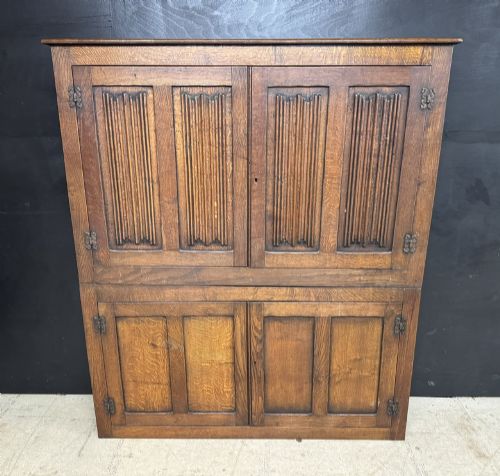
Carving was executed directly into the timber by hand, ranging from simple geometric panels to elaborate provincial motifs and flowing Art Nouveau flourishes. Iron and brass hinges, locks, and handles completed the construction, securing heavy doors and internal sliding trays or shelves.
Carved Wooden Press Retail Price Guide 2026
Typical asking prices for carved wooden press among the pieces listed under this phrase on Sellingantiques today, from the lower quarter to the upper quarter. They describe what is for sale here now, not the wider market.
Regional styles represented include French Provincial, Italian Rococo, Flemish, and Spanish Basque designs alongside traditional British forms.
What varies in quality
Quality rests upon the selection and matching of timber grains, particularly where burr walnut or flame mahogany veneers are applied to large door panels. Superior examples display crisp, deeply articulated hand carving rather than shallow, mechanical indentation.
Internal configuration also distinguishes finer pieces, such as the presence of original linen slides, fitted drawers within compactum wardrobes, or intact blacksmith-made iron hardware. The integrity of the original joints and the preservation of patinated timber surfaces elevate a piece above standard utility items.
Maple & Co
The Carved Wooden Press Glossary
- Compactum
- A multi-compartment wardrobe combining hanging space, shelves, and internal drawers within a single carcass. This efficient form became particularly popular during the late nineteenth century.
- Linen press
- A tall cupboard traditionally used for storing pressed table linen and garments on sliding trays or shelves behind upper doors. The lower section typically incorporates a chest of drawers.
- Court cupboard
- A heavy, antique storage cabinet featuring enclosed lower cupboards and a recessed upper tier supported by carved columns. These pieces date to earlier periods like the seventeenth century.
- Armoire
- A large standing wardrobe of continental European origin, usually fitted with deep internal storage. They often feature prominent crown moulding and substantial panelled doors.
- Flame mahogany
- A decorative mahogany veneer cut from the branch junction where the grain pattern resembles flickering flames. It was prized for creating symmetrical patterns on grand cabinet doors.
Carved Wooden Press: Frequently Asked Questions
What is a linen press?
A linen press is a traditional storage unit featuring upper doors that enclose sliding trays or shelves, paired with lower drawers. It was designed to keep household textiles flat and organised.
Over time, many of these presses were adapted into standard wardrobes by replacing internal trays with hanging rails. Today, they serve equally well for modern clothing or linen storage.
How do I date a wooden press?
Dating relies on examining the timber species, construction methods, and stylistic details such as hardware and carving. Seventeenth and eighteenth-century examples often display heavy oak framing and hand-forged iron hinges, while Victorian and Edwardian pieces frequently utilise walnut or mahogany veneers.
Secondary woods inside drawers and back panels also offer clues, as pine and ash usage shifted across different decades. Comparing the overall proportions to documented period styles helps confirm the era of manufacture.
Where should I place a large armoire?
A large armoire requires a wall with sufficient height and depth to accommodate its grand proportions without overwhelming the room. Bedrooms and spacious hallways provide ideal locations, offering both practical storage and a strong decorative focal point.
Because these pieces are heavy, placement should also account for floor strength and accessibility through doorways during installation. Ensure the chosen wall allows doors to swing fully open for easy access to internal shelves or hanging space.
How do I care for antique timber?
Antique timber benefits from consistent indoor humidity levels and protection from direct sunlight, which can fade polished surfaces and dry out old wood. Regular dusting with a soft, dry cloth prevents particle buildup without harming the finish.
Occasional application of appropriate wax polish helps nourish the grain and preserve the historic patina. Avoid liquid silicone sprays, as they can permanently alter or damage traditional wax and shellac finishes.