






Carved Wooden Mould
These carved wooden mould pieces are functional forms and architectural elements shaped by hand, offering rich texture and historic utility to modern interiors.
Carved Wooden Mould
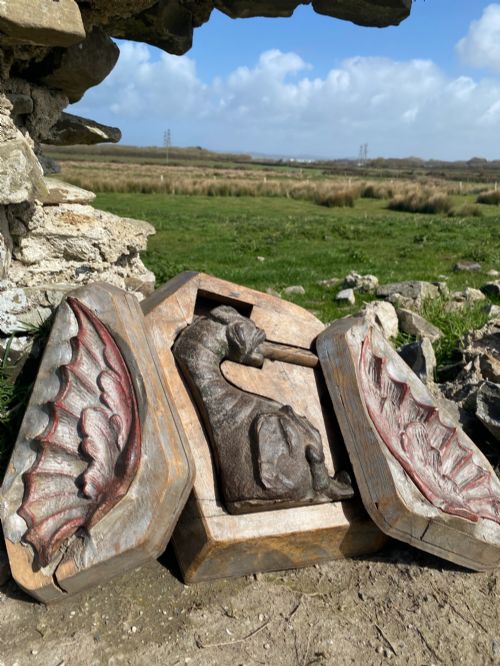
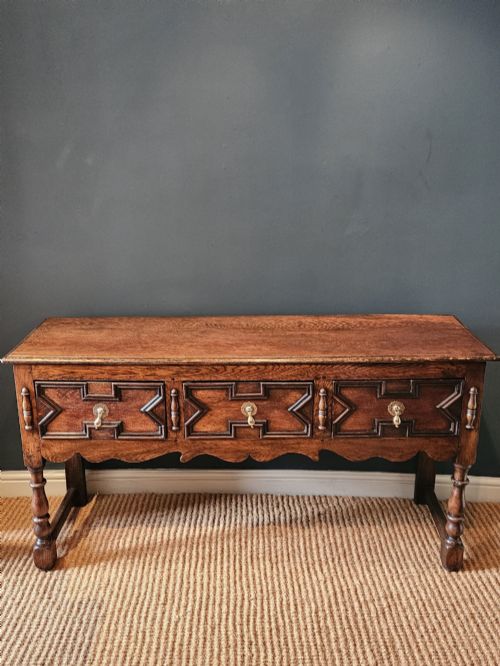
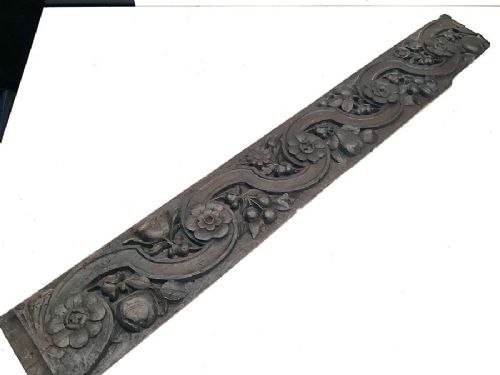
When you search for a carved wooden mould, you encounter a selection of architectural salvage, kitchenalia, and utilitarian forms dating from the seventeenth century to the twentieth century. These items encompass items such as butter prints, gingerbread moulds, coffer panels, and decorative pediments shaped from various timbers.
The pieces on this page lean heavily towards functional domestic objects and architectural elements rather than delicate decorative ornaments. You will find items originating from English, French, and Portuguese workshops, reflecting both vernacular traditions and formal period styling.
The forms vary from geometric moulded coffers and dressers to pictorial gingerbread moulds and treen items. Each piece demonstrates how utilitarian woodwork from past centuries combined structural necessity with manual dexterity.
How they were made
The construction of these items relies on solid timbers such as oak, walnut, sycamore, teak, fruitwood, and cedar, shaped using traditional hand tools and carving chisels. Craftsmen selected dense woods capable of holding sharp details and withstanding repeated practical use, whether in a kitchen, a workshop, or a grand interior.
Surface treatments recorded across the listings include traces of original paint, gesso, parcel-gilt, and polished finishes that highlight the natural grain of the wood. Metal elements like brass, iron, and pewter occasionally appear as structural fixings or integrated components alongside the timber bodies.
Carved Wooden Mould Retail Price Guide 2026
Typical asking prices for carved wooden mould among the pieces listed under this phrase on Sellingantiques today, from the lower quarter to the upper quarter. They describe what is for sale here now, not the wider market.
Listings span from the 17th century through the Georgian and Victorian eras up to the 1920s, utilising oak, walnut, sycamore, teak, fruitwood, and cedar.
What varies in quality
The distinction between standard examples and finer pieces lies in the crispness of the hand carving and the integrity of the timber. Sharply defined motifs on a gingerbread mould or precise geometric work on an oak coffer front indicate superior workshop execution.
Original surface preservation heavily influences the character of each piece. Items retaining their early paint, unmolested patination, or untouched structural joinery stand apart from those with heavy modern intervention or lost material.
The Carved Wooden Mould Glossary
- Treen
- Small handmade wooden objects for domestic use. This term covers items like butter prints, biscuit cutters, and hat blocks.
- Mould
- A hollowed or shaped form used to shape food, plaster, or textiles. In this context, it includes large carved boards for gingerbread and architectural sections.
- Pediment
- A triangular or decorative gable above a door, window, or piece of furniture. These architectural elements often survive as standalone carved wooden items.
- Coffer
- A large wooden chest used for storage, frequently featuring panel construction and geometric mouldings. They date from the seventeenth century onwards.
- Geometric moulding
- Raised wooden profiles arranged in symmetrical patterns on furniture fronts and panelling. This technique creates depth and shadow on flat surfaces.
Carved Wooden Mould: Frequently Asked Questions
What were carved wooden moulds used for?
These items served practical functions in domestic and industrial settings, ranging from pressing butter and shaping gingerbread to forming hats in millinery workshops.
Other examples functioned as architectural components, such as decorative pediments, panelled coffers, and overmantel surrounds that added texture to historic interiors.
How do I identify seventeenth century oak pieces?
Seventeenth century pieces typically display heavy oak construction with pegged joinery, hand-planed surfaces, and distinct geometric mouldings across doors and drawer fronts.
The timber often shows dark patination, dense grain patterns, and structural quirks characteristic of early vernacular cabinet making.
How should I clean antique treen and wood?
Maintain wooden items by dusting them gently with a dry, soft cloth to protect the historic surface and any remaining traces of original paint or wax.
Avoid using harsh chemical polishes or water immersion, which can strip the natural patination built up over centuries of handling.
Are millinery hat blocks still functional?
Many solid beech and fruitwood hat blocks retain their original structural integrity and can be utilised for shaping hats or displayed as sculptural wooden objects.
Their dense timber construction and sculptural forms make them popular for interior display as well as traditional millinery work.