

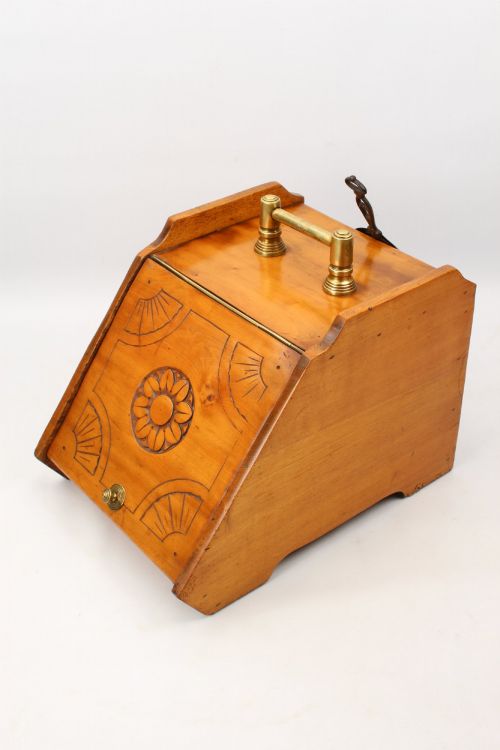


Carved Wooden Log Box
A carved wooden log box brings warmth and texture to a fireside, keeping fuel neatly stowed near the hearth.
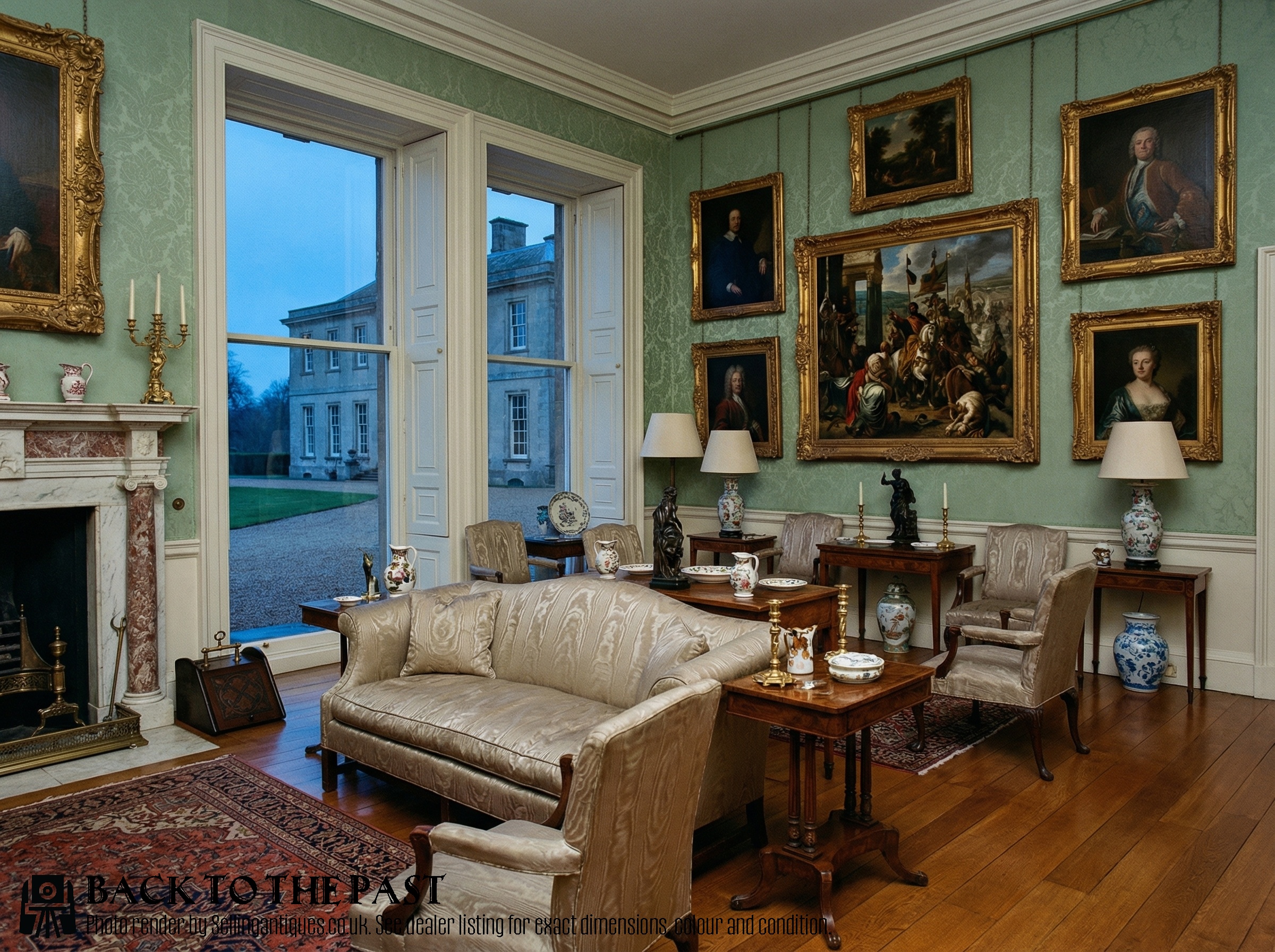
Carved Wooden Log Box
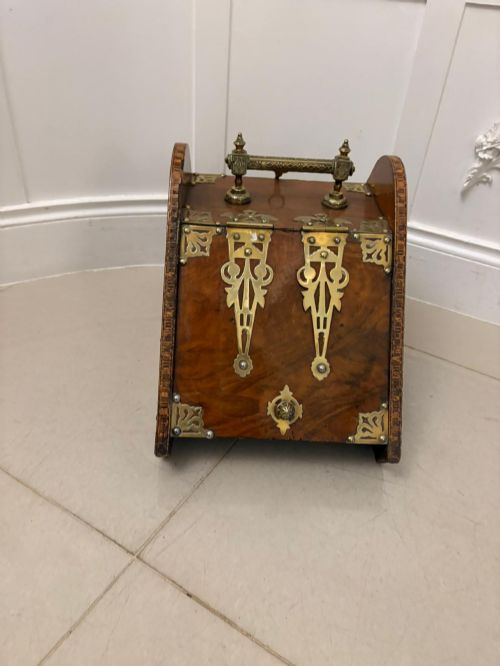
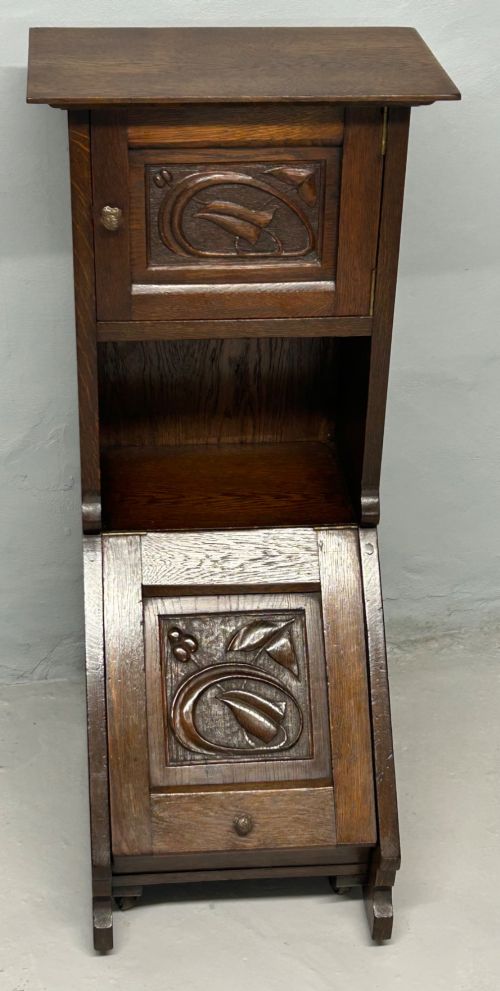
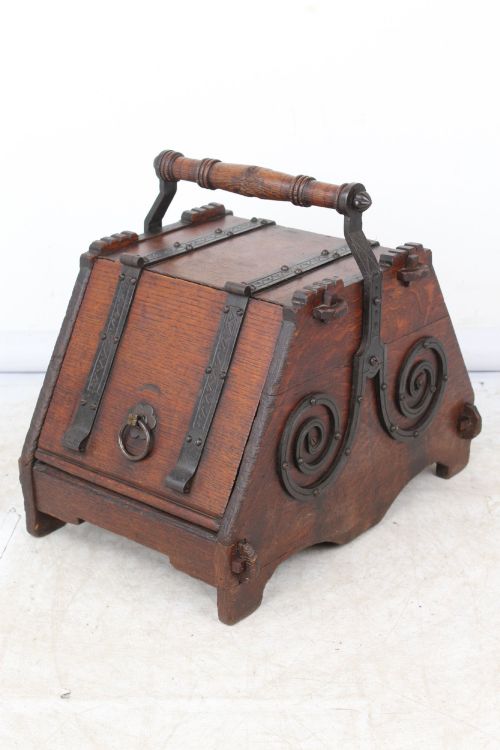
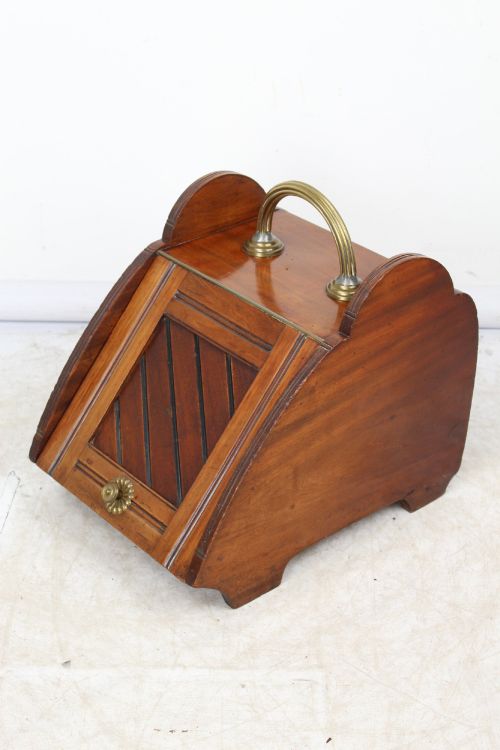
A carved wooden log box or coal scuttle forms a practical and decorative focal point by the fireplace, storing fuel within easy reach. These items date primarily from the Victorian period through to nineteen hundred, encompassing various regional British and continental workshops.
Buyers will most frequently encounter sturdy oak or walnut constructions, often featuring detailed carvings on the front panels. Many examples incorporate metal linings and carrying handles, merging robust utility with ornate nineteenth-century design.
The selection ranges from traditional country oak boxes to more elaborate Gothic Revival and Black Forest style pieces. Alongside standard log storage, related fireside accessories such as purdoniums and slipper boxes frequently appear.
How they were made
Cabinetmakers utilised dense hardwoods like oak, walnut and mahogany to withstand the heavy daily demands of storing coal and timber. These timbers were selected for their durability and grain pattern, then shaped into sturdy rectangular boxes or sloping scuttles.
Metal components such as brass handles, hinges and copper linings were integrated to reinforce high-stress areas and protect the wood from moisture and dirt. Hand-carved decorative fronts and embossed metal panels often embellished the exterior surfaces.
Makers applied traditional joinery techniques, ensuring lids and drop-fronts aligned correctly with their metal fittings. Interior zinc or copper liners were fitted securely to contain fuel residue and facilitate easy cleaning.
Carved Wooden Log Box Retail Price Guide 2026
Typical asking prices for carved wooden log box among the pieces listed under this phrase on Sellingantiques today, from the lower quarter to the upper quarter. They describe what is for sale here now, not the wider market.
The site's listings feature pieces primarily from the Victorian era, spanning oak, walnut and mahogany with brass and copper hardware.
What varies in quality
The standard of craftsmanship shows in the depth and crispness of the wood carving, where finely detailed panels distinguish superior examples from plain utility boxes. Heavier timber scantlings and robust internal framing point to a higher grade of construction.
Hardware quality marks another clear distinction, with heavy cast brass handles and original metal linings reflecting better original manufacture than simpler replacements. The integration of quality secondary timbers inside the box further separates workshop standards.
The Carved Wooden Log Box Glossary
- Purdonium
- A type of coal box or scuttle, typically featuring a sloping front or a drop-down door to dispense fuel. These items were designed to sit neatly beside the hearth in Victorian drawing rooms.
- Slipper box
- A covered wooden box with a slanted lid, historically used for storing slippers or fuel near the fireplace. The name derives from its characteristic sloping profile.
- Gothic Revival
- An architectural and decorative style drawing inspiration from medieval forms, featuring pointed arches, tracery and heavy mouldings. This aesthetic heavily influenced nineteenth-century fireside furniture.
- Black Forest style
- Carved wooden ornamentation originating from central Europe, characterised by realistic depictions of foliage, animals and naturalistic scenes. Pieces in this style display deep, intricate relief work.
Carved Wooden Log Box: Frequently Asked Questions
How do I date a wooden coal box?
Dating relies on examining the timber species, construction methods, and stylistic markers such as Gothic Revival motifs or Black Forest carving. The presence of original brass hardware and interior metal liners also helps place a piece within the nineteenth century.
Victorian examples often display characteristic hand-cut dovetail joints and dense native hardwoods like oak and walnut. Comparing the decorative carving style to documented period pieces provides further chronological context.
Are these boxes still suitable for daily fireside use?
Most of these pieces remain sturdy enough for contemporary use, provided they are treated with appropriate care and kept clear of direct excessive heat. The presence of original metal or copper linings helps protect the antique wood from moisture and debris.
Placing logs or fuel gently inside prevents unnecessary impact damage to the interior base and historical joinery. Regular light maintenance preserves both the timber and the decorative metal fittings.
What woods were most commonly used?
Oak and walnut appear most frequently in these listings, valued for their strength, rich grain and suitability for deep carving. Mahogany was also employed for finer drawing-room pieces requiring a smoother, darker finish.
These hardwoods provided the structural integrity needed to bear the weight of heavy fuel while offering an attractive surface for decorative embellishment.