


Carved Wooden Hook
A carved wooden hook brings functional utility and character to an entrance hall, offering sturdy service for hats, coats, and keys.
Carved Wooden Hook
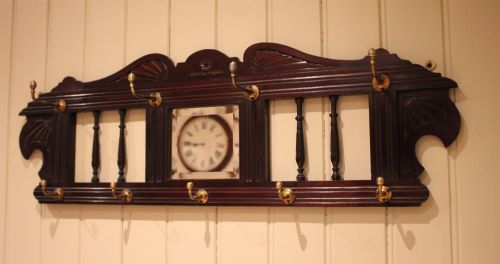
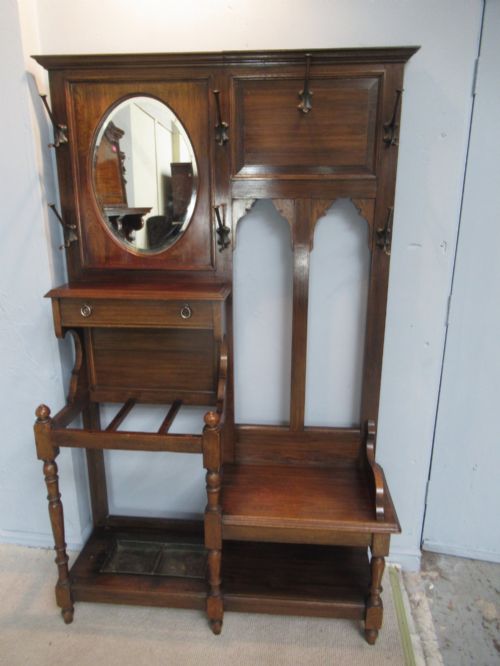
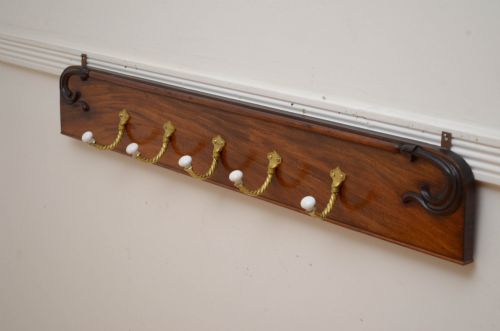
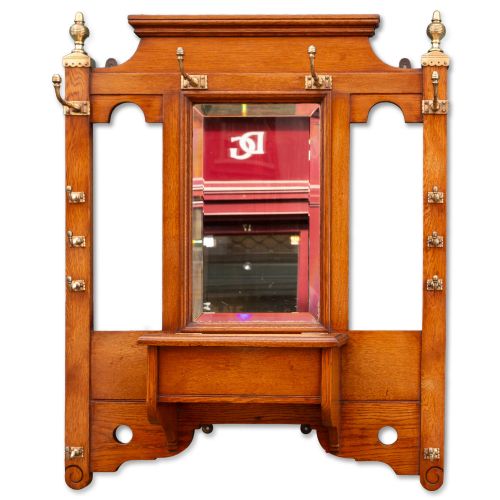
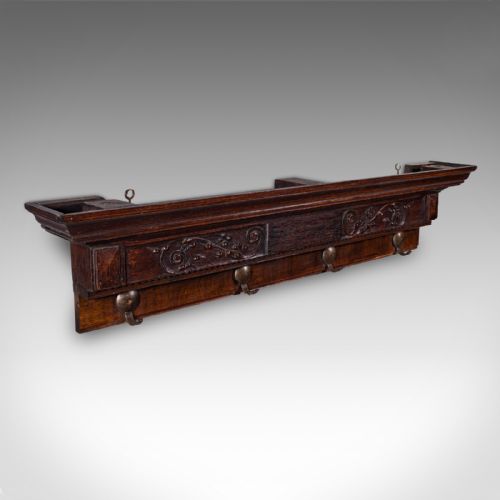
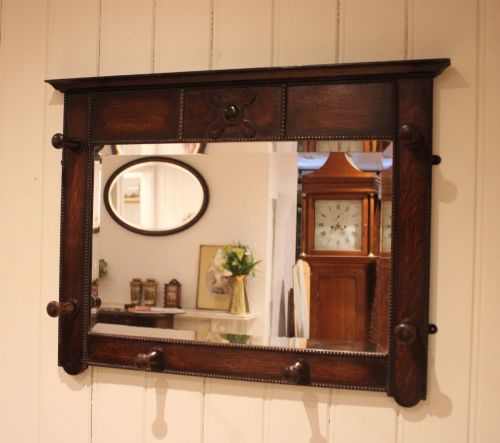
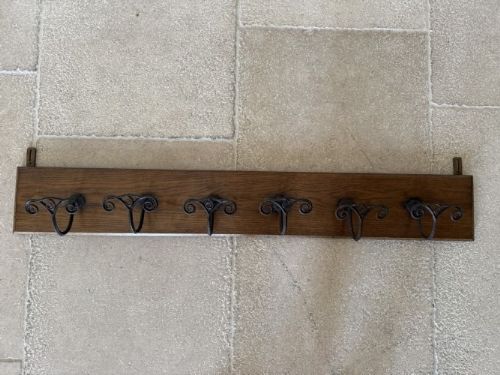
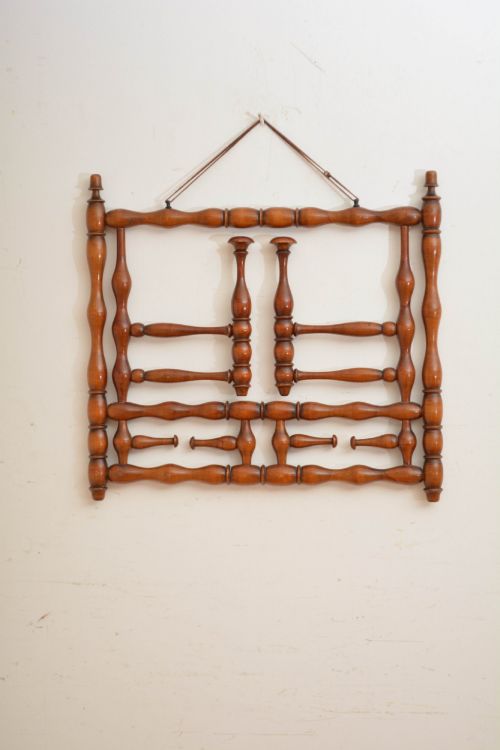
A carved wooden hook encompasses a range of domestic utility items designed for wall mounting or integration into larger hall furniture. These pieces appear as single wall hooks, multi-hook coat racks, and elaborate hall stands featuring mirrors and umbrella compartments. You are most likely to encounter Victorian and Edwardian examples constructed from oak, mahogany, or walnut.
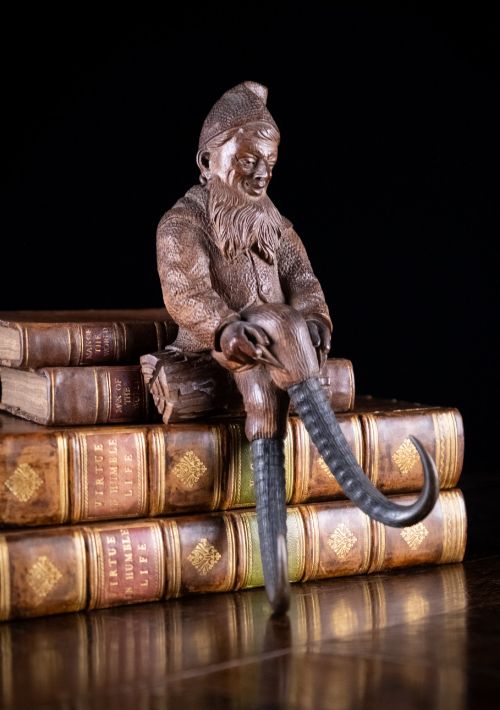
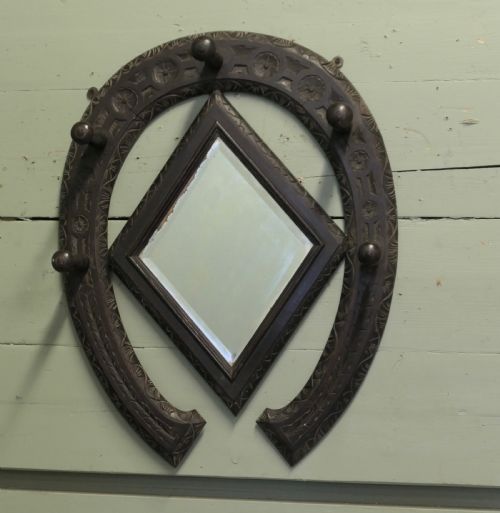
The styles span from simple rustic country designs and Gothic Revival pieces to intricate Black Forest animal carvings depicting gnomes, chamois goats, and eagles. Many incorporate additional materials such as brass, glass, ceramic, or iron alongside the primary wood. They serve equally well in a modern hallway or a period cloakroom as practical storage with sculptural presence.
How they were made
Craftsmen utilised traditional woodworking techniques, employing solid timbers like oak, mahogany, walnut, and linden wood for the structural bodies and backboards. Carving was executed by hand, particularly evident in the detailed figural and botanical motifs seen on Black Forest pieces and Edwardian racks.
Metal components, including brass, wrought iron, and bronze, were integrated to form the functional hook elements, often secured with matching screws. Additional elements like bevelled glass mirrors, ceramic inserts, and horn were fitted into the wooden chassis to create multi-purpose hall furniture.
Listings feature periods from the eighteenth century through Victorian and Edwardian eras up to nineteen-thirty, utilising oak, mahogany, walnut, and linden wood.
What varies in quality
Quality rests upon the depth and animation of the carving, distinguishing mass-produced turned pegs from deeply sculpted animal heads or figural subjects. The choice of timber also dictates grade, with dense golden oak, figured walnut, and rich mahogany commanding greater presence than standard utility woods.
The integration of secondary materials defines the tier of a piece, such as the inclusion of heavy bevelled mirror plates, robust brass fittings, or original ceramic and glass elements. Preservation of the surface patination without aggressive cleaning signals the care an object has received over its lifespan.
The Carved Wooden Hook Glossary
- Black Forest
- A style of wood carving originating from the Swiss and German mountain regions during the nineteenth century. These items typically depict animals, foliage, and folklore figures with deep relief.
- Hall Stand
- A large piece of entrance furniture combining a mirror, coat hooks, umbrella stands, and sometimes a glove drawer. They were central to Victorian and Edwardian hallway organisation.
- Patination
- The surface sheen and colour developed by wood and metal over decades of handling and exposure. It serves as an indicator of age and genuine use.
- Sycamore
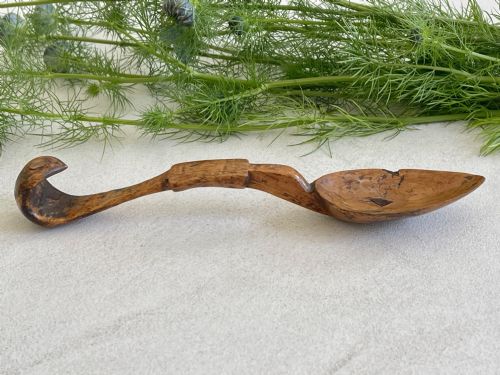
- A dense, light-coloured hardwood frequently used in British treen and kitchenalia. It provides a smooth surface suitable for domestic utensils.
Carved Wooden Hook: Frequently Asked Questions
Where should I mount a wall rack?
These racks suit entrance halls, boot rooms, and kitchens where hats, coats, and everyday items require accessible storage. Ensure the mounting fixings anchor securely into wall studs or masonry to support heavy garments.
Allow sufficient clearance below the hooks for long coats or umbrellas stored in adjacent stands.
How do I clean carved wood?
Dust the carvings regularly with a soft, dry brush to prevent dirt accumulating in the recessed details. Avoid liquid polishes that build up a residue and dull the original surface patination.
Feed dry timber occasionally with a suitable wax applied sparingly and buffed gently.
What periods do these pieces span?
The selection covers items from the eighteenth century through the Victorian and Edwardian eras up to the Art Deco period. Mid-nineteenth to early twentieth-century examples form the majority of the available styles.
Black Forest animal carvings and Gothic Revival designs are predominantly Victorian in origin.
Are the hooks always made of wood?
While the backboards and main decorative elements are carved timber, the functional hooks frequently utilise brass, iron, ceramic, or glass. This combination provided greater strength for hanging heavy wool coats and military gear.
Some specialist pieces feature horn or turned wooden pegs instead of metal.