
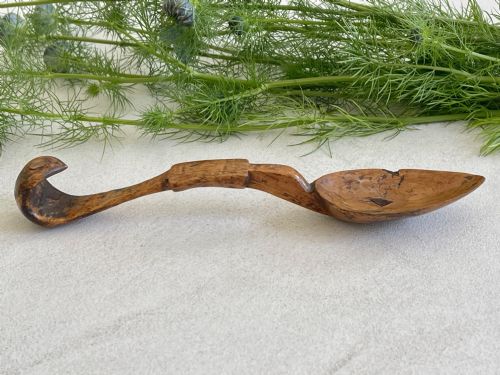


Dark Wood Hook
A dark wood hook brings both utility and character to an entryway, securing garments while anchoring the room's aesthetic.
Dark Wood Hook
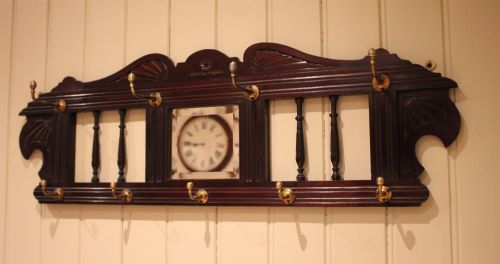
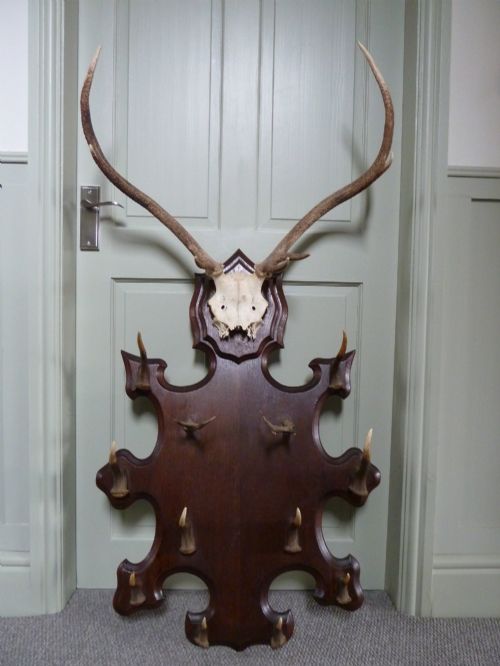
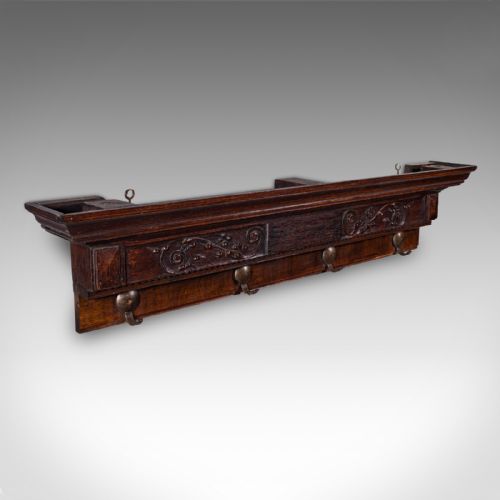
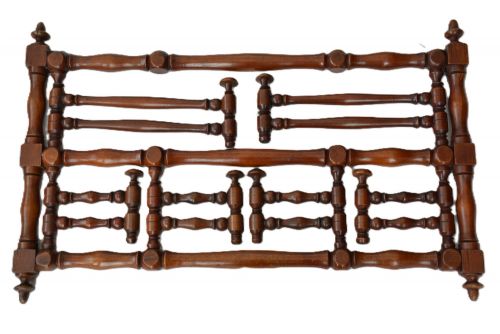
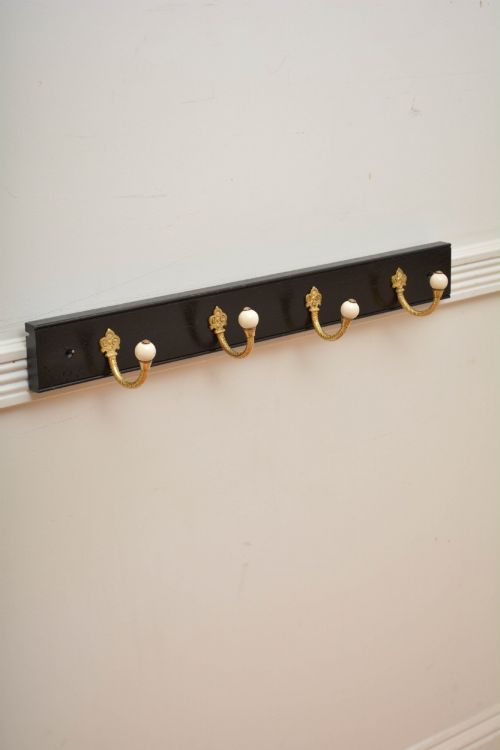
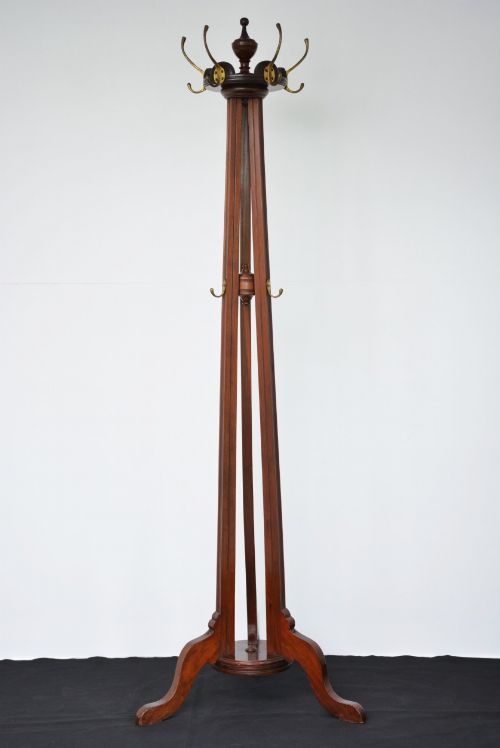
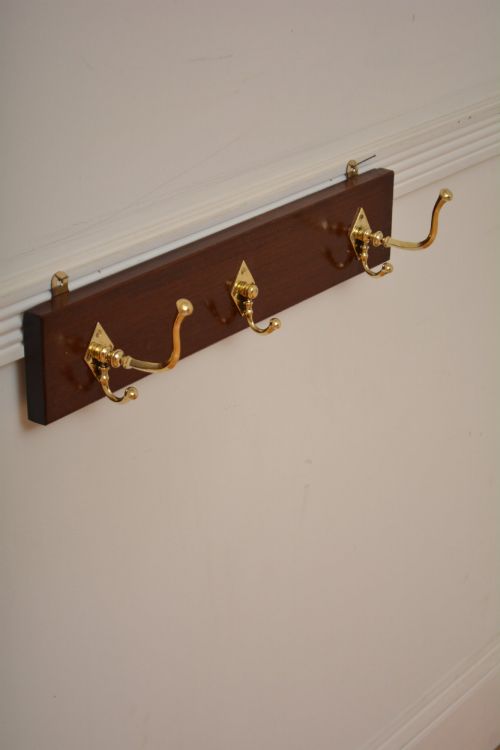
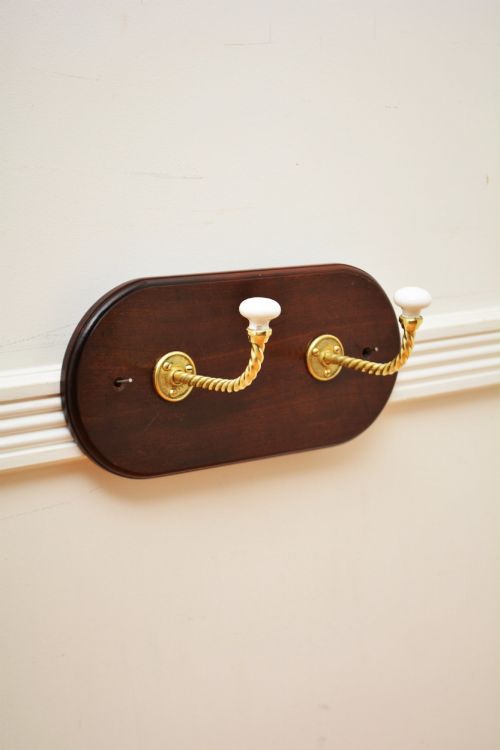
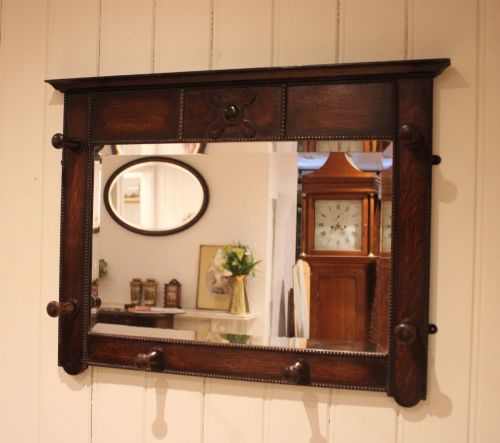
A dark wood hook typically manifests as part of a wall-mounted coat rack, a hall stand, or an individual fixture designed for hanging garments and hats. When searching for a dark wood hook, buyers encounter items ranging from simple single hooks mounted on mahogany or oak to elaborate multi-hook racks and large hall stands.
The selections span the nineteenth century into the Edwardian era, incorporating styles such as Victorian country house, Gothic Revival, and Arts and Crafts. Walnut, mahogany, and oak form the primary dark timbers for these mounting boards and stands.
Materials and construction methods
Construction relies heavily on dense hardwoods such as mahogany, walnut, and oak, often shaped through hand-carving or steam-bending techniques seen in bentwood pieces. Timber backboards provide rigid support for individual metal, brass, or horn hooks fastened securely through the wood.
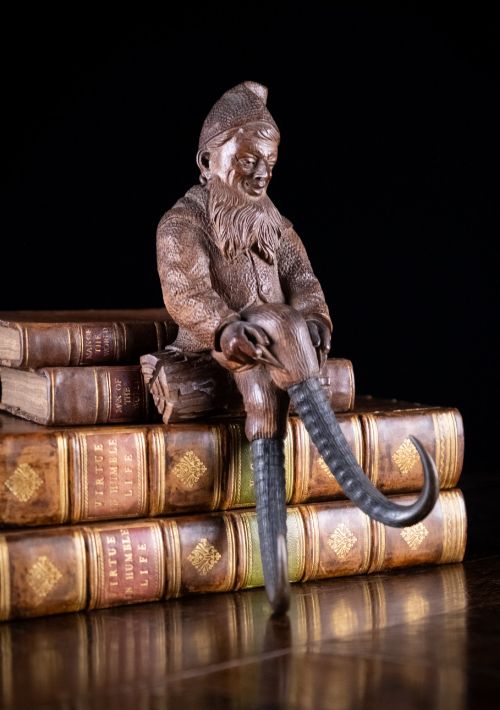
Surface finishing involves patination achieved through decades of handling and wax application, highlighting the natural grain of the dark wood. Carved elements, particularly in Black Forest items, utilise linden wood and natural animal horn or antler joined to wooden backing plates.
The listings show pieces spanning the 18th century to the 1930s, featuring oak, mahogany, walnut, and horn.
Evaluating craftsmanship and condition
Quality separates simple utility items from pieces of fine craftsmanship through the depth and precision of hand-carved details, particularly in Black Forest animal heads or figural hooks. The integrity of the timber backboard and the original matching of brass or iron hardware dictate the overall standard.
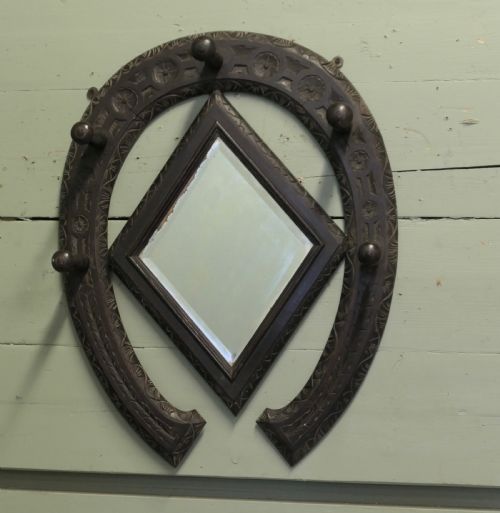
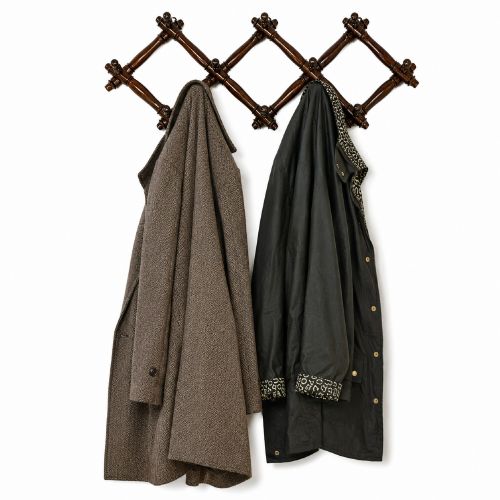
Substantial thickness in the wood and the retention of deep patination indicate superior preservation. Pieces that integrate bevelled mirror plates, ceramic details, or complex extending mechanisms demonstrate higher ambition in their original manufacture.
Jas. Shoolbred·Thonet
The Dark Wood Hook Glossary
- Black Forest
- A style of intricate wood carving originating from the mountainous region of central Europe during the nineteenth century. These pieces frequently depict animals, forest elements, and natural figures.
- Bentwood
- Wood that has been rendered pliable via steam and then bent into curved shapes. Thonet popularized this technique for hangers and racks.
- Hall Stand
- A large freestanding piece of furniture placed in an entrance hall, combining a mirror, coat hooks, and umbrella storage. Many include a central panel of dark wood.
- Patination
- The surface sheen and colour acquired by wood and metal over long periods of use and exposure. Good patination reflects age and careful handling.
- Portmanteau
- A heavy wall-mounted rack fitted with multiple brackets and hooks for garments. These often feature decorative scalloped brass elements.
Dark Wood Hook: Frequently Asked Questions
How do I mount a heavy antique coat rack safely?
Heavy racks require secure fastening into wall studs or solid masonry using appropriate fixings to support the combined weight of timber and garments.
Distributing the load evenly across multiple fixing points prevents strain on the original antique wood and hardware.
What wood types are most common in these racks?
Mahogany, oak, and walnut form the primary dark timbers used across nineteenth-century and Edwardian cloakroom fittings.
Linden wood also appears frequently within carved Black Forest animal motifs mounted on wooden backboards.
How should I clean antique dark wood?
Dust the surface regularly with a soft, dry cloth to prevent dirt accumulation within carved details and around the metal hooks.
Apply a quality beeswax periodically to nourish the timber and preserve the historic patination without stripping the finish.
Are the hooks usually original to the boards?
Most period pieces retain their original brass, iron, or horn hooks, often secured with slotted screws appropriate to the manufacturing date.
Examining the seating around the fixings helps determine whether the hardware has remained undisturbed over time.