



Carved Wooden Games Box
These carved wooden games box pieces offer tactile charm and historic entertainment for the home, making them delightful finds for collectors.
Carved Wooden Games Box
A carved wooden games box serves as a functional receptacle for historical pastimes, ranging from folding boards to comprehensive compendiums. When exploring this selection, a buyer encounters Victorian and Edwardian examples alongside earlier Georgian pieces.
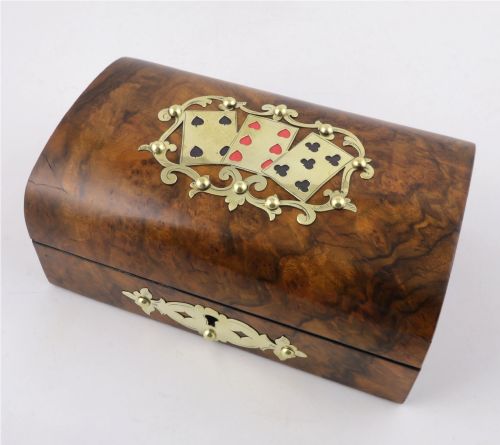
The objects take various forms, including fitted cabinets for mahjong, caskets for cards and dice, and folding boards designed for chess and draughts. Rosewood, mahogany, and walnut frequently form the primary structures of these containers.
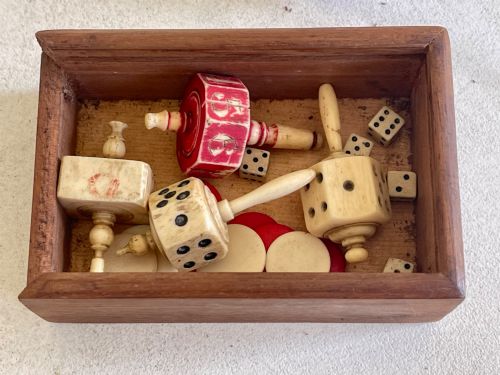
Many items incorporate internal compartments intended to organise playing pieces, bone markers, or dice. The regional diversity spans from European Black Forest carvings to Chinese regional productions.
How They Were Made
Craftsmen utilised traditional hardwoods such as rosewood, mahogany, and walnut for the primary carcass, often integrating boxwood and ebony for contrasting detail. Brass hinges, locks, and escutcheons provided both structural reinforcement and decorative accent.
Carving techniques required steady handwork, particularly in Black Forest productions and intricate Chinese gaming sets. Interior linings typically relied on felt or fitted wooden partitions to secure fragile bone or wooden components.
Carved Wooden Games Box Retail Price Guide 2026
Typical asking prices for carved wooden games box among the pieces listed under this phrase on Sellingantiques today, from the lower quarter to the upper quarter. They describe what is for sale here now, not the wider market.
Current listings feature items spanning from the Georgian period through to the 1930s, utilising materials such as boxwood, brass, ebony, and rosewood.
What Varies in Quality
Quality rests upon the precision of the joinery and the depth of the carving across the exterior surfaces. Superior examples display crisp detail in foliage or figurative motifs, whereas simpler items remain plain.
The integrity of the internal fittings and the retention of original brass hardware elevate the desirability of a piece. Wood selection also dictates grade, with dense rosewood and figured walnut marking the upper tier of production.
Jaques·Whitty·British Chess Company·F. H. Ayres·Calvert Pattern
The Carved Wooden Games Box Glossary
- Boxwood
- A dense, pale wood frequently utilised for chess pieces and fine inlay work. It takes intricate carving exceptionally well.
- Compendium
- A multi-game box housing various pastimes such as chess, whist, and cribbage within a single fitted case.
- Cribbage board
- A scoring board with pegged tracks, often integrated into the lid or interior of a games box.
- Staunton
- A standard style of chess set introduced in the nineteenth century, characterised by realistic architectural piece designs.
- Black Forest
- A style of deeply carved wooden ornamentation originating from the European region, noted for naturalistic animal and foliage motifs.
Carved Wooden Games Box: Frequently Asked Questions
What games fit inside these boxes?
Many of these containers house chess sets, draughts, dominoes, and playing cards, while larger compendiums hold multiple pastimes together in fitted compartments.
Specific sets might also include mahjong tiles or cribbage boards depending on the origin and period of the manufacture.
How are these boxes dated?
Dates are assessed through construction methods, timber choices, and stylistic traits associated with Georgian, Victorian, and Edwardian periods.
Original brass hardware and accompanying gaming pieces often provide further clues regarding the exact decade of production.
Where were these items made?
Production locations range across British and European workshops, including specialist makers in England alongside regional Chinese carving centres.
Each region employed distinct timber choices and decorative motifs, such as Black Forest carvings or Shanghai mahjong sets.
How should wood games boxes be maintained?
Preserving the timber involves keeping the pieces away from direct sunlight and sudden humidity changes to protect the wood and internal felt linings.
Gentle dusting with a dry cloth helps maintain the polished surface without damaging historical finishes.