
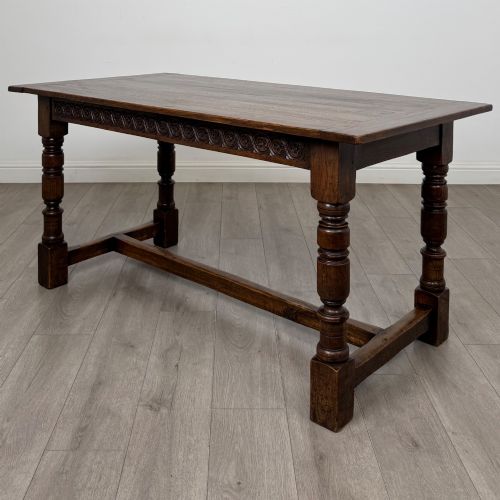
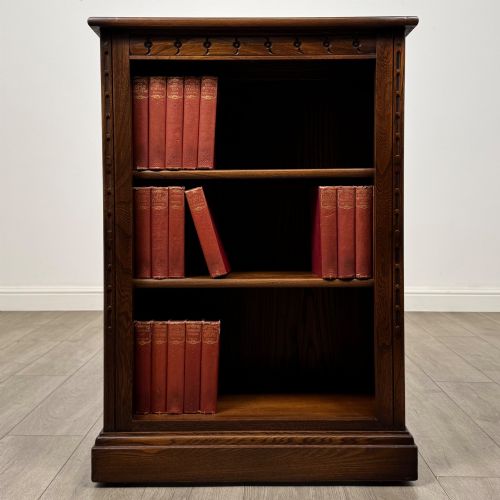
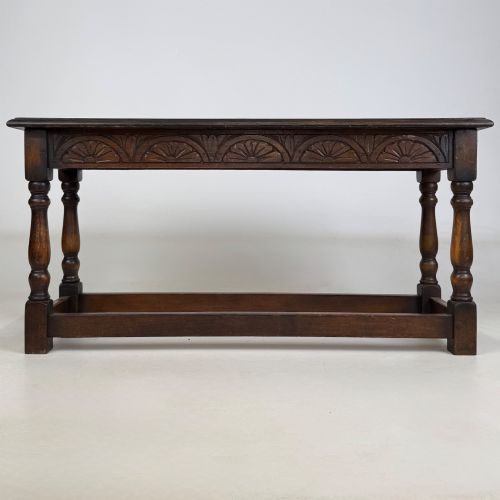
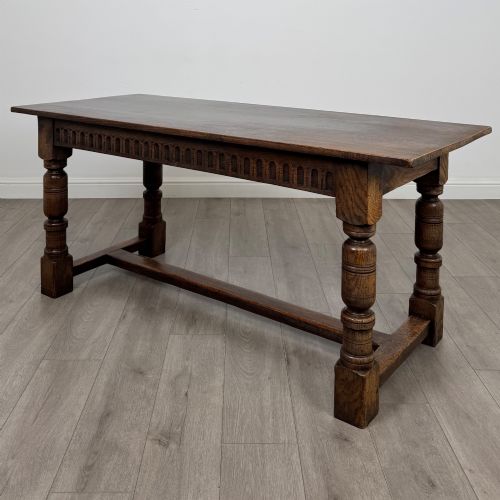
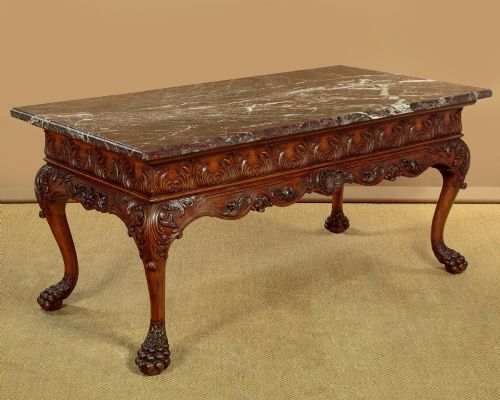
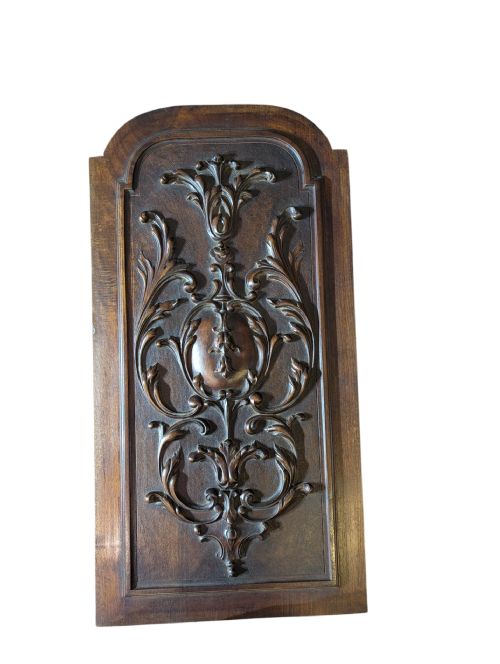


Carved Wooden Frieze
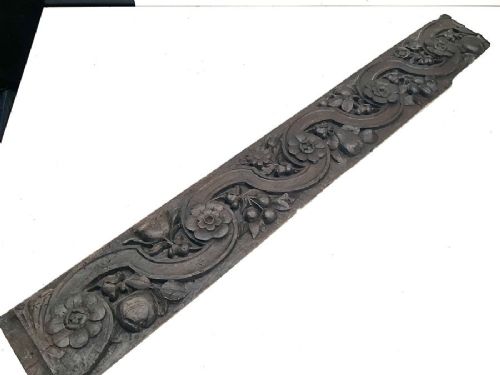
A carved wooden frieze brings depth and linear texture to a wall, offering classical motifs or bold foliate patterns.
Carved Wooden Frieze
A carved wooden frieze forms a decorative horizontal band of timber, often retrieved from architectural settings or integrated into larger panels. When you search for a carved wooden frieze, you encounter pieces that range from domestic room ornamentation to grand pediments and structural elements.
The selections span multiple eras, drawing heavily on seventeenth-century craftsmanship through to nineteenth-century interpretations. Oak, walnut, and mahogany dominate the material record, frequently displaying Jacobean, Georgian, or Gothic revival styles.
Most examples function as architectural salvage, wall panels, or overmantel components rather than standalone furniture. Buyers look to these items to anchor a room with period character or to frame a specific interior space.
Materials and carving techniques
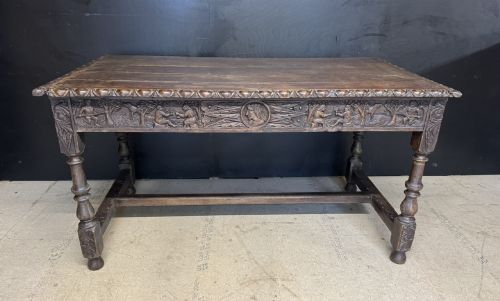
Makers relied primarily on dense hardwoods such as English oak, walnut, and mahogany, selecting timber with tight grain to hold sharp details. These woods were hand-planed and joined before craftsmen applied deep relief carving directly to the surface.
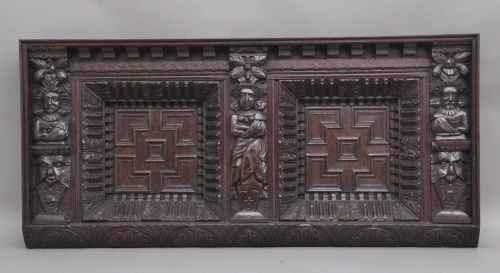
Carvers utilised gouges, chisels, and V-tools to undercut foliage, strapwork, and figural motifs, creating pronounced shadows across the grain. Selected pieces incorporated secondary treatments like paint, gold leaf, or wax finishes to protect the wood and enhance the carved dimensionality.
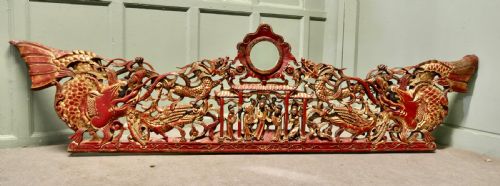
Several pieces preserve stubborn traces of old paint and gold leaf, refusing to look entirely respectable after centuries of service.
Assessing quality in carved woodwork
The depth and fluidity of the chisel work dictate the standard of a carved wooden frieze. Superior examples show confident, varied tool marks without hesitation or mechanical uniformity, whereas lesser pieces rely on shallow surface scratching.
The integrity of the timber and the retention of original surface patination distinguish finer examples. Pieces that maintain their early finish and structural continuity without excessive later repairs command greater appreciation from collectors.
Edward Pearce
The Carved Wooden Frieze Glossary
- Frieze
- A wide horizontal band of decoration on a wall, building, or furniture piece. It sits beneath the cornice and often carries relief carving.
- Relief
- A sculptural technique where elements project from a flat background. High relief means the forms stand well out from the timber plane.
- Salvage
- Architectural elements removed from buildings prior to alteration or demolition. These components are repurposed as interior decoration.
- Strapwork
- Ornamentation resembling thin bands or ribbons folded, interlaced, and scrolled. It appears frequently on sixteenth and seventeenth-century panels.
Carved Wooden Frieze: Frequently Asked Questions
How were carved wooden friezes used originally?
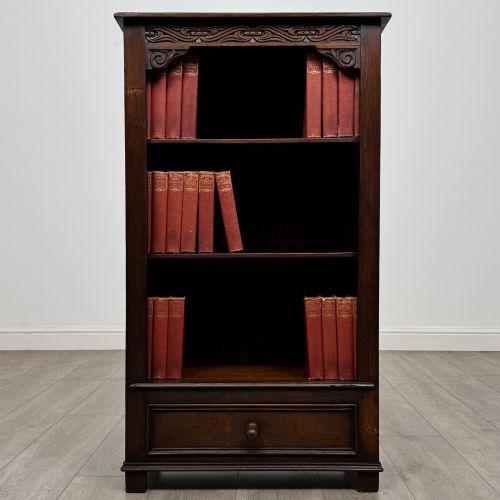
These horizontal bands decorated the upper sections of interior walls, adorned the tops of large bookcases, or framed fireplace overmantels in substantial houses.
Craftsmen integrated them into architecture to draw the eye upward and divide large expanses of wall or furniture into balanced proportions.
Where can I mount a frieze today?
Many buyers mount a carved wooden frieze directly onto a plain wall as a focal artwork, or position it above a doorway or mantelpiece.
They also use salvaged lengths to cap custom cabinetry or frame architectural openings to introduce period texture to modern rooms.
How do I care for antique carved timber?
Maintain the wood by dusting gently with a soft brush to lift debris from the deep recesses of the carving without damaging the surface.
Keep pieces away from direct heat sources and fluctuating humidity to prevent the timber from splitting or warping over time.
How do I distinguish early oak from later revivals?
Examine the back and edges of the panel for tool marks, peg construction, and the natural oxidation that occurs over centuries of exposure to air.
Revival pieces often display machine-cut regularity or surface treatments that mimic age without the characteristic shrinkage and wear of seventeenth-century work.