
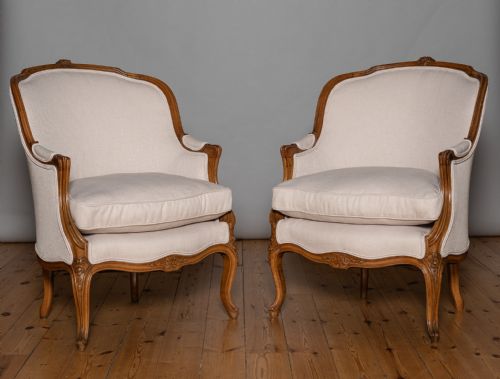


Carved Wooden Fireside Chair
A carved wooden fireside chair brings character to a room, offering sturdy timber frames and comfortable seating shaped by decades of domestic use.
Carved Wooden Fireside Chair
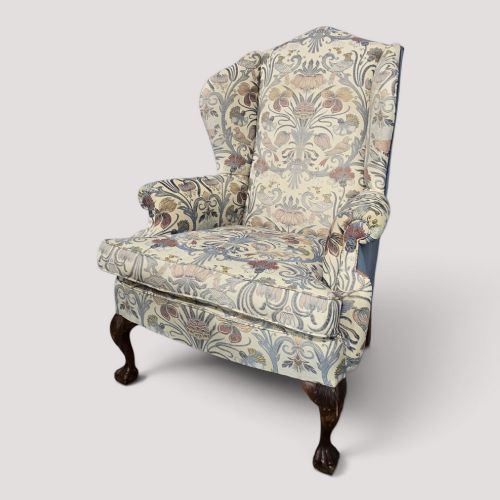
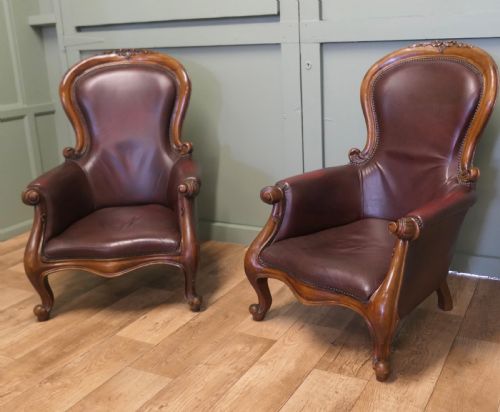
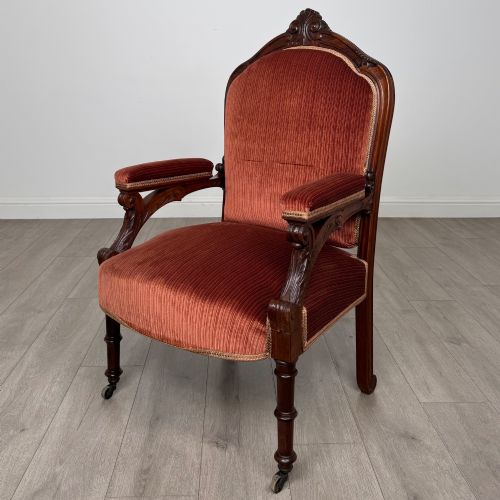
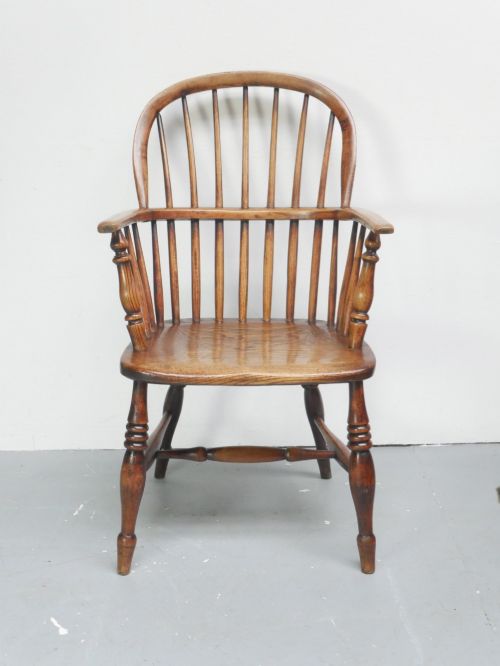
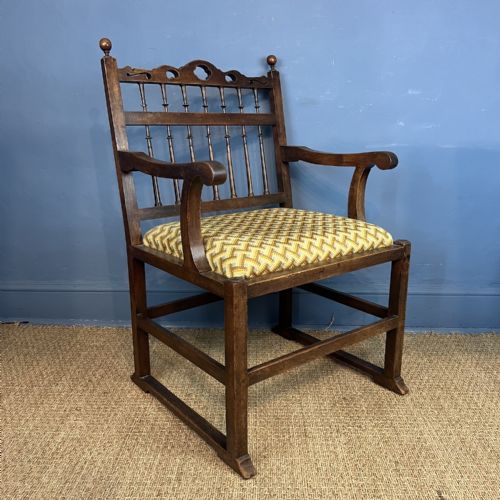
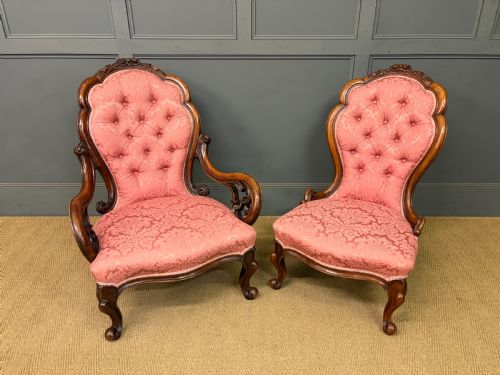
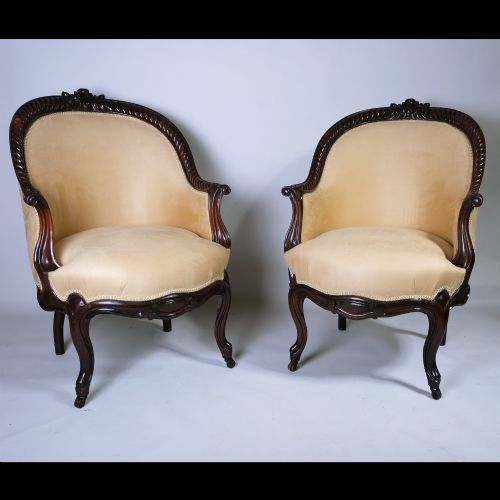
A carved wooden fireside chair encompasses diverse seating forms designed for warmth and comfort, ranging from vernacular Windsor chairs to formal Victorian upholstered armchairs. You will encounter nineteenth century examples most frequently, alongside pieces stretching from the eighteenth century into the Edwardian era.
Makers utilised traditional regional designs, producing everything from Scottish and Lakeland versions to French walnut bergere armchairs and Queen Anne style seating. Each piece reflects the functional requirements of its period, balancing timber frames with upholstered elements.
How they were made
Makers constructed these chairs using solid native and imported timbers, notably walnut, elm, ash, mahogany, and oak, often combining different woods for structural strength. Windsor forms typically feature turned ash or elm components, while formal Victorian and Edwardian armchairs utilise carved walnut and mahogany framing.
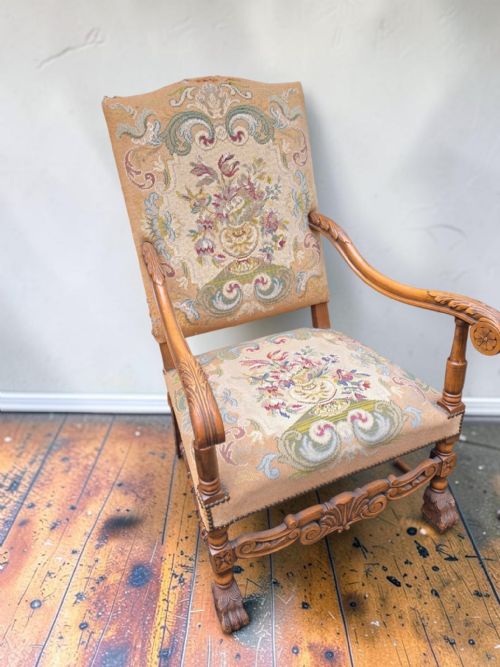
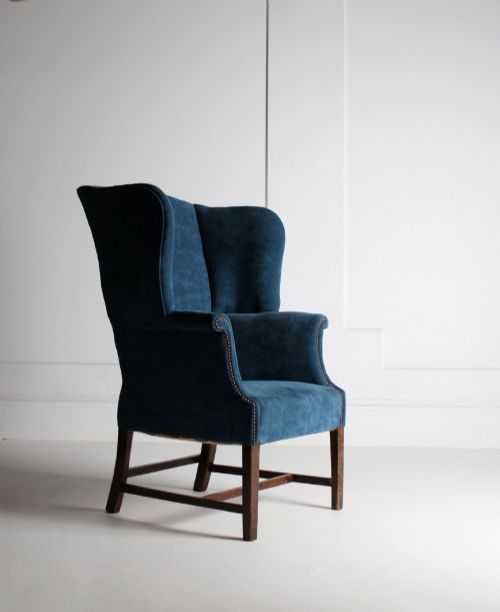
Upholstered versions integrate supportive stuffing covered in materials such as leather, velvet, tapestry, and plain fabric, secured with careful stitching and sometimes buttoning. Woodworking techniques include bobbin turning, panel backing, and detailed carving applied to crest rails and arm supports.
One chair even carries the provenance of Arncroach, reminding us that local turners left their mark across the British countryside.
What varies in quality
Quality depends upon the integrity of the timber framing and the sophistication of the carving, with superior examples displaying crisp detail and robust joinery. The choice of wood also dictates worth, as dense hardwoods like walnut and yew demand greater skill to shape than softer alternatives.
The retention of original upholstery materials, original surface finishes, and historical patination elevates certain pieces above standard vernacular seating. Proportion and balance further distinguish fine cabinet work from simpler regional production.
Wheeler Of Arncroach·Rockley
The Carved Wooden Fireside Chair Glossary
- Windsor chair
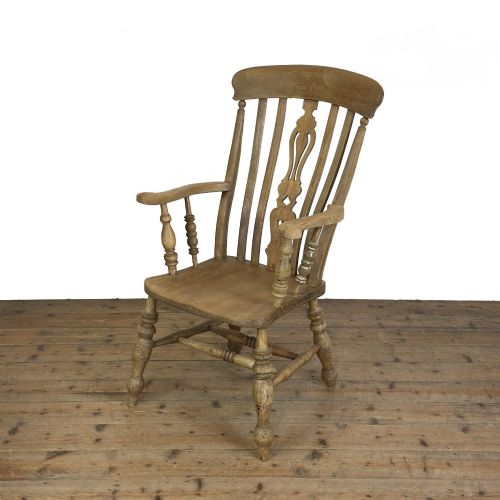
- A wooden chair constructed with a solid elm or ash seat into which the legs and back spindles are wedged directly. These sturdy seats often feature carved saddle shapes for added comfort.
- Lambing chair
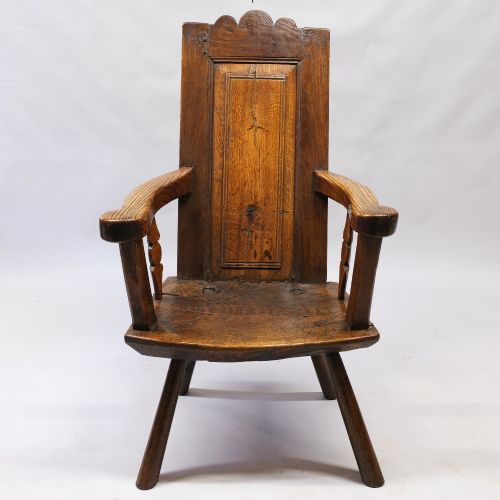
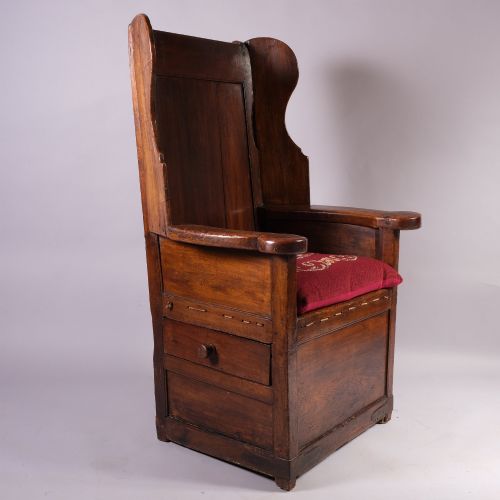
- A high backed vernacular armchair, historically featuring solid side wings to block draughts near hearths. They frequently incorporate enclosed lower sections or small storage compartments.
- Bergere
- An enclosed upholstered armchair with a wooden frame, where the sides are typically filled with cane or fabric. Originating in France, these seats offer formal comfort.
- Spoon back
- An upholstered chair back shaped to mimic the concave oval of a spoon, popular during the Victorian period. This contour fits the human spine.
- Bobbin turned
- Timber turned on a lathe to resemble a series of wooden beads or bobbins threaded together. This decorative turning style appears frequently on nineteenth century chair legs and stretchers.
Carved Wooden Fireside Chair: Frequently Asked Questions
What is a fireside chair?
A fireside chair is a low or supportive seating piece designed to sit comfortably near a hearth for warmth. These chairs often feature solid wood construction or upholstered cushioning to block draughts.
They appear in various historic forms, from simple wooden Windsor designs to padded Victorian armchairs intended for prolonged relaxation.
How do I identify a Windsor chair?
A Windsor chair is characterised by a heavy wooden seat that acts as the central hub into which all other structural parts fit. The legs and back spindles are tenoned directly into the thick wooden seat.
They generally utilise timbers like elm for the seat and ash or yew for the bentwood bows and spindles.
What is a lambing chair used for?
A lambing chair provided essential shelter from cold draughts in traditional rural homes before central heating existed. The high panelled back and solid side wings trapped heat around the occupant.
They served as durable, practical seats by the hearth, often incorporating small compartments beneath the seat.
How do I date an antique wooden chair?
Dating a wooden chair involves examining the timber species, construction methods, tool marks, and stylistic clues from specific design periods. Eighteenth century pieces often display vernacular hand craftsmanship, while Victorian examples frequently show machine assistance and revival styles.
Comparing turned details, upholstery techniques, and joinery helps place a chair within the nineteenth or early twentieth century.