



Carved Wooden Entry Table
A carved wooden entry table brings immediate character to a hallway, offering a surface for daily essentials and setting a stately tone for your home.
Carved Wooden Entry Table
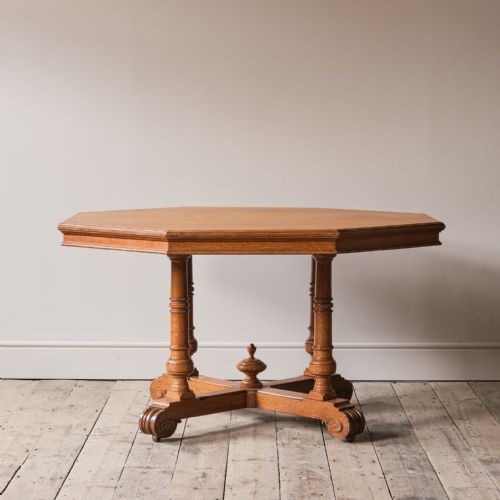
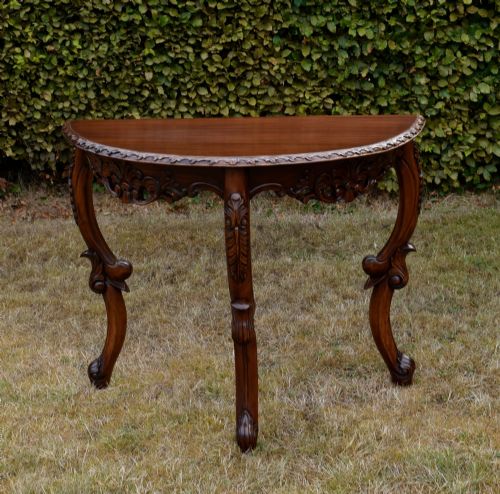
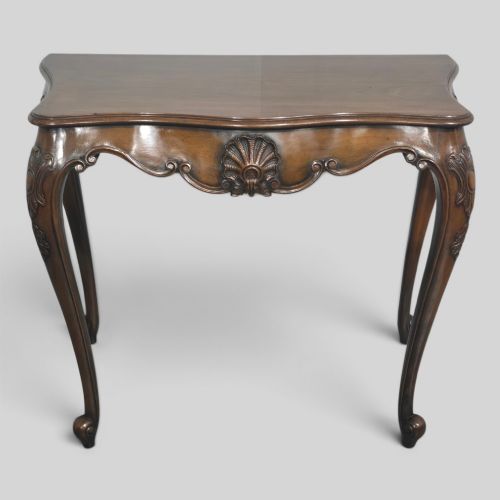
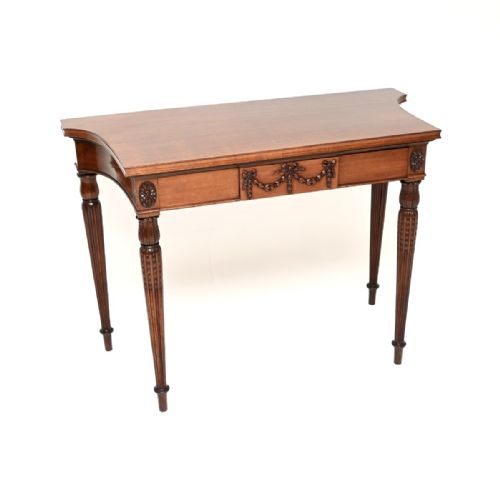
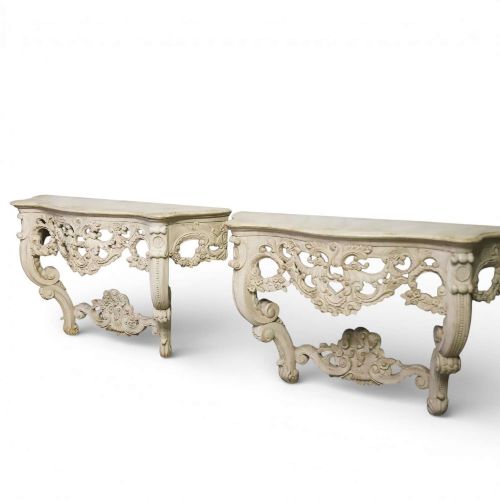
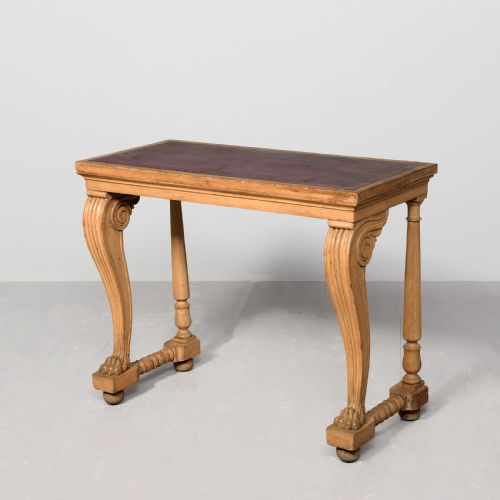
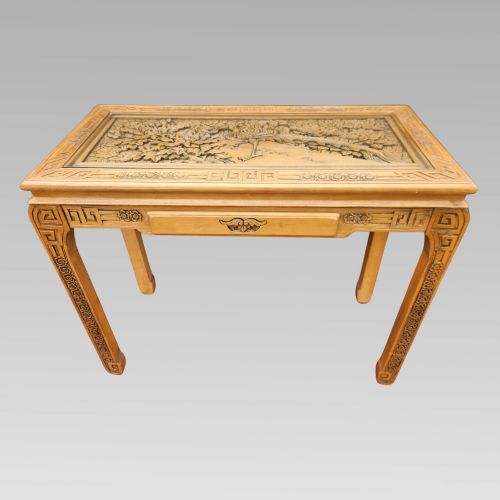
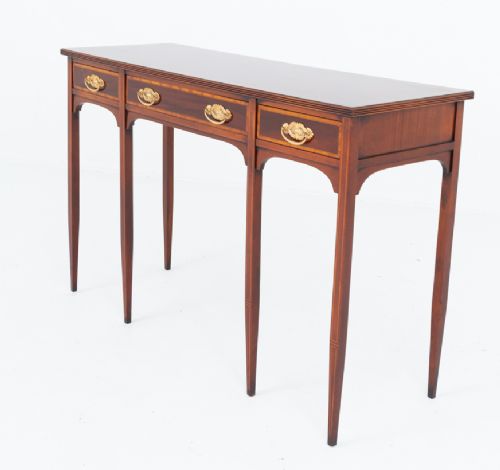
A carved wooden entry table primarily takes the form of a console table, hall table, or side table designed to sit flat against a wall in a narrow space. These pieces emerge from periods spanning the seventeenth century through to the 1930s, encompassing styles such as Victorian, Regency, French Provincial, and Chinese Traditional.
You are most likely to encounter nineteenth-century mahogany or oak examples, alongside twentieth-century French and Chinese interpretations. The selection also includes functional variants like hall benches, hall stands, and servers constructed to fit domestic hallways.
Originating from diverse workshops across Britain, continental Europe, and Asia, these tables combine practical surface space with distinct regional carving traditions. Their varied forms reflect the changing demands of domestic entryways over multiple centuries.
Materials and construction
Makers utilised solid timbers including mahogany, oak, walnut, elm, pitch pine, and cherry, often selecting figured varieties for prominent surfaces. Supplementary materials such as brass fittings and inset marble tops appear on specific continental and British examples.
Construction relies on traditional joinery techniques paired with hand-carved ornamentation executed directly into the timber. Surfaces receive various finishes, ranging from natural polished wood and bleached treatments to antique white paint and chinoiserie decoration.
Periods represented span from the seventeenth century through Victorian and Regency eras into the 1930s.
What separates the finest examples
Quality rests in the depth, crispness, and execution of the hand-carved details, distinguishing deliberate craftsmanship from mechanical repetition. The choice of timber grain, particularly figured mahogany or burr walnut, dictates the visual richness of the primary surfaces.
Structural integrity and the retention of original finishes, hardware, or marble inserts further define the standing of a piece. Finer examples maintain harmonious proportions that suit narrow hallway settings without sacrificing stability.
James Mein of Kelso·Freeman
The Carved Wooden Entry Table Glossary
- Console table
- A table designed to be fixed against a wall, frequently supported by ornamental legs or brackets rather than four freestanding posts.
- Demi lune
- A semicircular furniture form popular for tables intended to sit flush against an entryway wall.
- Serpentine
- A curved furniture front or edge that undulates in a convex-concave-convex shape, requiring advanced carpentry skill.
- Chinoiserie
- European decorative style reflecting Chinese artistic motifs, commonly applied through painted or carved surface decoration.
- Cabriole leg
- A furniture leg that curves outward and then tapers inward, typically finishing in a pad, scroll, or claw foot.
Carved Wooden Entry Table: Frequently Asked Questions
Where should I place a console table?
These tables find their natural home in hallways, corridors, or entrance foyers where floor space is limited. Their shallow depth allows them to sit flush against a wall without obstructing foot traffic.
Positioning one near an entrance provides a convenient landing spot for keys, post, and decorative lighting upon arrival.
How do I care for antique wooden tables?
Maintain the timber by keeping the table away from direct heat sources and strong sunlight, which can dry out or fade the finish. Dust regularly with a dry, soft cloth and avoid silicone-based polishes that build up over time.
Treat marble inserts with gentle, non-acidic cleaners to preserve the polished surface without damaging the surrounding wood.
What is the difference between a console and a side table?
A console table is specifically designed to be placed against a wall, sometimes relying on wall fixings or decorative brackets for complete stability. They often feature finished carving only on the front and sides visible from the room.
Side tables are typically freestanding items intended to be viewed from multiple angles, though both types serve similar functional roles in an interior.
How do I identify the period of an entry table?
Dating relies on examining the combination of timber species, construction joinery, and the prevailing style ornamenting the frame. Stylistic markers like Gothic revival arches or Regency curves offer strong chronological indicators.
Comparing the carved motifs and overall proportions to documented examples from eras such as the Victorian or Georgian periods helps confirm origin.