





Carved Wooden Elephants
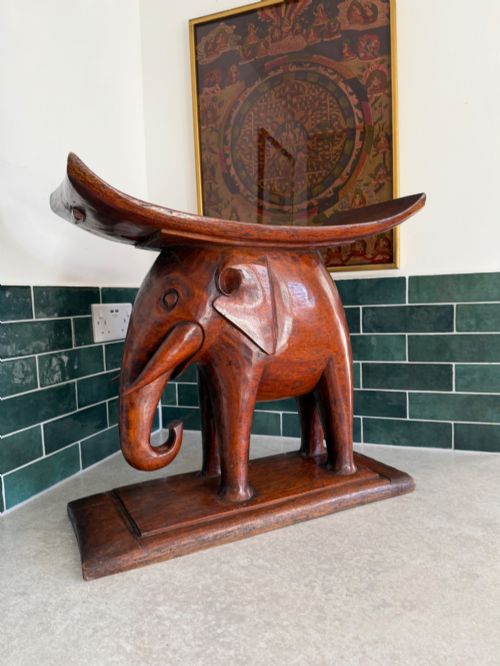
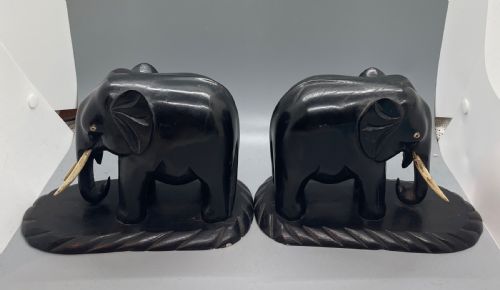
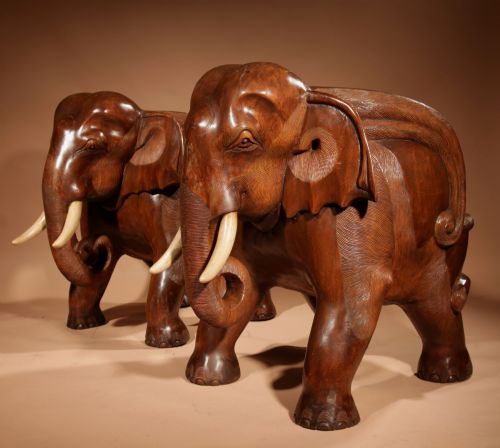
These carved wooden elephants bring heavy timber studies, tables and bookends into a room with distinct colonial and regional styles.
Carved Wooden Elephants
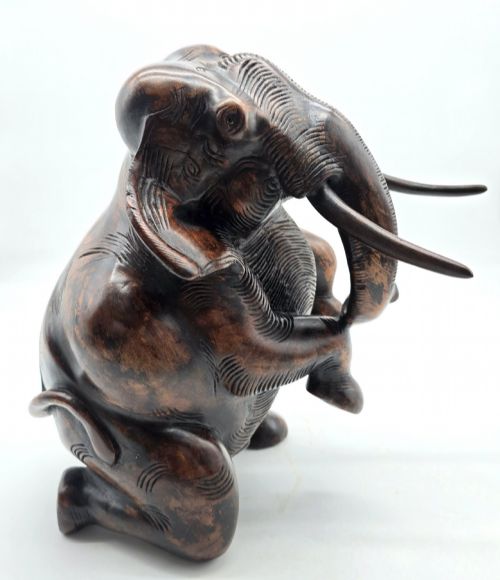
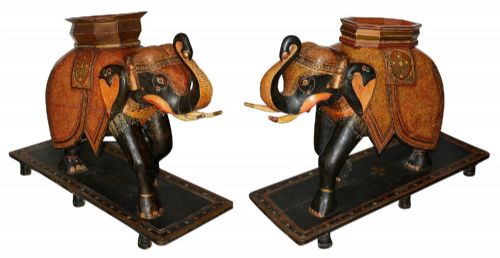
When searching for carved wooden elephants, buyers encounter a range of functional furniture and decorative studies spanning the late nineteenth and early twentieth centuries. Side tables, bookends, occasional tables, armchairs and standalone sculptures dominate the selection, often originating from Indian regional centres such as Hoshiarpur and the Bombay Presidency.
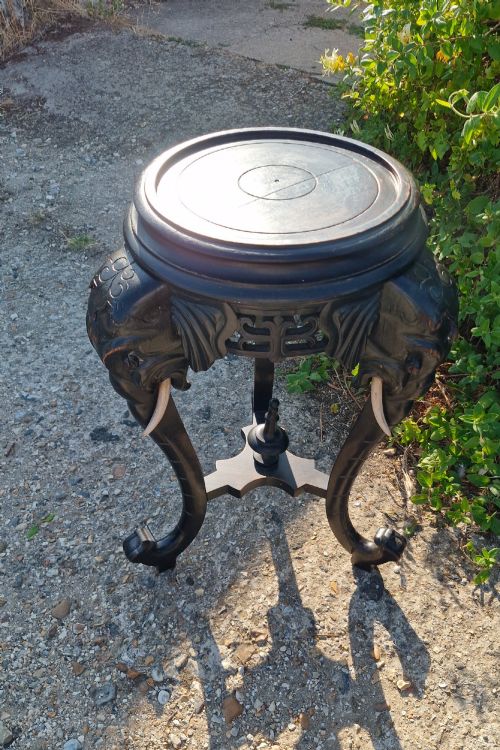
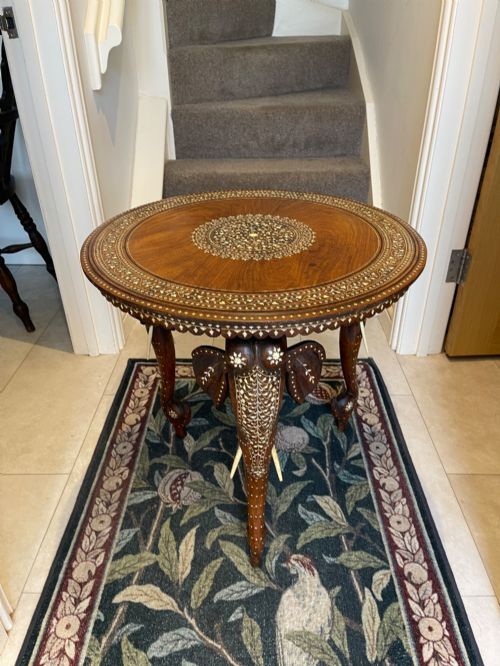
The most frequent items on this page are Anglo-Indian and Raj period tables featuring elephants carved as structural supports or integrated into bases. Alongside these, pairs of bookends and solid hardwood animal studies emerge from Victorian and Art Deco production periods.
Materials and construction
Makers utilised dense timbers including teak, rosewood, ebony and general hardwoods suited to intricate carving. Certain pieces incorporate bone inlay or painted wooden tusks, while regional workshops applied surface treatments like lacquer or polychrome pigments.
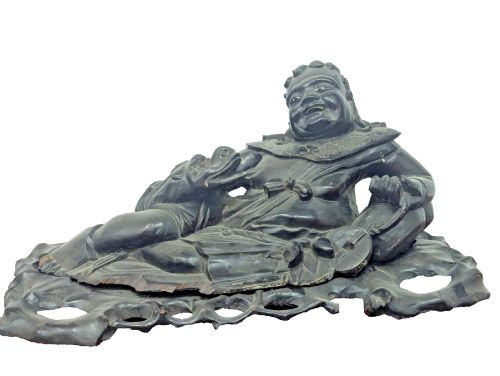
Joinery and sculptural depth vary by origin, ranging from freestanding Burmese temple carvings to British Black Forest bookends. Artisans shaped solid timber blocks into detailed animal forms, combining structural furniture design with manual relief work.
Carved Wooden Elephants Retail Price Guide 2026
Typical asking prices for carved wooden elephants among the pieces listed under this phrase on Sellingantiques today, from the lower quarter to the upper quarter. They describe what is for sale here now, not the wider market.
Several elephants arrive with painted wooden tusks, ensuring dental hygiene remains remarkably low-maintenance.
Quality and execution
Provenance and material choice also influence the tier of a piece. Solid rosewood, ebony and intricate bone inlay require higher levels of craftsmanship than standard teak or mixed woods.
The Carved Wooden Elephants Glossary
- Anglo-Indian
- A design style produced during the British period in India, combining local timber carving traditions with European furniture forms. It frequently incorporates dense hardwoods and dense surface ornamentation.
- Black Forest
- A term for nineteenth and twentieth-century European wooden carvings, often depicting animals. These items typically originate from the mountainous regions of central Europe.
- Hoshiarpur
- A region in Punjab known for intricate woodworking traditions. Pieces from here often display distinct geometric patterns and bone inlay.
- Raj Period
- The era of direct British rule in the Indian subcontinent. Items from this time often reflect colonial demand for local artisanal craftsmanship.
- Bone Inlay
- A decorative technique where small pieces of animal bone are embedded into wooden surfaces. This method creates contrasting geometric or floral patterns.
Carved Wooden Elephants: Frequently Asked Questions
Where were carved wooden elephants made?
The pieces originate primarily from workshops in the Indian subcontinent during the colonial period, alongside European centres like the Black Forest and domestic British makers.
Asian folk art and Chinese Qing dynasty pieces also appear among the records.
How do I identify a Raj period elephant table?
Raj period tables typically utilise dense hardwoods such as teak or rosewood with hand-carved animal figures forming the base or legs.
They date from the late nineteenth to early twentieth centuries and often reflect regional Indian craftsmanship.
What woods were used for these sculptures?
Makers relied on heavy, durable timbers including ebony, rosewood and teak. Hardwood and bone inlay frequently appear in Anglo-Indian examples.
These materials supported detailed chisel work and structural stability.
How should I care for antique carved timber?
Keep wooden furniture and sculptures away from direct heat sources and sudden temperature shifts to prevent timber splitting. Dust regularly with a dry cloth and avoid harsh chemical polishes.
Natural wax applied sparingly helps maintain the finish of nineteenth-century surfaces.