



Carved Wooden Drops
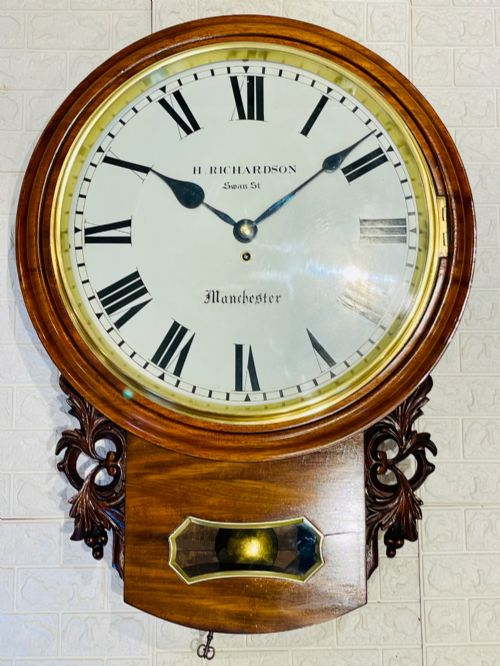
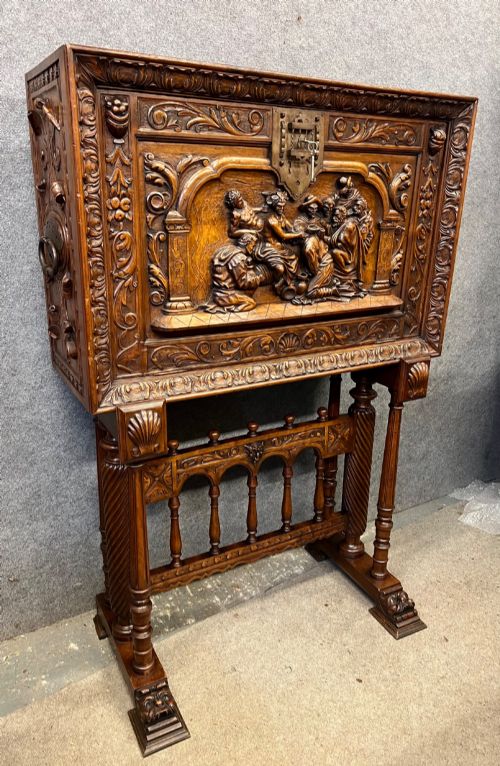
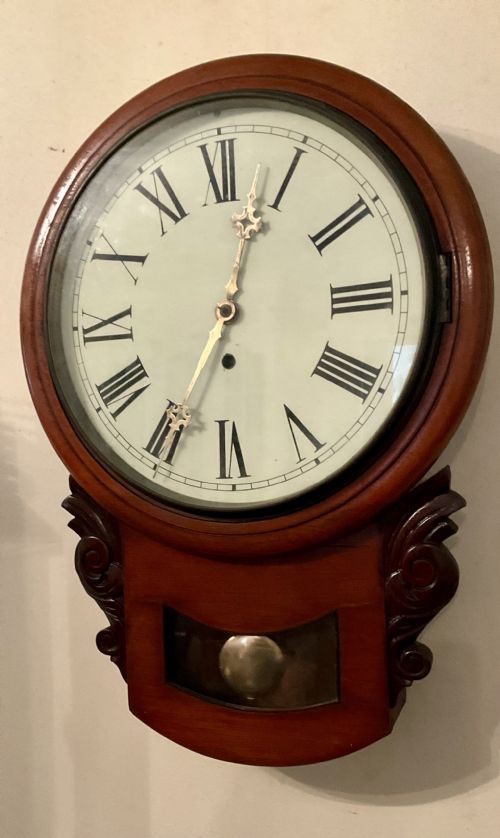
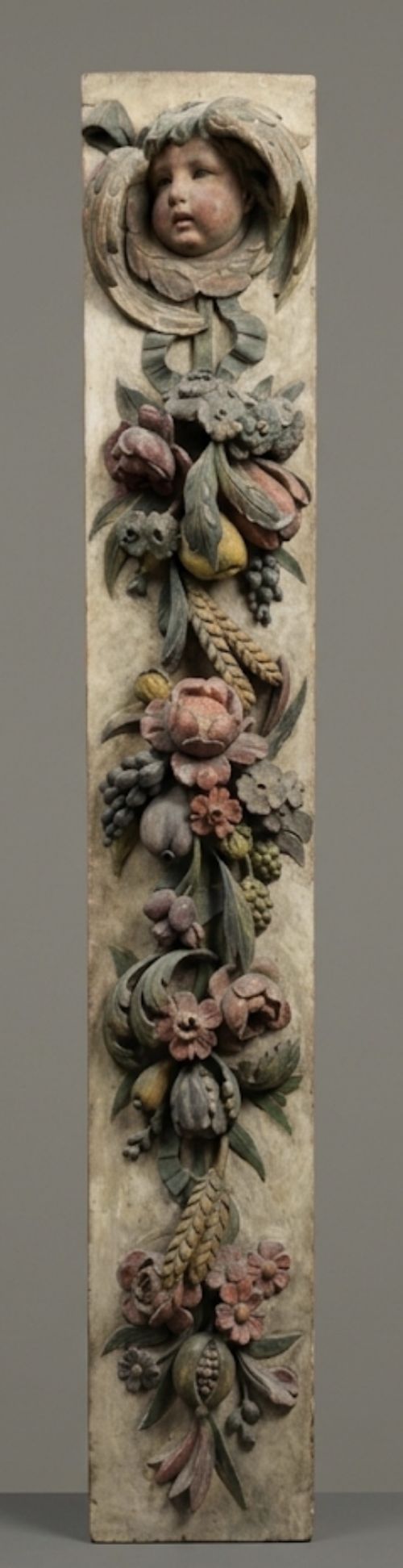
Carved wooden drops bring tactile depth to period interiors, appearing here as sculptural panels and architectural ornaments.
Carved Wooden Drops
When you search for carved wooden drops, you encounter ornamental elements shaped from timber, often associated with decorative panels from the eighteenth century. These pieces reflect historical periods such as the eighteenth century and feature detailed handwork.
The selections on this page demonstrate how timber was shaped for interior ornamentation and furniture embellishment. They connect directly to traditional woodworking methods seen across European craftsmanship.
Materials and Methods
The construction relies on timber shaped with traditional hand tools, producing relief work and sculptural detail. Artisans utilised dense woods capable of holding crisp edges under persistent carving.
Surface finishes applied to these pieces preserve the grain and protect the material over centuries of use. The physical structure depends entirely on the natural properties of the timber selected by the maker.
Carved Wooden Drops Retail Price Guide 2026
Typical asking prices for carved wooden drops among the pieces listed under this phrase on Sellingantiques today, from the lower quarter to the upper quarter. They describe what is for sale here now, not the wider market.
Early carvers occasionally concealed tiny carved signatures or personal marks deep within the foliage of floral drops.
Assessing Quality
Quality rests in the crispness of the carving and the depth of the relief work, where skilled hands create distinct shadows and contours. Lesser examples show softened edges and hurried tool marks that lack dimension.
The choice of timber and the preservation of the original surface determine the overall integrity of the piece. Superior execution is visible in the alignment of the grain with the direction of the carved design.
Thomas Chippendale
The Carved Wooden Drops Glossary
- Relief carving
- A sculptural technique where figures or patterns project from a flat background. This method gives carved wooden drops their characteristic three-dimensional appearance.
- Polychrome
- Painted in several colours, often applied to wood or plaster surfaces. This decoration adds vibrant pigments to historical carved panels.
- Limewood
- A fine-grained timber frequently used for intricate carving due to its soft texture and lack of pronounced grain. It allows artisans to cut in any direction without splitting.
- Chippendale style
- An eighteenth-century design aesthetic characterised by ornate carving and flowing lines. Pieces in this style often incorporate sophisticated foliage and scrollwork.
Carved Wooden Drops: Frequently Asked Questions
Where were carved wooden drops placed?
These decorative elements typically adorned architectural interiors, overmantels, or large furniture pieces like cabinets and panelling. They served to draw the eye to focal points within a room.
Craftsmen integrated them into friezes and door surrounds to add richness and texture to plain timber surfaces.
How should I clean carved wooden drops?
Dust gently with a dry, soft bristle brush to remove particles from the recesses of the carving without damaging the surface. Avoid liquid cleaners and modern polishes that can build up in the intricate details.
Maintaining a stable indoor humidity prevents the timber from drying out or splitting over time.
What woods were used for carving?
Artisans selected close-grained timbers such as limewood and oak for their ability to hold fine details. Softer hardwoods allowed for deep undercut work without fracturing.
The choice of material often reflected the regional availability and the intended function of the finished piece.
How do I date a carved wooden drop?
Dating relies on the style of the carving, tool marks left on the reverse, and the type of wood utilised. Comparing the motif to established eighteenth-century design books helps narrow the timeline.
Examination of the surface patina provides further clues regarding the age and handling of the object.