





Carved Wooden Corbel Pair
A carved wooden corbel pair offers architectural weight and solid craft, bringing robust historical character directly onto the wall.
Carved Wooden Corbel Pair
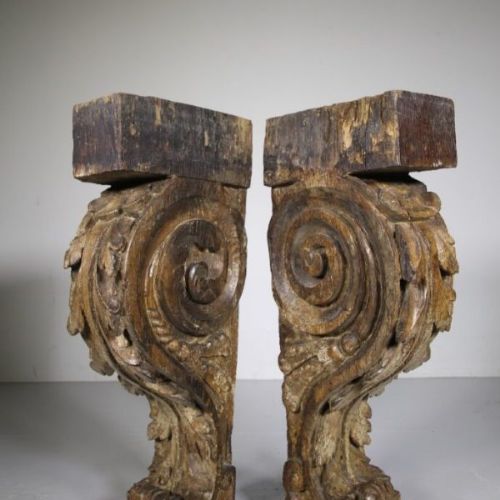
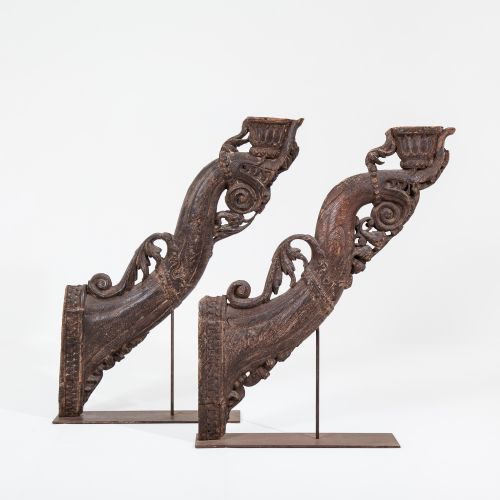
A carved wooden corbel pair serves primarily as architectural salvage or decorative wall brackets, supporting shelves or projecting cornices. When exploring a carved wooden corbel pair, buyers encounter diverse forms ranging from substantial structural elements to decorative wall supports.
The selections span significant historical periods, including seventeenth-century continental craftsmanship, eighteenth-century expressions, Georgian designs, and nineteenth-century revivals. Oak, pine, limewood, and timber form the basis of these structural ornaments.
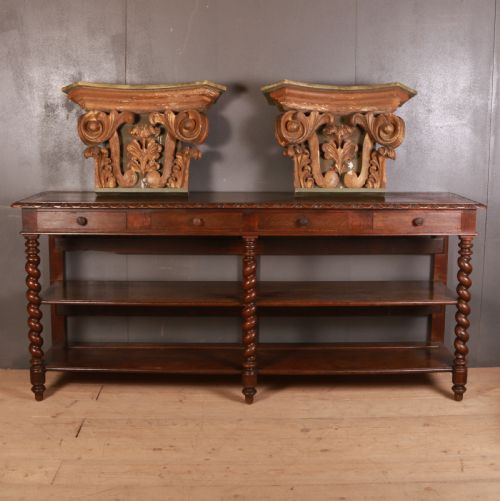
Stylistic influences vary widely across the inventory, encompassing Baroque and Rococo revivals, Victorian Gothic, traditional Chinese carving, and classical Corinthian orders. Many items arrive with painted or gilded surfaces, including gold leaf and gesso layers.
Materials and construction methods
Makers shaped a carved wooden corbel pair primarily from durable hardwoods and softwoods such as oak, pine, limewood, and general timber. Master carvers worked directly into the grain, utilising hand chisels and gouges to produce deep, high-relief architectural ornamentation.
Surface treatments frequently involved the application of gesso as a smooth preparation layer for gold leaf gilding. Other examples received traditional paint finishes or relied on the exposed, rich textures of aged wood and iron fixings.
Carved Wooden Corbel Pair Retail Price Guide 2026
Typical asking prices for carved wooden corbel pair among the pieces listed under this phrase on Sellingantiques today, from the lower quarter to the upper quarter. They describe what is for sale here now, not the wider market.
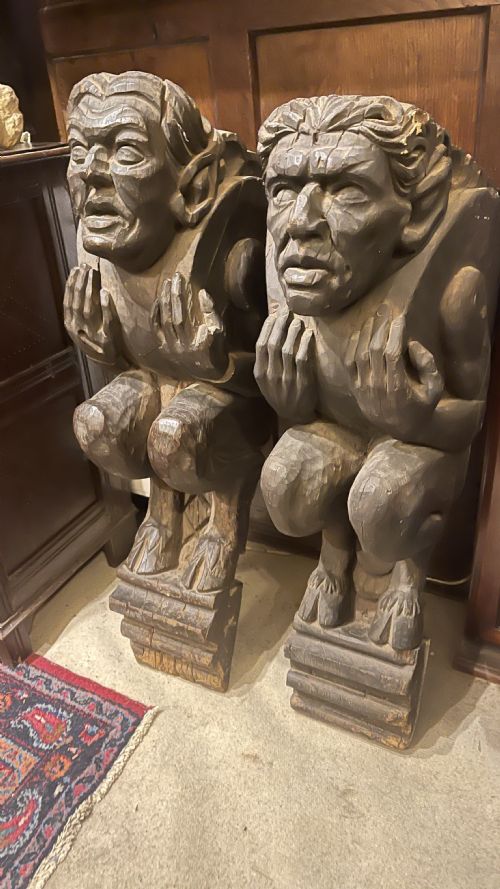
Carved wooden cherubs and lions keep a silent, watchful guard over modern bookshelves.
Assessing quality in architectural brackets
Quality in a carved wooden corbel pair rests fundamentally on the depth and crispness of the hand-carved detail. Superior examples display sharply defined motifs, whether depicting cherubs, lions, acanthus leaves, or classical capitals, showing confident chisel work without mechanical shortcuts.
The choice of material and the preservation of original surface finishes dictate the upper tier of the range. Intact historical gilding, original gesso, and dense structural timbers like seventeenth-century oak command greater appreciation than simplified later reproductions.
The Carved Wooden Corbel Pair Glossary
- Corbel
- A structural projection built into or attached to a wall to support a weight above it. These wooden examples often functioned as heavy shelf supports or building brackets.
- Capital
- The uppermost member of a column or pilaster, mediating between the column and the load resting upon it. Many architectural pairs adopt classical orders like the Corinthian style.
- Gesso
- A paint mixture consisting of a binder mixed with chalk, gypsum, or pigment. It served as a smooth base layer for subsequent gold leaf gilding on decorative brackets.
- Baroque Revival
- An architectural and decorative style drawing inspiration from the seventeenth-century Baroque movement. Pieces in this category often feature dramatic movement and exuberant carved details.
- Architectural Salvage
- Building elements rescued from structures slated for alteration or demolition. This category preserves historic wooden brackets and corbels for modern interior placement.
Carved Wooden Corbel Pair: Frequently Asked Questions
How were corbels used historically?
Historic builders integrated corbels directly into masonry or timber-framed walls to bear heavy loads such as projecting eaves, lintels, and internal ceiling beams. Later examples often functioned purely as decorative brackets to support prominent display shelves.
Over centuries, these structural elements transitioned from purely functional load-bearing members into ornate focal points within grand domestic and institutional interiors.
Are these brackets structurally sound for shelving?
Many surviving architectural brackets retain substantial structural integrity and remain entirely capable of supporting timber shelving when properly anchored to wall studs. Their original fabrication in dense hardwoods like oak ensures lasting physical durability.
Buyers should examine the rear fixing points and overall weight capacity of each specific pair before mounting heavy loads onto domestic walls.
How do I identify the period of a carved corbel?
Period identification relies heavily on recognising characteristic stylistic markers, such as seventeenth-century geometric carving or nineteenth-century Gothic revival motifs. The choice of primary timber, such as early structural oak versus later pine or limewood, offers further chronological clues.
Tool marks left by hand chisels and the natural patina developed across centuries provide additional physical evidence of an item's true age.
How should I clean gilded wood?
Gilded wood and delicate gesso surfaces require extremely gentle maintenance using a soft, dry ostrich feather duster or microfiber cloth. Moisture and chemical cleaning agents can strip historical gold leaf and damage fragile preparation layers.
Keeping gilded brackets away from direct sunlight and excessive humidity preserves the original metallic sheen and prevents the underlying wood from warping.