

Carved Wooden Cherubs
Carved wooden cherubs bring expressive, sculptural character to interiors through Baroque and Renaissance styling.
Carved Wooden Cherubs
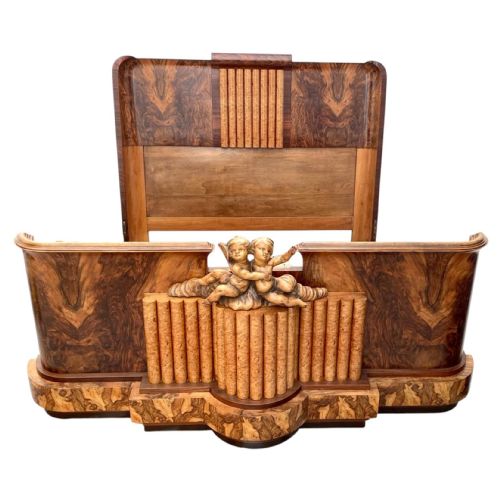
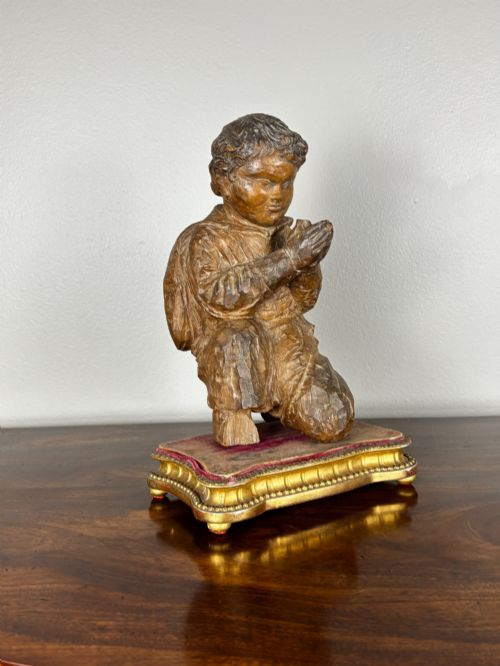
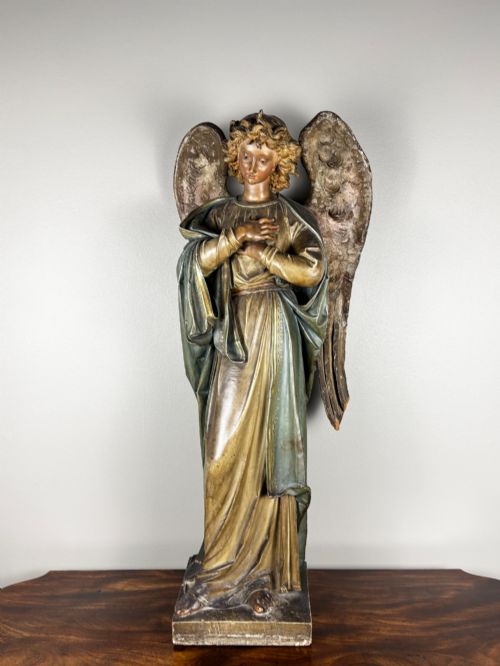
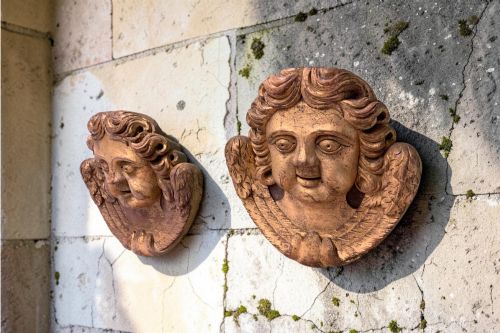
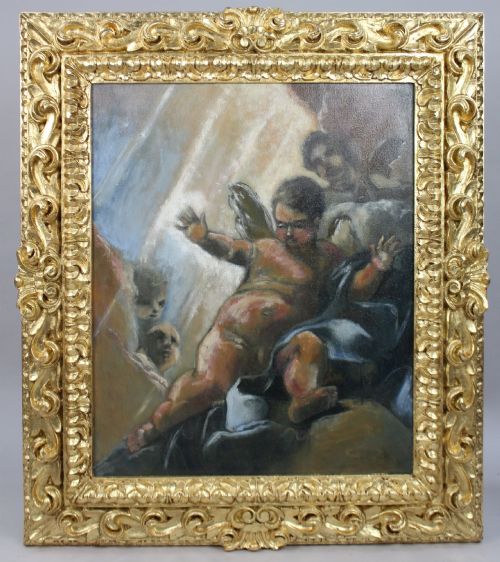
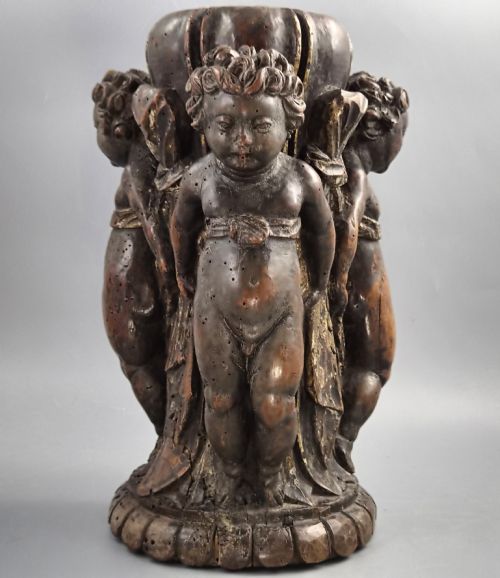
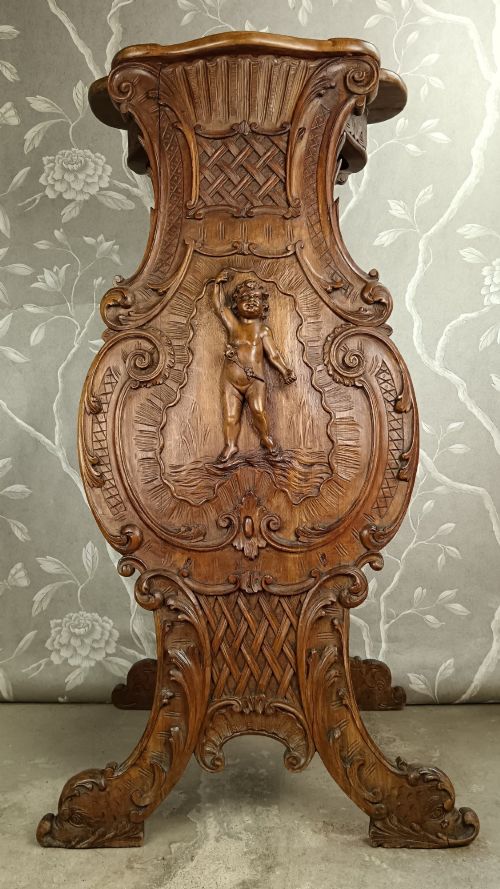
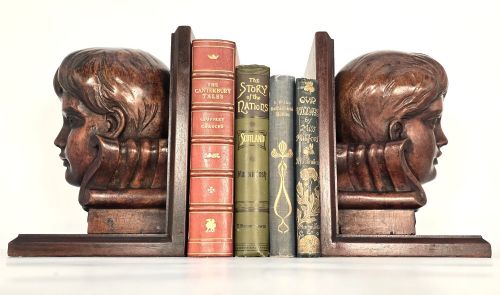
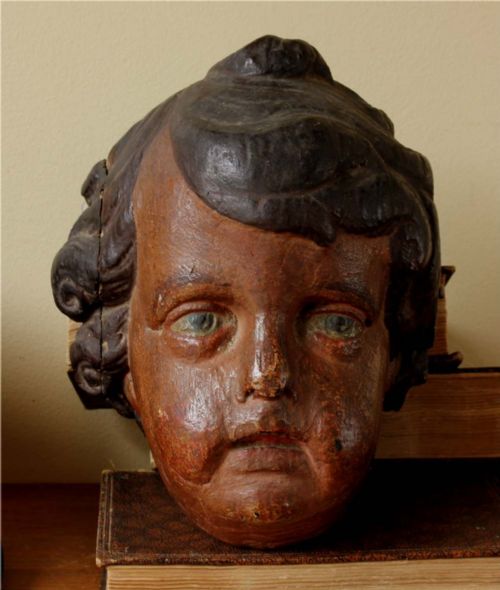
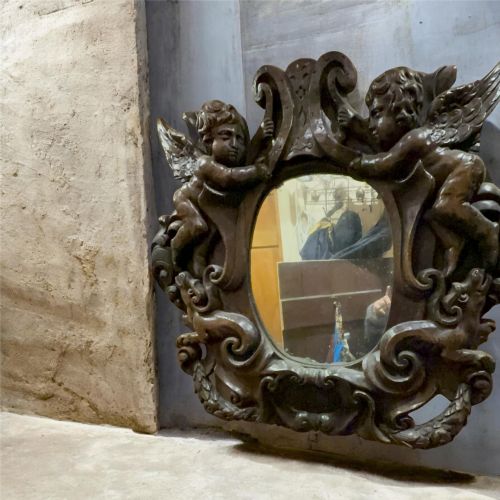
Carved wooden cherubs encompass sculptural figures, wall brackets, architectural elements, and mirror frames depicting winged celestial beings or putti. Buyers searching this phrase will find Continental European pieces spanning the seventeenth through the nineteenth centuries, executed in diverse forms such as single heads, pairs of kneeling angels, and architectural fragments.
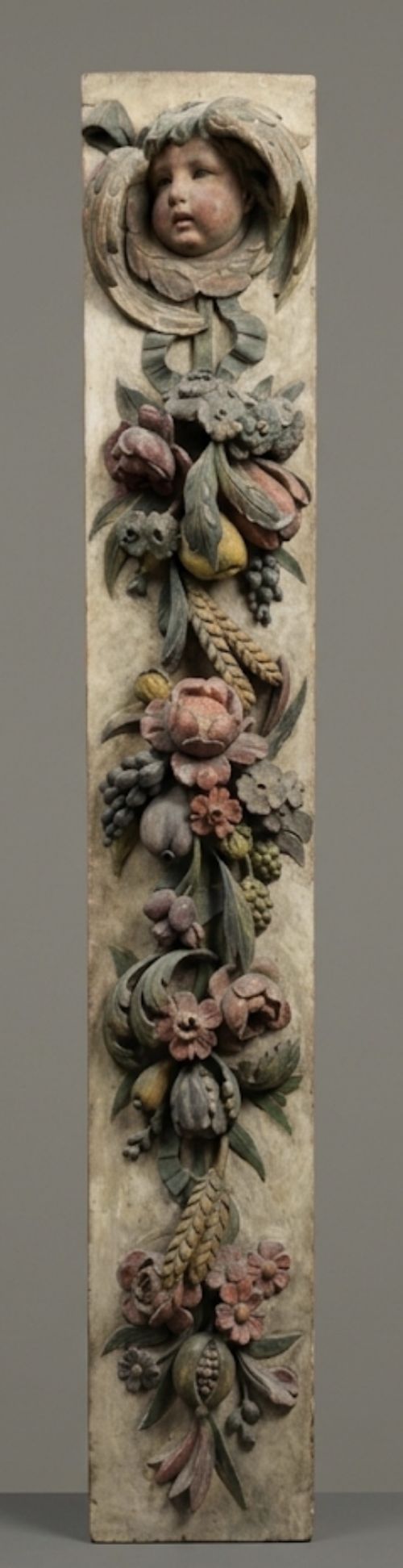
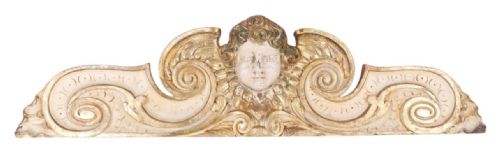
The objects derive largely from ecclesiastical and domestic contexts across Italy, France, and Germany, reflecting the enduring influence of Baroque and Renaissance revival aesthetics. Many items appear as architectural salvage, including overdoor panels, wall brackets, and pillar bases integrated with figural sculpture.
Materials and Techniques
Craftsmen utilised native hardwoods such as oak, walnut, limewood, and fruitwood, selected for their stability and capacity to hold intricate detail under chisel and gouge. Figures were hand-carved from solid timber blocks or built into larger architectural panels and frames.
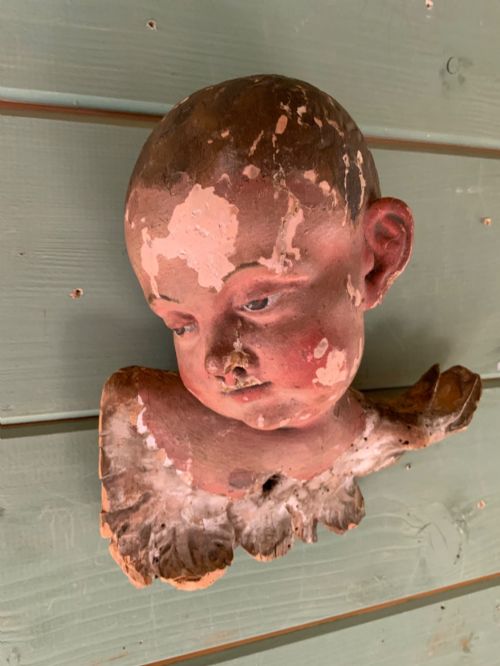
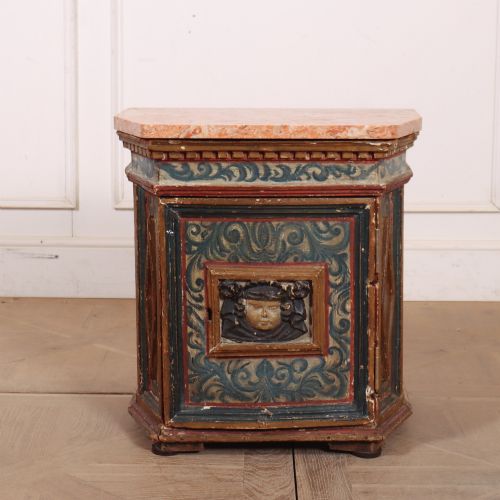
Surface finishes varied from natural waxed wood to applied gesso and gold leaf, or polychrome paint schemes incorporating pigments and metallic leaf. These decorative layers often survived centuries of ecclesiastical and domestic use, displaying patinated surfaces characteristic of period Continental workshops.
Carved Wooden Cherubs Retail Price Guide 2026
Typical asking prices for carved wooden cherubs among the pieces listed under this phrase on Sellingantiques today, from the lower quarter to the upper quarter. They describe what is for sale here now, not the wider market.
Listings feature oak, walnut, and limewood as the primary timber supports across seventeenth- and eighteenth-century items.
Assessing Quality and Execution
The integrity of the original surface finish, whether polychrome pigment, gilding, or bare timber, determines the visual impact of the piece. Losses to applied gesso or replacement limbs alter the artistic coherence, while crisp, deep undercutting marks the work of skilled period artisans.
Edward Pearce
The Carved Wooden Cherubs Glossary
- Putto
- A figure of a small child, frequently winged, common in Renaissance and Baroque art. These figures often represent cherubs or angelic attendants in architectural decoration.
- Polychrome
- Painted in several colours. This surface treatment was frequently applied to wood sculptures and panels to enhance realism.
- Gesso
- A plaster mix applied to wood surfaces as a base for gilding or painting. It provides a smooth ground for gold leaf adherence.
- Torchiere
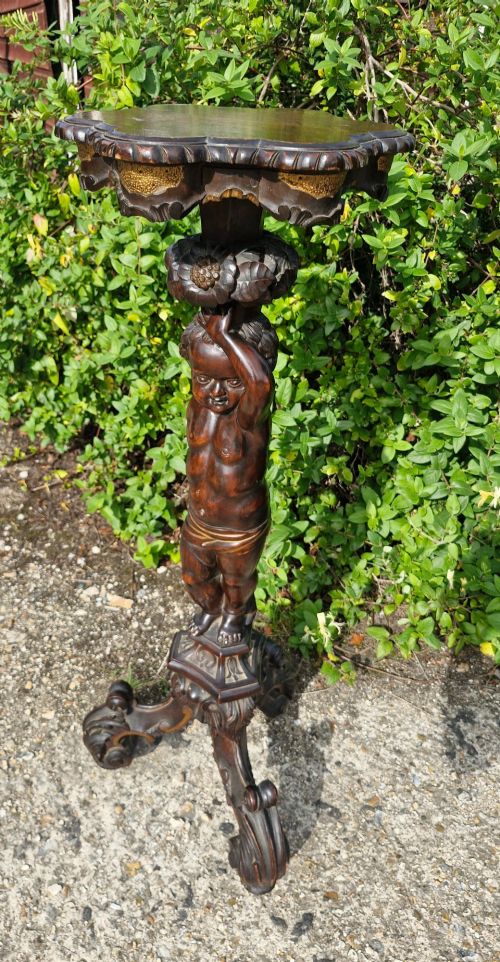
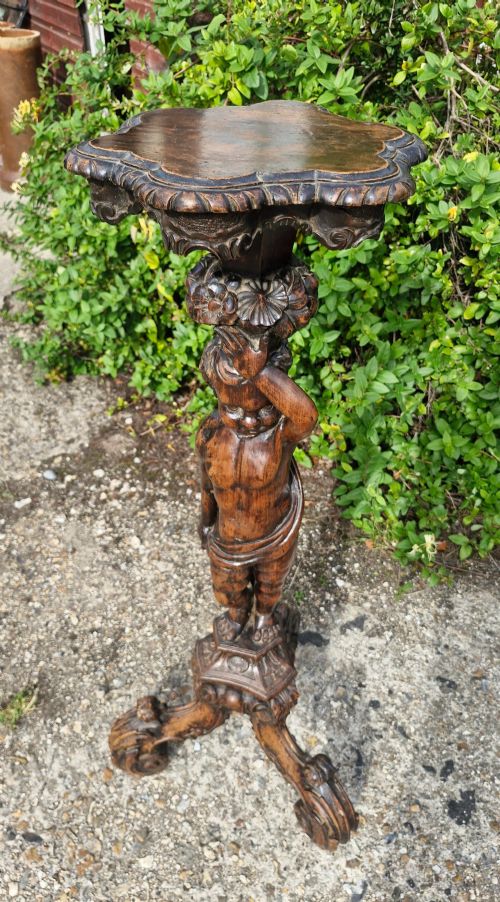
- A tall stand or ornamental candlestick. These supporting columns sometimes incorporate carved figural elements.
- Acanthus
- A carved leaf ornament derived from classical architecture. This foliage motif frequently surrounds figures in Baroque panels and frames.
Carved Wooden Cherubs: Frequently Asked Questions
How were carved wooden cherubs originally used?
These carvings served predominantly within churches, chapels, and grand domestic interiors as architectural embellishments, altarpieces, or components of mirrors and furniture.
Craftsmen integrated them into overdoors, wall brackets, and liturgical furnishings to elevate the spiritual and decorative presence of the space.
How do I distinguish 17th-century pieces from 19th-century revivals?
Seventeenth-century items typically display deeper tool work, heavy native timber usage, and natural wear patterns accumulated over centuries of ecclesiastical use.
Nineteenth-century revival pieces often reflect a more theatrical interpretation of Baroque or Renaissance styles, employing cleaner tool marks and distinct wood seasoning.
How should I display antique wood carvings at home?
Wall-mounted pieces require secure fixings suited to their weight, ideally placed away from direct heat sources and strong sunlight.
Free-standing figures and panels benefit from stable shelf or console placement where their three-dimensional depth and surface patina remain visible.
What maintenance do antique polychrome surfaces need?
Polychrome and gilded wooden surfaces require gentle dusting with a soft, dry brush rather than liquid cleaners.
Maintaining stable room humidity prevents the timber from splitting and protects delicate gesso and paint layers from flaking.