






Carved Wooden Centrepiece
A carved wooden centrepiece brings tactile warmth and historic craftsmanship to a dining table.
Carved Wooden Centrepiece
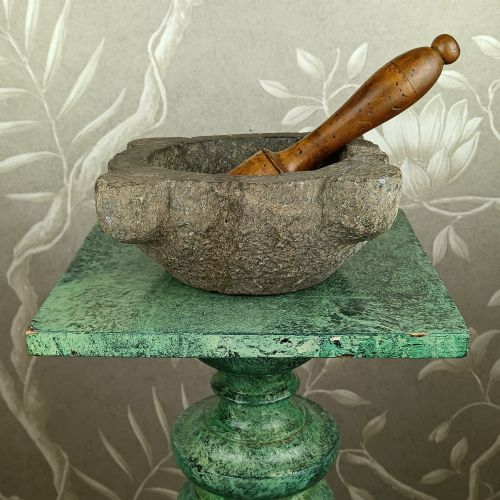
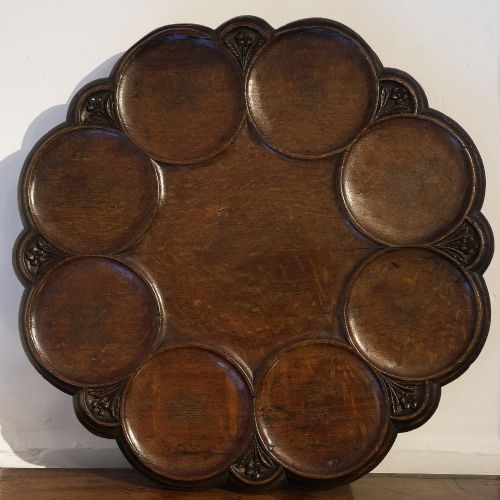
A carved wooden centrepiece encompasses functional and decorative table items shaped from solid timber across multiple centuries. These pieces range from fruit bowls and revolving lazy susans to sculptural tazzas and candlesticks.
The version most commonly encountered on this page originates from the nineteenth century, drawing on Victorian, Black Forest, or Georgian traditions. Craftsmen utilised native woods such as oak and mahogany to fashion these elaborate display items.
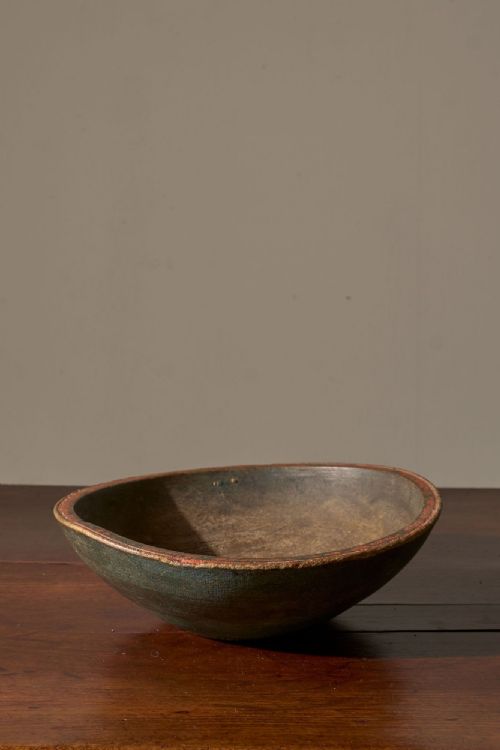
Utility often merges with ornament in forms designed for serving cheese, cakes, or fruit during grand meals. Others serve purely decorative functions, taking the shape of carved bowls, boxes, or figurative sculptures.
Materials and construction methods
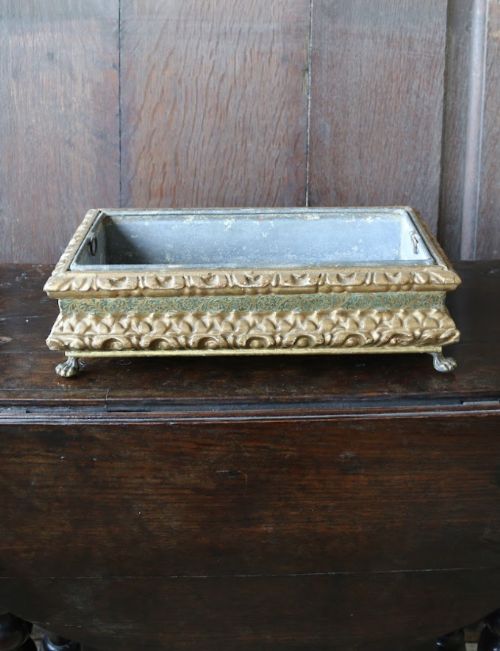
Makers relied on solid woods including oak, mahogany, walnut, and yew, selecting timber for its grain and weight. Selected pieces feature applied gold leaf, ebonising, or painted surfaces over the carved structure.
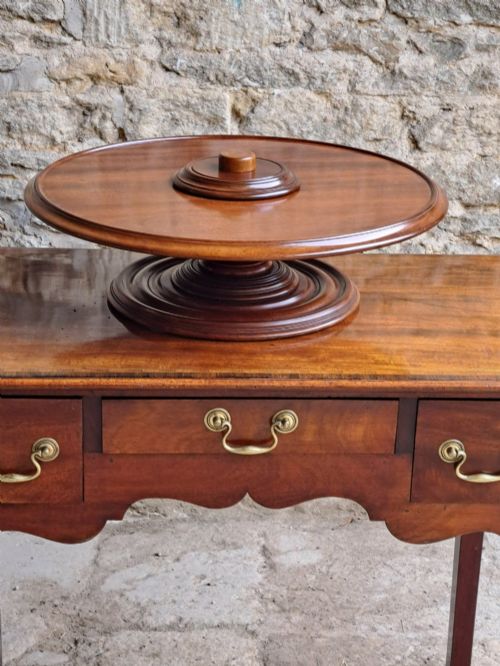
Carpenters and carvers employed hand tools to carve deep relief ornamentation, such as fruiting vines or animal figures, directly into the timber. Revolving mechanisms on lazy susans utilised central pivot joints concealed beneath the wooden tiers.
Carved Wooden Centrepiece Retail Price Guide 2026
Typical asking prices for carved wooden centrepiece among the pieces listed under this phrase on Sellingantiques today, from the lower quarter to the upper quarter. They describe what is for sale here now, not the wider market.
Swiss folk art and Black Forest carvers turned everyday dining into a menagerie by populating fruit bowls with watchful bears.
Distinctions in craftsmanship
Quality rests in the depth and crispness of the hand-carved details, distinguishing sharp undercut foliage from shallow, mechanical incisions. The selection of timber grain and the integrity of the original polish further separate fine examples from simpler workshop output.
Structural harmony in complex assemblies, such as multi-tiered revolving trays or lidded boxes, indicates superior cabinet-making. Pieces retaining their original surfaces without modern interventions command greater attention from discerning collectors.
The Carved Wooden Centrepiece Glossary
- Lazy Susan
- A revolving tray placed on a table to assist in moving food easily. These items appear in mahogany and oak configurations.
- Black Forest
- A style of wood carving originating from central Europe, characterised by realistic animal and foliage motifs. Pieces often depict bears or dense forest flora.
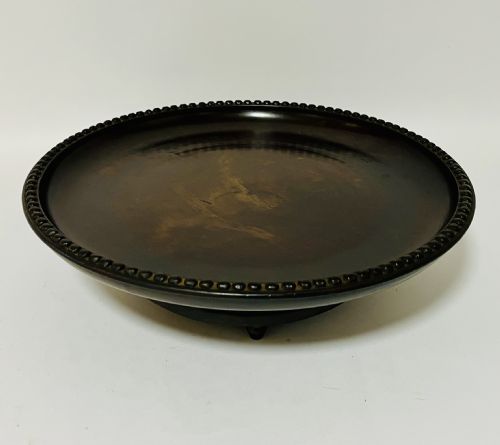
- Tazza
- A shallow saucer-like dish mounted on a stem and foot, utilised for serving fruit or sweetmeats. Walnut and silver examples frequently employ this elevated format.
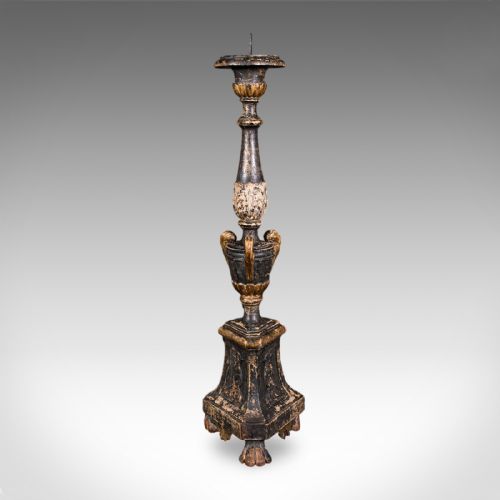
- Pricket
- A candlestick featuring an upright spike to secure a candle rather than a socket. This form appears in ecclesiastical and domestic settings alike.
- Cheese Coaster
- A low tray fitted with rollers or a flat base designed to slide along a dining table. Mahogany and other dense hardwoods were favoured for this purpose.
Carved Wooden Centrepiece: Frequently Asked Questions
What is a carved wooden centrepiece used for?
These items historically served functional roles on dining tables, holding fruit, cheese, cakes, or condiments during formal meals. Revolving mechanisms allowed diners to share dishes easily across large tables.
Today, many people use them as decorative focal points on sideboards, coffee tables, or dining surfaces. Their sculptural qualities make them suitable for displaying dried botanicals or standing alone as works of art.
How do I care for antique wood?
Maintain antique timber by keeping it away from direct heat sources and strong sunlight, which can dry and crack the wood. Dust gently with a dry, soft cloth rather than using modern chemical sprays.
Occasional application of appropriate beeswax helps nourish the grain and preserve the finish. Avoid exposing these items to excessive moisture or placing wet items directly on the bare wood.
How can I tell the period?
Dating relies on observing the timber species, tool marks, and stylistic conventions associated with specific eras like the Georgian or Victorian periods. Georgian items often feature restrained mahogany turning, while Victorian and later nineteenth-century pieces display heavier relief carving.
Examining the construction methods underneath or inside, such as joint types and fastener styles, provides further clues to age. Comparing the patina and wear patterns to documented examples helps confirm the timeline.
What is Black Forest carving?
Black Forest carving refers to intricately carved wooden items produced in Switzerland and Germany during the nineteenth century. These pieces are famous for naturalistic representations of animals, particularly bears, alongside detailed foliage and alpine scenery.
Craftsmen utilised local softwoods and hardwoods to create expressive sculptures, umbrella stands, and table centrepieces. The style remains distinct due to its high level of three-dimensional realism and deep texture.
Are lazy susans antique?
Revolving serving trays existed in English and American dining rooms by the eighteenth century, frequently constructed in mahogany. These early versions sat on small rollers or central pivots to assist diners before the era of modern service.
Nineteenth-century examples continued this tradition with heavier proportions and varied timber selections. They remain practical antiques suited to contemporary dining spaces.