
Carved Wooden Arch
These pieces known as a carved wooden arch bring architectural depth and historical character into domestic interiors.
Carved Wooden Arch
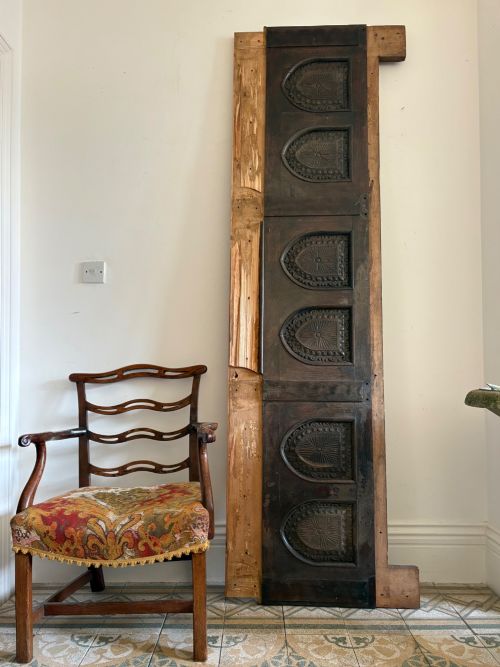
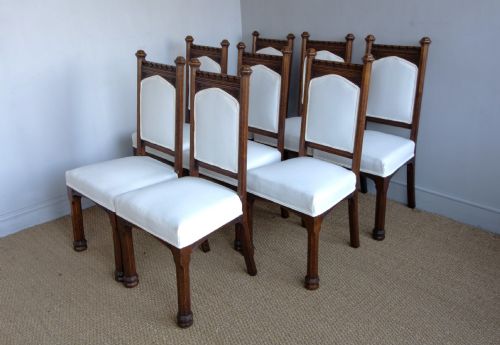
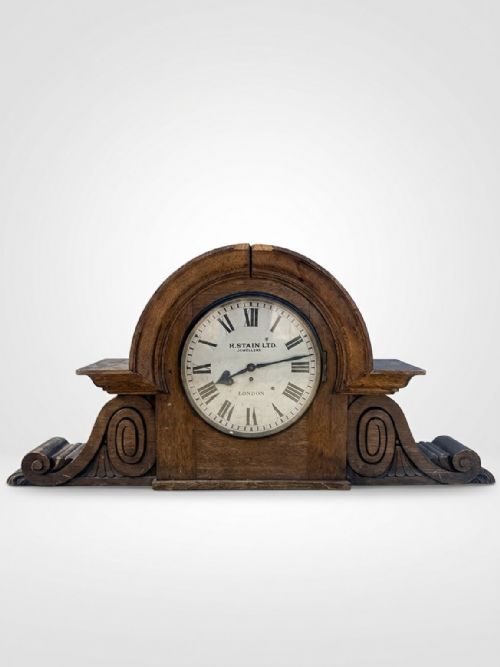
A carved wooden arch brings architectural presence into a room, taking forms from structural elements like doorways, window frames and furniture crests. Buyers look for these pieces to anchor a space, framing views or creating focal points within domestic interiors.
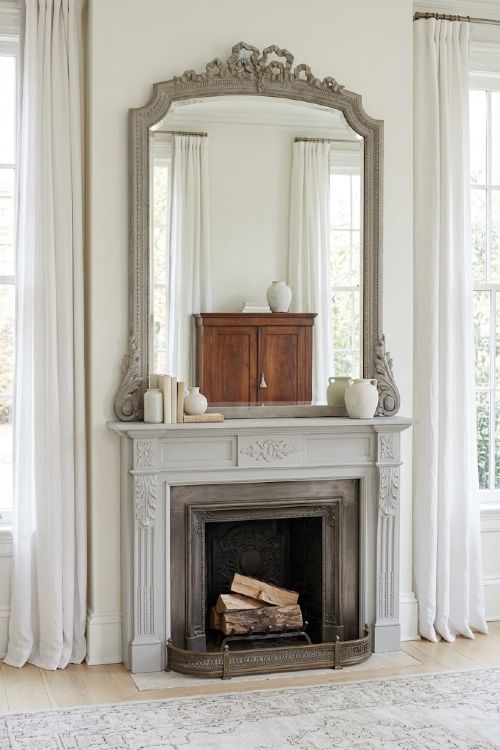
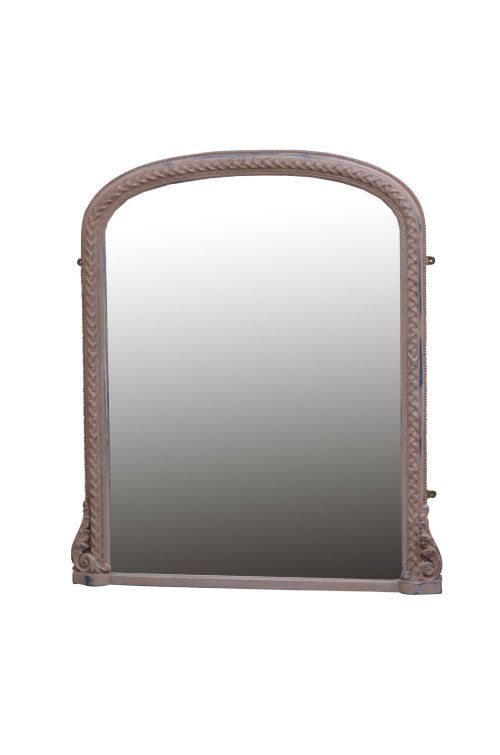
The selections available range from French carved wood and gesso mirrors with arched tops to structural elements such as internal door archways and architectural salvage. Oak, walnut and mahogany form the primary framework of these items across the 19th century and Edwardian periods.
Materials and construction methods
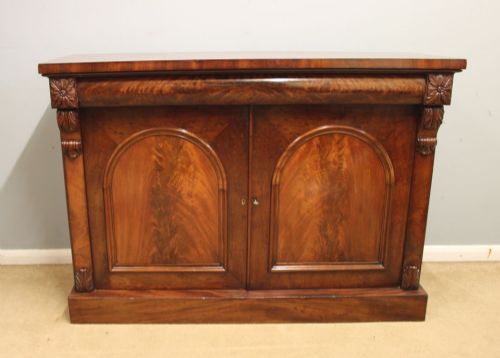
Makers shaped these pieces predominantly from hardwoods like oak, walnut and mahogany, occasionally employing elm, teak or pitch pine depending on the regional source. Timber selection dictated the depth of relief carvers could achieve on architectural mouldings and mirror frames.
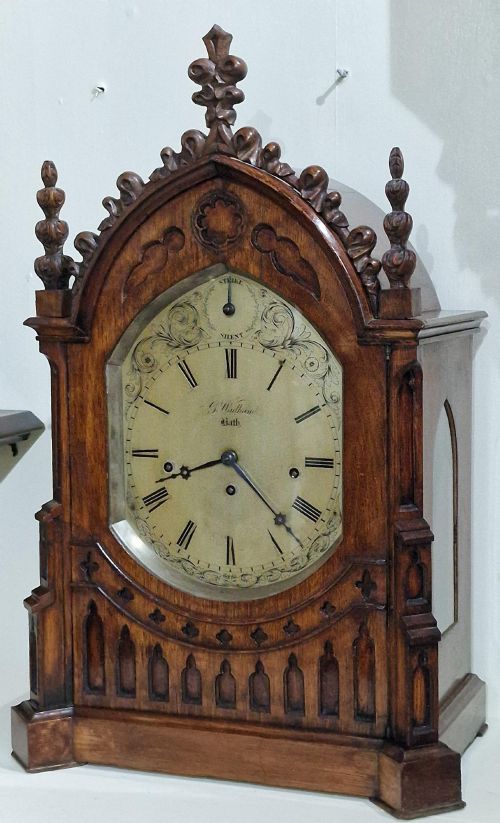
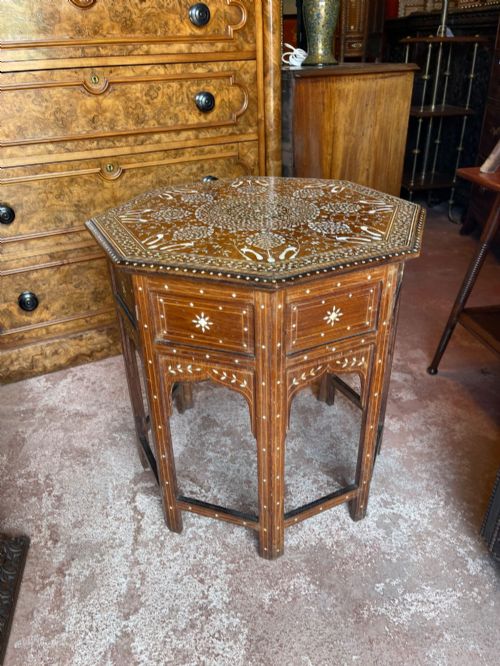
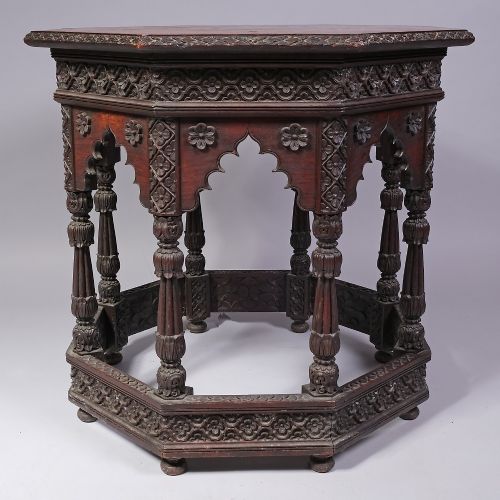
Surface finish often involved applied gesso underneath paint or silvering, alongside traditional wax polishing to protect the carved grain. Joinery combined pegged mortise and tenon frames with hand-chiselled ornamentation following Gothic Revival, Moorish or French provincial styles.
Listings feature oak, walnut, mahogany, and gesso across Victorian, Edwardian, and earlier periods.
Distinctions in quality and execution
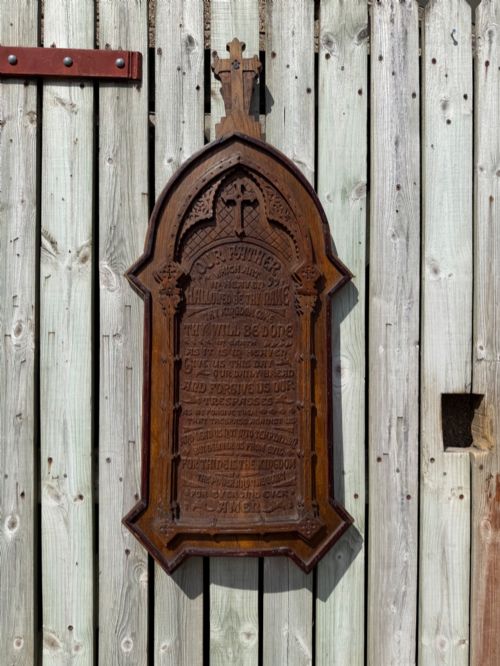
Depth and crispness of the hand-carved relief separate standard joinery from superior examples, particularly where floral motifs, tracery or animal forms intersect. Sharp contours on architectural elements indicate a skilled hand working without mechanical shortcuts.
Integration of the wooden frame with original surface treatments, whether aged gesso, silver leaf or polished walnut, preserves the integrity of the piece. Superior items retain their structural timber without excessive replacement of supporting sections.
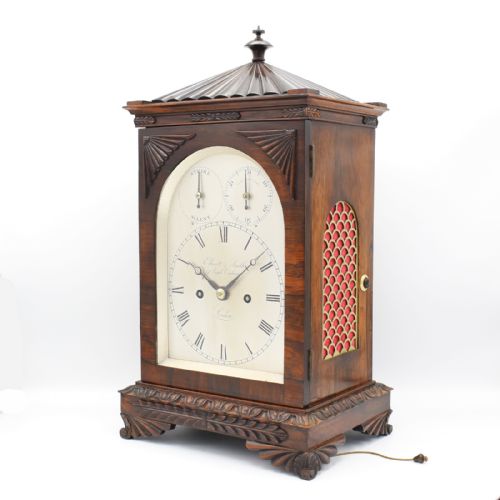
Liberty & Co·George Wadham·Ellicott & Smith·Norwich Maker
The Carved Wooden Arch Glossary
- Gesso
- A plaster-like mixture applied to wood surfaces to serve as a base for paint or gilding. This compound allowed carvers to achieve smooth curves before applying metallic leaf or colour.
- Overmantel Mirror
- A large looking glass designed specifically to hang above a fireplace mantel. These items frequently incorporate carved wooden arches and painted gesso frames.
- Gothic Revival
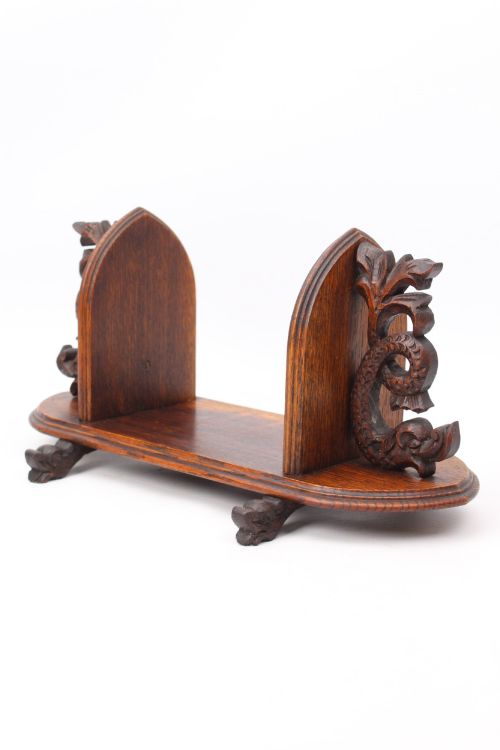
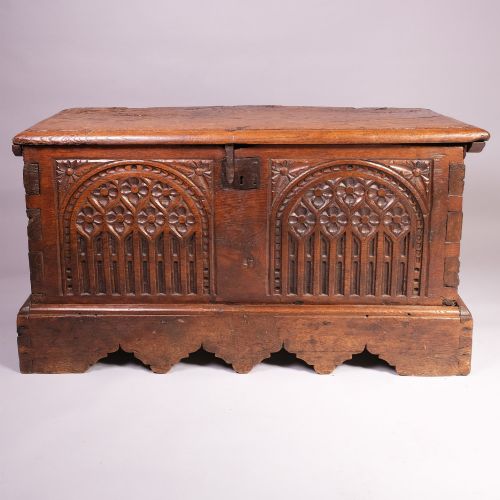
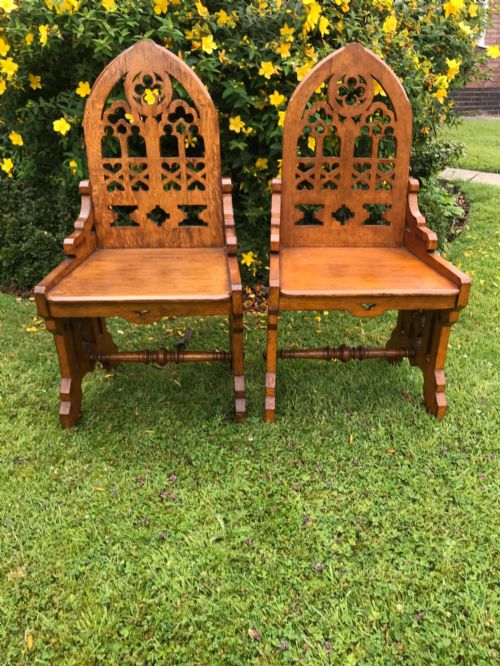
- An architectural and decorative style drawing inspiration from medieval forms. Pieces in this category utilise pointed arches, tracery and heavy oak construction.
- Architectural Salvage
- Building elements rescued from older structures for reuse in interior design. This category includes door archways, brackets and window frames.
Carved Wooden Arch: Frequently Asked Questions
How do I care for antique carved wood?
Maintain the timber by dusting regularly with a dry cloth and applying occasional traditional beeswax to nourish dry grain. Avoid placing items near direct heat sources or strong sunlight.
Protect gesso and painted surfaces from moisture by using gentle cleaning methods without liquid polish or chemical solvents.
What periods do these wooden arches come from?
The listings span from pre-16th century medieval fragments up through the 19th century, Victorian era, and Edwardian period. Gothic Revival and French provincial styles predominate across the surviving pieces.
Victorian and Edwardian workshops frequently reinterpreted earlier medieval or Georgian forms, producing substantial oak and walnut furnishings.
How can I identify Gothic Revival style?
Gothic Revival items feature characteristic pointed arches, quatrefoils, and heavy timber construction in oak or pine. The design vocabulary references medieval ecclesiastical and domestic architecture.
Makers applied these motifs to chairs, bookcases, and architectural frames throughout the nineteenth century.