

Carved Wood Work Table
A carved wood work table brings refined utility to a room, combining domestic function with period craftsmanship in walnut, mahogany, and rosewood.
Carved Wood Work Table
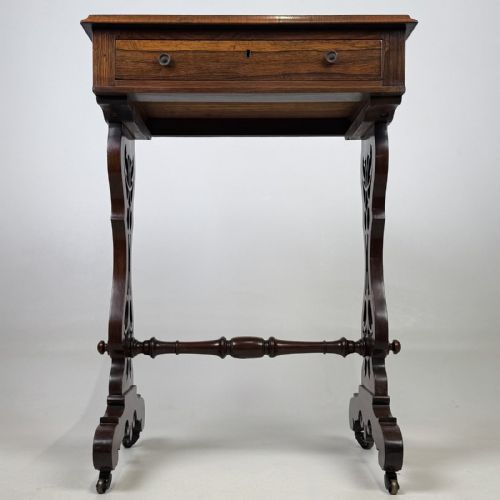
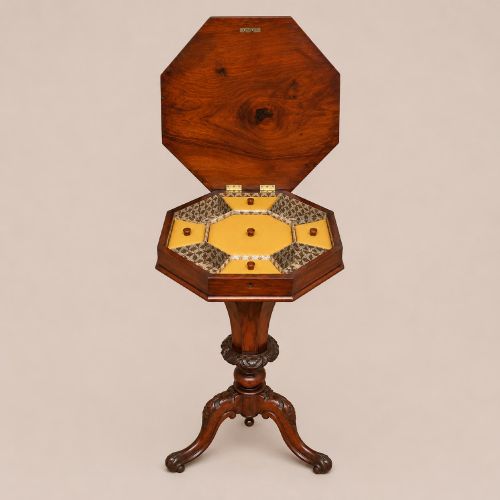
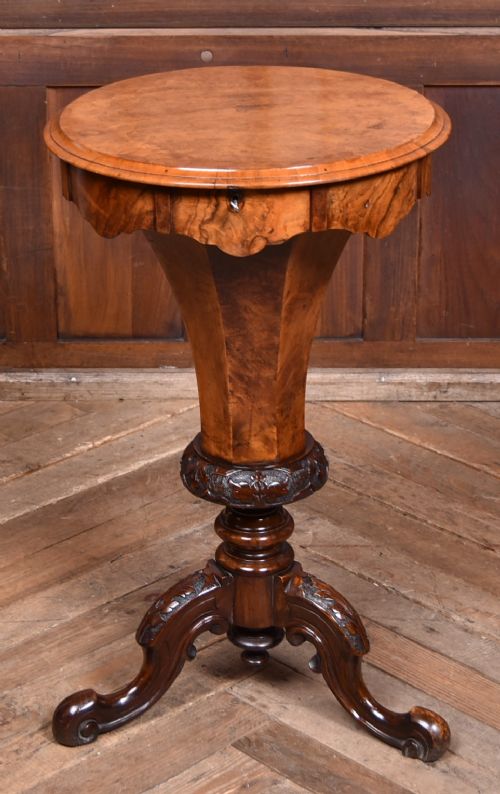
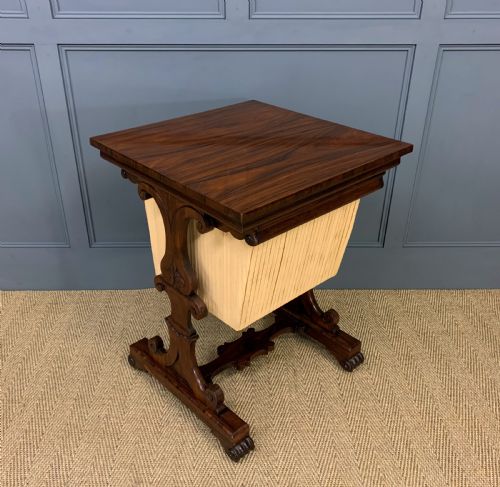
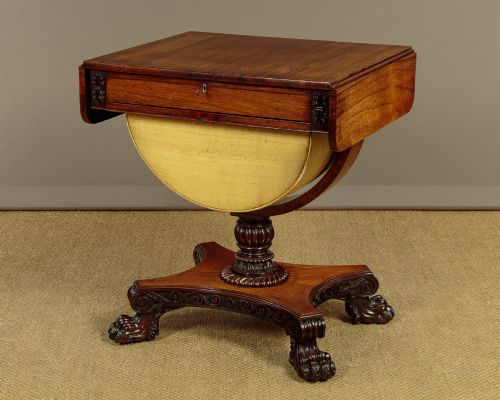
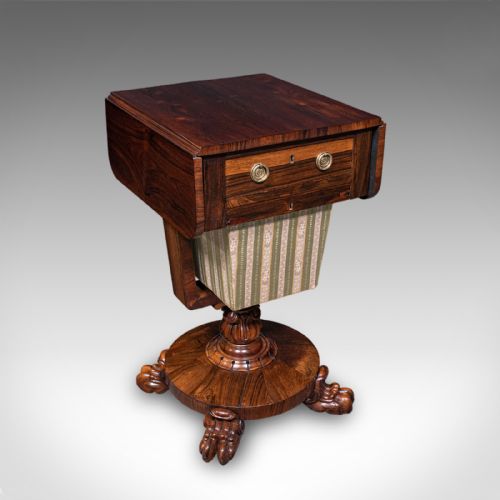
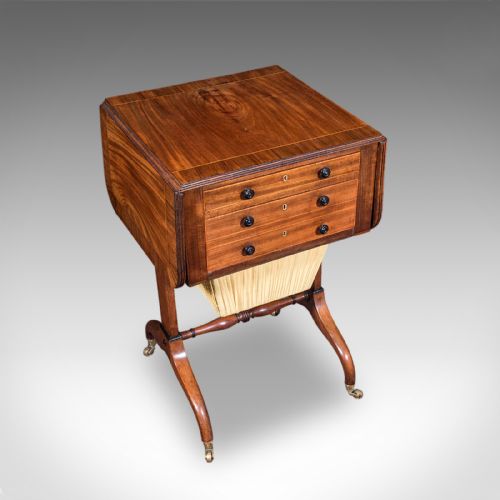
A carved wood work table serves as a functional piece designed for sewing, writing, or occasional use, appearing predominantly across Victorian, Regency, and William IV periods. These pieces often feature drop leaves, caddy tops, or fitted interiors intended for sewing and hobbies.
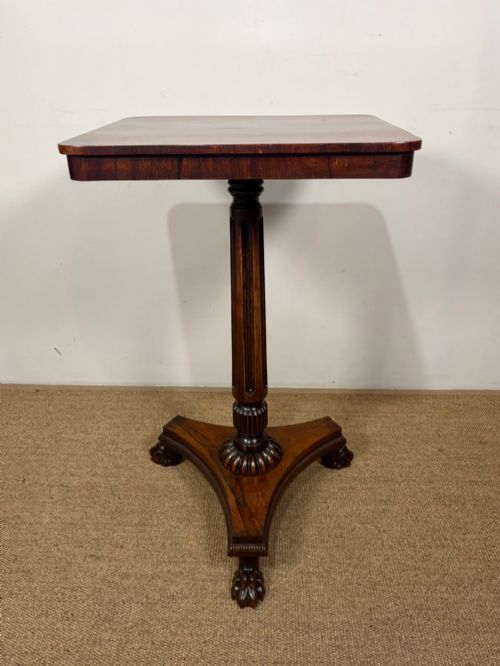
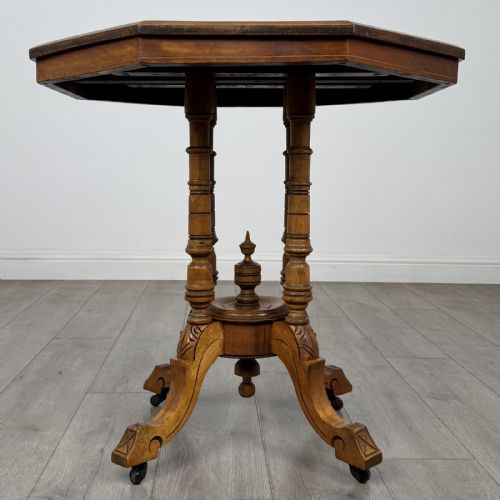
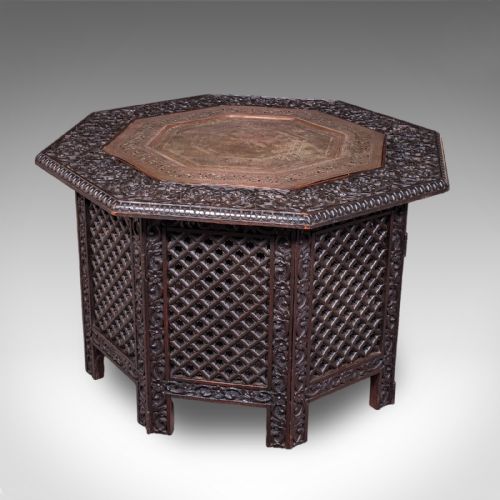
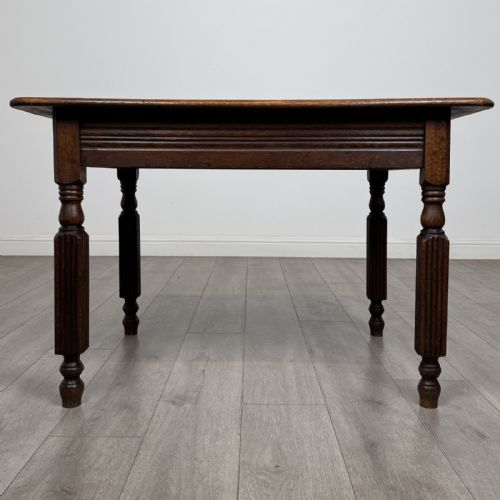
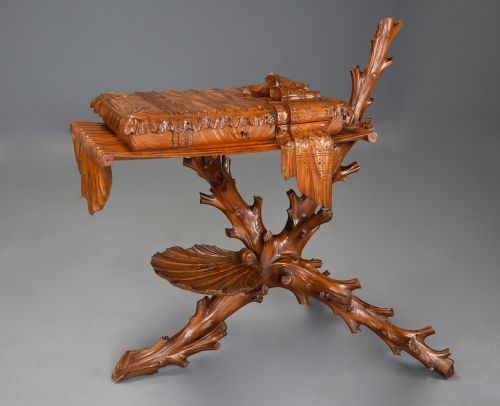
The selections span various forms including sewing tables, ladies hobby tables, and occasional tables shaped from solid timbers and veneered surfaces. Makers utilised diverse regional styles, ranging from English mahogany and rosewood examples to Spanish walnut and Anglo-Indian designs.
Materials and construction
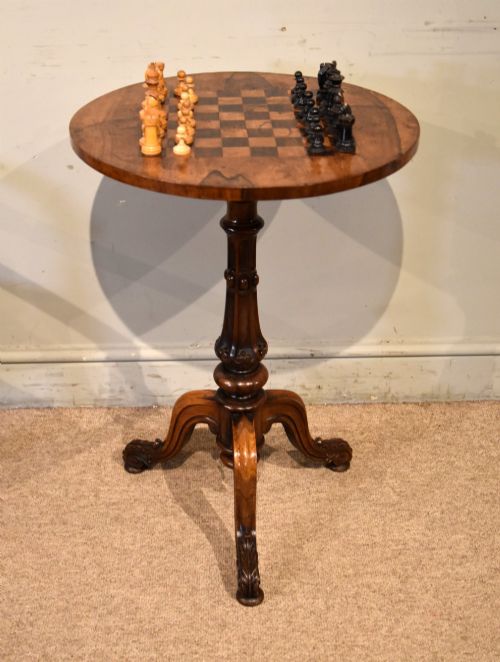
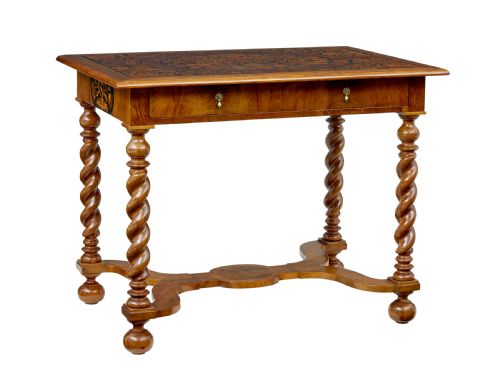
Cabinet makers constructed these tables using dense hardwoods such as mahogany, walnut, burr walnut, and rosewood, frequently incorporating elaborate marquetry, parquetry, and inlaid chess boards. Secondary timbers like oak and pine provide structural support within the frames and drawers.
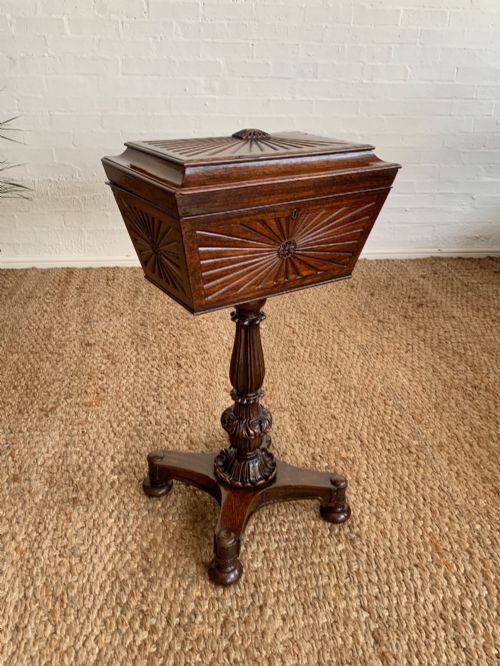
Joinery techniques involve traditional framing, drop-leaf hinges, and turned pedestals, complemented by hand-carved details like sunburst motifs. Surfaces showcase polished finishes that highlight the natural grain patterns of burr birch, elm, and exotic woods.
Carved Wood Work Table Retail Price Guide 2026
Typical asking prices for carved wood work table among the pieces listed under this phrase on Sellingantiques today, from the lower quarter to the upper quarter. They describe what is for sale here now, not the wider market.
Listings feature work tables spanning the 17th, 18th, 19th, and early 20th centuries, executed in walnut, mahogany, rosewood, oak, and burr walnut.
Assessing quality and execution
Quality rests in the crispness of the hand carving, the selection of figured veneers such as burr walnut or rosewood, and the integrity of the internal compartments. Superior examples display thoughtful proportions, balanced marquetry inlay, and robust structural joinery.
Ralph Turnbull·Gillows
The Carved Wood Work Table Glossary
- Work table
- A small domestic table fitted with drawers, compartments, or a fabric bag for sewing and needlework materials. These pieces gained popularity during the Georgian and Victorian eras.
- Marquetry
- Decorative patterns formed by fitting together thin veneers of wood, ivory, or shell onto a structural surface. Craftsmen used this technique to create geometric or floral motifs.
- Caddy top
- A hinged or removable lid enclosing a compartment, traditionally borrowed from tea caddies and adapted for work tables and boxes. It provides secure storage beneath the surface.
- Drop leaf
- A hinged flap on the side of a table that folds down to save space or lifts up to extend the surface area. Brass hinges and swing brackets typically support the leaf.
- Parquetry
- Geometric mosaic woodwork used for ornamenting floors, furniture tops, and gaming surfaces. It relies on contrasting wood tones to form repeating patterns.
Carved Wood Work Table: Frequently Asked Questions
What is a work table used for?
A work table serves multiple domestic tasks, originally functioning as a dedicated station for sewing, embroidery, and small writing duties. The internal compartments and drop leaves kept materials organised within the parlour or drawing room.
Over time, these versatile pieces transitioned into general occasional tables, lamp tables, or game tables utilised for chess and backgammon.
How do I identify a Regency work table?
Regency work tables typically date from the early nineteenth century and display classical restraint, clean architectural lines, and dark timbers such as mahogany or rosewood. Pedestal bases with sabre legs and brass paw feet frequently appear on examples from this period.
Details like brass inlay, drop leaves, and fitted interiors further characterise pieces made during the Regency and subsequent William IV eras.
What woods were used for Victorian tables?
Victorian cabinet makers heavily favoured walnut and burr walnut, often enhancing table tops with intricate marquetry, crossbanding, and inlaid chess boards. Mahogany and rosewood also remained common choices for tables produced through the nineteenth century.
Regional woods like oak, pine, and birch appear in specific pieces, reflecting local furniture traditions across Britain and continental Europe.
How do I care for antique wood furniture?
Maintain antique wood surfaces by keeping them away from direct sunlight and sudden temperature shifts that can dry out timber or crack veneer. Regular dusting with a soft, dry cloth preserves the finish without building up residue.
Applying a quality beeswax periodically nourishes the wood and protects the historical patina accumulated over generations.