


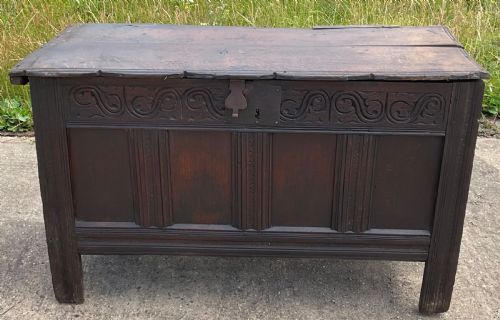
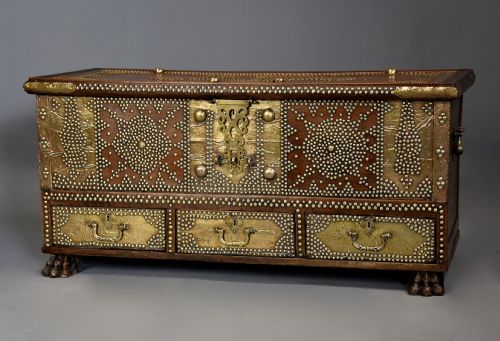
Carved Wood Storage Trunk
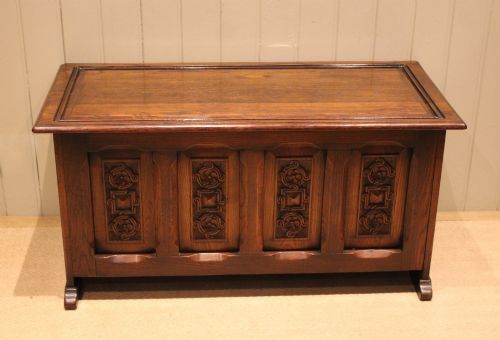
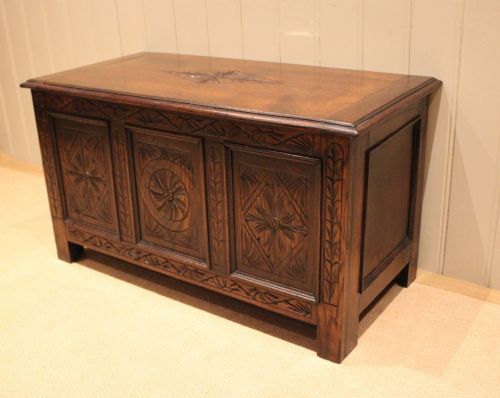
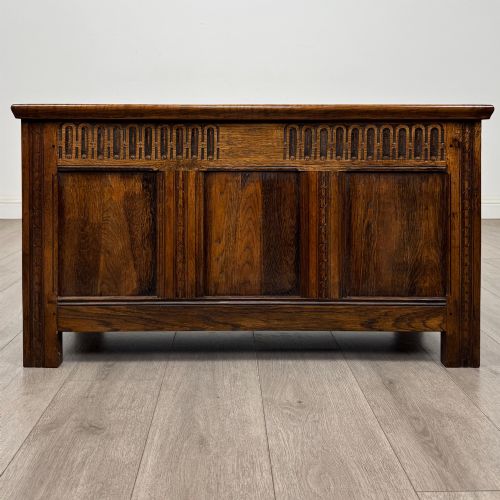
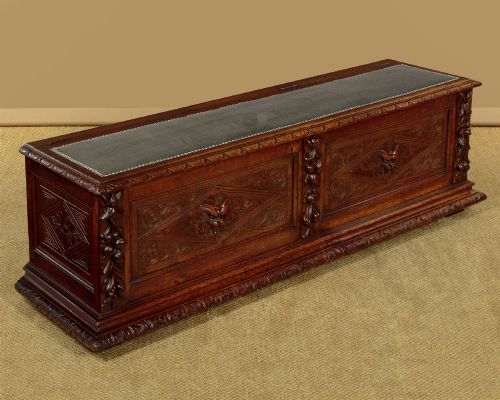
When you search for a carved wood storage trunk, you find centuries of heavy timber box furniture built to hold linens and valuables.
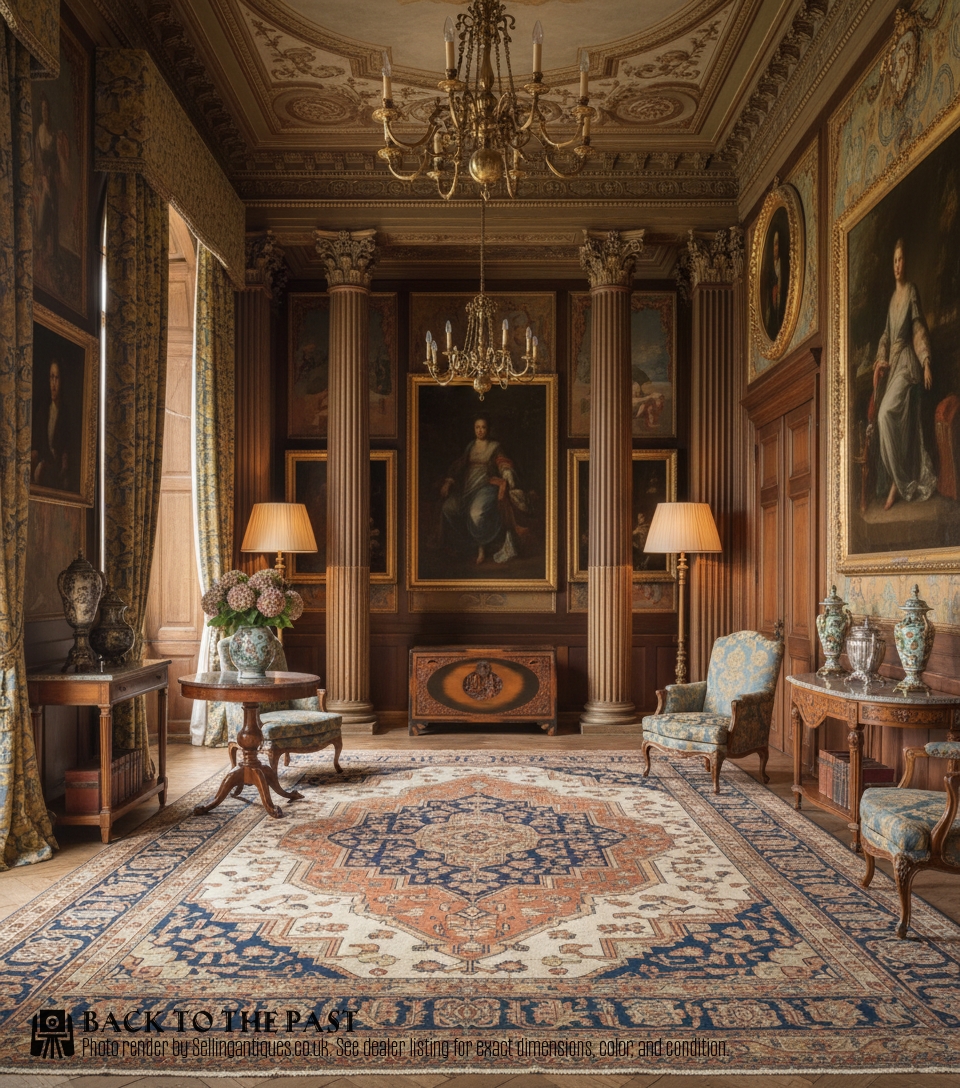
Carved Wood Storage Trunk
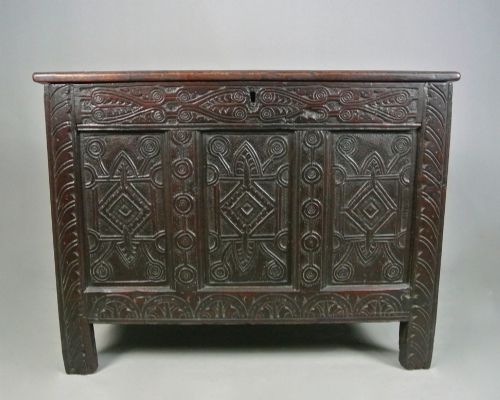
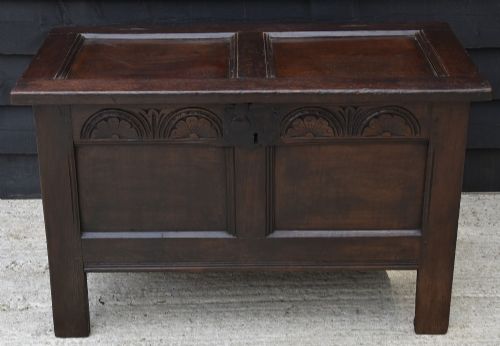
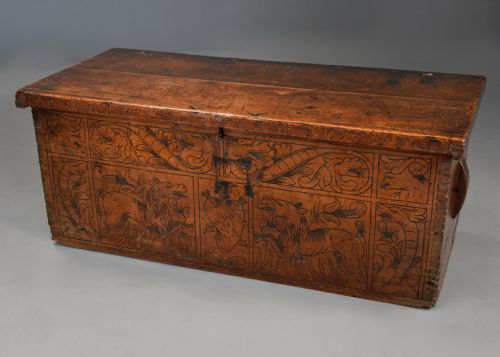
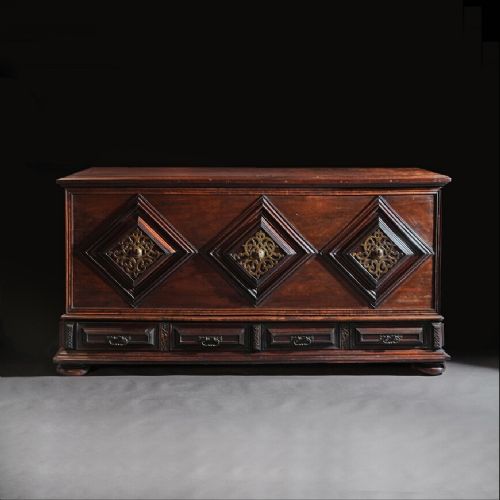
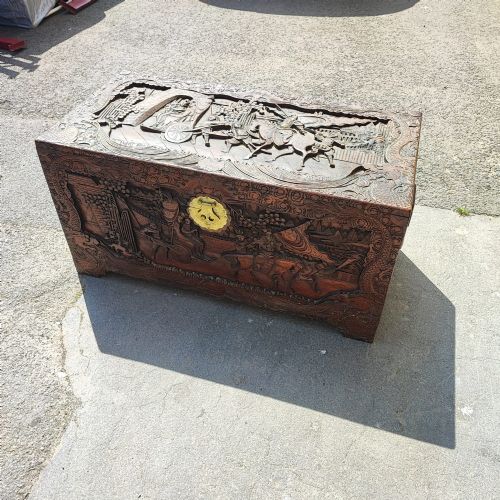
A carved wood storage trunk serves as a heavy timber container designed for domestic storage, spanning origins from English oak coffers to oriental camphorwood boxes.
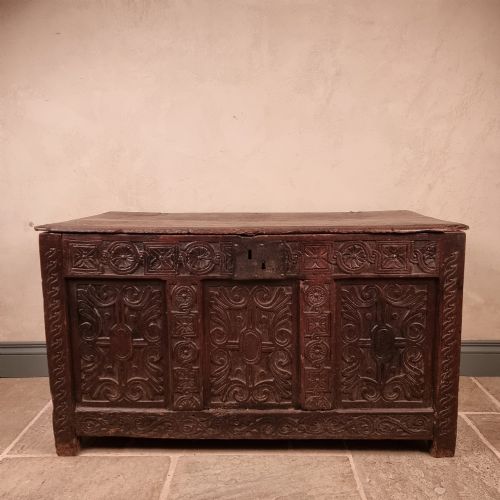
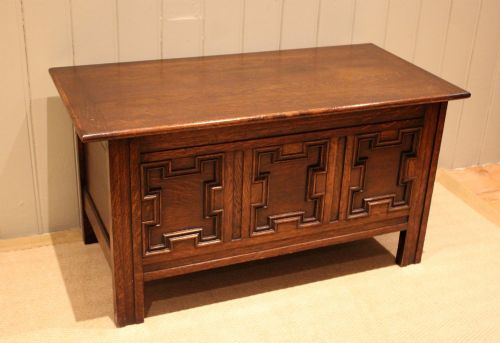
The version most commonly met on this page is the seventeenth or eighteenth century oak coffer, alongside nineteenth century camphorwood and trading chests from distant ports.
Makers utilised these sturdy receptacles for blankets, dowry goods, and personal documents, constructing them in forms that double as benches or blanket boxes.
How they were made
Cabinet makers constructed these chests using solid timbers such as oak, pine, mahogany, and camphor wood, joined with traditional framing and panel techniques.
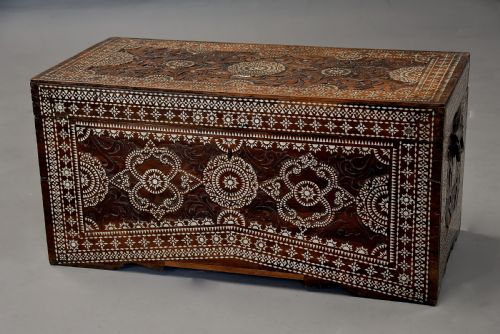
Decoration often involved hand carving, linen fold panels, and surface embellishments including brass studs, iron hardware, and mother of pearl inlay.
Listings feature timber chests spanning from the seventeenth century through to the 1930s, built in oak, camphor wood, mahogany, and pine.
What varies in quality
The standard of carving and the crispness of detail separate standard utility boxes from exceptional examples produced by skilled workshops.
The integrity of the original timber, surface patination, and surviving authentic hardware determine the structural and visual standing of each piece.
The Carved Wood Storage Trunk Glossary
- Coffer
- A heavy wooden chest traditionally used for storing valuables. These pieces often feature hinged lids and sturdy plank construction.
- Mule chest
- A storage chest that incorporates one or more drawers beneath the main compartment. This form developed during the seventeenth century to provide easier access to stored textiles.
- Linen fold
- A carved wooden panel motif resembling folded cloth. This style is frequently found on sixteenth and seventeenth century English oak furniture.
- Cassone
- A large Italian marriage chest or coffer. These items were ornately decorated with paintings, carvings, or inlay for wedding ceremonies.
Carved Wood Storage Trunk: Frequently Asked Questions
What is a coffer?
A coffer is a heavy wooden chest built with a hinged lid for household storage. They served domestic households for holding garments, blankets, and precious items.
Over centuries, carpenters adapted these chests into seating benches and drawer units like mule chests. Their robust construction allowed them to survive generations of daily use.
How do I date an oak chest?
Dating an oak chest involves examining the construction joints, timber grain, and carving styles. Early seventeenth century pieces often display pegged mortise and tenon joints with hand split boards.
Later revival pieces and nineteenth century items tend to show machine sawn timber and standardised fixings. Surface wear and original patination also provide clues to the age of the wood.
Where were camphor wood trunks made?
Camphor wood trunks originated primarily in Asian trading ports and regions including China and Ceylon. Sailors and merchants utilised the aromatic wood because its natural scent repelled insects from stored textiles.
Traders brought these chests to European markets during the nineteenth and early twentieth centuries. They frequently feature hand carved exterior scenes and brass or iron corner brackets.
How do I use a trunk at home?
A storage trunk functions as a practical furniture piece for holding spare bedding, pillows, or winter clothing in bedrooms and living spaces. Their flat lids allow them to double as coffee tables or window seats.
Placing a chest away from direct heat sources prevents the timber from drying out and splitting. Regular dusting and occasional wax care help maintain the finish of the wood.