



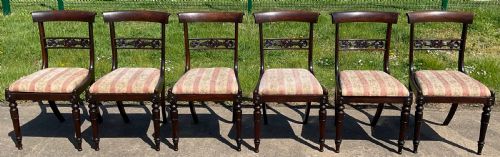

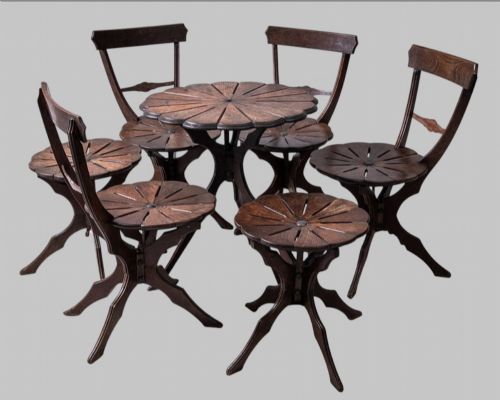


Carved Wood Parlor Set
A carved wood parlor set brings formal nineteenth century reception rooms to life with matching timber seating and coordinated upholstery.
Carved Wood Parlor Set
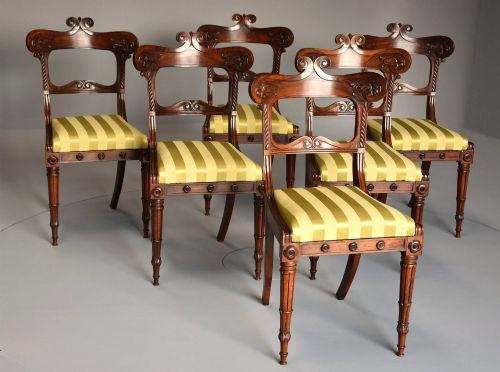
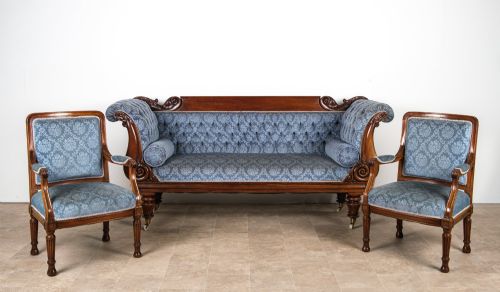
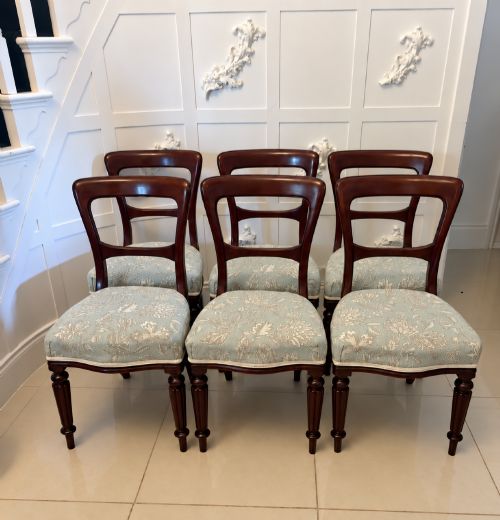
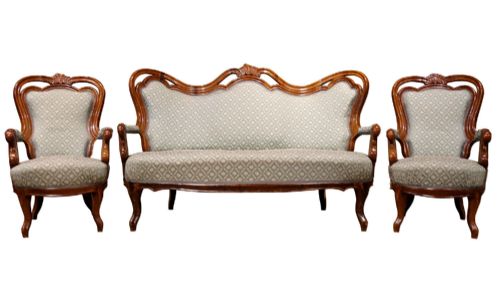
A carved wood parlor set gathers matching chairs and multi piece suites designed for formal entertaining in nineteenth century drawing rooms. Buyers seeking this phrase encounter matched groupings of dining chairs, salon suites, and drawing room suites arranged for social gatherings.
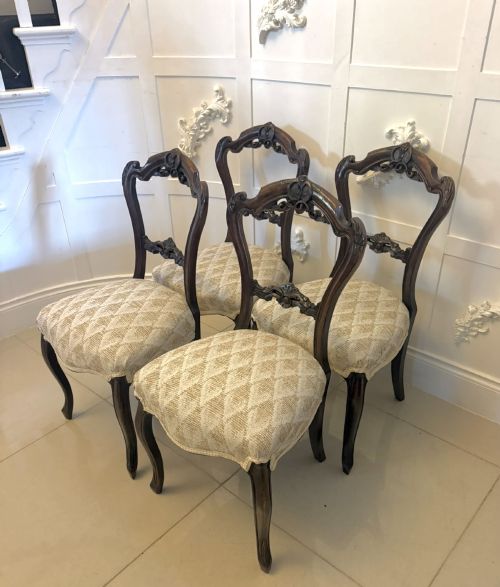
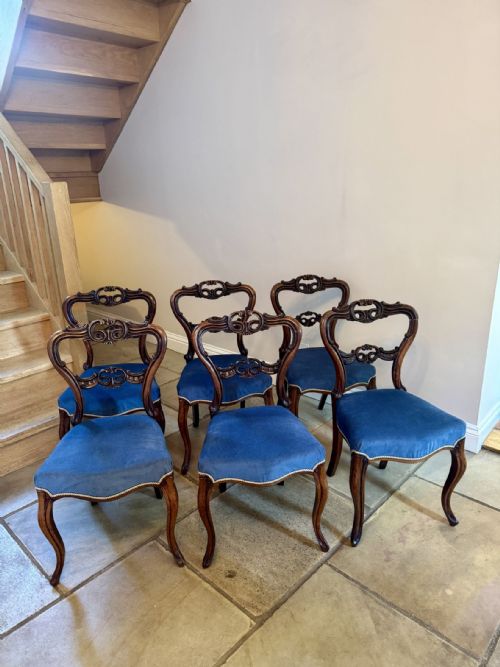
The selections appearing on this page span the Victorian, Regency, and Edwardian eras, with significant representation from the middle decades of the nineteenth century. These groupings primarily consist of rosewood, mahogany, and walnut seating alongside larger multi piece parlour and salon suites.
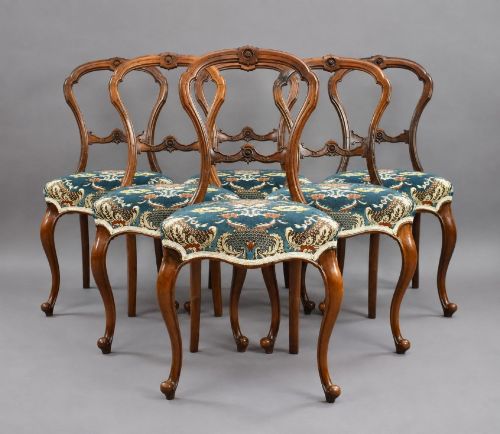
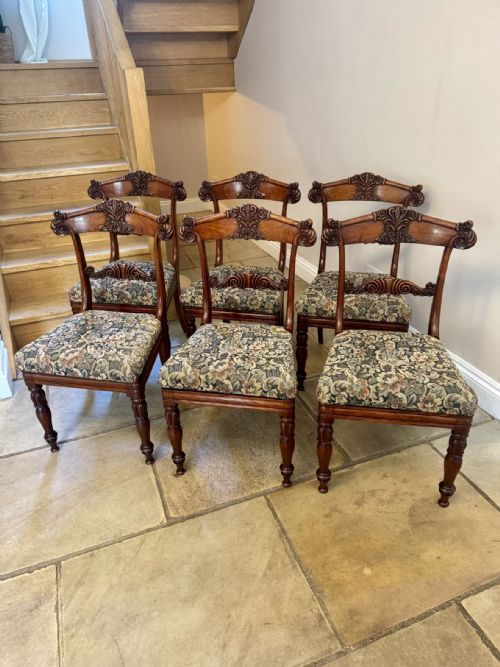
Most frequent among these listings are sets of dining chairs and small salon suites, often featuring balloon backs or carved rails. Individual components share unified timber frames and decorative motifs intended to furnish a complete interior scheme.
Materials and construction methods
Cabinet makers utilised dense hardwoods such as rosewood, mahogany, walnut, and oak to construct durable frames capable of supporting intricate hand carved details. Timber selection determined the weight and natural grain pattern visible across the finished rails and balloon backs.
Upholstery completed the seating, incorporating traditional textiles, velvet, fabric, and needlepoint seats secured over padded foundations. These soft furnishings were tailored to complement the polished timber framework of each suite.
Carved Wood Parlor Set Retail Price Guide 2026
Typical asking prices for carved wood parlor set among the pieces listed under this phrase on Sellingantiques today, from the lower quarter to the upper quarter. They describe what is for sale here now, not the wider market.
A surprise rosewood games compendium hides within the seating lineup, offering miniature entertainment between parlour discussions.
Factors influencing quality
Depth and precision of the hand carving separate standard commercial seating from exceptional parlour suites. Crisp floral motifs, reeded legs, and serpentine seats indicate superior craftsmanship by skilled makers.
Integrity of the timber frame and retention of original fabric upholstery influence the overall standard of a set. Matching timber grains across all pieces within a multi chair suite demonstrate careful initial selection by the workshop.
The Carved Wood Parlor Set Glossary
- Balloon back
- A chair back shaped in a continuous curved oval resembling an inflated balloon. This form gained immense popularity during the Victorian era.
- Salon suite
- A matched collection of upholstered seating comprising a settee and matching chairs for a formal reception room. These suites provided unified furnishing for nineteenth century homes.
- Reeded legs
- Cylindrical furniture legs decorated with parallel convex moulding carved directly into the timber. This classical detail appears frequently on Regency and Victorian designs.
- Needlepoint
- Hand stitched yarn embroidery worked over a stiff canvas mesh to create durable decorative seat covers. Needlepoint seats often feature floral or geometric patterns in coloured wool.
Carved Wood Parlor Set: Frequently Asked Questions
How do I arrange a parlor set today?
A complete multi piece suite works best in a principal reception room or large living space where the matching seating can be grouped together.
Spreading individual chairs from a set across smaller rooms maintains a cohesive aesthetic while accommodating modern living layouts.
What timber was used most often?
Rosewood, mahogany, and walnut dominate nineteenth century seating construction because of their strength and rich natural colour.
Cabinet makers selected these dense hardwoods to support slender curved components without risking structural failure during daily use.
How are different periods identified?
Regency pieces often display classical reeded legs and cleaner lines, whereas Victorian designs frequently incorporate balloon backs and heavier carved rails.
Looking at the timber finish and the style of the carved ornamentation helps distinguish mid nineteenth century examples from later revivals.
Are these sets suitable for daily use?
Nineteenth century chairs were built with solid hardwood frames designed to withstand regular domestic seating demands.
Inspecting the underlying joints and ensuring the upholstery foundation remains secure allows these historical pieces to function reliably in contemporary homes.