

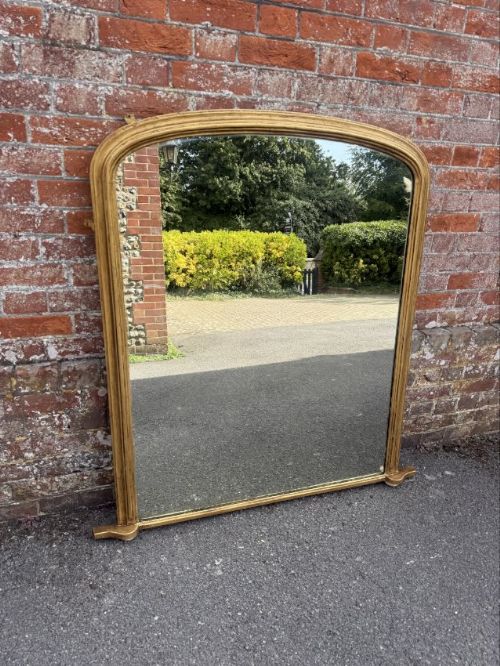
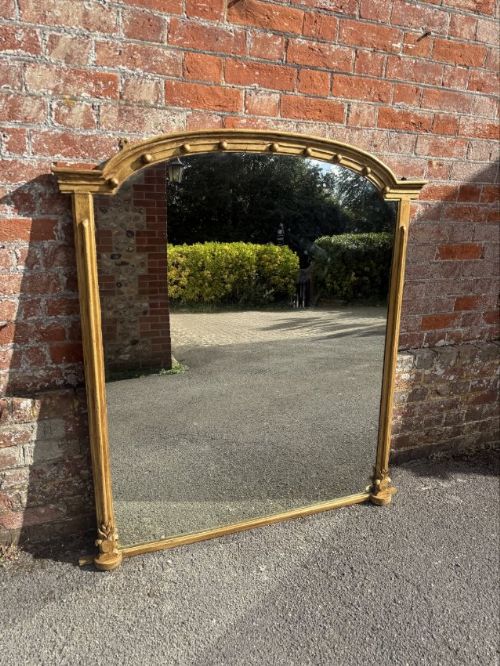
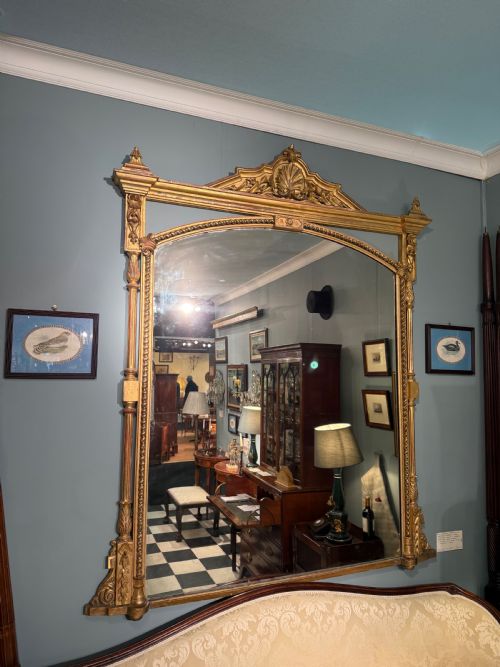
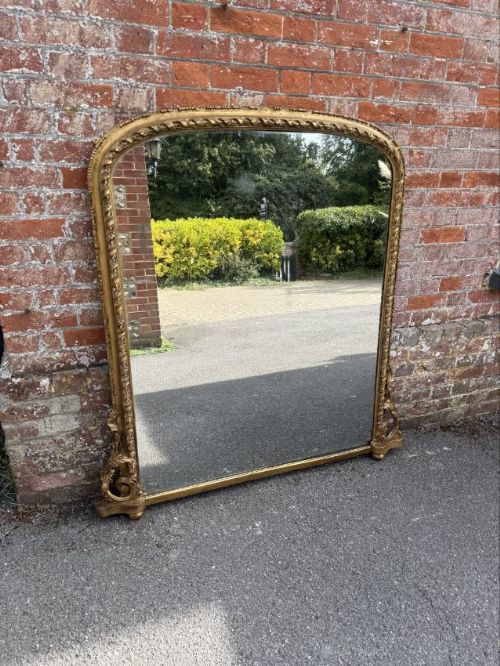
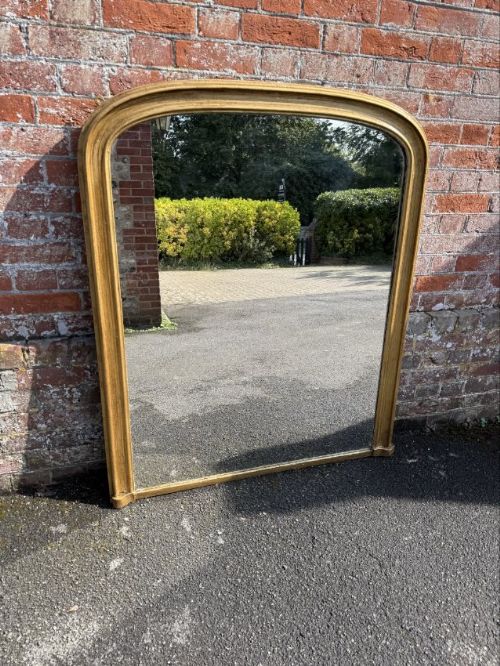
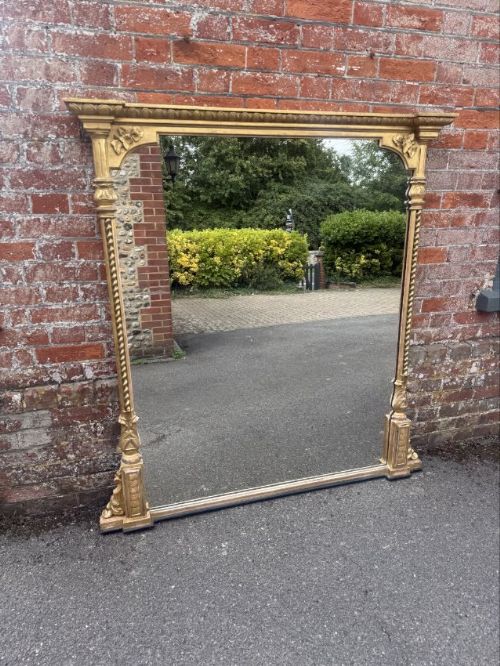
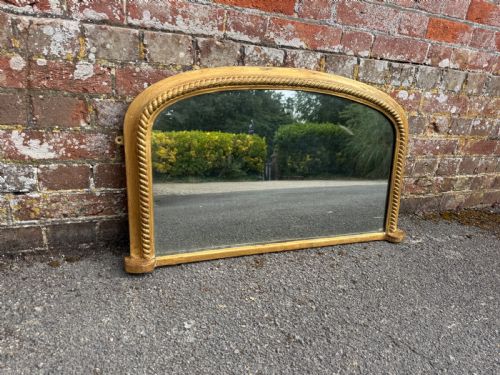
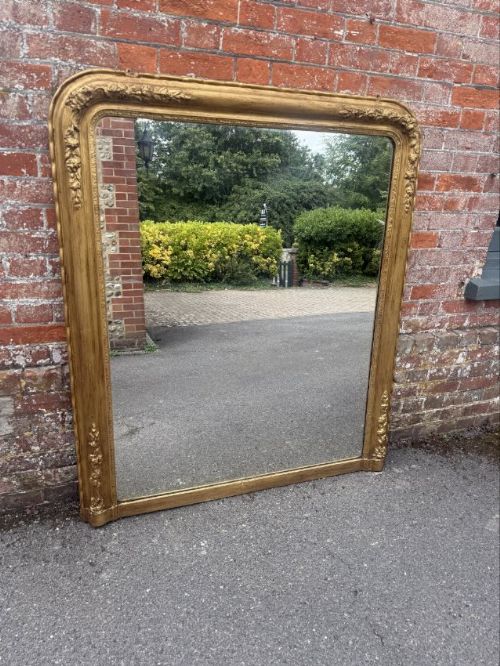
Carved Wood Overmantle
A carved wood overmantle anchors a room above the hearth, bringing scale, light and period presence to a wall.
Carved Wood Overmantle
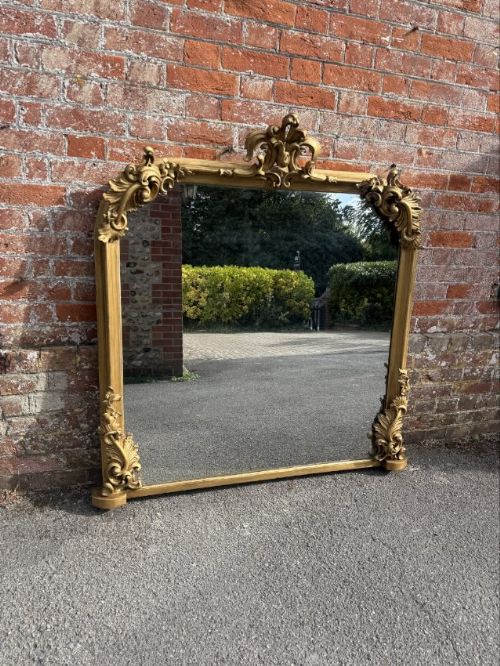
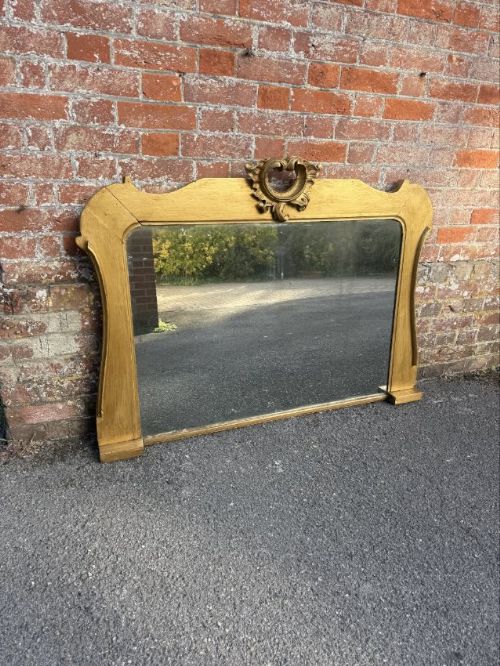
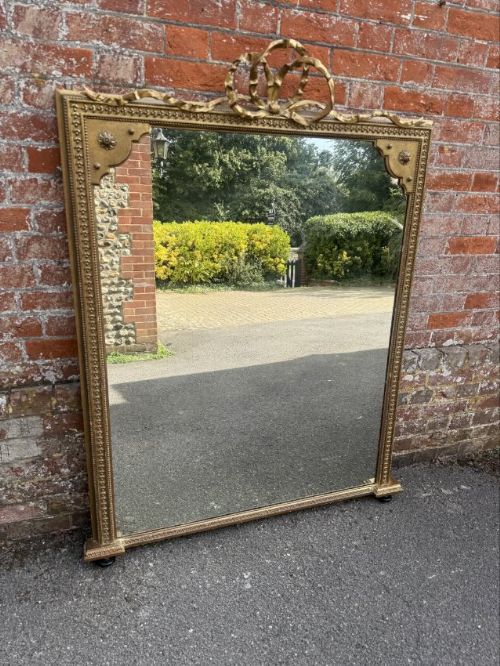
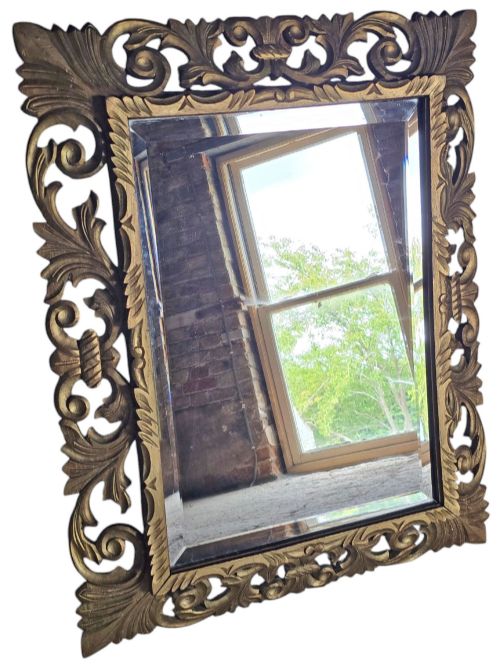
When you search for a carved wood overmantle, you are looking at large architectural mirrors and timber frames designed to sit directly upon a fireplace mantelpiece. These pieces originate predominantly from the nineteenth century, with Victorian examples appearing most frequently alongside earlier Georgian and later transitional pieces.
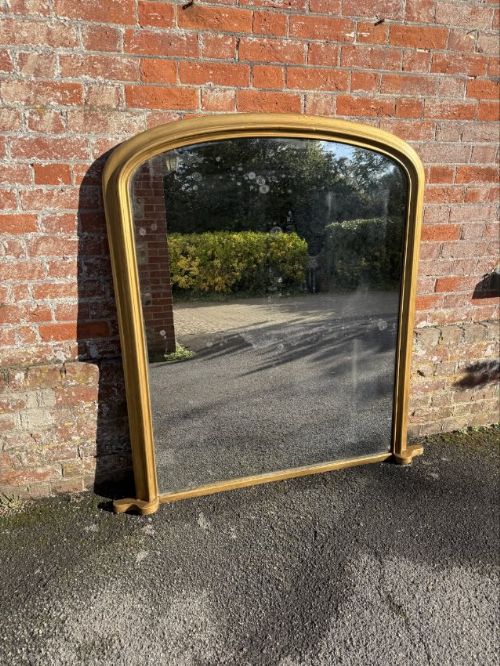
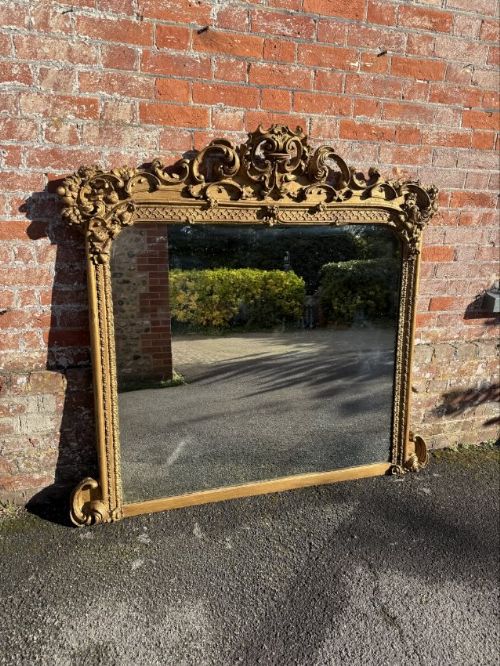
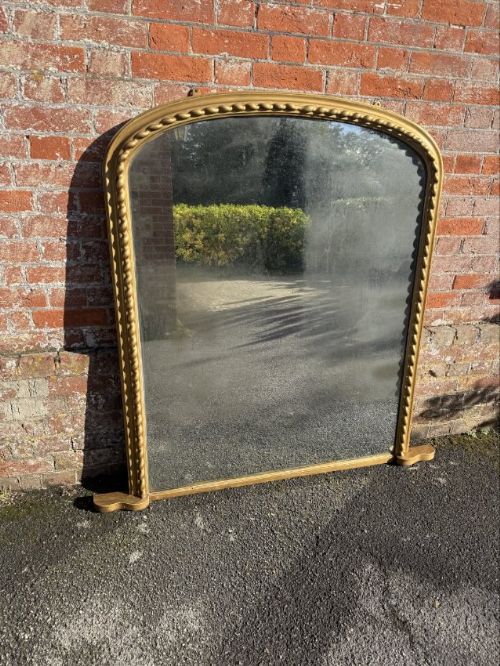
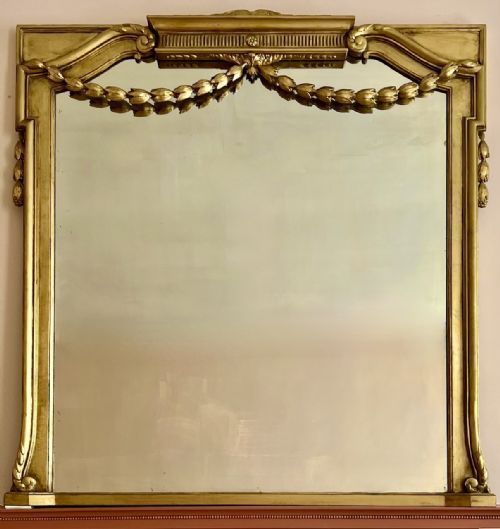
The dominant form on this page is the arched top gilt mirror, heavily represented by Victorian English makers applying gesso over carved timber. Alongside these bright gold-leaf surfaces, you will find darker woods such as walnut, mahogany and carved oak, spanning styles from French Chateau and Neoclassical to Rococo Revival.
These items serve primarily to reflect light from the hearth and expand the perceived volume of a reception room or hallway. Their substantial proportions make them natural focal points within period interiors, bridging the gap between functional glass and architectural salvage.
How they were made
The construction of a nineteenth-century overmantle relies on a sturdy timber carcass, usually carved pine or hardwood, which provides the deep relief required for heavy frames. Artisans shaped floral motifs, rope twists, columns and ribbed details directly into the wood before applying successive layers of gesso to refine the contours.
Gesso, a mixture of chalk and binder, was built up and smoothed to accept thin sheets of gold leaf or paint finishes. This meticulous layering technique allowed craftsmen to achieve sharp definition on arched tops and ornate crestings before the mirror glass was secured from behind.
Carved Wood Overmantle Retail Price Guide 2026
Typical asking prices for carved wood overmantle among the pieces listed under this phrase on Sellingantiques today, from the lower quarter to the upper quarter. They describe what is for sale here now, not the wider market.
Listings feature periods from the 17th century through to the 1920s, with Victorian arched giltwood mirrors dominating the selection.
What varies in quality
Quality in these mirrors rests primarily on the depth and crispness of the hand-carving and the integrity of the underlying gesso. Superior examples display intricate, sharply defined ornamentation along the rope twists and floral motifs rather than flat, moulded plaster shortcuts.
The preservation of the original gilding and the clarity of the heavy mirror glass also determine the standing of a piece. Finer items retain their original gold leaf with minimal restoration, whereas lesser examples show heavy overpainting that obscures the subtleties of the original artisan's work.
The Carved Wood Overmantle Glossary
- Gesso
- A plaster-like mixture applied to carved wood frames to create a smooth surface for gilding. This material allows for intricate relief work that holds fine detail.
- Giltwood
- Timber that has been coated with gold leaf. It gives the frame a luminous, reflective quality designed to catch candlelight and firelight.
- Overmantle
- A large mirror or decorative panel specifically scaled to hang or rest upon the mantelpiece above a fireplace. They are structurally proportioned to balance the hearth below.
- Rope Twist
- A carved decorative moulding resembling twisted cord. This motif is frequently found on nineteenth-century mirror frames.
- Neoclassical
- A style drawing inspiration from classical antiquity, featuring symmetry, urns and restrained architectural lines. It provides a formal counterpoint to exuberant rococo carvings.
Carved Wood Overmantle: Frequently Asked Questions
How do I hang an overmantle?
These heavy frames usually rest directly on the mantelpiece, secured safely to the wall behind with sturdy brackets to prevent tipping.
Because of their substantial weight, professional installation into solid masonry or proper wall studs is essential.
Where should an overmantle go?
Traditionally positioned above a fireplace in a principal reception room, an overmantle also functions effectively in large hallways.
Their scale allows them to bounce light across deep spaces, making them useful in rooms with dark panelling.
Can I lean it instead?
Leaning the frame securely against a chimney breast is a common historical method of display that reduces wall fixings.
Ensure the base sits level on the mantel shelf and the top is anchored to prevent movement.
How do I clean gilt surfaces?
Dust gently with a very soft, dry brush to protect the delicate gold leaf and underlying gesso from abrasion.
Avoid liquid cleaners and harsh chemicals, which can strip the historic gilding and expose the timber beneath.