


Carved Wood Hallway Mirror
When hunting for a carved wood hallway mirror, you are looking at timber frames designed to hold glass in an entrance space.
Carved Wood Hallway Mirror
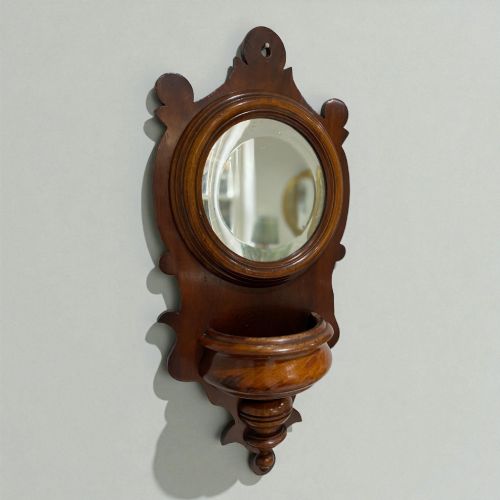
A carved wood hallway mirror is a functional furnishing built from various timbers and glass to serve an entranceway, reception space or narrow corridor. These pieces appear in forms ranging from simple wall-hanging frames to elaborate hall stands combining coat hooks, umbrella storage and marble-top console tables.
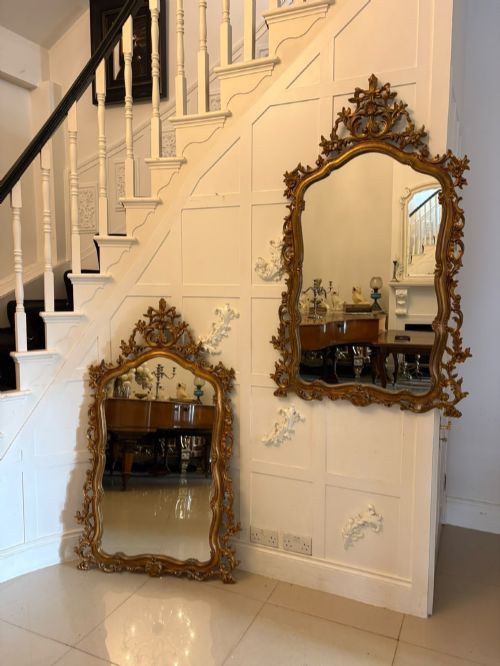
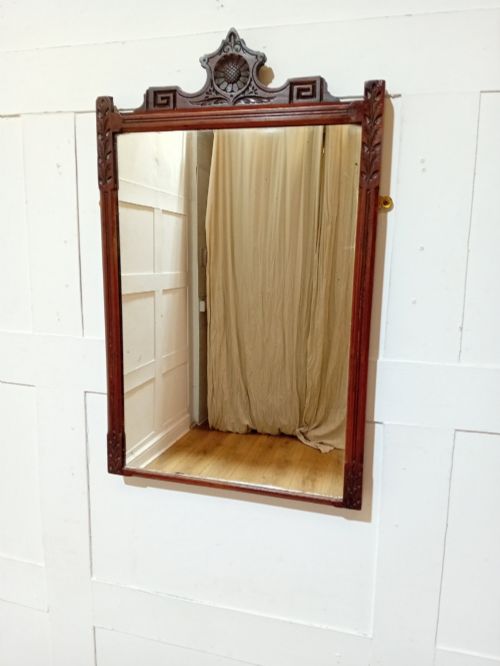
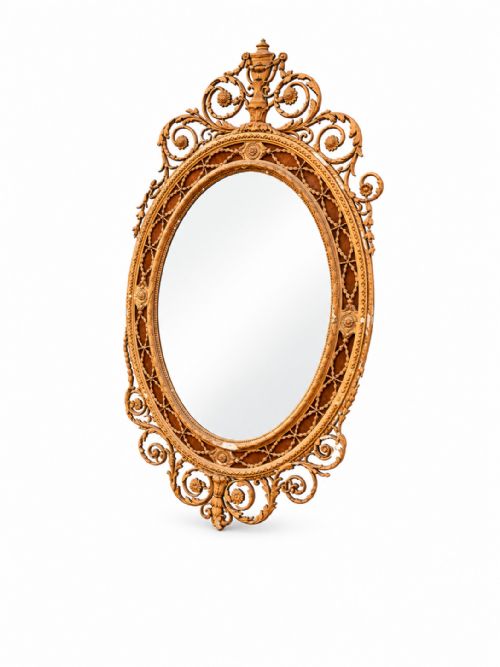
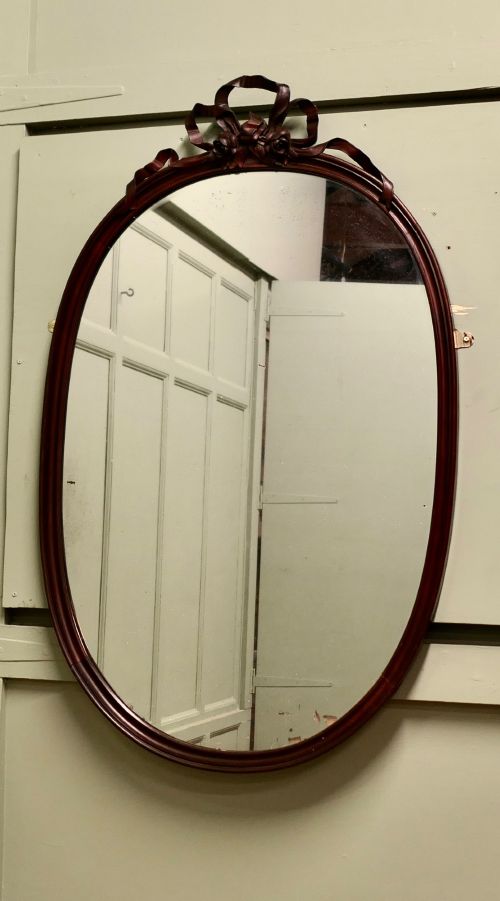
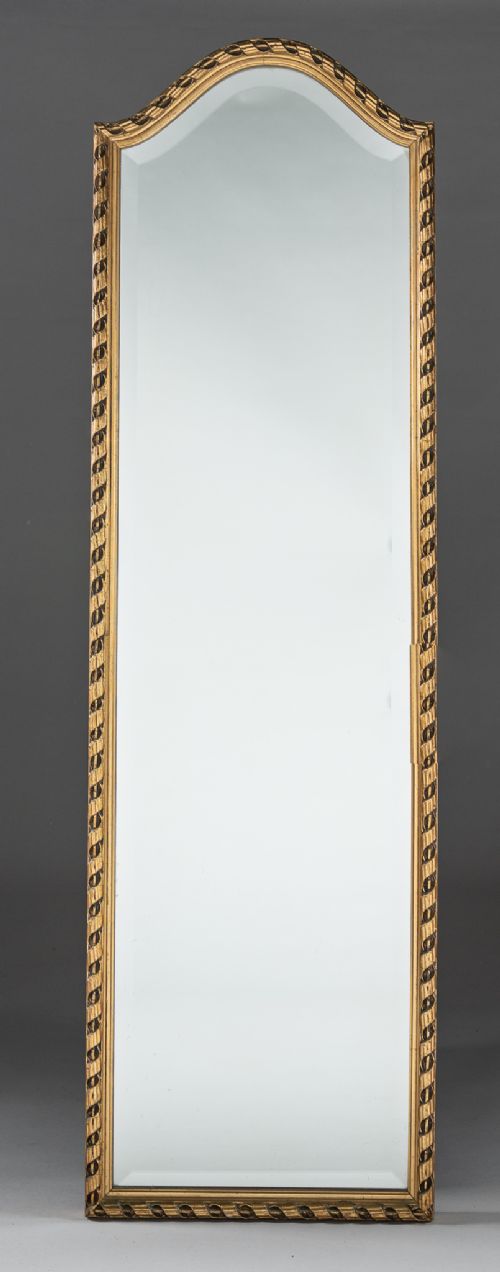
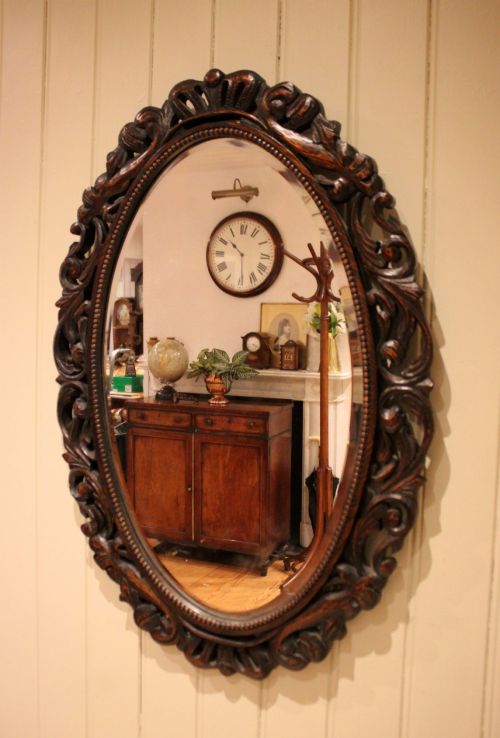
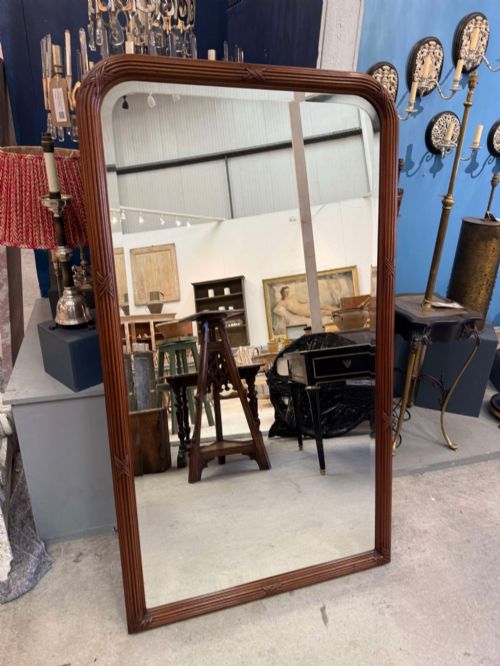
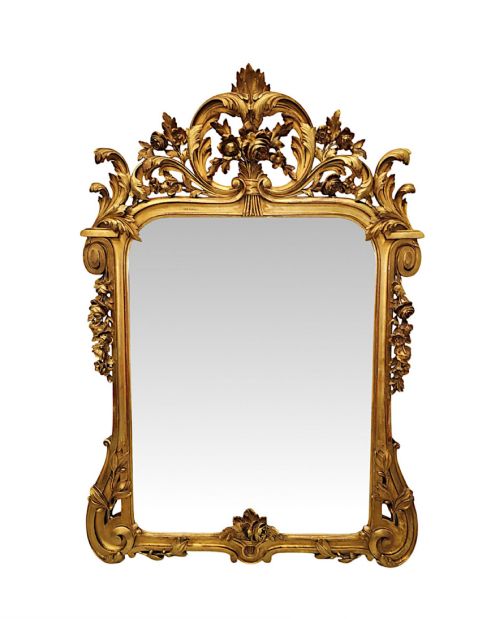
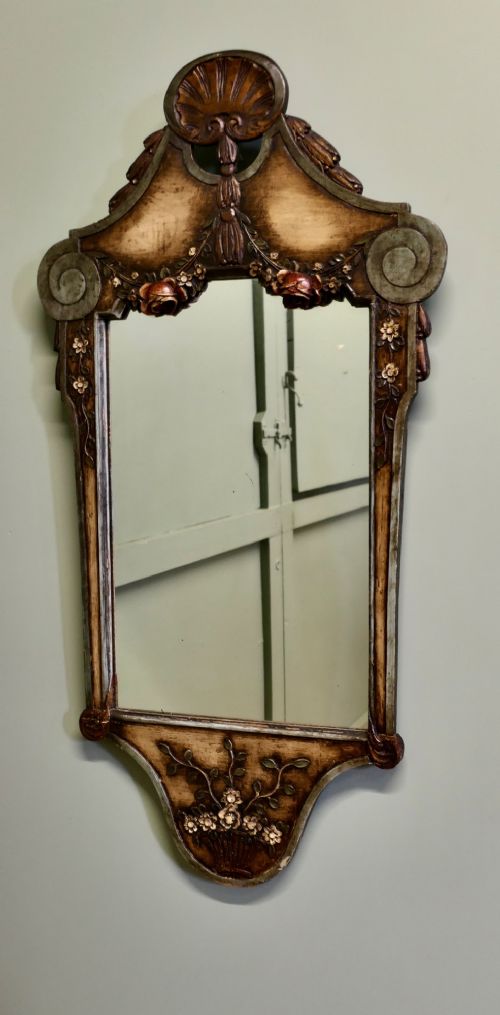
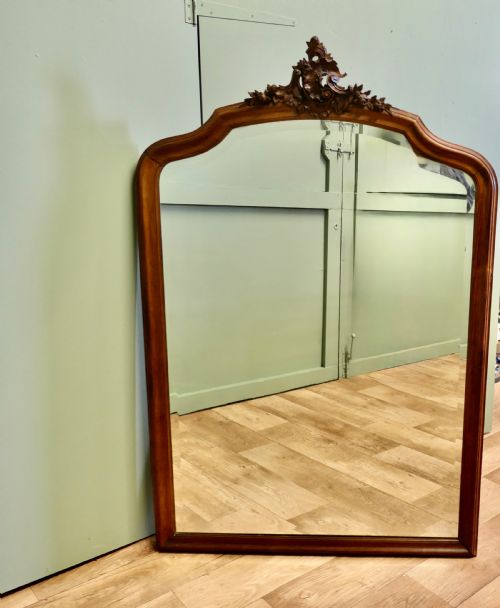
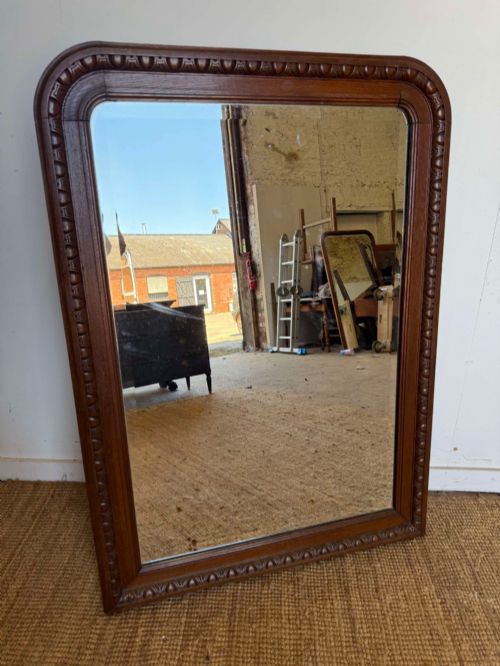
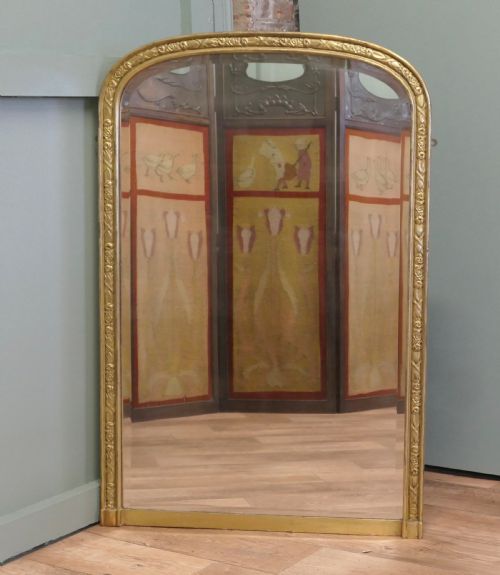
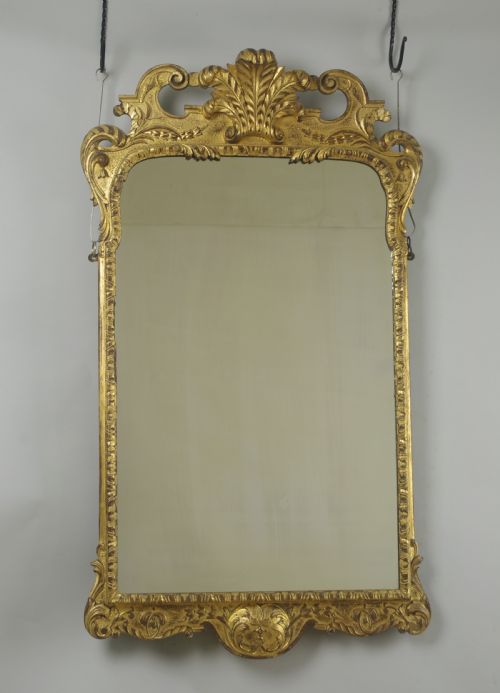
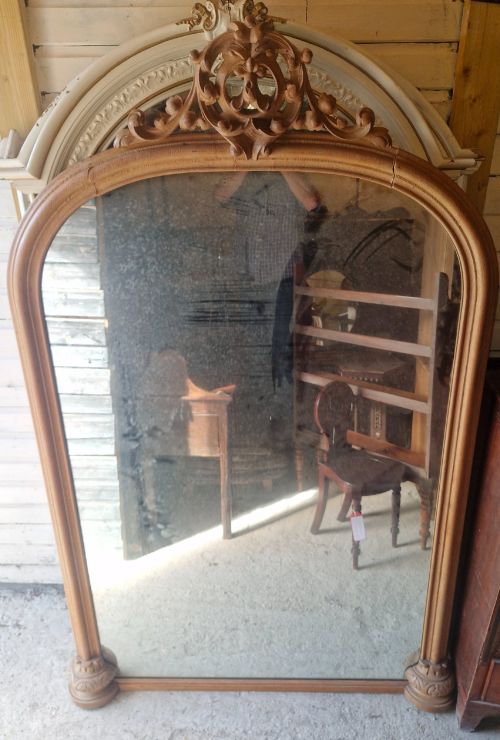
The pieces on this page span several centuries and styles, drawing heavily on Victorian, Edwardian and Georgian design revivals. You will encounter rectangular, oval and arched shapes framed in mahogany, oak, walnut and giltwood, often carrying carved floral details, ribbons or armorial crests.
How they were made
Cabinet makers utilised solid hardwoods and veneers like mahogany, oak, walnut and chestnut to construct the main bodies of these frames. Timber was shaped using traditional hand-carving techniques to produce ribbed borders, fretwork, scrollwork and decorative motifs such as leaves and flowers.
Giltwood and gesso finishes applied over wood provided a reflective, ornate surface suited to formal reception rooms and grand halls. Brass components frequently served as structural hardware or functional elements like coat hooks integrated into the frame or accompanying hall stands.
Carved Wood Hallway Mirror Retail Price Guide 2026
Typical asking prices for carved wood hallway mirror among the pieces listed under this phrase on Sellingantiques today, from the lower quarter to the upper quarter. They describe what is for sale here now, not the wider market.
Listings feature items spanning the eighteenth through the early twentieth centuries, constructed from mahogany, oak, walnut, giltwood and chestnut.
What varies in quality
The distinction between standard examples and finer pieces lies in the depth and crispness of the wood carving. Crisp fret-cut mahogany work, detailed armorial crests and deeply carved floral elements demonstrate superior hand craftsmanship compared to simpler, mechanical production.
Integration of secondary functions also marks the upper tier of these objects. Pieces that combine mirror glass with heavy marble tops, intact brass coat hooks and solid timber framing represent more ambitious workshop output than basic wall-hanging glass.
The Carved Wood Hallway Mirror Glossary
- Giltwood
- Timber that has been coated with a thin layer of gold leaf or gold paint for decorative effect. This finish is frequently found on ornate frames from the Victorian and Edwardian periods.
- Fretwork
- Openwork ornamentation carved or pierced out of wood in geometric or organic patterns. It is commonly seen on Chippendale style mahogany frames.
- Console table
- A table designed to stand against a wall, sometimes featuring a mirror back or mounted mirror. These often include marble tops and function as part of an entrance hall arrangement.
- Hall stand
- A tall piece of hall furniture combining a mirror, coat hooks, umbrella wells and occasionally a bench or small table. They were produced in oak, walnut and mahogany during the Victorian and Edwardian eras.
- Pier mirror
- A tall mirror designed specifically to hang on the wall space between windows. They often incorporate giltwood and gesso decoration.
Carved Wood Hallway Mirror: Frequently Asked Questions
What is a carved wood hallway mirror?
A carved wood hallway mirror is a decorative and functional furnishing made from timber and glass, created to hang in entrance spaces or reception rooms. These objects often include integrated details such as coat hooks, shelf brackets or elaborate carved frames.
Such pieces range from simple wall-mounted oak frames to large Victorian hall stands incorporating umbrella storage and console tables. Their primary purpose is to provide a reflective surface and practical utility near an entrance.
How do I date an antique wood mirror?
Dating these objects involves examining the timber species, the style of the carving and the construction methods used on the frame. Pieces from the 19th century frequently display Victorian or Edwardian revival styles, while earlier centuries lean towards Georgian or Baroque influences.
The specific combination of materials, such as walnut veneer or gilt gesso over pine, alongside hardware like brass hooks or backboards, helps narrow down the period of manufacture.
Where should I hang a hall mirror?
These mirrors suit narrow entranceways, hallways and reception rooms where they can reflect light and create a sense of space. Wall-hanging variants work well above console tables or small hallway benches.
Larger combination pieces, such as hall stands with integrated mirrors, stand directly on the floor against a wall. They function best near an exit where coats and hats can be stored conveniently.
What styles are available for these mirrors?
The available styles cover a broad range of historic revivals, including Victorian, Edwardian, French Provincial, Neoclassical and Arts and Crafts designs. Carved wooden frames draw on Chippendale, Regency and Baroque aesthetic traditions.
Common decorative motifs include ribbed borders, floral leaf details, ribbons, armorial crests and fret-cut patterns executed in mahogany, oak or walnut.