


Carved Wood Gold Frame
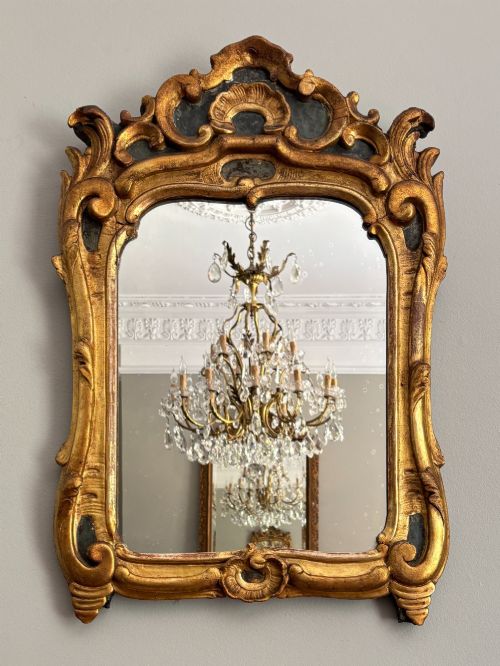
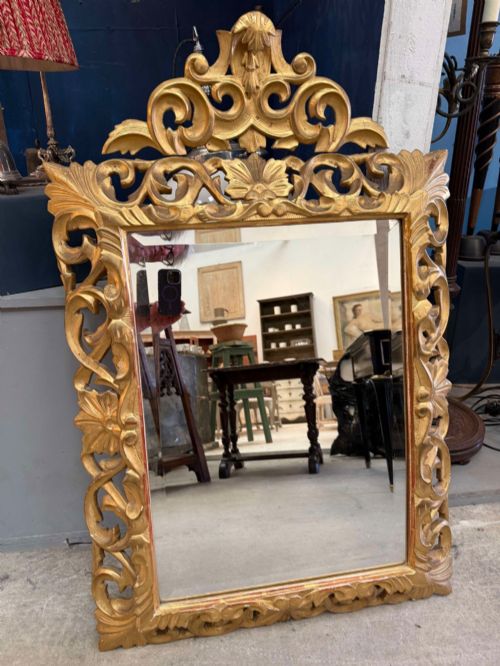
A carved wood gold frame brings instant warmth and reflected light to a room, drawing the eye with its sculptural depth and burnished metallic surface.
Carved Wood Gold Frame
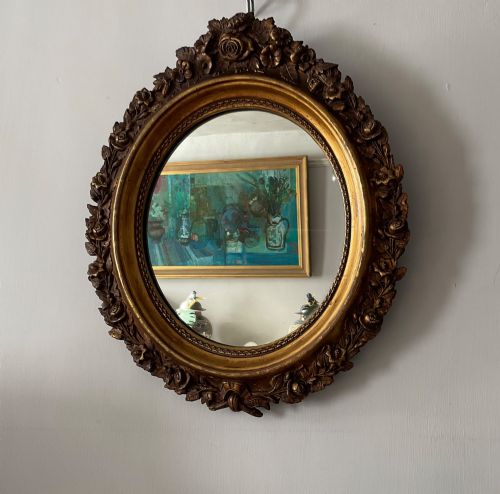
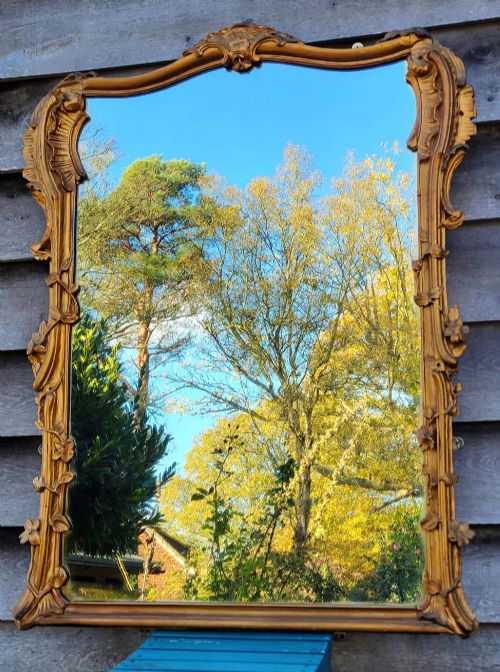
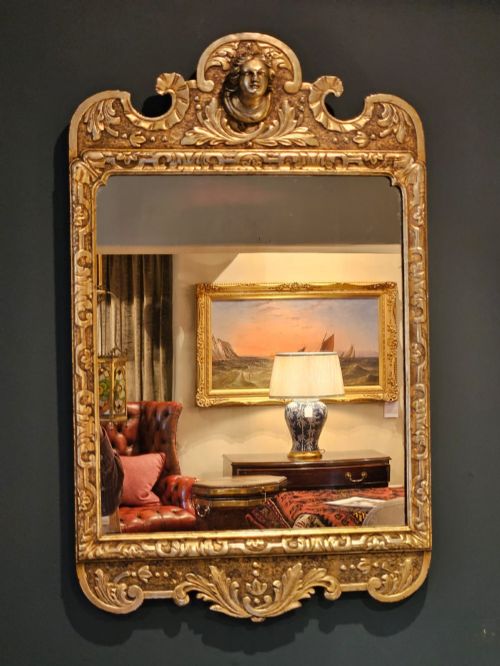
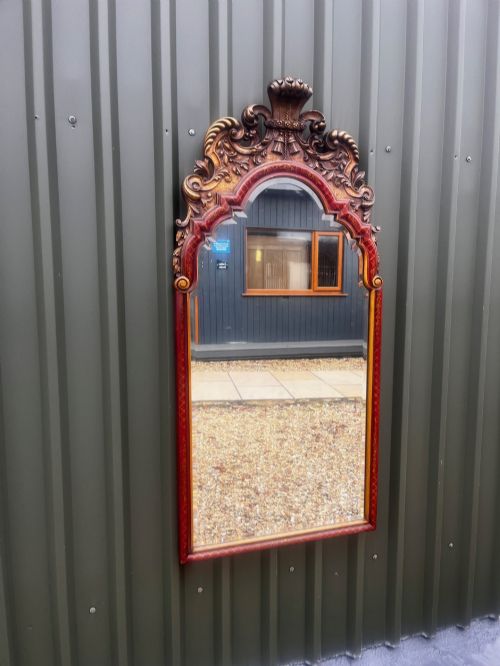
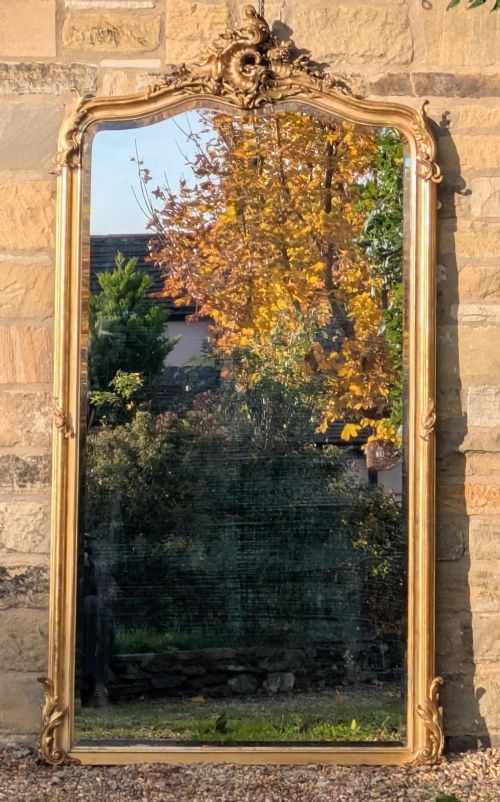
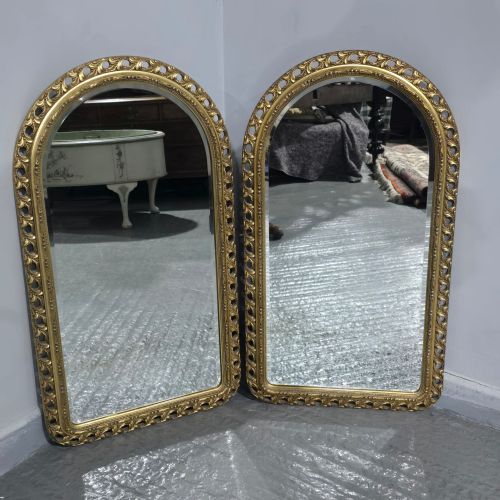
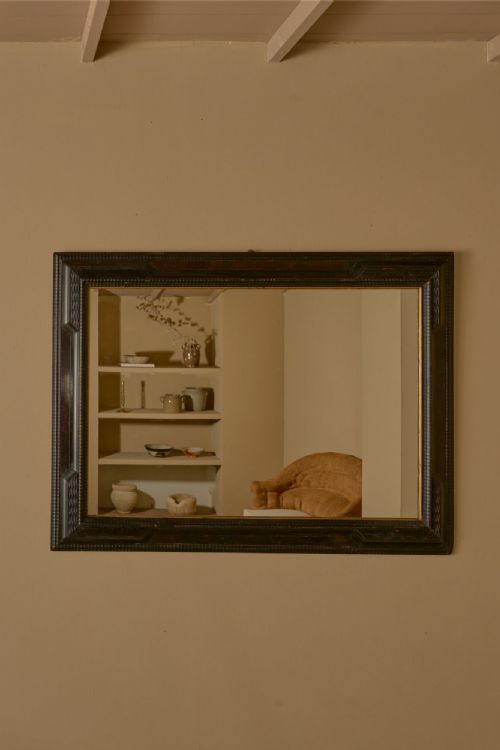
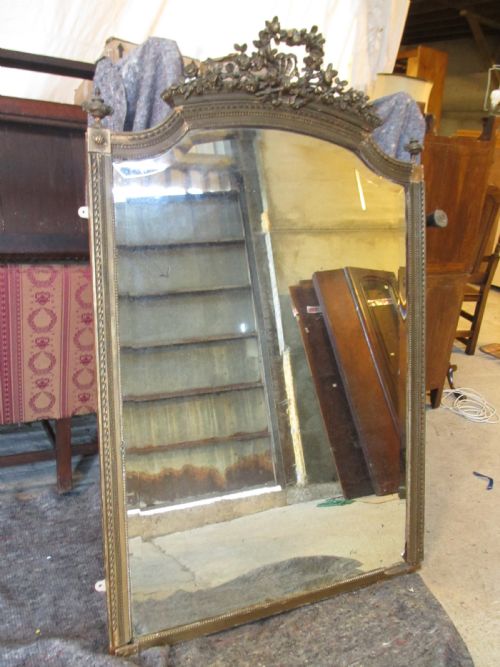
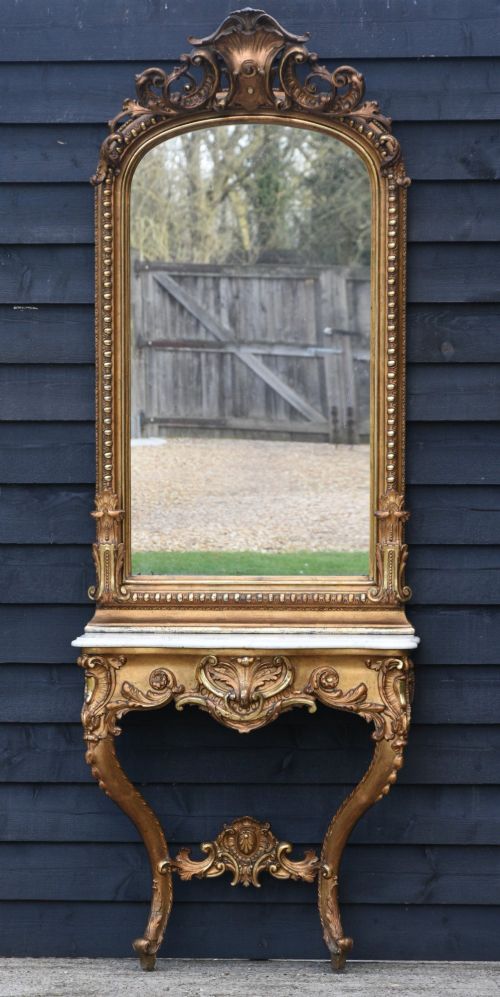
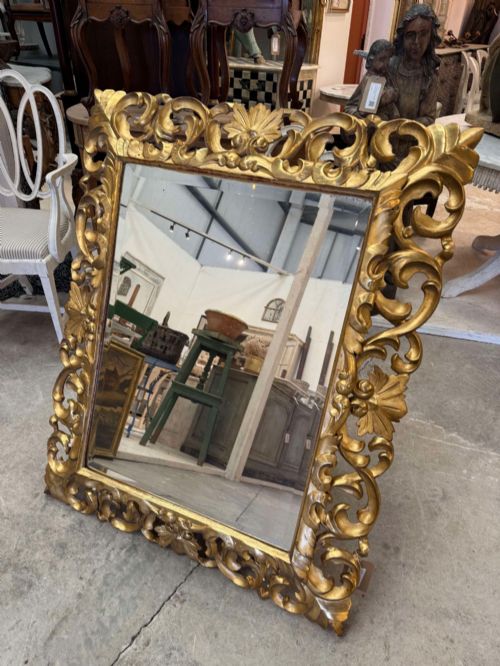
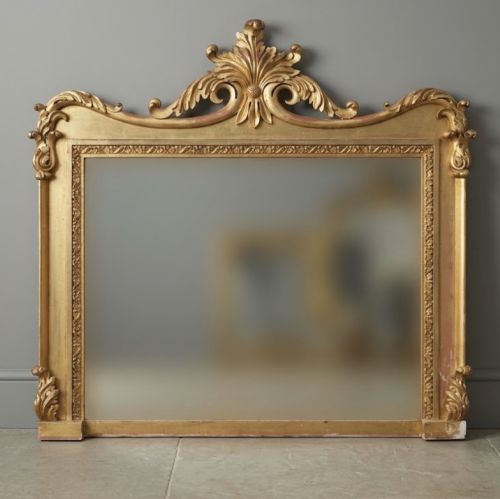
A carved wood gold frame primarily encompasses large wall mirrors, overmantel mirrors, and picture frames originating from the eighteenth and nineteenth centuries. Buyers frequently encounter French Rococo Revival, Neoclassical, and Regency styles alongside English and Italian variants.
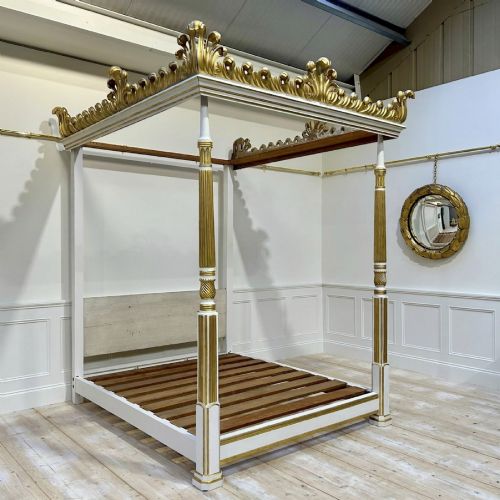
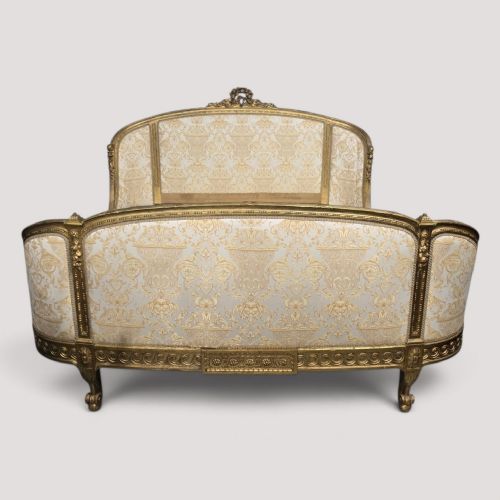
The selection extends beyond standard hanging frames to include companion seating such as gilt open armchairs, sofas and settees, and functional items like fire screens and oil paintings. These pieces combine structural timber frames with ornate decorative surrounds.
Originating from periods spanning the Georgian era through to the Victorian age, these items represent traditional European craftsmanship. The forms range from simple rectangular and oval shapes to elaborate arched top designs and shaped pier glass mirrors.
Materials and construction methods
Makers shaped the foundational structure using solid wood, applying layers of gesso to the carved wooden base to create a smooth, receptive ground for ornamentation. Artisans then utilised gold leaf or water gilt techniques to apply the metallic finish.
Composition material often reinforced intricate mouldings and relief details alongside hand-carved wooden elements. Craftsmen finished these surfaces with mirror glass, oil paint, or polychrome paint depending on the specific decorative requirements of the object.
Carved Wood Gold Frame Retail Price Guide 2026
Typical asking prices for carved wood gold frame among the pieces listed under this phrase on Sellingantiques today, from the lower quarter to the upper quarter. They describe what is for sale here now, not the wider market.
Current listings feature items from the Georgian, Victorian, and nineteenth-century periods, utilising materials such as gesso, giltwood, and original mirror glass.
Distinguishing quality in gilt frames
The definition and depth of the hand-carved wooden relief separate superior items from simpler moulded alternatives. Crisp detailing in the gesso layer indicates meticulous handwork during the initial preparation stages.
The brilliance and application method of the gold leaf influence the visual presence of the piece over time. Original mirror plates with appropriate foxing and heavy, stable timber construction further distinguish higher-tier examples.
Arsène Rochette of Versailles·Trajan Hughes
The Carved Wood Gold Frame Glossary
- Giltwood
- Wood that has been coated with gold leaf or gold powder. This finish provides the characteristic metallic gleam seen on period frames.
- Gesso
- A plaster mix applied over wood to form a smooth surface for carving and gilding. It allows for intricate relief work.
- Overmantel mirror
- A large mirror designed to hang above a fireplace mantel. These pieces frequently feature arched tops and detailed framing.
- Water gilding
- A traditional technique using gold leaf applied to a wet clay base. This method allows the gold to be burnished to a high gloss.
- Pier glass
- A tall mirror designed to hang on the wall between windows. They often match console tables or heavy carved frames.
Carved Wood Gold Frame: Frequently Asked Questions
How do I hang a heavy overmantel mirror?
Heavy carved wood gold frame pieces require secure wall fixings anchored directly into masonry or substantial timber studs. Professional installation is strongly recommended for large items.
Ensure the weight is distributed evenly across multiple brackets or a heavy-duty french cleat system to protect both the wall and the antique frame.
Can I clean an antique gilt frame?
Dust the carved surfaces gently with a soft, dry brush to remove particulate matter without disturbing the fragile gold leaf. Avoid liquid cleaners and chemical sprays.
Moisture can damage the underlying gesso and wood, potentially causing the metallic finish to flake or separate from the base material.
How do I date a gold framed mirror?
Examine the construction of the wooden backboards, the type of joinery used, and the characteristics of the glass plate. Hand-bevelled edges and old fixings often indicate nineteenth-century or earlier origins.
Stylistic cues such as Neoclassical symmetry or French Rococo asymmetry also help align the piece with specific historical periods like the Georgian or Victorian eras.
What rooms suit a large gilt mirror?
Living rooms, dining rooms, and grand hallways benefit from the light-enhancing qualities of a large framed mirror. Position the piece opposite a window to maximise natural illumination.
Scale is key when placing these items above furniture or fireplaces to maintain visual balance within the interior space.