

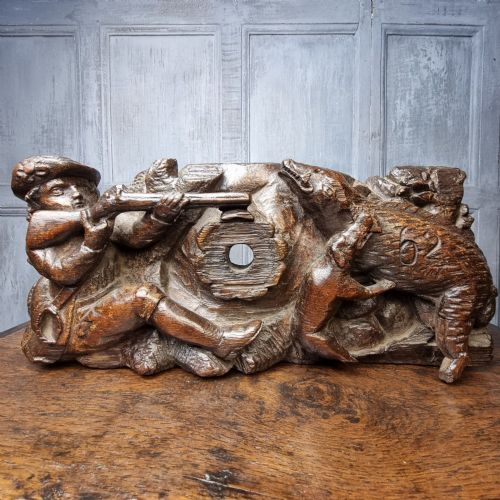


Carved Wood Fragment
A carved wood fragment brings centuries of architectural and sculptural history directly into a room, offering tangible remnants of past craftsmanship.
Carved Wood Fragment
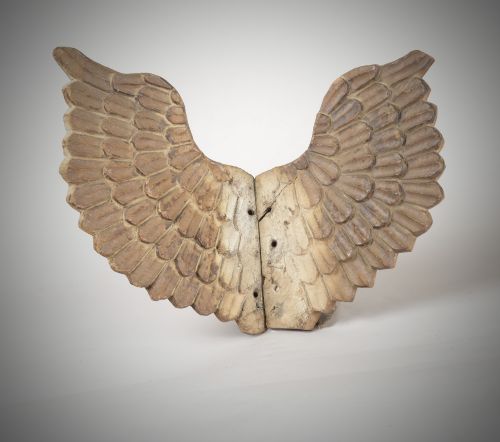
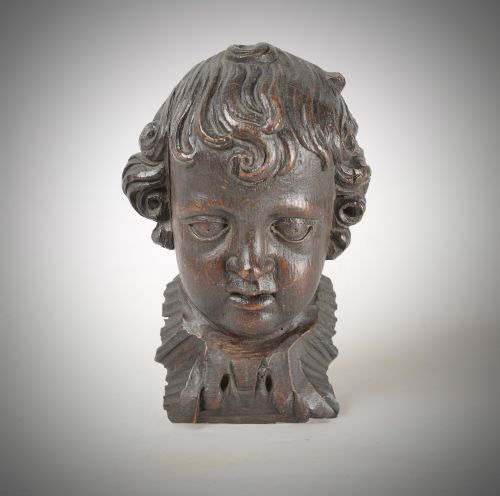
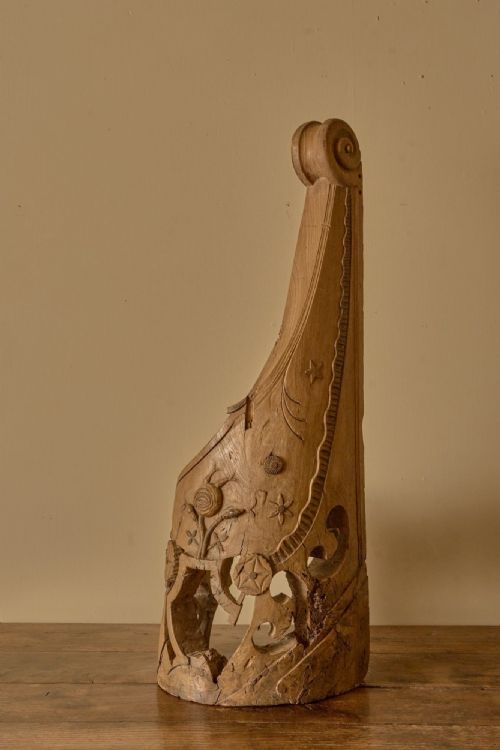
A carved wood fragment represents a surviving piece of a larger architectural scheme, furniture piece, or decorative sculpture from centuries past. These items emerge from various contexts, including ecclesiastical settings, domestic panelling, and exterior architectural elements.
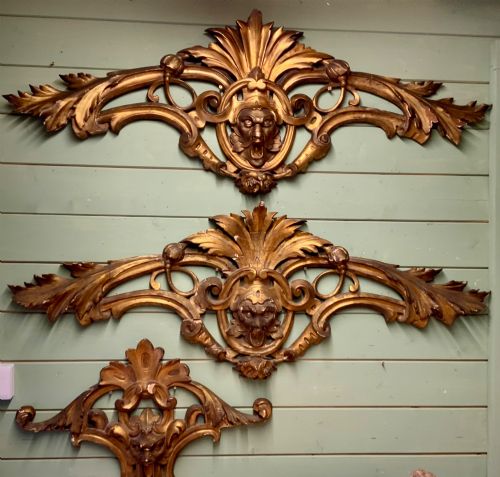
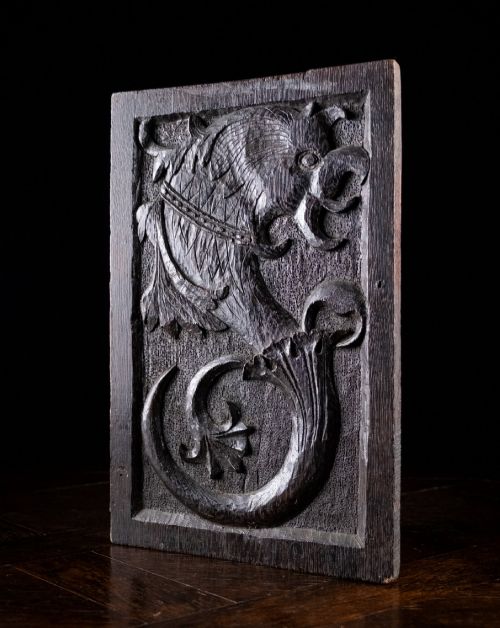
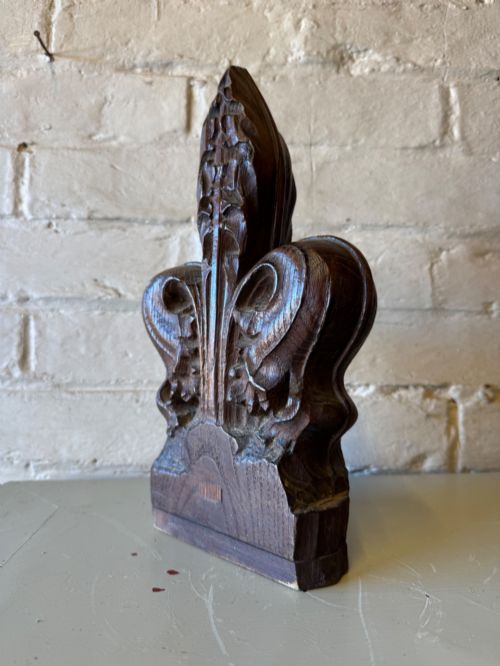
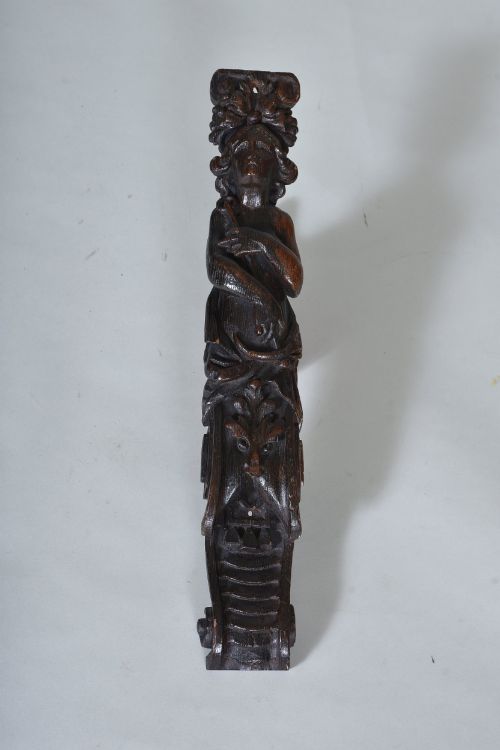
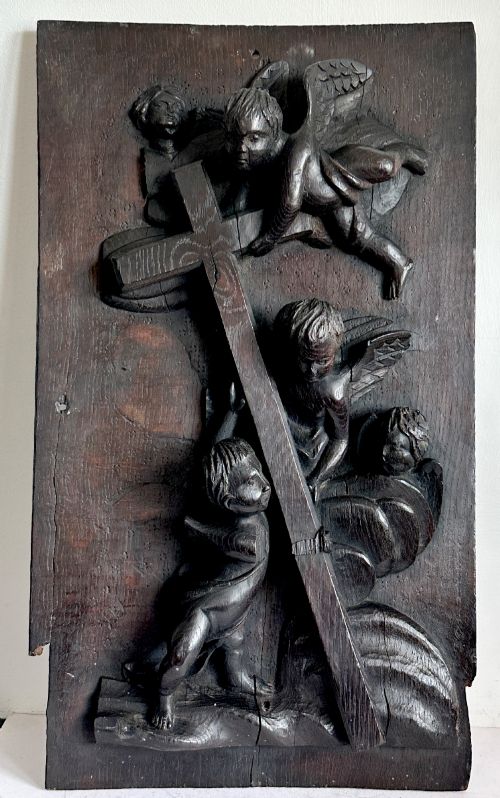
Buyers seeking a carved wood fragment will most frequently encounter oak panels, architectural carvings, and figural reliefs dating from the sixteenth to the eighteenth centuries. These pieces often take the form of wall panels, ceiling bosses, friezes, and sculptural fragments originating from British, continental European, and Asian workshops.
How they were made
Carved wood fragment pieces rely principally on dense hardwoods such as oak and walnut, which provided the structural stability required for intricate hand chiselling. Artisans utilised gouges, chisels, and v-tools to shape the grain, working directly from timber blanks sourced locally or imported for specific commissions.
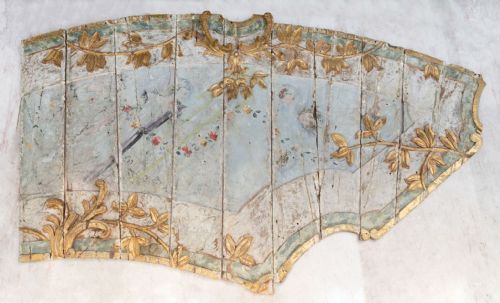
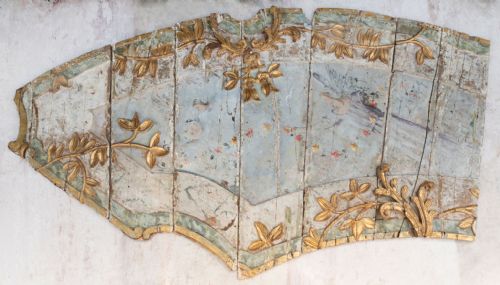
Surface treatments applied to the timber include gesso priming, gold leaf gilding, polychrome paint, and natural wax finishes. These layers protected the wood while enhancing the visual depth of baroque scrolls, gothic tracery, and folk art motifs.
Carved Wood Fragment Retail Price Guide 2026
Typical asking prices for carved wood fragment among the pieces listed under this phrase on Sellingantiques today, from the lower quarter to the upper quarter. They describe what is for sale here now, not the wider market.
Listings feature periods ranging from the sixteenth century to the early twentieth century, utilising oak, walnut, and teak.
What varies in quality
The quality of a carved wood fragment rests upon the depth of relief, the crispness of the chisel work, and the artistic confidence behind the design. Skilled carvers achieved naturalistic movement in figures and balanced proportions in architectural elements, whereas lesser examples display stiffness and shallow detailing.
Preservation of the original surface also dictates the standing of a piece. Retained traces of early paint, original gilding, or untouched patination elevate a fragment above items stripped back to raw timber during later restorations.
Grinling Gibbons·Hugues Sambin
The Carved Wood Fragment Glossary
- Poppy head finial
- An architectural ornament carved on the top of bench ends in gothic buildings, typically shaped like a stylised bud or leaf.
- Ceiling boss
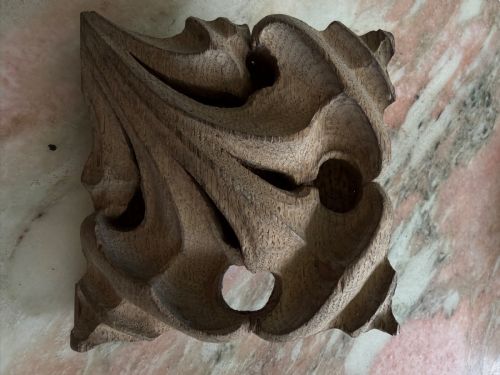
- A decorative projecting block placed at the intersection of ribs in a vaulted ceiling, frequently carved with foliage or figural motifs.
- Giltwood
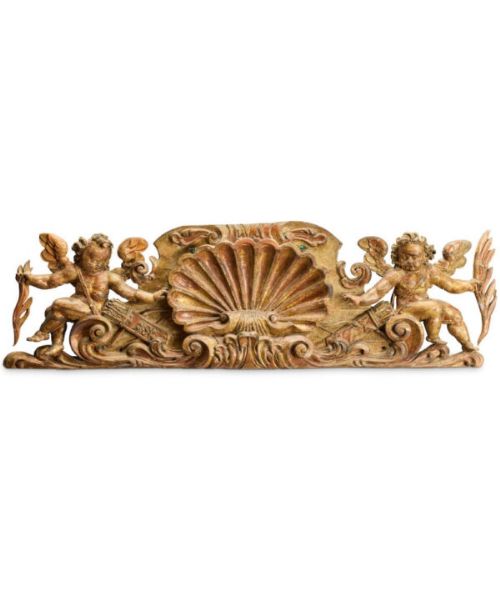
- Timber that has been coated with a thin layer of gold leaf over a preparation of gesso and size.
- Apotropaic mark
- A symbolic carving made to ward off evil spirits and witchcraft, such as concentric circles found on early panels.
- Tracery
- Openwork stonework or woodwork patterns, particularly associated with gothic windows and architectural screens.
Carved Wood Fragment: Frequently Asked Questions
What is a carved wood fragment?
A carved wood fragment is a surviving portion of an older architectural fitting, furniture item, or decorative sculpture. These pieces were separated from their original context over time.
They serve primarily as decorative wall art today, allowing collectors to appreciate historic woodworking techniques and sculptural styles up close.
Where did these fragments come from?
These items originate from dismantled buildings, churches, historic houses, and dismantled furniture pieces across Europe and beyond. Many started as ceiling bosses, over-door carvings, or architectural panels.
Changes in architectural fashions over the centuries led to the removal and dispersal of these decorative elements.
How do I hang a heavy wood fragment?
Displaying a carved wood fragment safely requires assessing the weight and the mounting points on the back of the timber. Professional picture hangers or metal brackets suited to heavy loads work best.
Fixing the mount directly into wall studs ensures the timber remains secure without putting stress on fragile parts of the carving.
How do I care for old carved wood?
Maintaining historic wood involves keeping the piece away from direct sunlight, heating vents, and damp conditions that cause the timber to warp or split. Gentle dusting with a dry, soft cloth preserves the surface.
Applying occasional light coats of specialist wax helps nourish unsealed timbers without building up residue on fine details.