






Carved Wood Divider
These carved wood divider pieces span multiple panels and traditions, offering flexible room separation with intricate relief work.
Carved Wood Divider
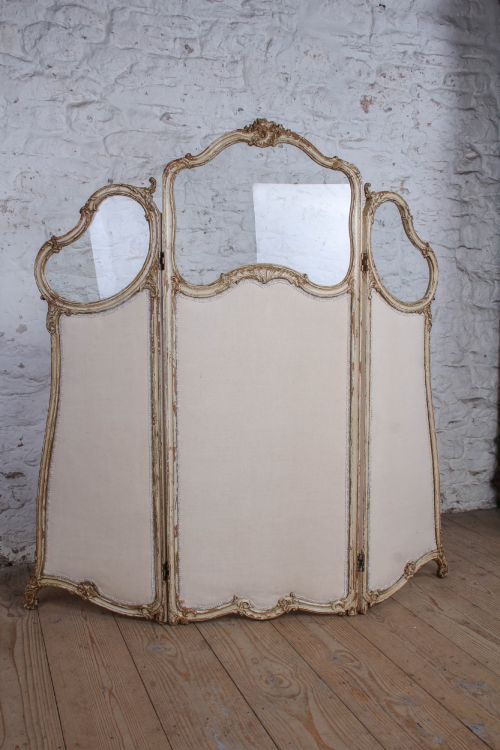
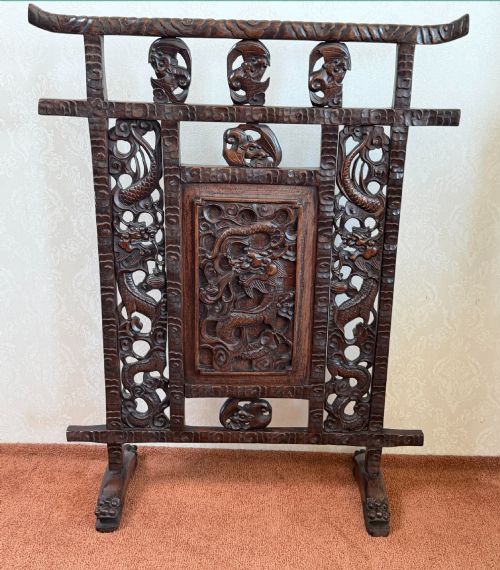
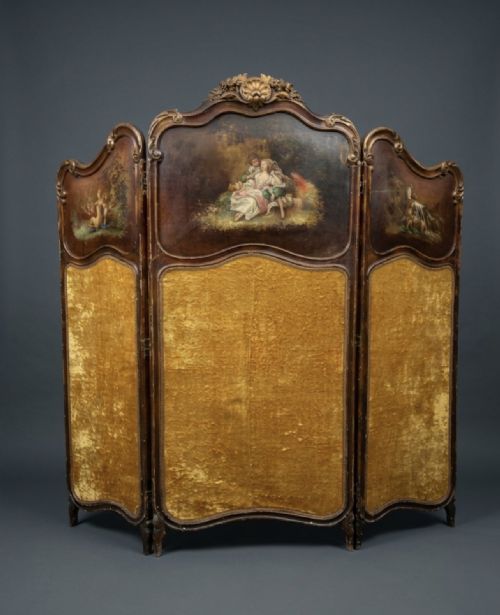
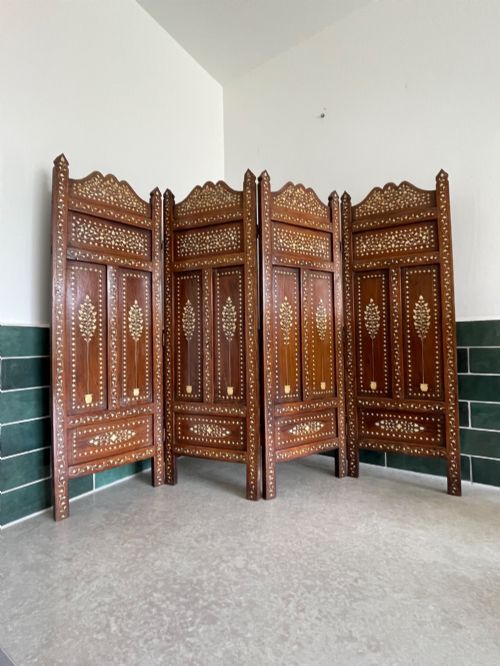
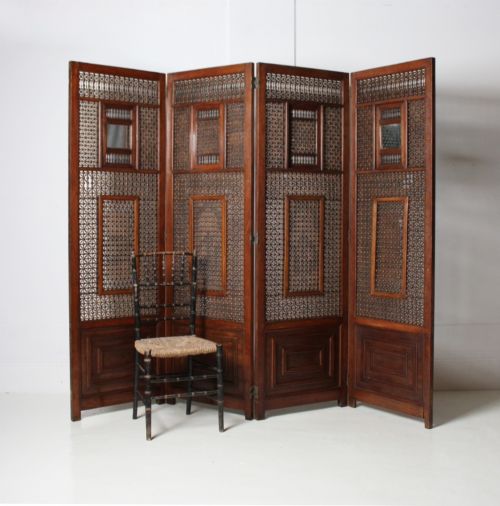
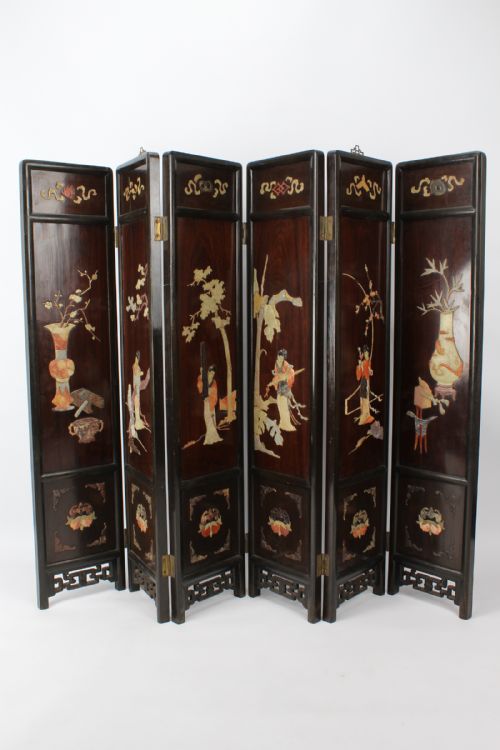
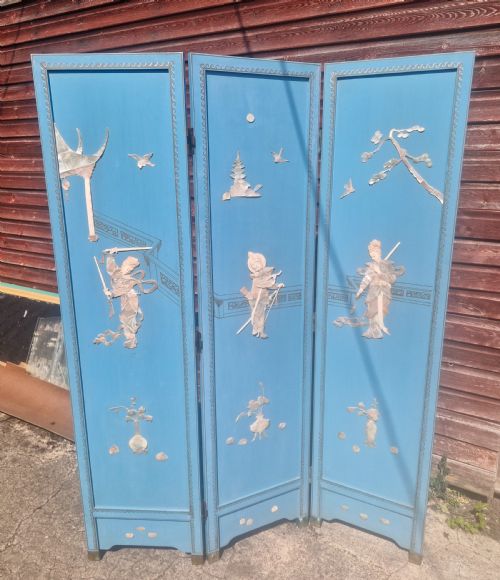
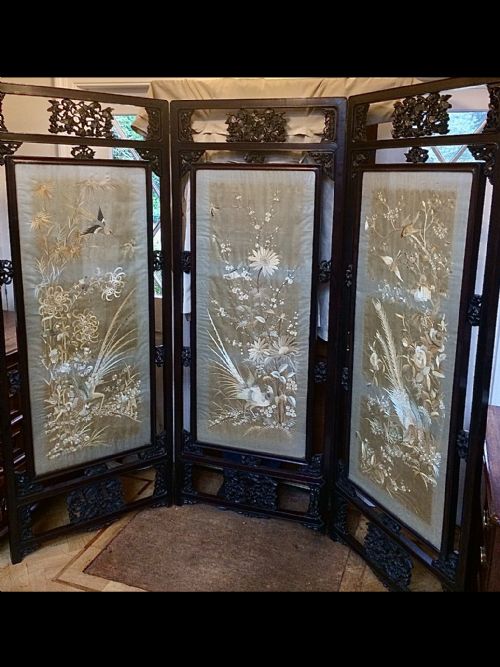
A carved wood divider acts as a functional screen to partition interior spaces, appearing in forms such as folding room dividers, modesty screens, and smaller table screens.
The pieces on this page originate from diverse cultural traditions, including Chinese, Japanese, Burmese, Indian, and European makers working across the nineteenth and twentieth centuries.
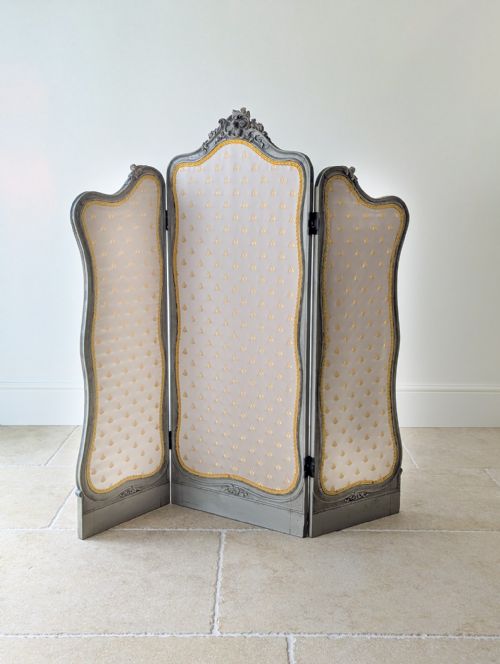
Most examples utilise multiple hinged leaves or panels, ranging from three to six folds, though occasional single table screens and related items like canterburys also appear.
How they were made
Wood serves as the primary structural material, frequently paired with hardwood, rosewood, and giltwood frameworks to ensure stability across multiple hinged leaves.
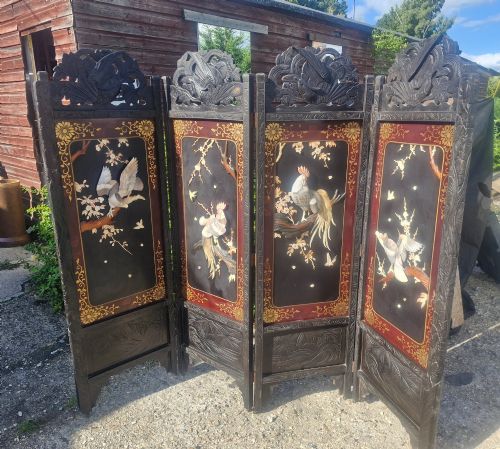
Artisans applied various decorative techniques, incorporating deep carved bone figures, lacquer work, gold leaf, fabric panels, and fretwork detailing.
Surface treatments range from painted panels and silk cotton inserts to intricate pierced woodwork and applied inlay.
Carved Wood Divider Retail Price Guide 2026
Typical asking prices for carved wood divider among the pieces listed under this phrase on Sellingantiques today, from the lower quarter to the upper quarter. They describe what is for sale here now, not the wider market.
Several folding screens doubled as photographic props, capturing Victorian sitters posing against exotic backdrops.
What varies in quality
The depth and execution of the carving define the visual standard, distinguishing sharply detailed figures and fretwork from simpler surface ornamentation.
The quality of materials, such as dense hardwoods versus lighter timbers, and the preservation of original lacquer, gold leaf, and fabric inserts determine the overall calibre.
The Carved Wood Divider Glossary
- Folding screen
- A piece of furniture consisting of multiple frames or panels connected by hinges, used to divide a room or provide privacy.
- Mashrabiya
- An architectural element of projecting oriel windows enclosed with carved wood lattice-work, often adapted into folding room dividers.
- Canterbury
- A low stand traditionally used for holding sheet music or books, occasionally included among these carved wooden furnishings.
- Modesty screen
- A small screen originally designed to shield a person from view or draughts, often featuring painted panels.
- Table screen
- A miniature version of a room divider, meant to sit on a tabletop or desk rather than stand on the floor.
Carved Wood Divider: Frequently Asked Questions
How do I use a room divider?
These panels stand upright to section off corners of a room, create private dressing areas, or conceal utilitarian spaces.
They fold flat for easy storage when not actively partitioning a room.
What periods do these screens come from?
The listings span the nineteenth century through the mid-twentieth century, including Victorian and Regency eras.
Specific decades represented include the 1860s, 1880s, 1900s, 1910s, 1920s, and 1950s.
How are different regional styles distinguished?
Chinese and Japanese pieces frequently incorporate hardwood, lacquer, and deep carved bone or dragon motifs.
Indian and Burmese examples often feature fretwork and lacquered finishes, while European pieces show influences like French Rococo or Regency styles.
Are all these pieces full size?
Most items function as large multi-fold room dividers or privacy screens designed to stand directly on the floor.
A smaller subset consists of table screens and modesty screens meant for elevated placement.