


Carved Wood Display
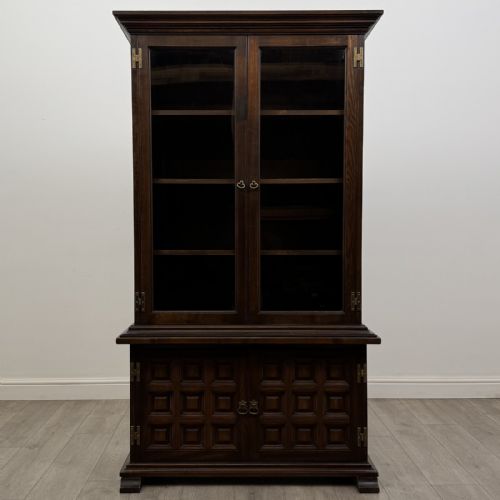
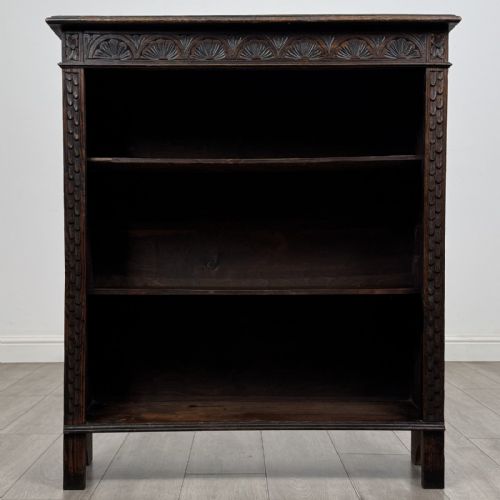
These carved wood display pieces combine useful storage with rich texture, bringing substantial Victorian and Edwardian craftsmanship directly into the room.
Carved Wood Display
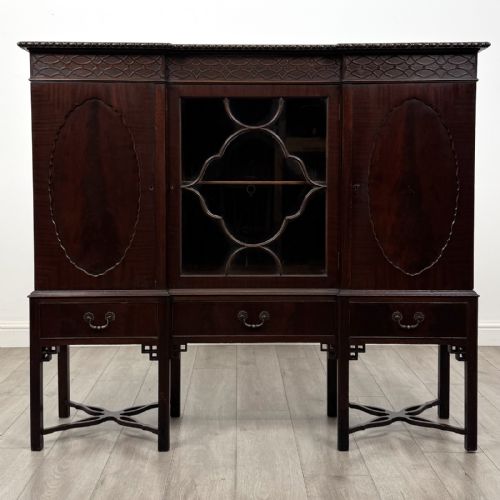
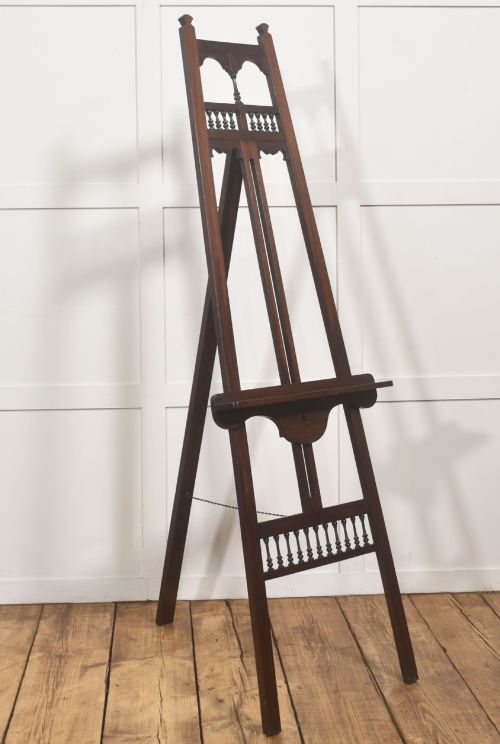
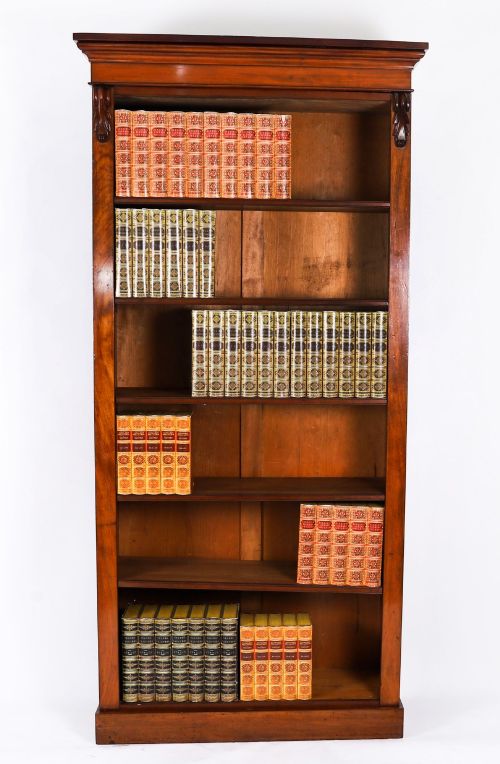
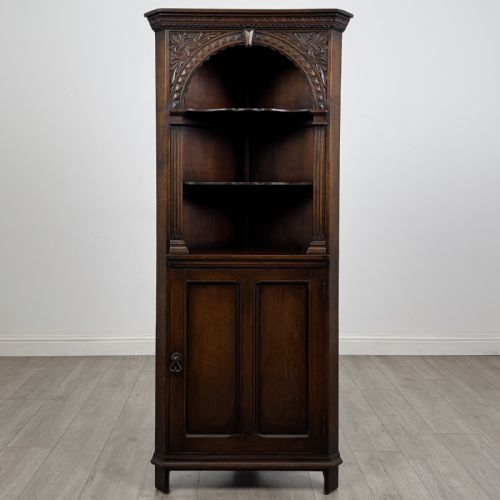
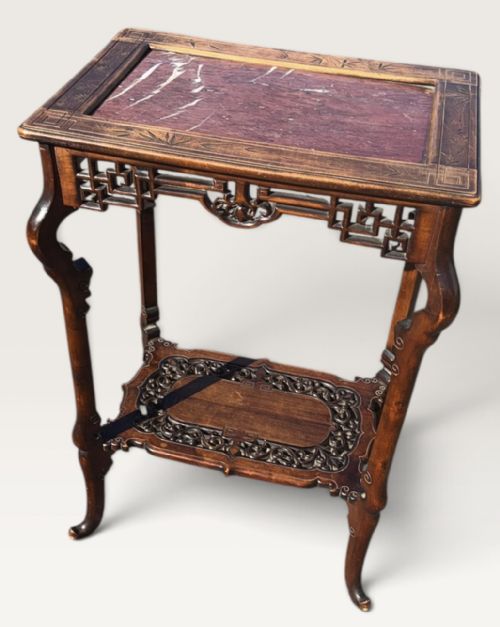
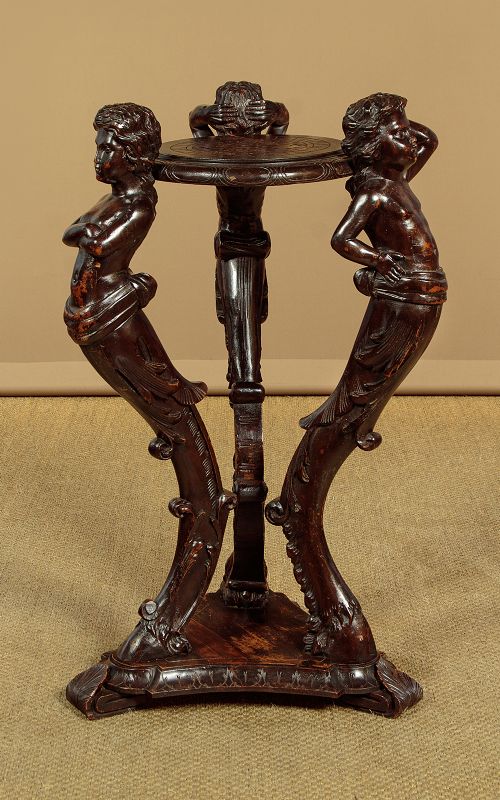
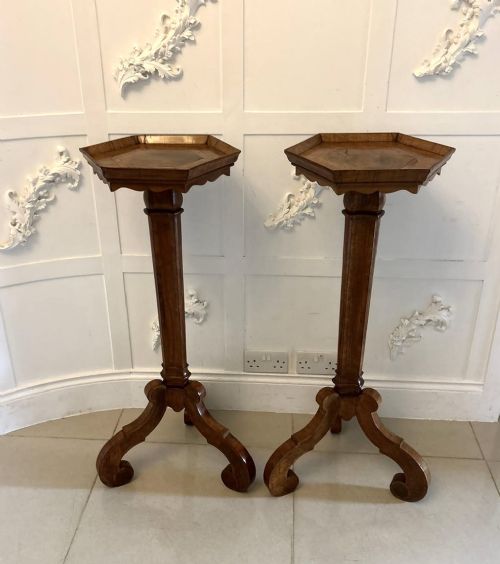
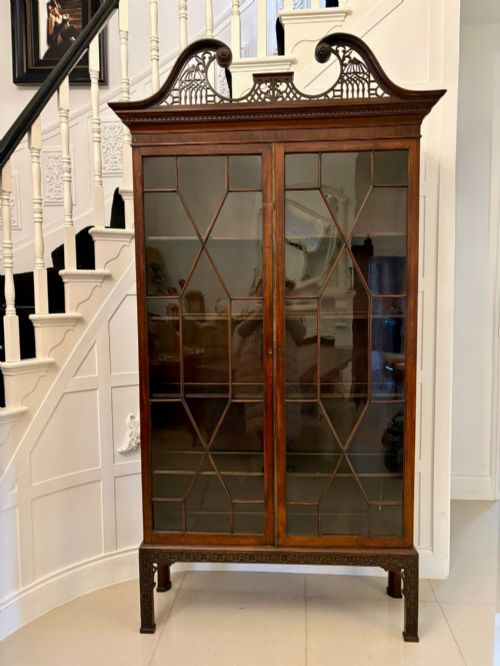
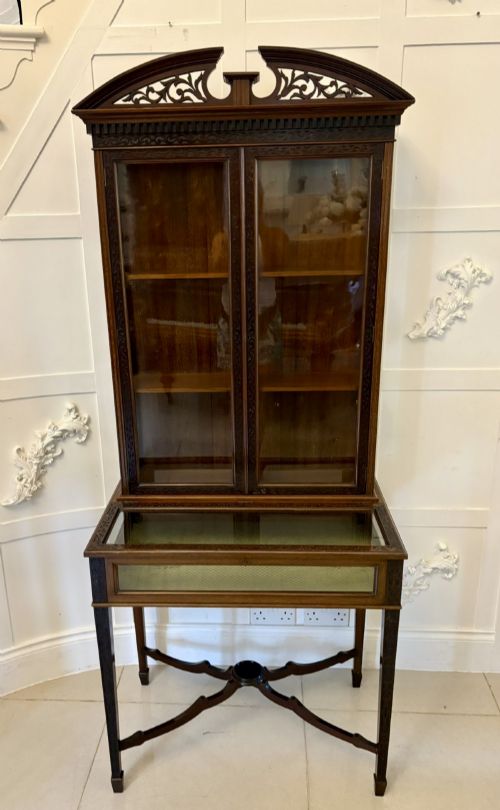
A carved wood display encompasses everything from towering bookcases and breakfront cabinets to delicate corner whatnots, wall hanging shelves, and freestanding pedestals. These pieces served the Victorian and Edwardian household as functional storage for books, ceramics, and prized ornaments, turning everyday utility into a focal point.
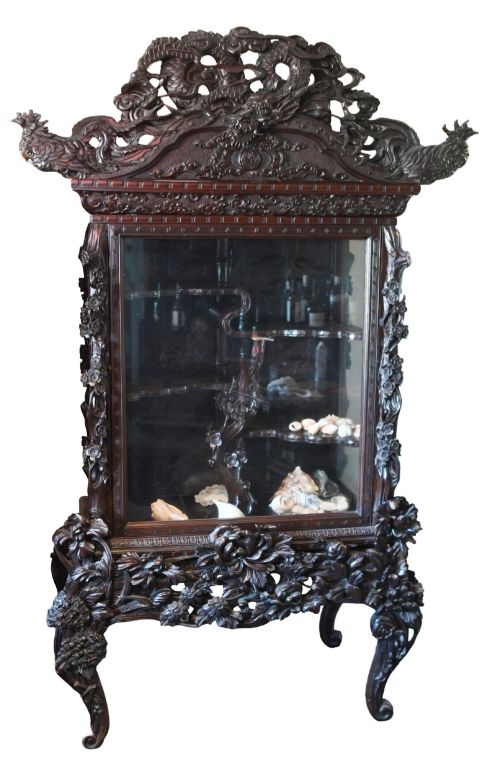
The selections available here span diverse regional traditions, including Anglo-Indian hardwood cabinets, Japanese Meiji period shodonas, and British mahogany or oak display furniture. Buyers frequently encounter glazed cabinets designed to protect collections from dust alongside open shelving units and tiered stands.
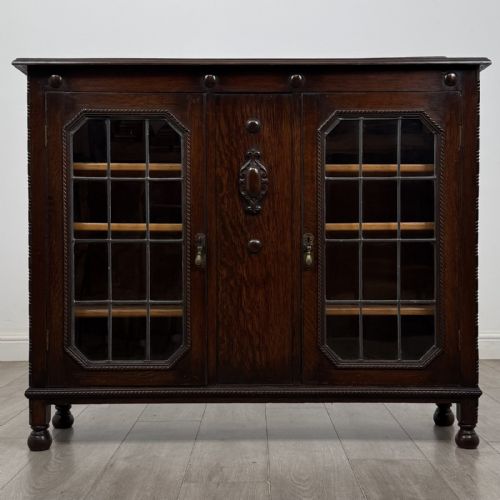
Dating primarily from the nineteenth and early twentieth centuries, these items reflect the shifting tastes of Victorian, Edwardian, and Aesthetic movement interiors. Whether selecting an oak bookcase with carved panels or a walnut corner whatnot with pierced fretwork, each form offers a distinct approach to showcasing objects.
Materials and construction methods
Makers relied heavily on dense timbers such as mahogany, oak, walnut, rosewood, and exotic hardwoods, selecting each for its grain pattern and structural stability. These woods were joined using traditional methods and finished to highlight their natural warmth, often paired with glass doors and brass hardware.
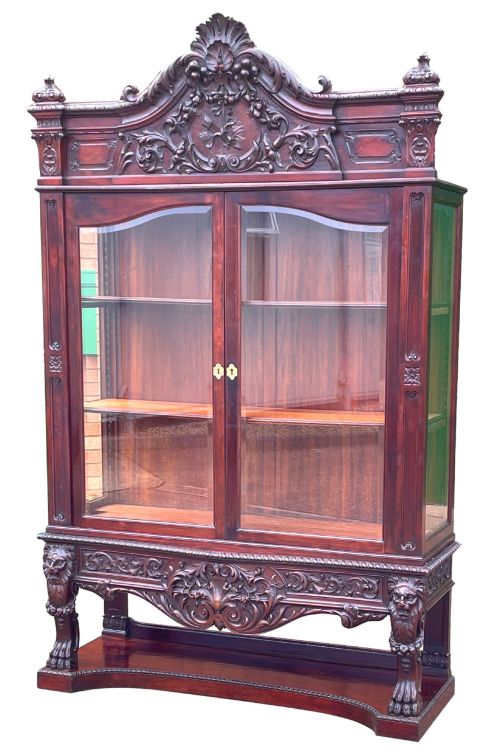
Carving formed the primary decorative vocabulary, executed directly into the solid timber or applied as carved panels and pierced fretwork. Craftsmen employed specialised turning techniques, such as barley twist columns, alongside intricate hand-chisel work seen in regional workshops from Britain to Japan.
Carved Wood Display Retail Price Guide 2026
Typical asking prices for carved wood display among the pieces listed under this phrase on Sellingantiques today, from the lower quarter to the upper quarter. They describe what is for sale here now, not the wider market.
The listings feature mahogany, oak, walnut, rosewood, and hardwood across periods spanning the early nineteenth century to the Edwardian era.
Indicators of superior execution
Excellence in a carved wood display rests on the crispness and depth of the hand-carved ornamentation, where sharp undercuts and confident lines distinguish master workshops from routine production. The choice of timber grain and the integration of decorative elements like bevelled glass or inlaid details further elevate the piece.
Structural integrity and thoughtful proportions separate ordinary utility from finer cabinetmaking. Well-made items feature carefully fitted doors, stable joinery that accommodates wood movement, and balanced designs that maintain elegance regardless of scale.
John Moyr Smith·Gabriel Viardot·Trevor Page and Co
The Carved Wood Display Glossary
- Whatnot
- A set of open shelves supported by slender pillars, traditionally used for displaying ornaments and small decorative objects.
- Shodona
- A Japanese tiered display cabinet featuring asymmetrical shelving and compartments, popular in nineteenth-century European interiors.
- Bijouterie cabinet
- A glazed display case specifically designed to showcase small valuables, medals, and jewellery at close range.
- Astral glazed
- A term describing glass doors divided into geometric panes by thin wooden or metal bars, common on Victorian bookcases.
- Fretwork
- Ornamental design created by cutting intricate patterns through thin wood, often seen on the brackets and galleries of corner shelves.
Carved Wood Display: Frequently Asked Questions
How do I clean carved wood display furniture?
Dust regularly with a soft, dry cloth to prevent particles from settling into the carved recesses. Avoid silicone-based sprays and excess moisture to protect the historic timber finish.
For glazed panels, use a standard glass cleaner applied to the cloth rather than directly onto the glass, ensuring no liquid seeps into the surrounding wood or joinery.
Where should I place a display cabinet?
Position your cabinet away from direct sunlight and strong heat sources like radiators to prevent the timber from warping or splitting. Stable room temperatures keep wood stable over time.
Ensure the floor is level, particularly with tall bookcases or heavy corner units, and utilise appropriate wall fixings if the structure requires extra stability.
What is the difference between an open bookcase and a display cabinet?
Open bookcases provide direct, unrestricted access to books and objects, making them ideal for everyday use in studies and living spaces. They often feature adjustable shelves for varied storage.
Display cabinets incorporate glazed doors or enclosed panels to protect delicate ceramics and collections from dust and handling, frequently sitting in formal reception rooms.
How can I tell the period of a carved display piece?
Examine the wood selection, construction marks, and stylistic motifs to identify the era. Victorian pieces often display rich mahogany or heavy oak with robust carvings, while Edwardian examples tend to feature lighter proportions and subtle inlay.
Look for clues in the hardware, shelf supports, and glass manufacturing techniques, which changed noticeably between the early nineteenth century and the Edwardian era.