
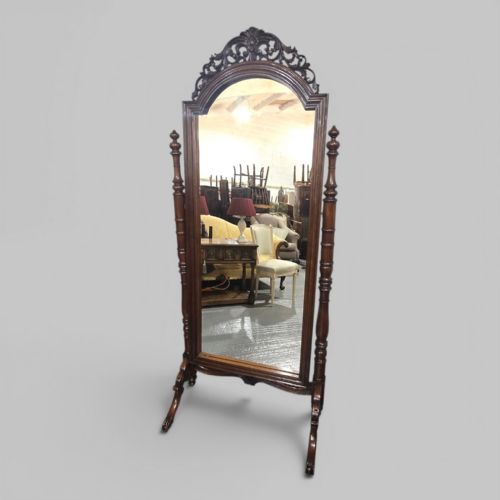


Carved Wood Cheval Glass
A carved wood cheval glass stands tall to capture your entire reflection, bringing elegance and practical dressing space to any room.
Carved Wood Cheval Glass
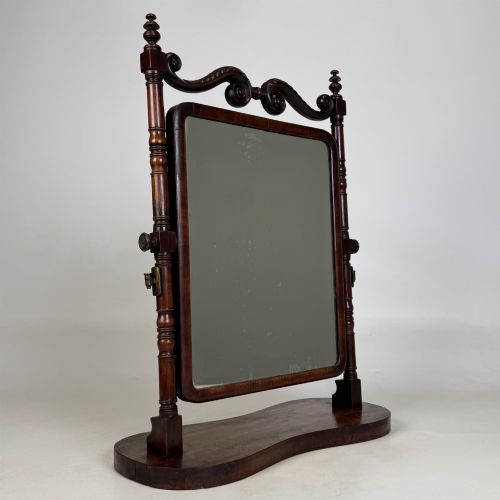
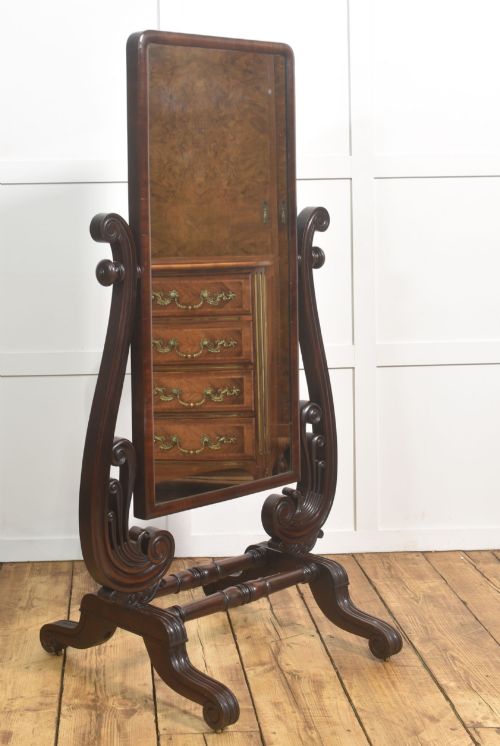
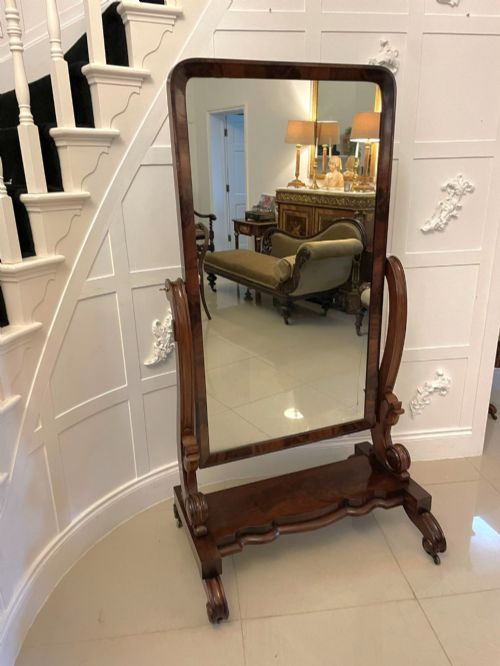
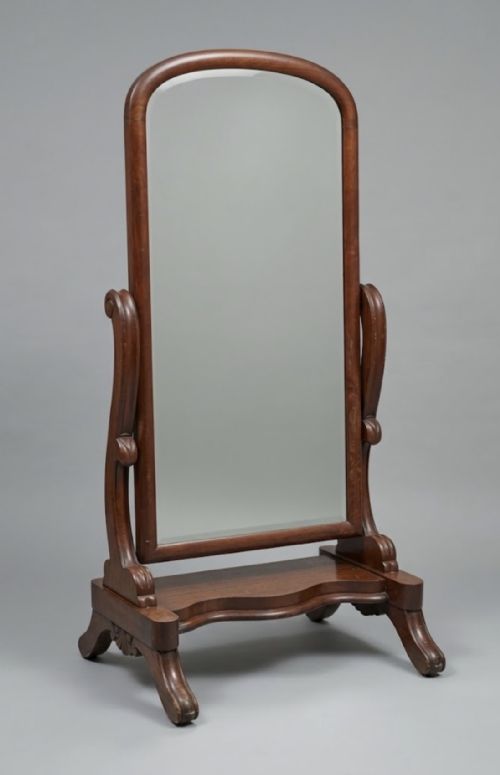
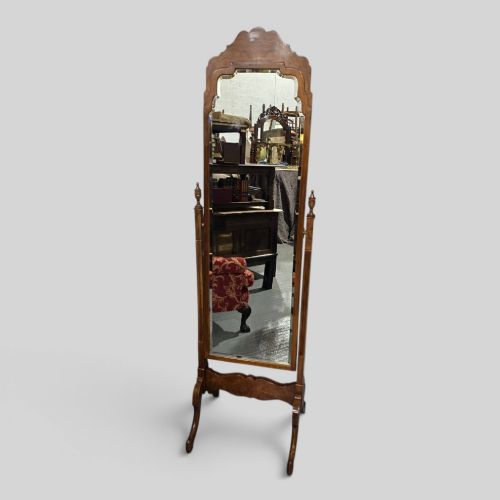
A carved wood cheval glass is a floor-standing dressing mirror supported by a frame with pivotal pivots, allowing the glass to tilt. You will encounter nineteenth century and Victorian examples most frequently on this page, alongside earlier Regency and Georgian pieces.
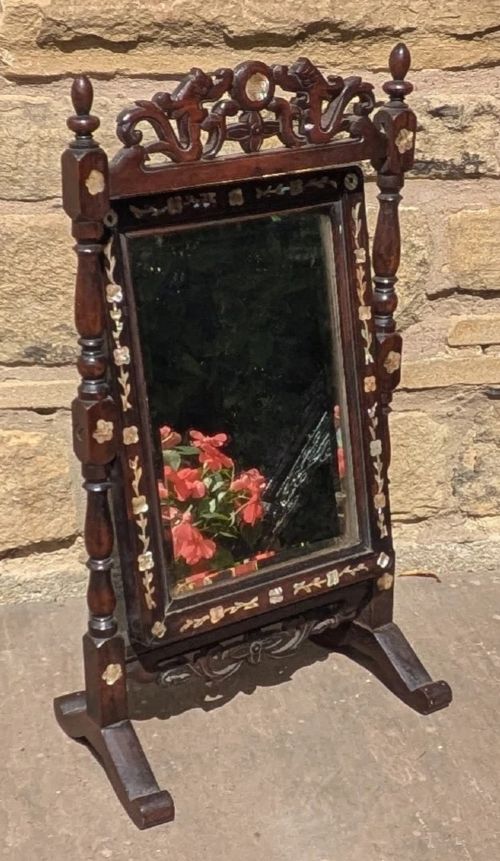
These mirrors range from large floor-standing cheval frames designed for bedrooms to smaller dressing table and toilet mirrors. The selection encompasses diverse stylistic influences, including French Rococo, Queen Anne style, and Chinese Qing inlaid hardwood.
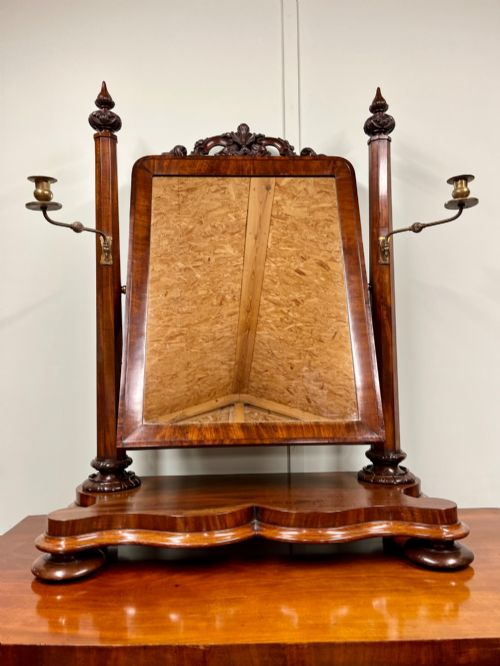
Mahogany forms the primary wood across the majority of these pieces, complemented by burr walnut, oak, and giltwood. Many incorporate brass mounts, gesso details, and mother of pearl inlay to enrich the timber frames.
How they were made
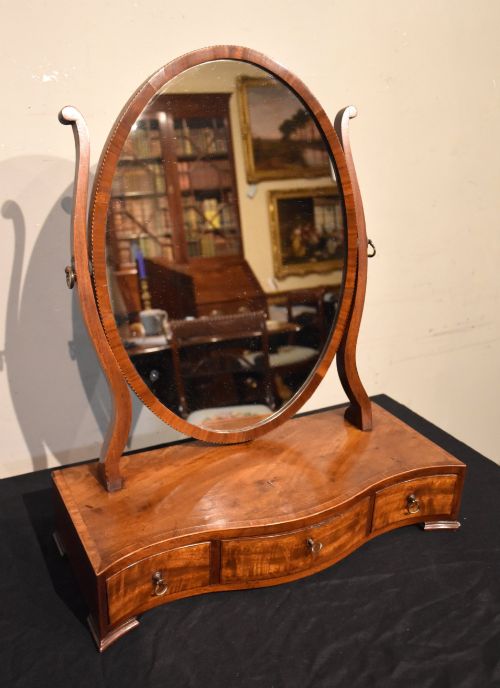
Cabinetmakers constructed these frames using dense timbers like mahogany and hardwood, often shaping the wood with serpentine fronts or carved supports. Giltwood and gesso surfaces required meticulous hand-carving and water gilding to achieve bright, ornate finishes.
The mirror plates hang securely on pivoting brass hardware, allowing the heavy glass to tilt smoothly within its vertical uprights. Artisans incorporated intricate details such as mother of pearl inlay into hardwood frames using traditional joining and gluing techniques.
One listed mirror once belonged to an American general named Meigs.
What varies in quality
The sophistication of the timber carving and the weight of the mahogany set finer examples apart from simpler utilitarian pieces. Superior frames display crisply hand-carved ornamentation, balanced proportions, and robust structural joinery that supports the heavy mirror glass without sagging.
The quality of the brass pivoting hardware and the clarity of the original glass plate indicate the original workshop's standing. Finer mirrors utilise expensive materials like burr walnut or detailed mother of pearl inlay rather than plain secondary woods.
Gillows
The Carved Wood Cheval Glass Glossary
- Cheval glass
- A large, full-length mirror hung in a freestanding frame that permits it to swing. The word derives from the French for horse, referencing the four-legged frame.
- Giltwood
- Timber that has been coated with a thin layer of gold leaf or gesso preparation. This technique creates a brilliant decorative surface popular in formal nineteenth century rooms.
- Gesso
- A plaster-like mixture applied to wood surfaces as a base for painting or gilding. Artisans carved intricate ornamental details directly into this hardened material.
- Toilet mirror
- A smaller dressing mirror designed to sit atop a table or chest of drawers rather than stand upon the floor. These often share the pivoting swing mechanism of larger cheval glasses.
- Serpentine front
- A furniture profile featuring a gentle double-curve that bows outward at the centre and inward at the sides. This contour requires skilled woodworking to shape correctly.
Carved Wood Cheval Glass: Frequently Asked Questions
How do I date a cheval glass?
Examine the timber species, joinery methods, and the style of the carved frame to determine the likely era of manufacture. Nineteenth century pieces often show dense mahogany construction, while Regency and Georgian examples display distinct classical proportions.
Look closely at the backboards, screws, and mirror plate bevelling for further clues about age. Hand-turned wooden knobs and original brass hardware also help narrow down the period.
Where should I place a cheval mirror?
Position your mirror in a bedroom or dressing area where you need a full-length reflection for daily attire. Placing it near a window helps bounce natural light deeper into the room.
Ensure the floor is reasonably level so the heavy frame stands securely on its feet. Allow adequate clearance around the base for the glass to tilt freely on its pivots.
What is the difference between a cheval and toilet mirror?
A cheval glass is a tall, floor-standing mirror that displays your entire figure from head to toe. It rests on a substantial frame supported by four legs or a heavy trestle base.
A toilet mirror is much smaller and intended to rest upon a dressing table or chest. It provides a half-length reflection primarily used for grooming and adjusting collars.
How do I care for antique wood and gilt frames?
Dust the carved wood and frame regularly with a soft, dry cloth to prevent dirt accumulation. Avoid using harsh chemical sprays or silicone polishes that can damage historic finishes.
Keep antique mirrors away from direct sunlight and damp environments to protect the wood and silvered glass plate. Treat giltwood surfaces with extreme gentleness, as the gold leaf is delicate.